The Art of the Spacious Small Home
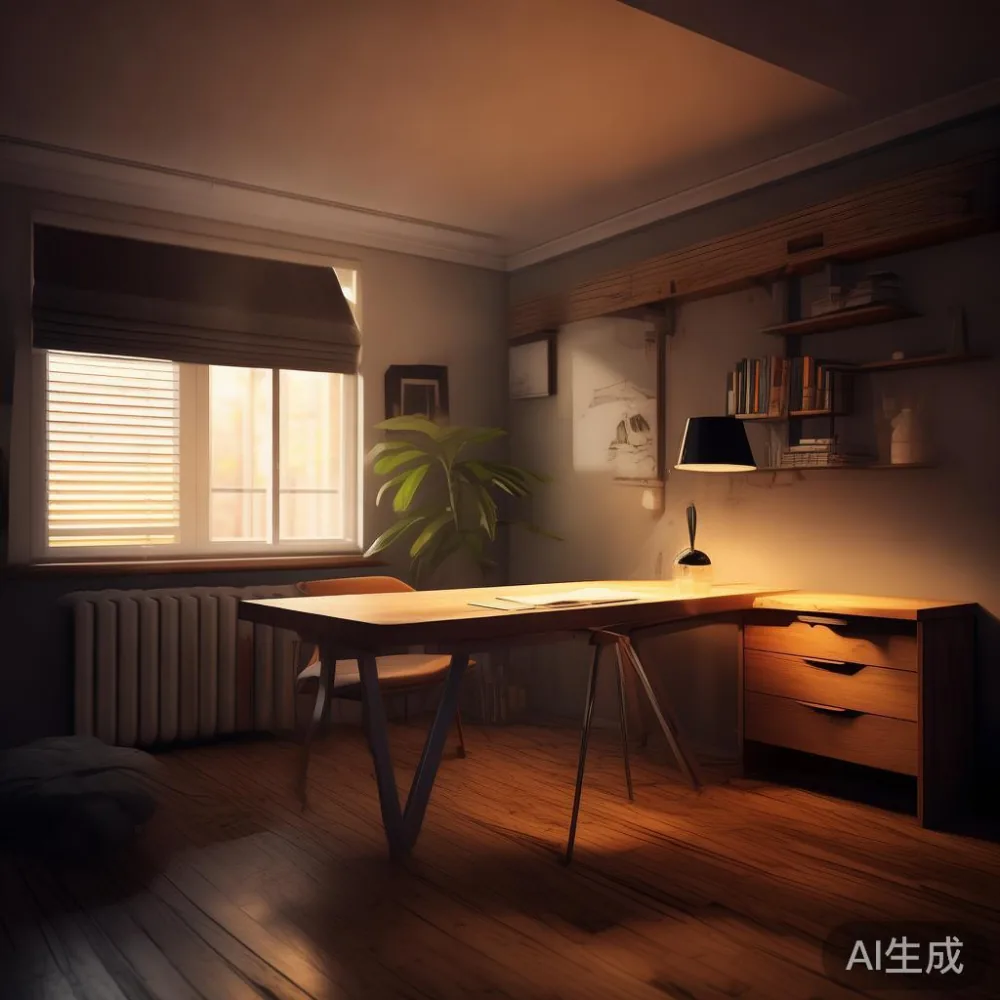
Living in a Singaporean apartment, whether a compact 45-square metre unit in Tampines or a stylish 60-square metre condo in Punggol, presents a familiar challenge: how to create a home that feels open, luxurious, and deeply personal without being overwhelmed by the physical constraints. The key lies not in simply buying smaller furniture, but in making deliberate, intelligent choices about every piece you bring into your space. This is especially true for the heart of your home office or study, where a well-chosen office desk can define the entire room's feel.
Understanding Your Singaporean Canvas: Space and Scale
Before selecting a single item of furniture, it's important to understand the physical reality of your home. Singapore's Housing and Development Board (HDB) flats and private condominiums, while efficient, have standard dimensions that dictate your options. A typical corridor width in an HDB flat is about 120 cm, just enough for one person to pass comfortably. This means a bulky, protruding piece of furniture can instantly make a hallway feel cramped and obstructed. In a condo, the corridors might be slightly wider, but the principle of respecting flow remains the same.
My colleague, who recently moved into a new build in Bedok, learned this the hard way. He purchased a beautiful, ornate wardrobe that was 70 cm deep. While it fit in his bedroom, the door swing required him to pull it into the room to access it, eating up precious floor space and making the room feel 20% smaller. He ended up replacing it with a slimmer, 45 cm deep model that, while less ornate, made his bedroom feel significantly more expansive. This experience highlighted a fundamental rule: in small spaces, depth is often the enemy. Every centimetre counts, and furniture that protrudes less is almost always the better choice.
The Power of Verticality: Making Use of Your Walls
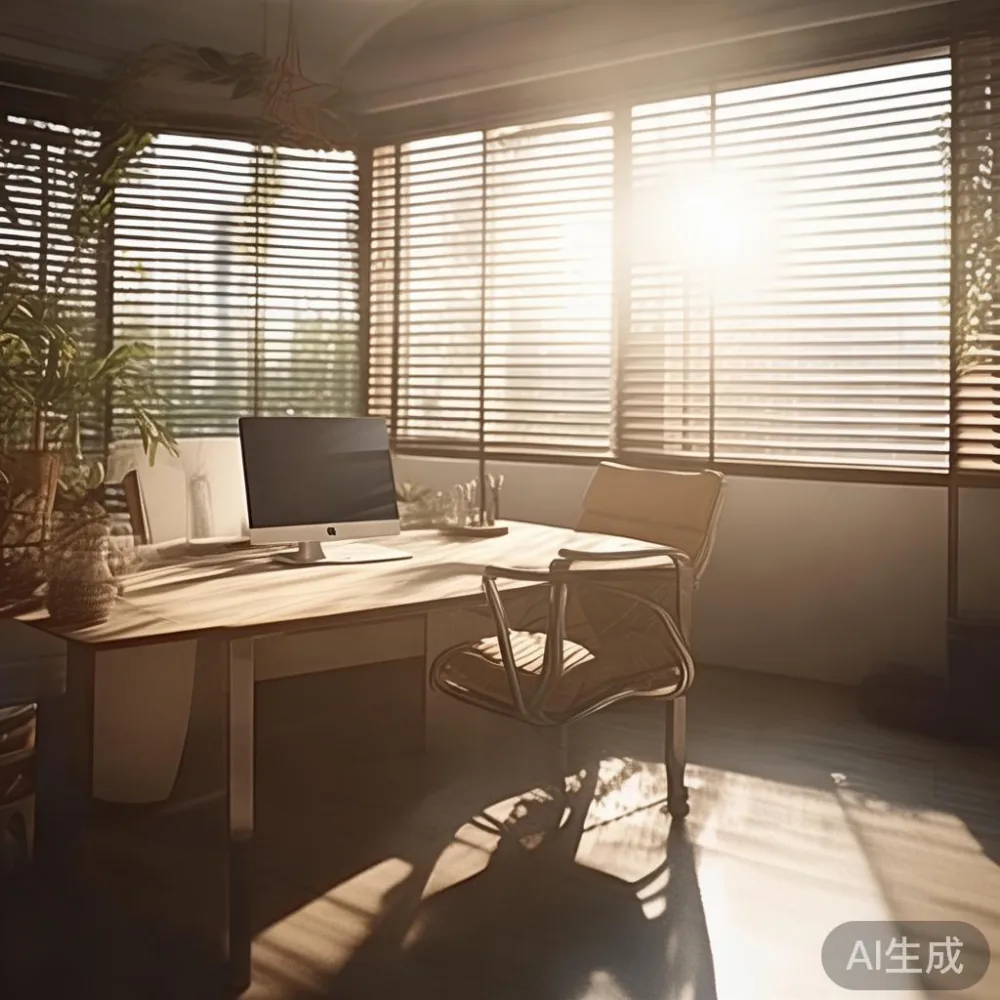
When floor space is at a premium, the only direction to grow is up. Vertical storage solutions are not just a space-saving hack; they are a design principle that can dramatically alter a room's perception of height and space. Think floor-to-ceiling bookshelves, tall, narrow cabinets, and wall-mounted systems. A wall-mounted office desk is a prime example of this principle in action. It creates a clean, floating effect, freeing up the floor beneath it and making the room feel more open. This approach is particularly effective in apartments with standard 2.6-metre to 2.8-metre ceiling heights, as it draws the eye upward.
For instance, instead of a large, freestanding dining table that dominates a corner, consider a wall-mounted drop-leaf table. When not in use, it folds flat against the wall, occupying a mere 10 cm of depth. This simple change can reclaim over 50 cm of floor space, which can be the difference between a cramped dining nook and a comfortable, walkable area. The same logic applies to your bedroom. A tall wardrobe that reaches the ceiling provides ample storage without taking up as much floor area as a shorter, wider one. This verticality not only stores your belongings but also creates a sense of grandeur and order.
Choosing the Right Materials: Light, Air, and Texture
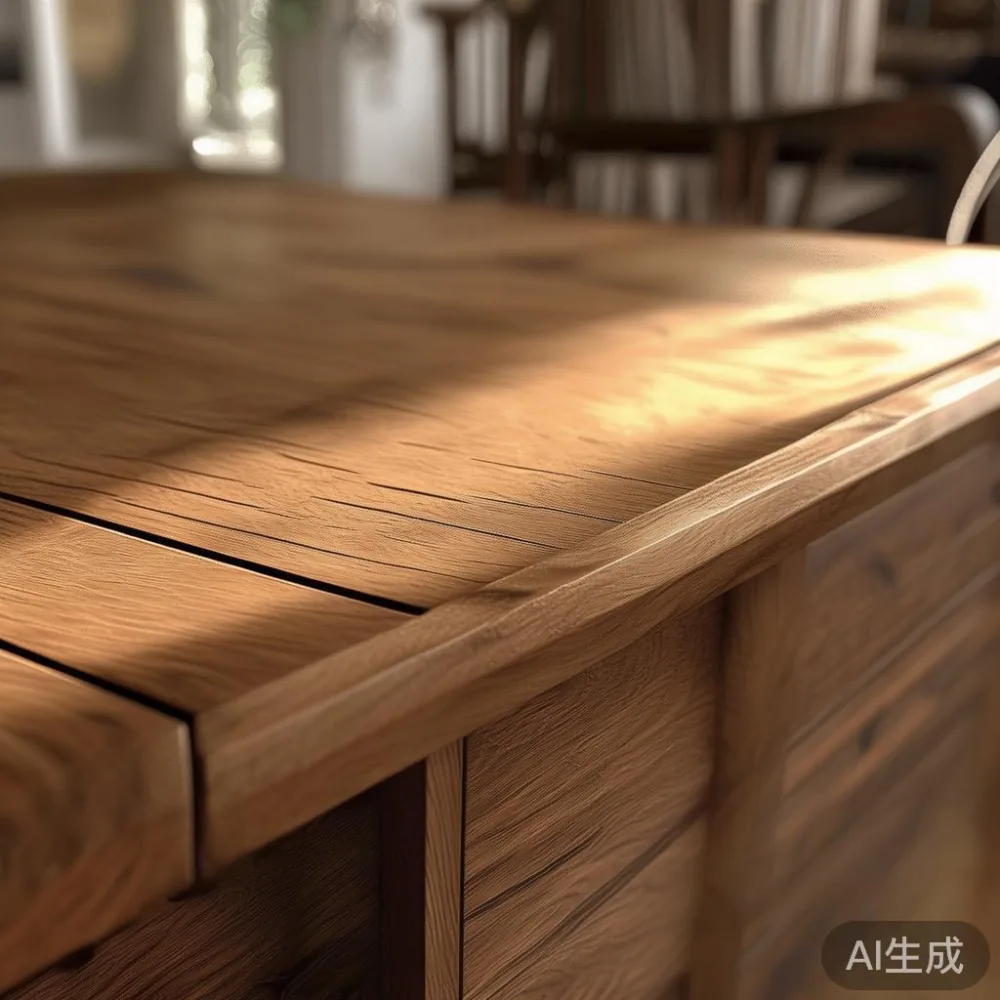
The materials you select for your furniture have a profound impact on how spacious a room feels. Heavy, dark, and opaque materials tend to absorb light and visually weigh down a space. Lighter, more reflective materials, on the other hand, can make a room feel brighter and more expansive. This is where the concept of light luxury comes into play. The French light luxury aesthetic, for example, often features light-coloured woods like ash or oak, combined with glass and marble accents. This creates an atmosphere that is elegant and sophisticated without being visually heavy.
Consider the difference between a solid, dark wood bed frame and one made from lighter oak or painted in a soft white. The lighter option will reflect more light and make the bedroom feel larger. Similarly, a marble table top, while substantial, can work wonders in a small space if its legs are slim and its base is open. The veining and translucency of marble add a touch of light luxury without the bulk of a solid wood top. A solid wood sofa in a light oak finish can anchor a living room beautifully, whereas a deep, dark leather sofa might make it feel cave-like. The goal is to choose pieces that feel present but not oppressive.
How Can a Small Office Desk Actually Boost My Productivity?
This is a question many of us ask when working from home in a tight space. The answer lies in understanding that a office desk is more than just a surface for your laptop; it's a command centre for your workday. A cramped, cluttered desk leads to a cramped, cluttered mind. In a small apartment, where your bedroom might also be your office, the quality of this piece is paramount.
A well-designed office desk should be a hub of efficiency, not a source of frustration. The ideal desk for a small space is one that is proportionate to the room. A desk that is 120 cm wide and 60 cm deep is often a good starting point, providing ample workspace without overwhelming the room. Look for desks with built-in storage, such as drawers or shelves, to keep your work area clear. My colleague in Bedok found that a wall-mounted office desk with a small, integrated cabinet below was a revelation. It held all his files and supplies, eliminating the need for a separate filing cabinet and keeping his floor space completely clear. This minimalist setup allowed him to focus better and feel less stressed, proving that the right furniture can directly impact your productivity and mental well-being.
Multipurpose Furniture: The Swiss Army Knife of Home Styling
In a small apartment, every piece of furniture should ideally pull double duty. Multipurpose furniture is the ultimate space-saving solution. An ottoman that doubles as storage and extra seating is a classic example. A dining table that can be extended to accommodate guests and then shrunk back down for daily use is another. This approach allows you to have the functionality of multiple pieces without the permanent footprint.
Consider a nightstand that also functions as a small side table for your living room. Or a wardrobe with a built-in desk or vanity. The question, is mid-century modern wardrobe worth it, often comes down to its functionality. Many mid-century designs feature clean lines and integrated storage solutions that are perfect for small spaces. A wardrobe with internal drawers and shelves can replace a separate dresser, saving you a significant amount of floor space. This philosophy of multi-functionality is key to creating a home that is both stylish and highly efficient, adapting to your needs throughout the day.
Curating Your Space: A Cohesive Approach
When your space is limited, a scattershot approach to decoration can make it feel chaotic and cluttered. Instead, aim for a cohesive design scheme. This doesn't mean everything has to match perfectly, but there should be a unifying element, whether it's a colour palette, a material, or a style. For example, you could choose a post-modern light luxury theme, mixing clean lines with organic shapes and a neutral colour base of whites, greys, and natural wood tones.
When you're on the hunt for pieces, searching for for sale European furniture can yield stunning results that fit this aesthetic. A solid wood sofa with low, wide arms, paired with a sleek marble table and minimalist office desk, can create a harmonious and sophisticated look. Avoid mixing too many different styles; a room with a French light luxury sofa, a rustic dining table, and an industrial nightstand will feel disjointed. Stick to a primary style and use accent pieces to add personality. This curated approach creates a sense of calm and order, making your small apartment feel like a deliberate and luxurious retreat rather than a collection of random items.
Investing in Quality: The Long-Term View
It can be tempting to fill a small space with inexpensive, flat-pack furniture. However, this often leads to a cycle of replacement and clutter. Investing in high-quality, durable pieces is a smarter long-term strategy. A well-made bed frame or dining table will last for decades, saving you money and the hassle of frequent replacements. Quality furniture also tends to have better proportions and more timeless designs, which are more likely to suit your space as your needs evolve.
When considering a purchase, think about its lifespan. A light luxury bed vs Italian light luxury bed might differ in price, but both are investments in a piece you will use every day for years. Similarly, when looking at a wardrobe, consider its construction. Solid wood, while more expensive upfront, will withstand the test of time far better than particleboard. This principle extends to all your furniture choices. A well-made office desk is an investment in your daily work life, providing a stable and pleasant surface for years to come. By choosing quality over quantity, you create a home that is not only beautiful but also sustainable and deeply personal.
Final Thoughts on Creating Your Sanctuary
Styling a small Singaporean apartment is a rewarding challenge that requires thought, planning, and a keen eye for detail. It's about making every square centimetre work for you. By focusing on verticality, choosing light and airy materials, embracing multipurpose furniture, and curating a cohesive style, you can transform even the most compact space into a luxurious and comfortable home. The journey of furnishing your home is personal, and it's about finding pieces that you love and that serve your life. For inspiration on timeless pieces, you might explore collections that feature the best French sofa for 2026 or investigate the enduring appeal of top 10 Industrial furniture for a more urban loft feel. Remember, your home is a reflection of you, and with the right choices, it can be your perfect sanctuary, no matter the size.