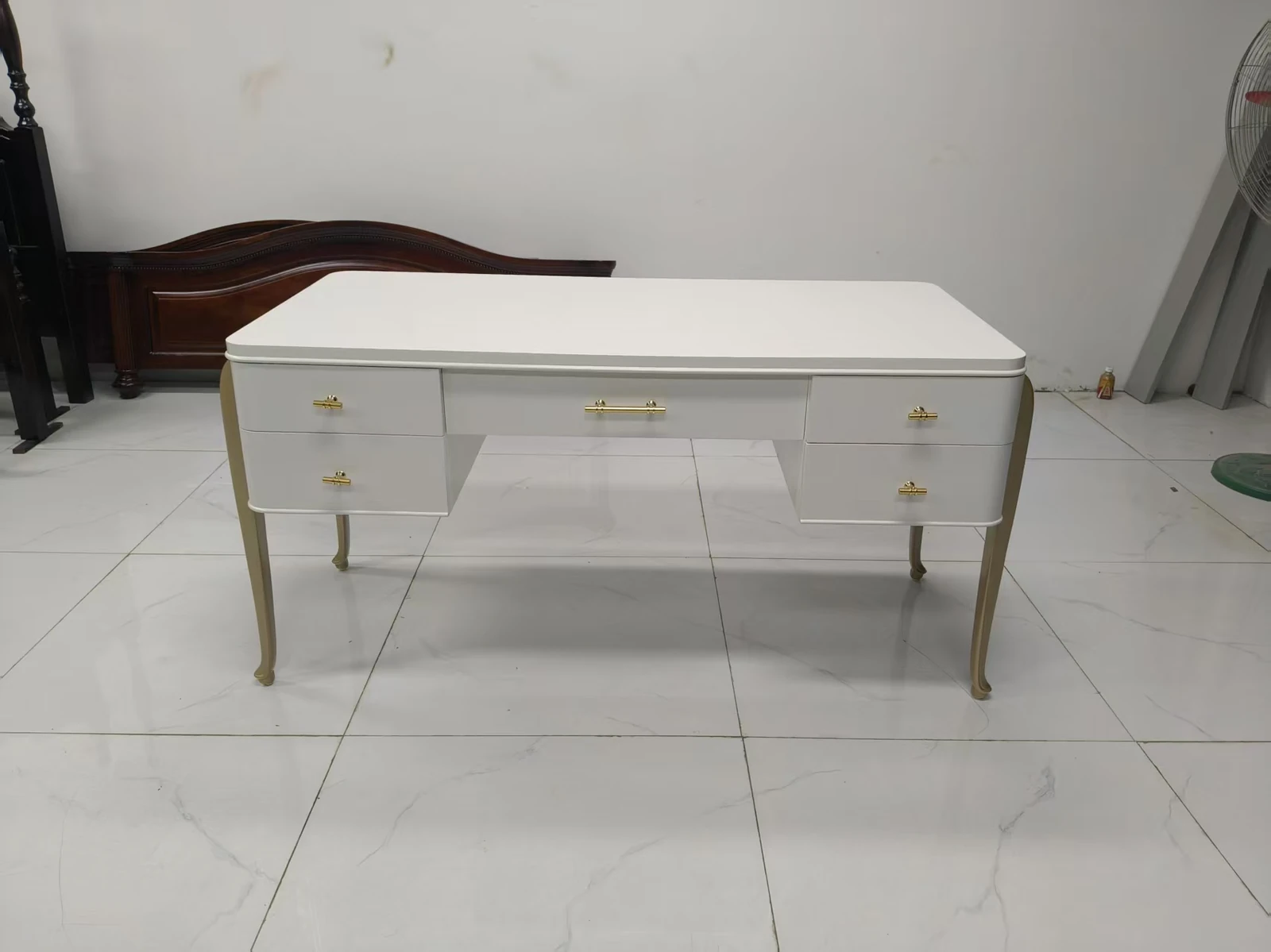
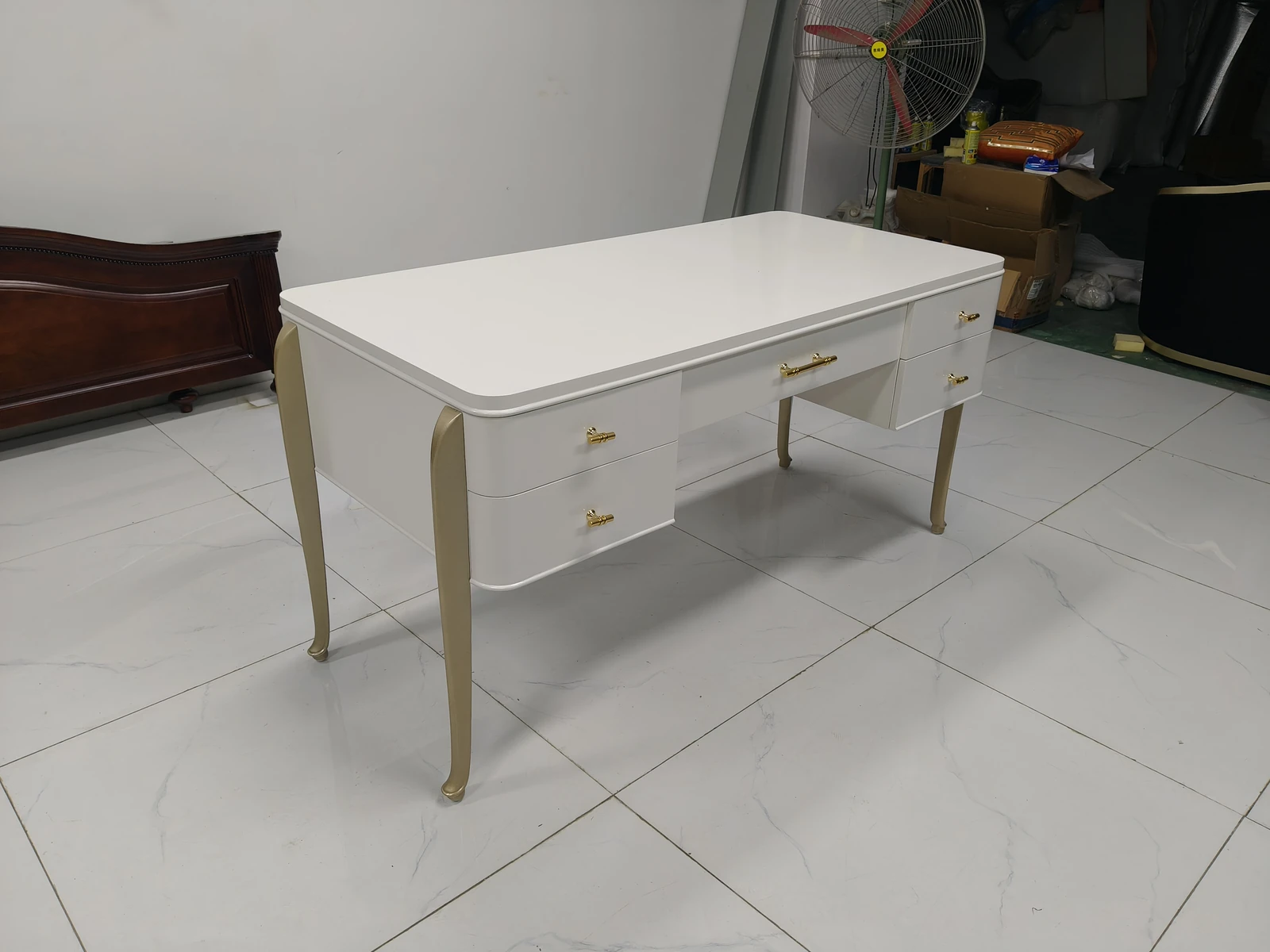
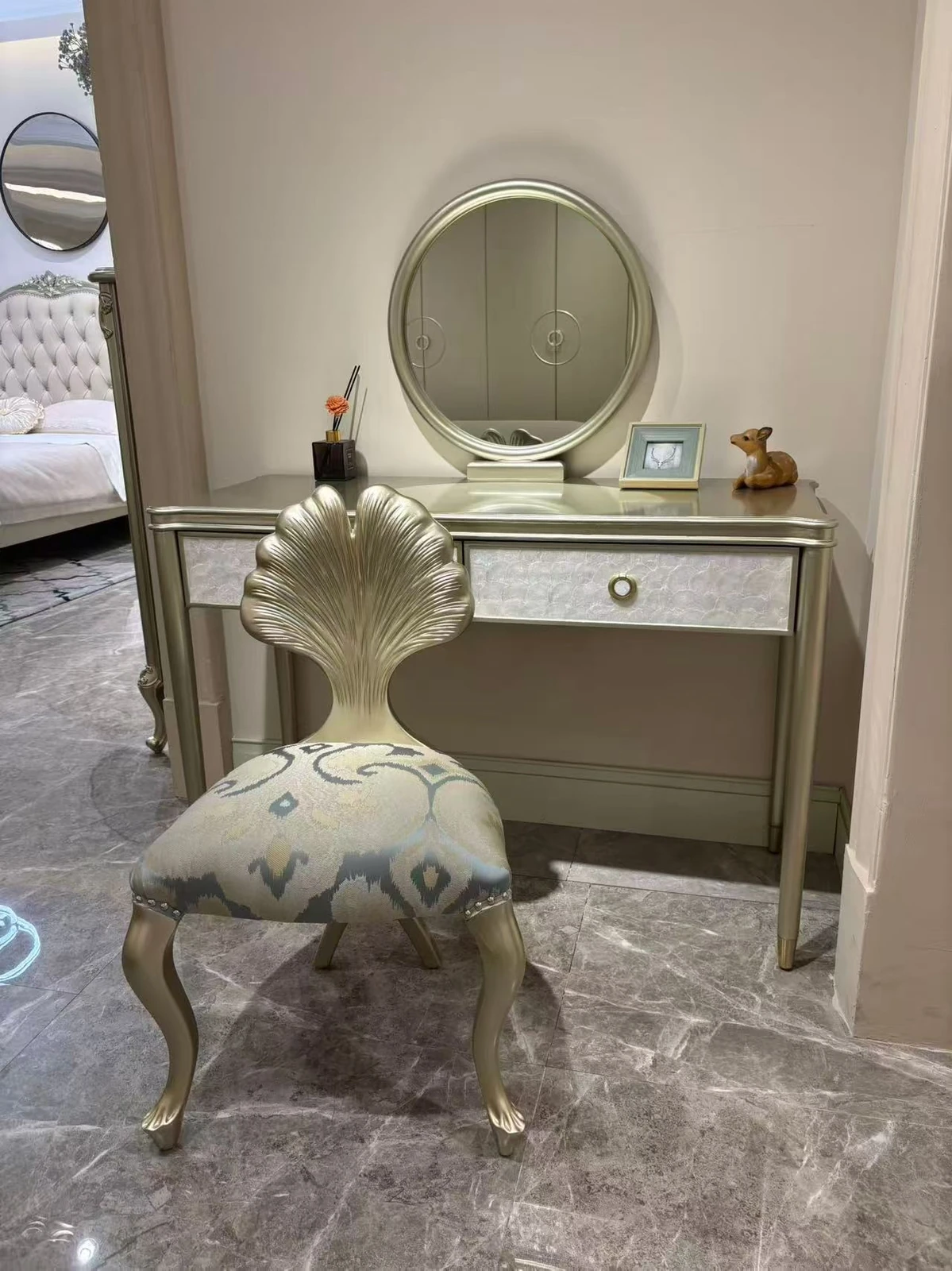
Article 2: Choosing Between a Standing and Fixed Desk
Health benefits of sit-stand desks are well documented, but the price gap is real. We compare motorised lifts, manual cranks, and budget-friendly alternatives.
Article 4: Solid Wood vs Laminate — What Lasts Longer?
Measure, Compare, Ask: Buying Your Home Office Desk
Before purchasing an office desk, measure your allocated space carefully — include width, depth, and ceiling height, plus walking clearance around the unit. Factor in your chair's footprint and any under-desk equipment such as CPU towers or drawers. Compare construction materials: solid timber, engineered wood, or metal frames — and note whether the surface resists warping in humid climates like Singapore, Malaysia, or Thailand. Check for ergonomic features including adjustable height, cable management ports, and stable leg design. Ask the seller about warranty coverage, assembly requirements, return policies, and whether the desk fits standard electrical outlets and internet connections. A thorough evaluation prevents costly mistakes.
What Makes a Quality Office Desk Last
A durable office desk begins with robust materials: solid hardwoods, powder-coated steel frames, and high-pressure laminates resist daily wear. Look for joinery like mortise-and-tenon or dovetails, reinforced corner blocks, and legs bolted securely into thick aprons. Avoid desks with particleboard cores that swell in humid climates, wobbly joints, thin veneers that peel, or insufficient weight ratings. In Southeast Asia’s heat, ensure seals are intact to prevent moisture damage. A well-made desk feels substantial, moves without creaking, and shows no gaps between components. Additionally, check drawer slides are full-extension with ball bearings, and the top resists flex under load.
Desk Needs Vary Across Asian Home Offices
Office desk requirements differ sharply across our region due to housing diversity and climate. Singaporean HDB residents typically need compact, space-efficient desks that fold or double as dining surfaces, given limited floor area. Malaysian homeowners, occupying everything from condo units to landed properties, often require larger standing desks accommodating both work and family presence in open-plan living. Japanese users prioritise minimalist, multi-functional designs suited to small apartments where every centimetre counts. Korean occupants in compact high-rise apartments seek vertical storage integration and slim-profile desks. Thai buyers contend with heat and humidity, favouring desks with ventilated materials and sturdy builds resistant to warping. Understanding your specific living context is essential when choosing a desk that truly fits your home and workflow.
What Buyers Really Ask Before Ordering an Office Desk
Before placing an order, buyers across Singapore, Malaysia, Japan, Korea and Thailand consistently ask the same five questions. First: does the tabletop size fit my room without blocking walkways or doors? They measure carefully and often request exact L×W×H dimensions in centimetres. Second: is the desk height-adjustable, and if so, what is the range? Standing-sit transitions matter for daily comfort. Third: what is the weight capacity? Buyers want to know if dual monitors and a laptop will sit safely without wobble. Fourth: how does cable management work? Exposed wires are a recurring complaint, so integrated trays or grommets are a must-have. Fifth: how long does assembly take and are tools included? Simple, tool-free setups win trust faster than complicated instructions.