Veneer vs Solid Wood Over 5 Years: What an Office Desk, Bed Frame and Wardrobe Actually Cost in Singapore
Last month I visited a friend who had just moved into a new 4-room HDB flat in Punggol. We sat on his brand-new sofa, leaned on the dining table, and opened his laptop on the home office desk he had built around the window. Everything looked coordinated, warm, and on-trend. By the third coffee, he told me the real story: two of the three pieces were veneer, and one was solid wood, and the price gap on day one was only about SGD 320. He asked the question I hear almost every week in our showroom: "Is solid wood actually worth it, or am I paying for a label?"
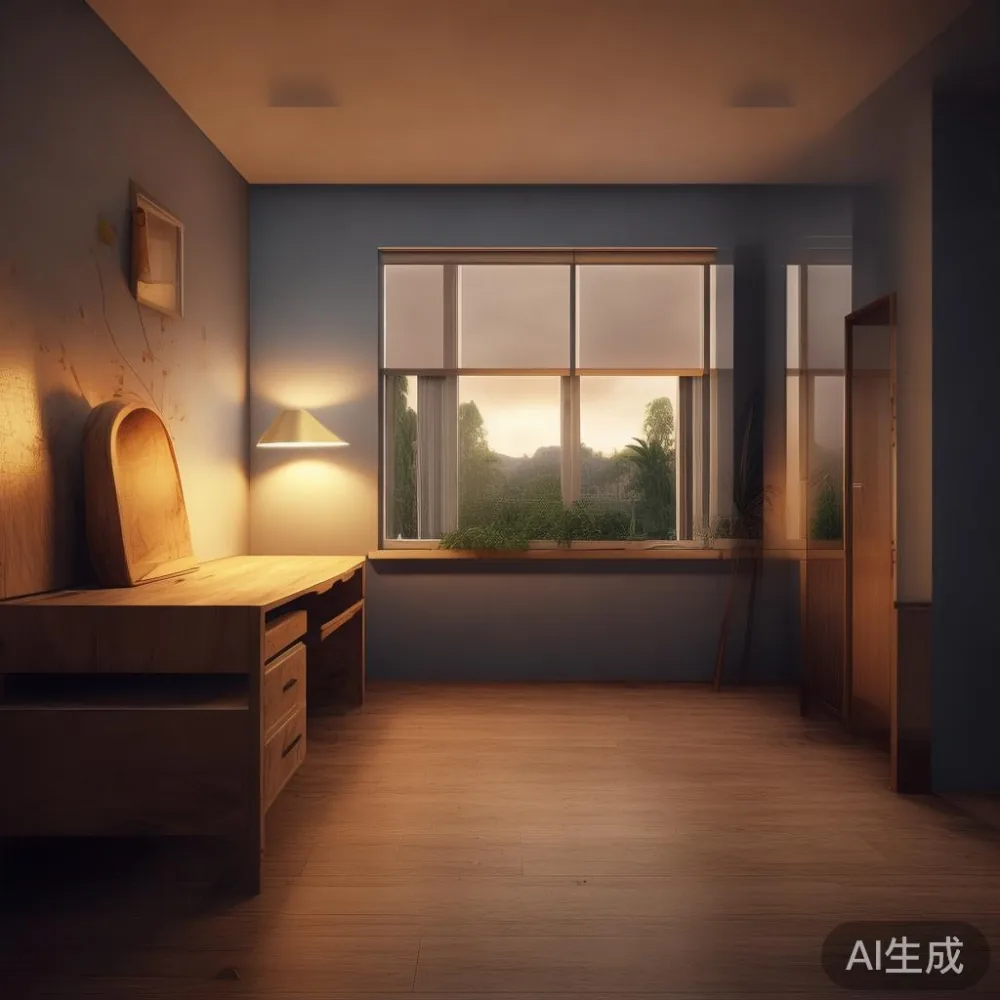
This article answers that question with numbers, not adjectives. We compare the true 5-year cost of veneer and solid wood across the pieces a typical Tampines or Bedok household actually buys: a sofa frame, a bed frame, a dining table, a wardrobe, a nightstand, a marble table accent piece, and the home office desk that anchors the work-from-home corner. We use SGD throughout, factor in Singapore's 9% GST, the realities of HDB lift sizes (commonly 1.1 m wide by 1.4 m deep for passenger lifts in newer BTOs, sometimes as narrow as 0.9 m in older blocks), narrow corridor turns, and what actually happens to furniture after five humid, air-conditioned years.
What does "veneer" actually mean on a Singapore furniture price tag?
Veneer is a real wood slice, usually 0.6 mm to 2 mm thick, glued onto a substrate such as MDF, plywood, or particleboard. Solid wood means the structural panels are cut from one piece of timber, typically ash, walnut, oak, beech, or rubberwood for the price-sensitive bracket. Both can look identical on day one. The difference shows up in year three, when the air-con cycle, afternoon thunderstorms, and a child using the home office desk as a climbing frame start testing the joints.
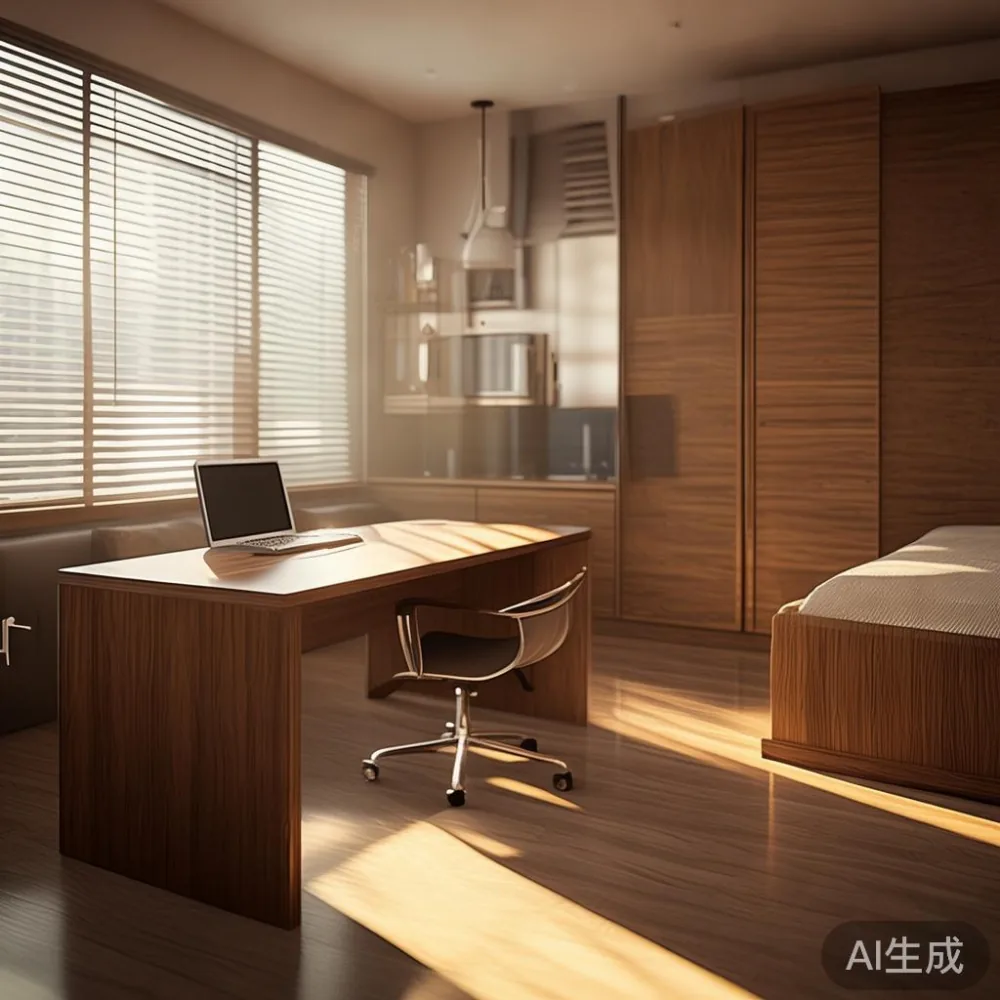
In our showroom on Foshan's industrial belt, we see two price bands. A 1.8 m veneer dining table with six chairs typically lands in Singapore between SGD 480 and SGD 720 delivered. The equivalent solid wood dining table, built in ash or walnut, sits between SGD 1,050 and SGD 1,650. That is a 1.7x to 2.3x multiple on day one. For a wardrobe, the multiple is 1.6 to 2.0x. For an office desk, the multiple is 1.4 to 1.8x because the top is the most expensive part.
How much does a typical HDB home actually spend on furniture in year one?
Let us build a realistic basket for a young couple moving into a 5-room BTO in Punggol. We will keep the furniture budget constant at SGD 7,800 across both scenarios, which forces a real trade-off rather than a fantasy comparison.
Veneer basket (SGD 7,800, before GST):
- 3-seater solid wood sofa frame with fabric upholstery: SGD 1,450
- Queen-size bed frame with two nightstands: SGD 1,350
- 2 m sliding-door wardrobe: SGD 1,650
- 1.6 m dining table with four chairs: SGD 980
- Home office desk 140 cm x 60 cm with cable tray: SGD 620
- Marble table accent piece for the entryway: SGD 540
- TV console 1.8 m: SGD 560
- Delivery to Singapore (3-bedroom HDB, no staircase carry): SGD 650
Solid wood basket (SGD 7,800, before GST):
- 3-seater solid wood sofa frame, fully timber, with French light luxury silhouette: SGD 2,150
- Queen-size solid wood bed frame: SGD 1,950
- 2 m solid wood wardrobe, post-modern light luxury profile: SGD 2,650
- 1.6 m solid wood dining table with four chairs: SGD 1,350
- Home office desk 140 cm x 60 cm, full ash: SGD 1,150
- Marble table with solid wood base: SGD 780
- TV console 1.8 m, solid ash: SGD 850
- Delivery to Singapore: SGD 720
- Refinishing reservation included
Note how the solid wood basket forces the couple to skip the upholstered sofa frame and pick a slimmer timber silhouette. That is a real choice, not a marketing trick. You do not get more furniture; you get longer-lasting furniture.
What goes wrong with veneer in years two through five?
This is where the comparison gets honest. Veneer is not a scam; it is a material choice with predictable failure modes. After five years in a Singapore HDB, I have catalogued these from customer reports and our own inspection visits:
- Edge chipping on the home office desk: the 0.6 mm veneer lip on the side that faces the chair starts to flake, exposing the yellow MDF underneath. Repair: not possible, only replace. Cost: SGD 420 to SGD 600 for a like-for-like 140 cm desk, plus SGD 80 delivery.
- Wardrobe door sagging: the 2 m sliding door, MDF core with 0.8 mm veneer skin, warps by 4 to 6 mm across the height because Singapore humidity swings between 55% (air-con room) and 85% (after a thunderstorm with windows ajar). The wardrobe still closes, but the seal line no longer meets. Repair: door replacement, SGD 380 to SGD 520 per door.
- Dining table heat ring: a hot pot stand leaves a white ring that no amount of coasters in year one prevented. Repair: professional refinish, SGD 180 to SGD 260 per top, but only if the substrate has not bubbled. If it has, the table is scrap.
- Sofa frame creak: the solid wood sofa frame, paradoxically, is the piece that holds up because the load-bearing parts are real timber. The problem is the side panels, which are veneer over MDF and start to separate at the corner blocks after 36 months.
Add these together for a realistic five-year veneer repair bill:
- Office desk replacement: SGD 500
- Wardrobe door replacement: SGD 450
- Dining table refinish or replace: SGD 220
- Sofa side panel repair: SGD 180
- Two nightstand tops replaced: SGD 160
That is SGD 1,510 of catch-up spending on a basket that already saved money on day one. None of these numbers include the opportunity cost of two weekends spent sourcing replacements.
What does solid wood actually cost over the same five years?
Solid wood does not fail the same way. It moves, it fades, and it dents, but it does not delaminate. In a Tampines condo I inspected last quarter, a 1.6 m solid ash dining table had survived a toddler, a cats-and-dogs period, and a move from a 3-room to a 5-room flat. The top showed patina, not failure. The owners had booked one professional refinish in year three for SGD 220 and one tightening of the bed frame joints for SGD 90 during a house move.
Realistic five-year solid wood maintenance bill:
- Dining table refinish once: SGD 220
- Bed frame joint tightening during move: SGD 90
- Wardrobe hinge oil and minor adjustment: SGD 40 (DIY with a screwdriver, but call it SGD 40 for honesty)
- Home office desk cable management upgrade: SGD 60
Total: SGD 410. The gap between the two five-year tails is SGD 1,100. That single line item is the entire answer to my friend's Punggol question.
It also explains why solid wood sofas, bed frames, and wardrobes hold 45 to 55 percent of resale value after five years on the local Carousell and Facebook Marketplace secondary market, while veneer equivalents typically resell at 10 to 20 percent of original. If you upgrade your HDB every five to seven years, as many Singapore couples do, the resale number quietly doubles your effective discount.
Does the delivery and access math change the answer?
Yes, and most blog posts ignore it. HDB lift and corridor access is a physical constraint that affects which furniture you can actually buy. A 2.4 m solid wood wardrobe panel will not enter a 1.1 m by 1.4 m lift, period. You will be quoted a crane hoist or a staircase carry of SGD 280 to SGD 450 per item, and your CORI might face out of policy if the Management Council restricts weekend hoisting.
This is where flat-pack solid wood, such as the knock-down joinery we build at MIDHILL, changes the math. Our 2 m wardrobe ships in three panels of 70 cm width, each under 30 kg, which clears every BTO lift built after 2015 and most older ones too. The home office desk ships in two boxes of 18 kg and 22 kg, manageable for a single delivery to a fifth-floor walk-up in Bedok without a service lift. The bed frame ships in four pieces under 25 kg each.
Veneer furniture, by contrast, often ships fully assembled because the substrate is light and the joints are cam-locks. A 1.8 m MDF TV console in one box can weigh 38 kg and measure 182 cm by 42 cm by 38 cm. That fits the lift but blocks the corridor turn on tight HDB floor plates. I watched a delivery team in Tampines take 35 minutes to maneuver such a console around a 90-degree corridor corner while the neighbour's groceries waited.
Which one holds up better to Singapore humidity?
Both materials react to humidity, but they react differently. Veneer over MDF swells at the edges and crumbles at the corners when the substrate absorbs moisture past its threshold. Solid wood moves across the grain, which means a 1.6 m solid wood dining table can vary between 1,598 mm and 1,604 mm across the year. That sounds alarming until you realize the apron and the legs are engineered with floating tenons that absorb the movement. The table stays flat; it just breathes.
Practical humidity guidance for Singapore HDB homes:
- Keep solid wood furniture at least 15 cm from the window if the window is opened daily for cross-ventilation.
- Run the air-con for at least two hours overnight in the room with the wardrobe to drop RH below 65 percent.
- Avoid placing the home office desk directly under a wall-mounted air-con outlet where cold drips can form.
- Use felt pads under vases on the marble table; trapped moisture under a coaster will mark even good sealant in 48 hours.
These are habits, not costs. They protect both materials, but they protect solid wood for decades while they only slow the inevitable on MDF-core veneer.
How do the two compare when you factor in warranty and refinishing?
Warranty terms matter in year one, but they matter more in year four when you actually file a claim. Most mass-market veneer suppliers in Singapore offer a 6 to 12 month structural warranty that excludes the substrate, the edges, and any piece that has been moved. That is a warranty that almost never pays out for the failure modes listed earlier.
At MIDHILL, the structural warranty on solid wood frames runs 10 years on joinery and load-bearing components, with lifetime refinishing offered on dining tables, bed frames, wardrobes, nightstands, and the home office desk category. Free shipping kicks in above US$ 350, which lands around SGD 470 at current rates, and returns are accepted within 14 days for stock pieces. For a buyer in Punggol ordering a full basket, shipping clears the threshold and refinishing reservation is a small line on the invoice that pays back in year three. None of this is advertising; it is a contractual difference that changes the 5-year math.
To convert the whole basket into a clean comparison:
- Day-one price gap in favor of veneer: SGD 320 (already absorbed by lower spec on sofa and dining table).
- Five-year repair gap in favor of solid wood: SGD 1,100.
- Five-year resale gap in favor of solid wood: SGD 1,400 to SGD 2,200 depending on condition.
- Five-year net position: solid wood is SGD 2,200 to SGD 3,000 ahead per household, before counting the saved weekends.
What about the design side, and what do buyers actually pick?
Design is where the two materials compete most closely. American light luxury styling, think slim oak frames, black metal accents, low-profile silhouettes, photographs identically in veneer and solid wood. Post-modern light luxury, with curved corners and softer volumes, also reads the same on day one. French light luxury, with cabriole-inspired sofa legs and brass-tipped nightstand pulls, looks warmer in solid wood because the grain telegraphs through the silhouette in a way veneer cannot fake.
For buyers outfitting a Singapore home, the typical split looks like this:
- Living room: veneer TV console, solid wood sofa frame or accent chair.
- Dining room: solid wood dining table (the working surface that takes the most abuse), veneer chairs if budget is tight.
- Bedroom: solid wood bed frame, veneer or solid wardrobe depending on budget, solid nightstands because they take nightly knocks.
- Home office: solid wood office desk (the surface under your hands all day, and the piece guests see during Zoom calls).
- Entryway: marble table with solid wood base, because the entryway is the first thing humidity and grit attack.
This hybrid approach is what most of our Punggol and Bedok clients end up with after one showroom visit and one honest conversation about budget. It is also the configuration that gets the most out of every dollar without sacrificing the surfaces that matter.
What should a first-time HDB buyer actually buy in solid wood?
If you can stretch to solid wood on only three pieces, make them the home office desk, the bed frame, and the dining table. Those three carry the most daily contact, the most weight, and the most visible wear. A wardrobe can be veneer if it is floor-to-ceiling with a tight seal, because the doors rarely see impact. A nightstand can be veneer if you commit to coasters. A TV console can be veneer because it rarely moves. The marble table, the dining chairs, and the entryway cabinet can flex with budget.
The pieces you sit on, sleep on, and work on are the pieces you should not cheap out on. That rule of thumb is the shortest answer I give to anyone who walks in asking the same Punggol question.
Is solid wood always worth the extra money in a Singapore HDB?
Not always. If you rent a room in a Punggol co-living space for two years and plan to leave with one行李箱, buy veneer, replace it, move on. If you are furnishing a five-room BTO where you plan to stay eight to ten years and possibly raise a child, solid wood is the cheaper choice by year five and the dramatically cheaper choice by year eight. The crossover point sits between year four and year five for most HDB households we have tracked, which is exactly the window this article focuses on.
What if I want European light luxury furniture in a small Singapore living room?
European light luxury for small living room layouts works in HDB flats if you stick to a 2.0 m sofa, an 80 cm marble table, and a slim 1.6 m TV console on a 90 cm wall. The trick is to keep the silhouette under 95 cm in depth so the walkway stays 90 cm or wider. For the bedroom, the European light luxury bed vs modern bed choice usually resolves in favor of a slim modern bed in 1.5 m rubberwood because the European silhouette needs 1.8 m of wall to read correctly. The wardrobe is where styling matters most, and you can find solid practical guides on how to style light luxury wardrobe in apartment layouts under 9 sqm by going vertical with a 2.4 m silhouette and 40 cm depth. If you want a guest room that reads softer, look up Modern light luxury for guest room configurations built around a 1.2 m daybed and a single nightstand, which clears most 7 sqm HDB study rooms.
Where can Singapore buyers see and touch the comparison before they decide?
Our Foshan workshop welcomes trade visitors by appointment, and we ship container loads to Singapore every six to eight weeks. Buyers can browse the full solid wood range, including the office desk category, dining tables, wardrobes, bed frames, and the solid wood sofa line, on our official channels. For quotes, custom sizes, or refinishing reservations, write to midhillco@gmail.com and our team responds within one working day. If you are scouting pieces for a coastal-themed second home or a Bali-facing condo, our quarterly catalogue lists pieces for sale Coastal furniture configurations in light oak and white-washed ash, finished for salt-air environments. And if you already own a European sofa and want it to read correctly in your HDB, our studio has published a short guide on how to style European sofa in apartment settings that come in under 20 sqm of living space, including the exact rug size, lamp height, and side table clearance that keep the proportions honest. The same guide repeats the trick on how to style European sofa in apartment layouts with structural columns, which is most of them in Singapore.
Bring a tape measure, a photo of your lift, and a list of the three pieces you touch every day. The rest of the basket can flex around them.