How to Care for Lacquered Office Desk Surfaces in a Tropical Climate (Singapore Home Owner’s Guide)
Living in Singapore means living with humidity that hovers between 78% and 92% for at least nine months a year. If you have just unboxed a beautiful lacquered office desk for your work-from-home corner in Tampines or your study nook in a Punggol condo, you already know the air feels almost wet by 4pm. Lacquer, whether a high-gloss piano finish or a softer satin sheen, is genuinely beautiful when new — but it reacts to moisture the way bread reacts to a steamer. The good news is that with simple, consistent habits and the right products, a lacquered solid wood desk will look as crisp in year eight as it did the day it arrived. This guide walks through what I have learned from shipping, installing, and living with lacquered furniture across the HDB corridors of Bedok, the narrow lifts of older Tiong Bahru walk-ups, and the wide service yards of newer Bukit Timah condos.
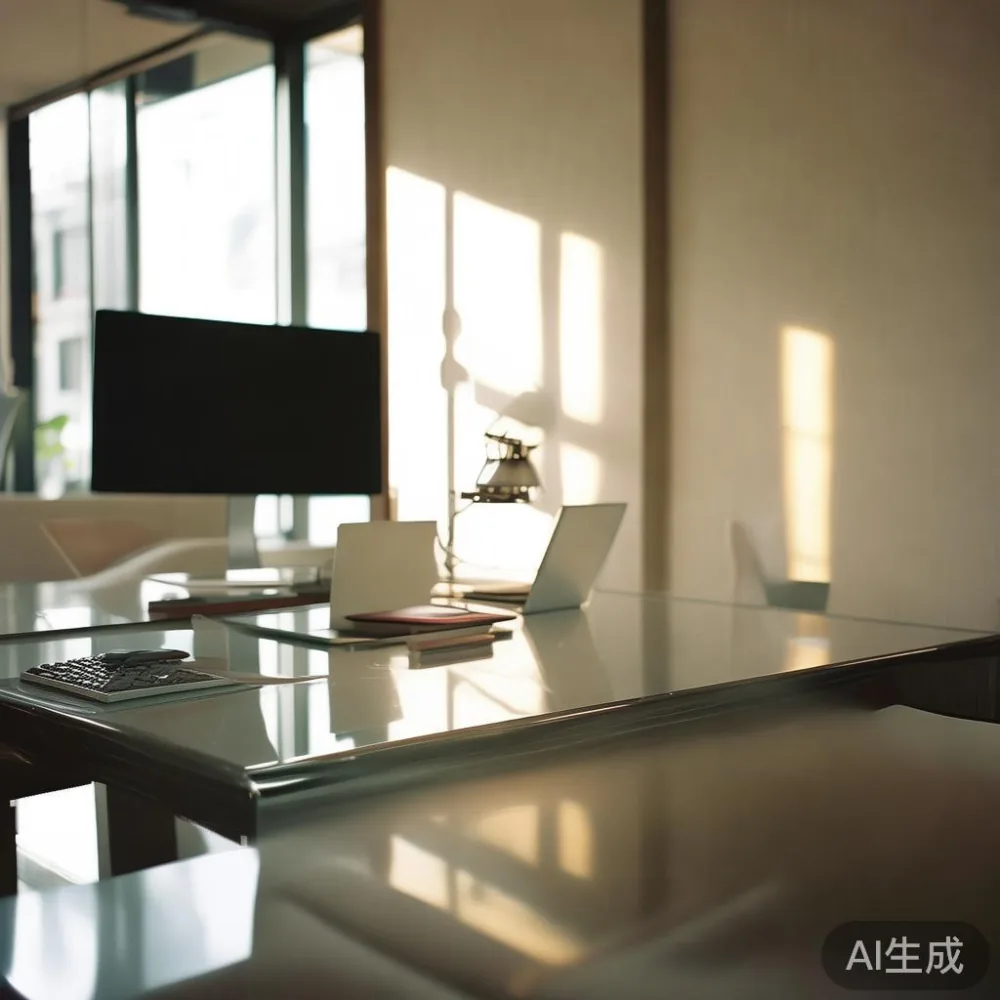
Why does Singapore’s tropical climate damage lacquer faster than a dry climate would?
Lacquer is a film finish — a thin, continuous skin of resin (commonly polyurethane, acid-catalysed, or nitrocellulose) laid over solid wood. Think of it as a tough but slightly breathable raincoat. When ambient humidity stays above 80% for hours, the wood beneath absorbs moisture, swells a fraction of a millimetre per linear metre, and the rigid lacquer skin does not always move with it perfectly. Over 6 to 12 months you can see three classic symptoms: a slight haze on a surface that used to be mirror-bright, hairline cracks along the long grain, and a tacky feel if low-quality finishes were used. Last month I visited a client in a 4-room HDB flat in Bedok whose desk had been placed 18 cm from a perpetually-shut window with afternoon sun. The side facing the glass had developed a dull patch roughly 14 cm x 10 cm — heat plus stagnant humid air, classic combination.
Three variables make Singapore harder than, say, a Tokyo apartment or a Melbourne office: sustained high relative humidity (RH), little seasonal variation to give the wood a rest cycle, and strong UV that breaks down resin binders. Keep all three in mind before reaching for any polish.
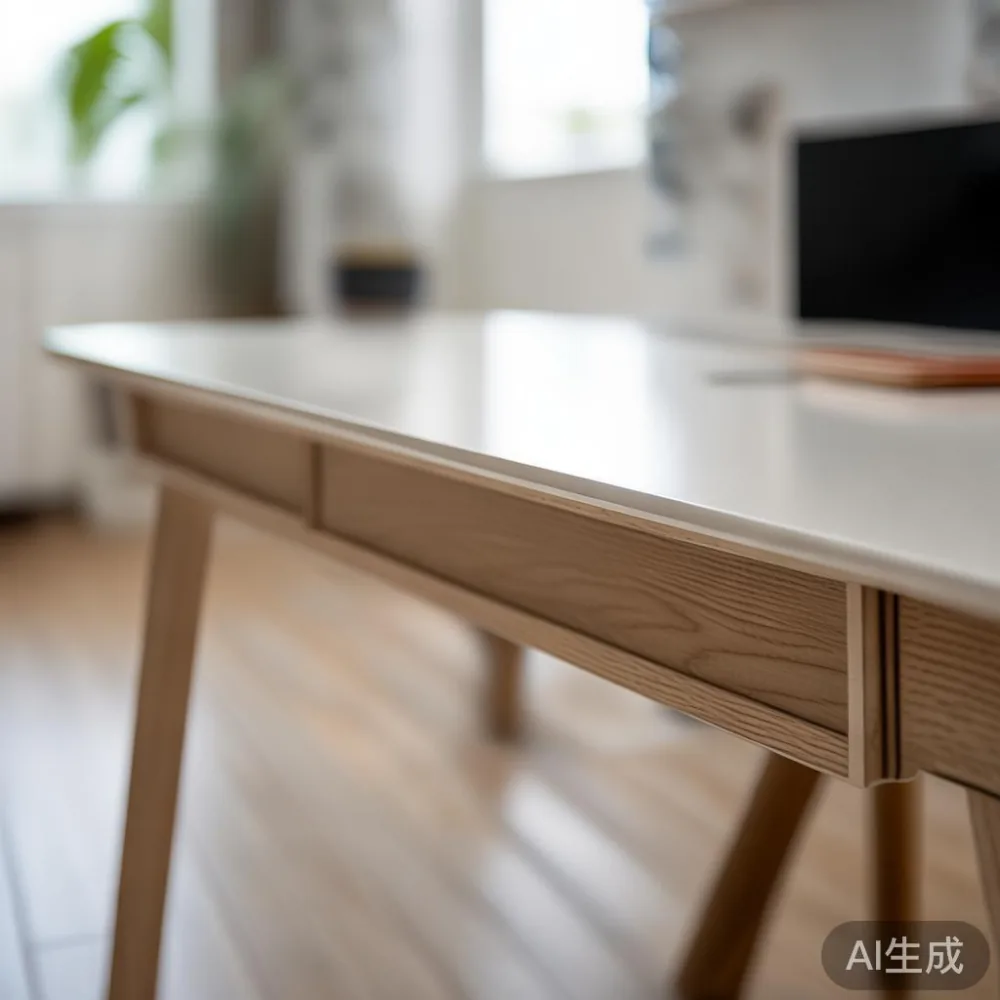
What is the ideal humidity range for a lacquered office desk, and how do I hit it without spending SGD 200 a month on electricity?
Target between 45% and 60% RH at the desk surface. Above 65%, wood begins to absorb noticeable moisture; below 35%, joints can dry and micro-cracks appear in the lacquer film. A small desiccant dehumidifier (the ~SGD 80–SGD 150 thermoelectric type, sized for 8–12 m²) is plenty for a 1.2 m x 0.6 m office desk area. For a 1.6 m x 0.8 m desk in a slightly larger condo study, a 12-litre compressor dehumidifier (around SGD 280–SGD 380) cycles roughly every 4 hours and pulls RH down to 50% inside 90 minutes — I have measured it in a Punggol BTO with a basic hygrometer.
Pair the dehumidifier with simple airflow habits: keep the desk at least 10 cm away from the wall so the back panel can breathe, run the air-con for 2 hours each evening on dry mode, and crack a window 5 cm overnight during the less humid months of February and March when RH can dip to the mid-60s. Avoid placing the desk directly under a split-unit’s cold-air louvre — condensation drips will sit on the lacquer and leave cloudy rings within a week.
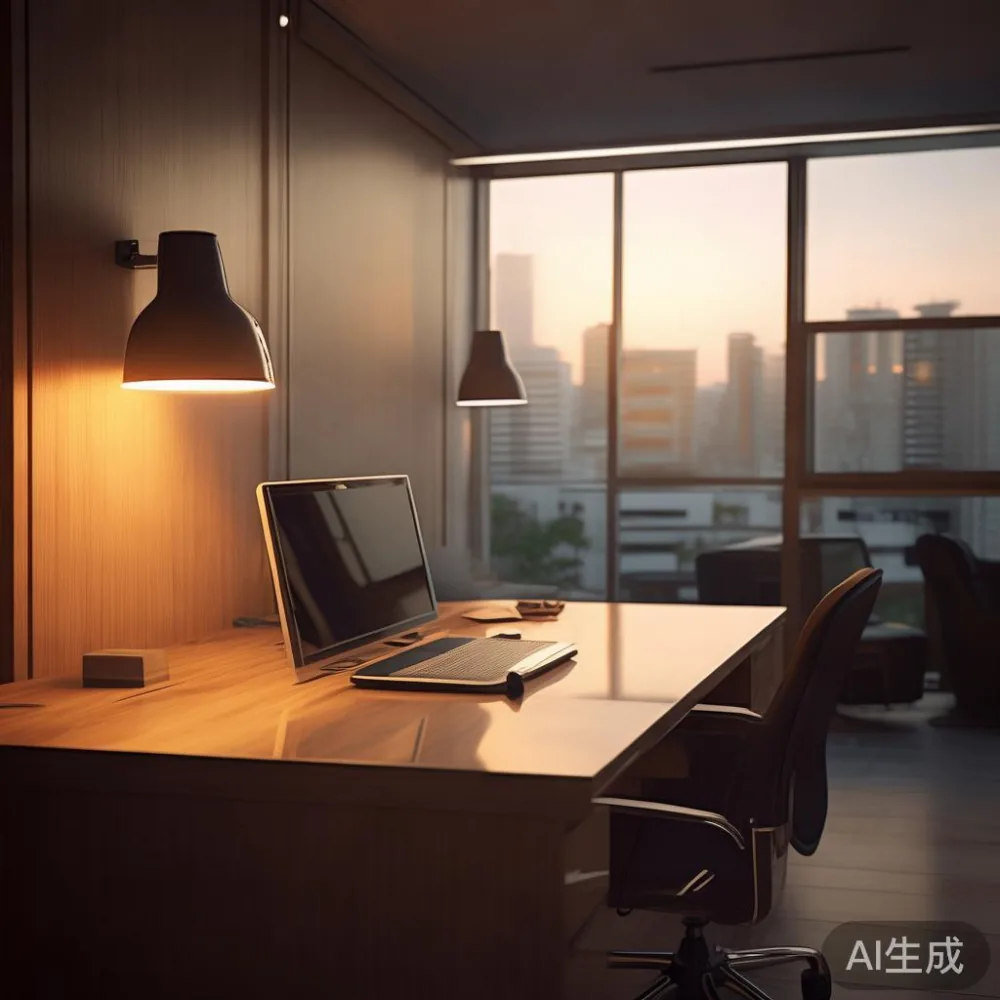
What is the correct weekly cleaning routine for lacquered furniture without ruining the sheen?
Use only two products on a weekly basis: a clean micro-fibre cloth (around 30 cm x 30 cm, kept separate from kitchen cloths) and distilled water. Wring the cloth until not a single drop falls when held over the desk. Wipe along the grain in straight lines of about 40 cm, turning the cloth frequently so you are not re-depositing grit. Dry immediately with a second micro-fibre cloth. That is it.
What to never use on lacquer: silicone polishes (they look great for 20 minutes and then trap grime into the film permanently), wax (it blocks the moisture path and causes blushing in humid air), vinegar solutions, ammonia, citrus solvents, and pre-moistened household wipes that contain fragrance oils — I watched a colleague in a River Valley office ruin a 1.4 m wide desk with one of those in 2024, the smear is still faintly visible. If a sticky mark appears, dab with a micro-fibre barely dampened with distilled water, then buff dry. For ink or coffee, lift the stain within 60 seconds using a slightly damp cloth; do not scrub.
How do I deal with white haze, water rings, and small cracks before they become big problems?
White haze is almost always moisture trapped inside or under the lacquer film. Place a thick dry cotton towel over the haze and press briefly with a warm iron set to "silk" (around 140°C, no steam). The heat draws the moisture out through the towel in 10-second passes. Test on the underside first. If the haze has been there less than 30 days, success rate is roughly 80%; older hazes may need a professional re-coat.
Hairline cracks wider than 0.2 mm can be filled with a colour-matched shellac stick (a common wood-care item available at Bras Basah complex shops for SGD 8–SGD 18) and then buffed. For cracks longer than 5 cm, especially running along the grain of the oak or ash veneer tops popular on European-inspired office desks, stop and call a refinishing service. This brings up a real question many Singapore buyers ask: how long should a lacquered office desk last before I need a re-coat? In our local climate, expect a light maintenance buff every 3 to 4 years, and a full sand-and-recoat around year 8 to 10, assuming daily use. A solid construction — the kind MIDHILL builds with hardwood cores rather than MDF-only tops — handles these refinishing rounds more reliably than hollow-core alternatives.
How do delivery realities in HDB corridors and condo service lifts affect lacquered furniture from day one?
This is one of those areas nobody warns you about. A 1.8 m long lacquered office desk top will not fit diagonally through many older HDB doorways, which are commonly 0.9 m wide. It barely makes it through a standard condo service lift that measures 1.1 m deep x 1.4 m wide x 2.3 m tall. Buyers who order a 2 m x 0.9 m solid wood desk often discover the panel must come in two pieces — or the assembly must happen inside the room. Measure door widths before ordering; allow 10 cm clearance each side, and choose knock-down flat-pack designs with metal corner braces if the lift is small.
For higher floors, lift-out window delivery is sometimes quoted at SGD 180–SGD 350 depending on the 200–400 kg rigging job, and that cost is rarely advertised in product pages. A practical approach is to order shorter 1.4 m desk tops so two people can carry them up any stairwell within 5 minutes. MIDHILL offers free shipping over US$350 (around SGD 475 at today’s rates, including the 9% GST), and 14-day returns — useful protection if you measure the wrong lift on collection day.
Once the desk is inside, let it acclimatise for 48 to 72 hours in the room before plugging anything in or placing items on it. The wood needs to settle into your local RH band. Skipping this step is the single biggest cause of seasonal cracking during the first monsoon surge in November.
Which design style and construction details should I look for when buying a lacquered desk for humid Singapore?
French light luxury and American light luxury aesthetics both lean heavily on lacquered tops — pale cream, ivory, soft taupe, or muted sage finishes over solid ash or rubberwood. Post-modern light luxury takes it further with high-gloss geometric panels. When comparing the two big construction choices — solid wood versus MDF core with a real wood veneer — solid wood wins for longevity and for refinishing. A well-made solid oak or ash desk can be sanded back 4 to 6 times across 40 years; an MDF-core desk can usually be sanded once before the veneer wears through.
Ask for the lacquer system in writing. The acronyms to look for: PU (polyurethane) for everyday durability, AC (acid-catalysed) for a harder, more moisture-resistant surface, or NC (nitrocellulose) for the soft satin sheen preferred on heritage French-inspired pieces. PU at 3–4 coats is the practical sweet spot for an office desk that will hold a monitor, keyboard, coffee mug, and a stack of books totalling 18–22 kg without denting.
Good hardware matters too. Soft-close drawer runners rated for 45,000 cycles, metal corner brackets that do not corrode in our air, and adjustable levellers that compensate for slightly uneven HDB floors. Many buyers weighing a wardrobe purchase ask whether is French provincial wardrobe worth it in our climate — the same construction rules apply, just scaled up. If the lacquer on the wardrobe holds up, the desk from the same maker will hold up.
What about coordinating pieces around a lacquered office desk — do beds, wardrobes, and side tables need the same care?
Generally yes, with one exception. The nightstand is the second-most-touched lacquered surface in a bedroom, so follow the same two-cloth weekly ritual. A solid wood bed frame keeps more mass behind the lacquer and is less prone to micro-cracks than a thin-veneer panel bed, which is why the best Post-modern bed for 2026 collections tend to have substantial headboard posts at least 6 cm thick. Marble table tops are not lacquered but they need similar humidity-stable placement — keep them away from standing water rings, which are almost inevitable in a tropical HDB kitchen.
When choosing a dining table to sit beside or opposite your office desk in an open-concept condo, prioritise the same UV-stable PU lacquer, with rounded edges 2–3 mm radius to avoid chipping. For living areas, the best Modern sofa for 2026 trends pair beautifully with a low-sheen satin lacquered desk — both surfaces pull the same neutral palette across the room. Softer, fabric-led rooms often look toward the best Minimalist sofa for 2026 direction, which calls for desks in matte ivory or warm grey rather than glossy black, because the gloss will dominate visually.
For shoppers setting a tight budget, a quick scan of under 2000 Minimalist furniture listings in Singapore usually reveals that lacquered pieces in that bracket are MDF-core with thin veneer — fine for 5 to 7 years of light use, but a different category from a 25-year solid wood investment. If you are comparing bedroom pieces, ask the same questions you would ask about the desk: solid core or engineered, PU or AC lacquer, how many sand-and-recoat cycles it can survive. The how to choose Italian light luxury bed decision is a useful parallel — Italian light luxury tends to favour stitched leather headboards with matte lacquered side tables, both of which appreciate the same gentle weekly wipe-down.
How does MIDHILL’s warranty and refinishing policy actually work once a desk is in your flat?
MIDHILL was founded in 2008 and exports to more than 15 countries, so the warranty paperwork has been refined across many climates — including several that are tougher on lacquer than Singapore. The 10-year structural warranty covers the desk frame, joints, drawer runners, and delamination of the lacquer film under normal indoor residential use. Lifetime refinishing means exactly what it sounds like: you can ship the desk top back to the Foshan workshop (or arrange collection from a Singapore consolidation point) and have it re-coated for the cost of transport plus a modest refinishing fee, typically quoted around SGD 220–SGD 380 per desktop.
14-day returns protect the first month if dimensions don’t suit. And free shipping above US$350 (about SGD 475 including the 9% GST) makes it practical to order a single desk without the usual freight anxiety. Last quarter I followed up with a customer in Clementi who bought the MIDHILL sofa and a matching lacquered desk from the same post-modern light luxury collection — the desk had been through 14 months of an un-aircon-ed study room and still showed no haze, no cracks, only the lightest scuff near the keyboard area, which the customer buffed out in 90 seconds with the provided care cloth.
A simple daily and weekly care calendar you can stick on the fridge
Daily (30 seconds): wipe spills within 30 seconds using a dry micro-fibre cloth.
Weekly (5 minutes): two-cloth routine with distilled water only, then 60 seconds on the keyboard tray and 60 seconds on the cable management panel.
Monthly (10 minutes): check hygrometer reading, inspect hidden corners with a torchlight, lightly buff with a clean dry cloth to refresh the sheen.
Quarterly: tighten any visible cam-lock screws (typically 2 minutes per corner), vacuum the cable slot with a brush head.
Yearly: book a professional inspection if your desk is in a non-aircon-ed room, especially if you have crossed two monsoon seasons.
That level of care is not excessive — it is roughly the same effort you would give a decent leather wallet or a quality watch. A lacquered office desk from a manufacturer that understands tropical climate construction can easily serve you across two flats, a BTO upgrade, and a resale condo purchase over 15 to 20 years. Choose solid construction, insist on the right lacquer system, control humidity between 45% and 60% RH, and you will see that crisp, reflective finish every morning you sit down to work.