How Humidity Affects Solid Wood Furniture in Singapore
Humidity is one of the quiet forces shaping solid wood furniture in Southeast Asia. In Singapore, wood can absorb moisture in a humid HDB flat, lose it in an air-conditioned condo, and react again during monsoon afternoons. Those repeated cycles may cause an office desk to develop small movements, joint changes, surface marks, or finish-related defects that are easy to overlook until they become visible.
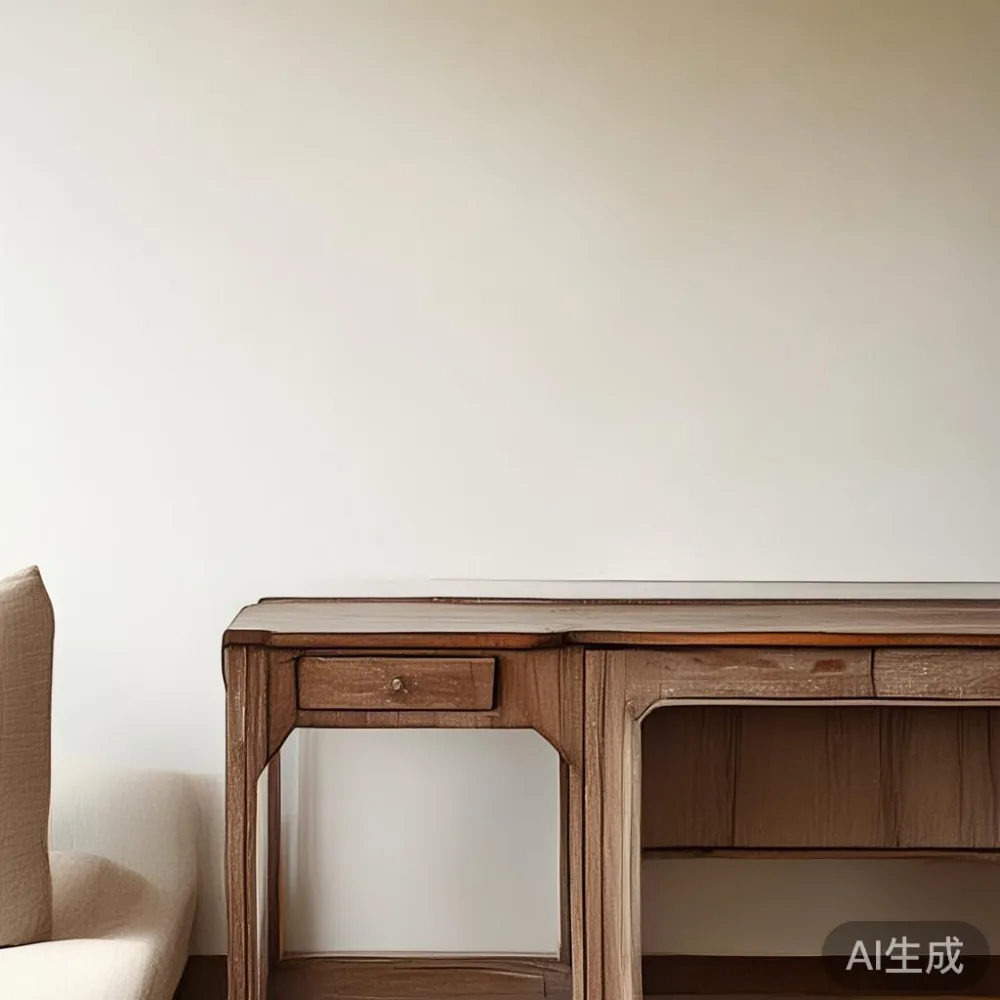
Singapore’s tropical conditions make careful material selection and responsible indoor care more important than decorative ideas alone. For MIDHILL, a Foshan solid wood furniture maker established in 2008 and exporting to more than 15 countries, durability means accounting for the climate, not simply promising a fixed lifespan. The company provides a 10-year structural warranty, lifetime refinishing, free shipping over US$350, and a 14-day return window, although furniture should still be protected from excessive moisture.
This guide focuses on office desks and the solid wood pieces that share the same living environment: a solid wood sofa, bed frame, dining table, wardrobe, nightstand, and marble table. The aim is to give Singapore households and offices a practical understanding of humidity, with measurements in relative humidity, centimetres, kilograms, degrees Celsius, and Singapore dollars.
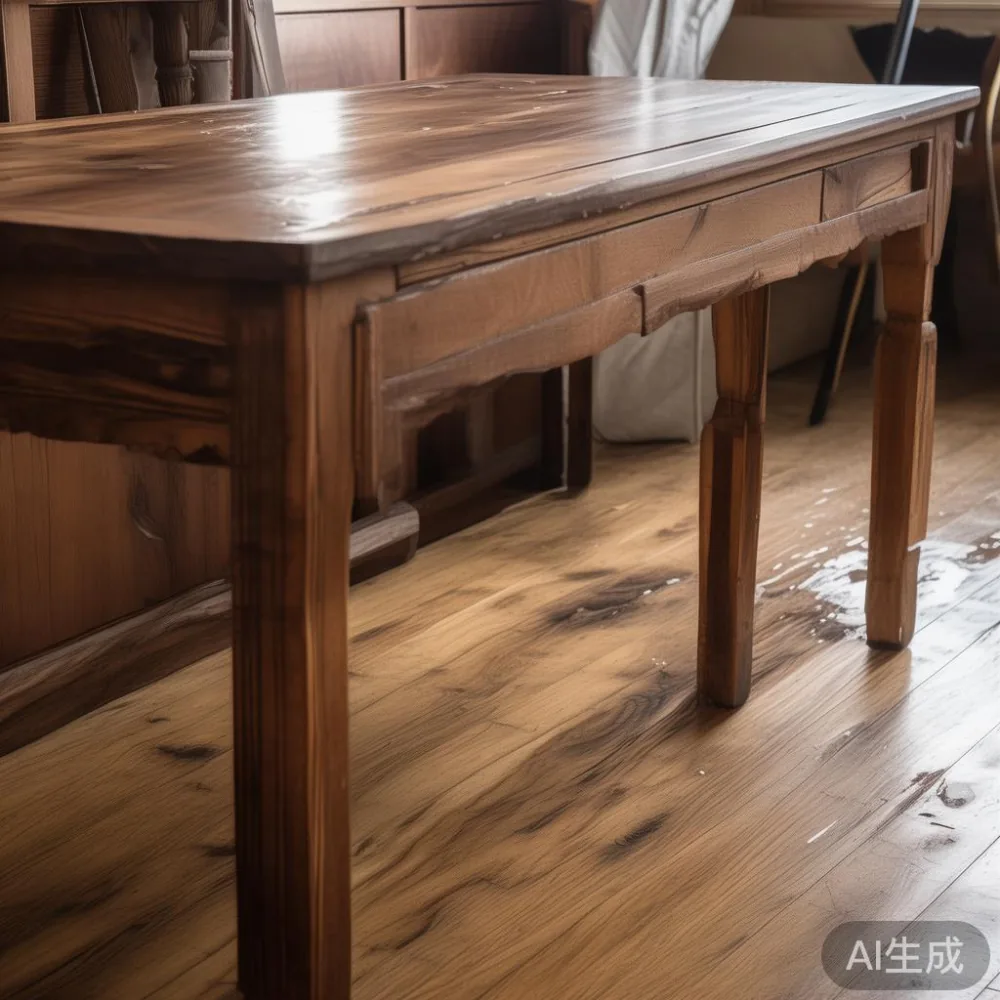
Why does humidity affect solid wood furniture in Singapore?
Wood is hygroscopic. It naturally exchanges water vapour with the surrounding air, so its dimensions can change as relative humidity rises and falls. A solid oak desk 160 cm wide and 75 cm high may expand or contract slightly across its grain. The movement is usually modest, but repeated fluctuation can stress screws, loosen drawer runners, open joints, or reveal fine cracks beneath a finish.
Singapore’s average relative humidity commonly sits around 70–85%, especially during wet periods and at night. An air-conditioned room may fall to 40–55%, while a flat near the coast or an office with poor ventilation can exceed 85%. The problem is not one stable humidity level; it is frequent movement between levels. For example, a desk may be at 82% humidity in a Tampines HDB flat at 7 p.m., then 48% after air conditioning runs overnight at 22°C.
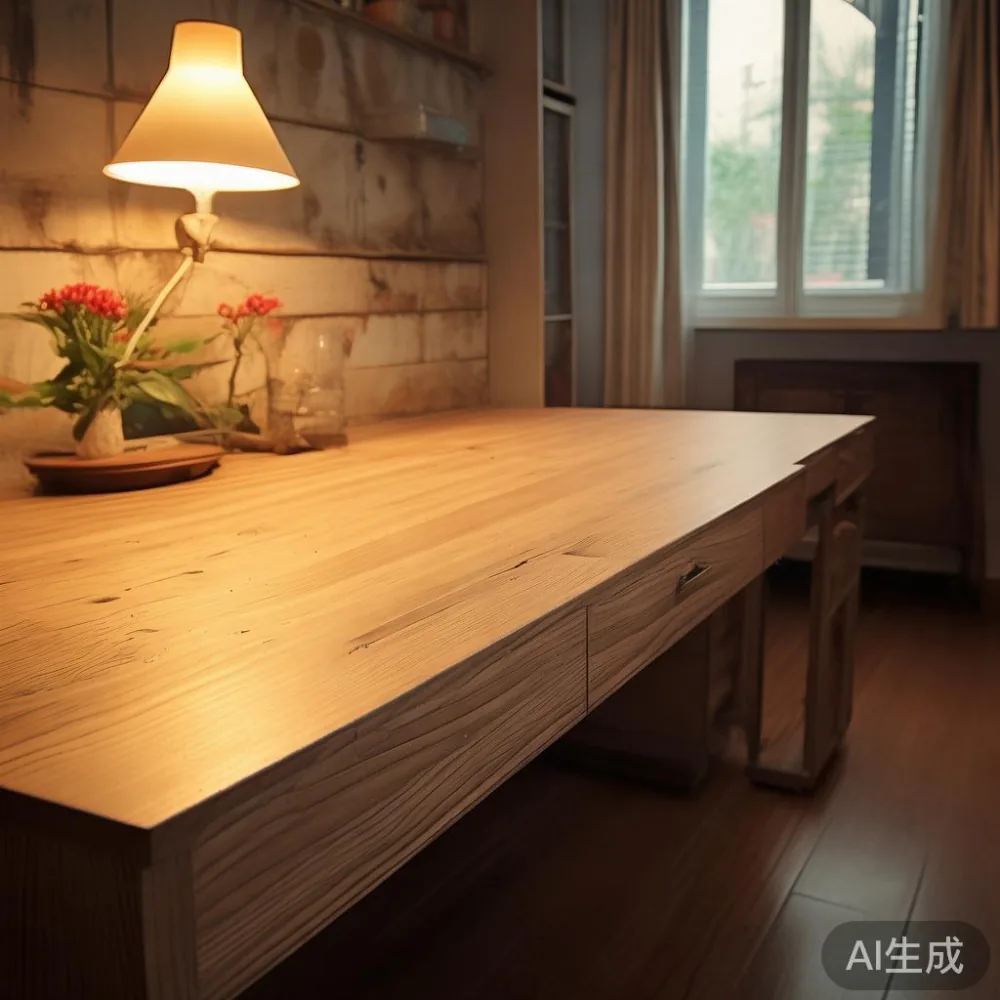
The location of a home matters. Bedok and Tampines units can experience warm, humid air entering corridors and common areas, while Punggol and newer condo interiors often combine tightly sealed rooms with strong cooling. A marble table is less vulnerable to dimensional movement than solid wood, but its metal supports and surrounding cabinetry can still react to moisture. A wardrobe may show door alignment issues, and a bed frame may move slightly as its components exchange moisture.
How much humidity is safe for an office desk?
For most solid wood office desks, a relative humidity range of approximately 45–65% is a useful everyday target. Brief seasonal periods outside that range are generally less concerning than repeated swings of 20 percentage points or more within a day. Keep the desk away from air-conditioner outlets, bathroom doorways, open windows during heavy rain, and direct sunlight.
Use a calibrated hygrometer rather than guessing. Place one near the desk, not directly against a wall or in a bathroom, and record readings at 8 a.m. and 8 p.m. for 7 days. If the readings move consistently from 40% to 80%, consider improving control rather than repeatedly applying wax or oil. A small USB humidity controller and a modest dehumidifier may cost about SGD 35–120 for a bedroom or study, depending on capacity.
Do not aim to make a HDB flat feel like a cold storage room. Constantly forcing air below 40% can cause wood to contract and may create static problems. The more practical approach is stability: aim for readings that usually remain between 45% and 65%, with gradual adjustments over 24–48 hours.
What should I do before placing an office desk in a humid room?
Allow new solid wood furniture to acclimatise before assembly or heavy use. Keep the desk in its packaging in the intended room for 48–72 hours if possible. Remove plastic only after the wood has adjusted to the room’s conditions, and leave adequate space around the piece for ventilation. Do not place a desk directly against a cold exterior wall in a Punggol condo or against a damp common corridor wall in an older Bedok flat.
For compact Singapore interiors, lift access and corridor dimensions should also be planned before delivery. Measure the office desk carton, the lift car, doorways, turning points, and the corridor from the loading point. A standard office desk carton may be 170 × 85 × 20 cm, while a 160 cm desk can weigh 45–70 kg depending on timber and construction. A 180 cm lift car may accommodate a smaller carton more easily than a 200 cm model with fixed panels.
Check the route from the service lobby to the unit. Remove doors only when permitted, protect the corridor with cardboard or a reusable floor covering, and arrange for at least 2 people if the desk exceeds 50 kg. Measure the study doorway at 82–90 cm in many HDB layouts and confirm the actual clear opening rather than relying on nominal dimensions. An office desk that cannot enter the lift may need to be disassembled, so confirm the tabletop, legs, and hardware can be separated before ordering.
Consider a narrower 120–140 cm office desk for a compact study, or a 150 cm model with a sliding drawer mechanism if storage is required. A lifted desk may weigh 28–42 kg, but a stationary timber desk can weigh 45–75 kg. The heavier construction should not be mistaken for better moisture performance; joinery, finish quality, and climate control all matter.
How do I prevent mould, swelling, and finish damage?
Control moisture first and clean the surface gently. Wipe a solid wood office desk with a soft, slightly damp cloth, then dry it immediately. Avoid soaking the top, spraying cleaner directly onto the wood, or leaving rings, pens, coasters, and laptop vents trapping moisture against the finish. Coasters should be at least 5 cm from a glass of water, and a desk mat can create a useful barrier.
For routine care, use a pH-neutral wood cleaner and apply it to the cloth rather than the furniture. Test an inconspicuous 5 × 5 cm area and wait 24 hours. Strong household cleaners, bleach, ammonia, silicone, and abrasive pads can damage both the coating and the wood fibres underneath.
Solid wood sofa cushions, a solid wood bed frame, and a dining table should receive similar protection, although fabric and marble require different methods. Keep upholstered pieces at least 30 cm from a wall where ventilation permits. Dry a marble table rather than using acidic cleaners on its surface. For a nightstand, avoid placing damp laundry, towels, or a humid CPAP-like device on the top; use a tray with raised edges and clear 10 cm beneath the unit.
Inspect moving parts every 3 months. Tighten a loose screw only if the joint is not already compressed, and do not force a swollen drawer. Apply wax or oil according to the product instructions, usually no more than once every 6–12 months. During humid months, a light application can help slow moisture uptake, but excess product may create an uneven finish.
Is a solid wood office desk safer than engineered wood in humid conditions?
Solid wood is not immune to humidity, but a well-built solid timber office desk can offer clear advantages over many engineered panels because thick boards generally move more slowly than particleboard or fibreboard. The edges and surface can remain stable for refinishing, while quality mortise-and-tenon or dowelled joints can be maintained. However, MDF, plywood, and veneer desks vary widely, and a sealed engineered product may perform well if its edges and faces are protected.
Solid wood furniture also suits several design references without sounding excessive. American light luxury works well through pale oak, walnut accents, clean profiles, and restrained hardware. French light luxury may use a carved edge, curved drawer front, or upholstered writing chair. Post-modern light luxury can combine simple geometry with a contrasting timber detail. None removes the need for environmental control.
For shoppers comparing forms, under 2000 Modern furniture is useful as a broad reference for scale and finish, while the best light luxury sofa for 2026 points to the continued interest in tactile timber frames and quiet upholstery. The best light luxury sofa for 2026 should still be judged by frame construction, cushion quality, and moisture care rather than a trend label alone. A Japanese bed vs Mid-century modern bed comparison often focuses on visual character, but both need stable indoor conditions.
Likewise, top 10 Vintage furniture guides can help with shape and patina, while modern Modern light luxury furniture collections show why restrained details age more gracefully. For a bed, the best Modern bed for 2026 should include solid wood support where requested and a sound centre rail system, not merely a slim silhouette. Those phrases belong in a wider design discussion; they do not change the physics of moisture movement.
How should an office desk be moved and delivered?
Humidity can increase the risk of damage during a rushed move, particularly if a desk is carried through a warm corridor and immediately placed beside an air-conditioner outlet. MIDHILL offers free shipping over US$350, yet the recipient should still confirm access details, carton dimensions, lift limits, and assembly requirements. Delivery timing matters: ask for a 2–4 hour arrival window and avoid the 3 p.m. afternoon downpour when the loading area is wet.
For a self-move, empty the drawers, remove detachable shelves, photograph the assembly, and protect the finish with a clean moving blanket. Use 2–4 people for a desk weighing more than 50 kg. Do not drag the office desk across a tiled corridor; lift it with padded straps and keep the underside clear of standing water. A trolley rated for at least 100 kg is preferable for a route involving ramps.
After arrival, let the desk rest for 24 hours before attaching monitors or tightly positioning a chair. Check the level with a 30 cm spirit level and adjust the feet by no more than 3 mm at a time. Place a 2–3 mm felt pad beneath each leg to reduce vibration and small lateral movement. These details are less dramatic than a new finish, but they help protect joints over years of daily use.
What if the wood has already changed in shape?
Start by measuring rather than assuming. Record the desk’s width, depth, height, drawer gaps, and relative humidity. A movement of 1–2 mm across a 120 cm board may reflect normal seasonal response, especially when conditions have recently changed. Deep splits, soft spots, mould growth, or a joint opening by more than 5 mm deserve closer attention.
Never sand or oil a moulded area before identifying the cause. Isolate the desk from damp walls and textiles, improve ventilation, and reduce excessive moisture. If the drawer catches, remove its contents and avoid forcing it. A reversible adjustment to the runner may be possible, but screws should not simply be tightened into swollen timber.
Contact the supplier with photographs, measurements, room humidity readings, and the purchase details. MIDHILL’s 10-year structural warranty addresses eligible structural concerns, while lifetime refinishing can support appropriate surface renewal. The 14-day return window offers an early route for a significant issue, subject to the stated conditions. In Singapore, product information should also clearly state any GST treatment; displayed prices commonly include GST, but delivery and optional services should be verified before payment.
For larger projects, request the timber species, finish type, moisture expectation, assembly method, and care instructions in writing. A dining table or bed frame may need a different support arrangement from an office desk. A wardrobe should be fixed or anchored according to the wall and floor conditions, while a nightstand should have enough clearance for its back to breathe. A solid wood sofa should have its frame and cushions handled separately during delivery, and a marble table needs edge protection and level support.
What humidity-control routine suits a Singapore home?
A useful routine combines measurement, spacing, and inspection. Check the hygrometer at 8 a.m. and 8 p.m. every month. Keep the office desk 20–30 cm from a damp wall where possible, 60 cm from an air-conditioner outlet, and out of direct afternoon sun. Wipe surfaces weekly, inspect joints every 3 months, and renew the finish every 6–12 months if the manufacturer recommends it.
In a typical HDB flat, ventilation and a modest dehumidifier may be enough for a study. In a high-rise condo, the building’s cooling system may already control humidity well, but sealed rooms can still swing sharply during the first 20 minutes after air conditioning starts. Open a door gradually, avoid abrupt temperature changes, and allow larger furniture to acclimatise.
Humidity does not make solid wood furniture unusable in Singapore. It does make responsible placement and regular care part of the ownership experience. Stable conditions, protected surfaces, sound joinery, and a realistic maintenance schedule help an office desk retain its proportions and appearance across several humid seasons. The same discipline protects a dining table, wardrobe, bed frame, nightstand, solid wood sofa, and marble table for long-term use.