How Southeast Asian Humidity Affects Solid Wood Office Desks in Singapore Homes
Singapore’s tropical climate can change the dimensions, finish and appearance of solid wood furniture. For an office desk, the effect is particularly noticeable because timber expands when it absorbs moisture and contracts as the surrounding air dries. A desk that feels fine in a dry bedroom at 22°C may develop tighter drawer runners or gaps along a joint when it moves into a cooler living room at 27°C. Understanding that movement helps Singapore buyers choose furniture that remains comfortable, stable and visually consistent in HDB flats and condos across Tampines, Bedok and Punggol.
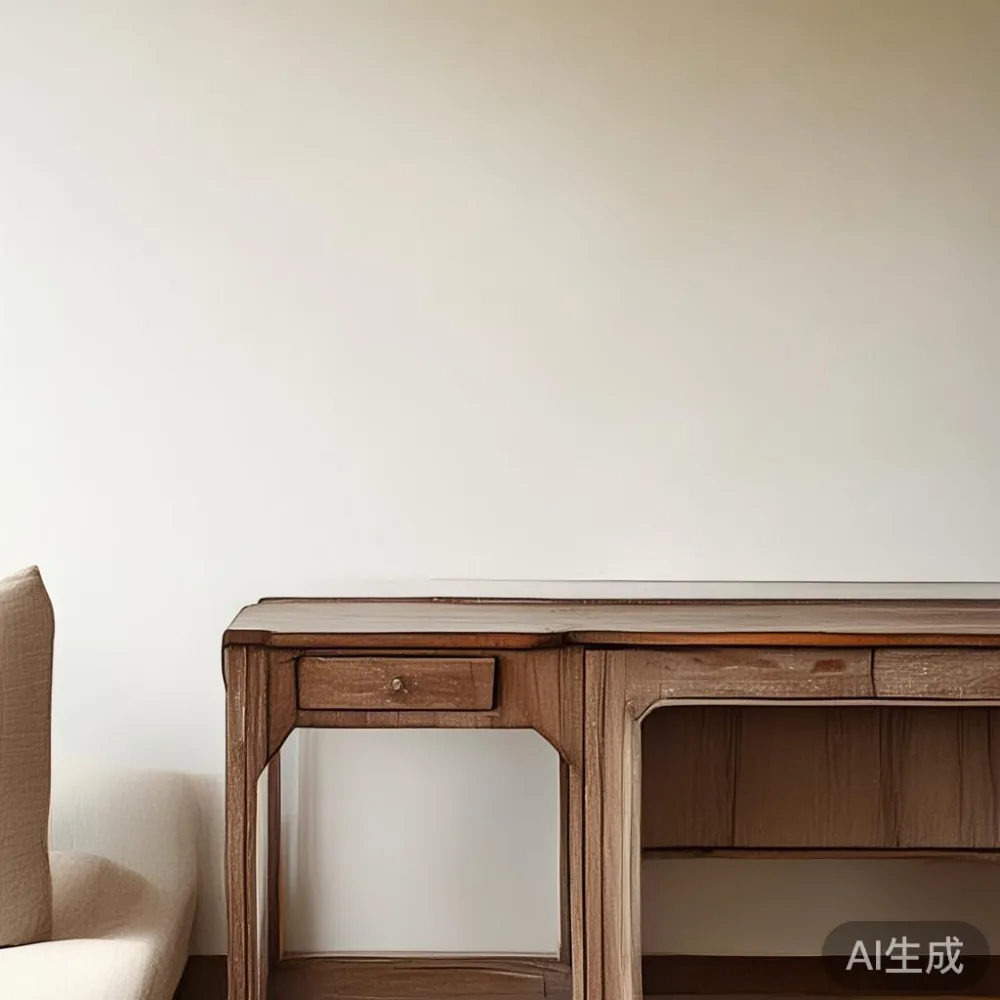
Humidity does not mean solid wood is unsuitable here. Properly kiln-dried timber, sound joinery and a protective finish can support everyday use in a Singapore interior. The point is control: compare moisture levels, provide airflow, clean spills promptly and avoid exaggerated claims of resistance. MIDHILL uses solid wood construction for its office desk range and supports it with a 10-year structural warranty, while lifetime refinishing makes future care more practical.
Why does humidity change a solid wood office desk?
Wood is hygroscopic, which means it exchanges moisture with the surrounding air. Its cell walls swell when relative humidity rises and shrink when humidity falls. The movement is small in any one direction but can create measurable changes across a 160 cm-wide desktop or a 45 cm-tall frame. During a humid afternoon at 34°C and 80% relative humidity, a desk can absorb several grams of water across its exposed surface. A dry air-conditioned office at 21°C and 45% humidity encourages that stored moisture to leave the timber.
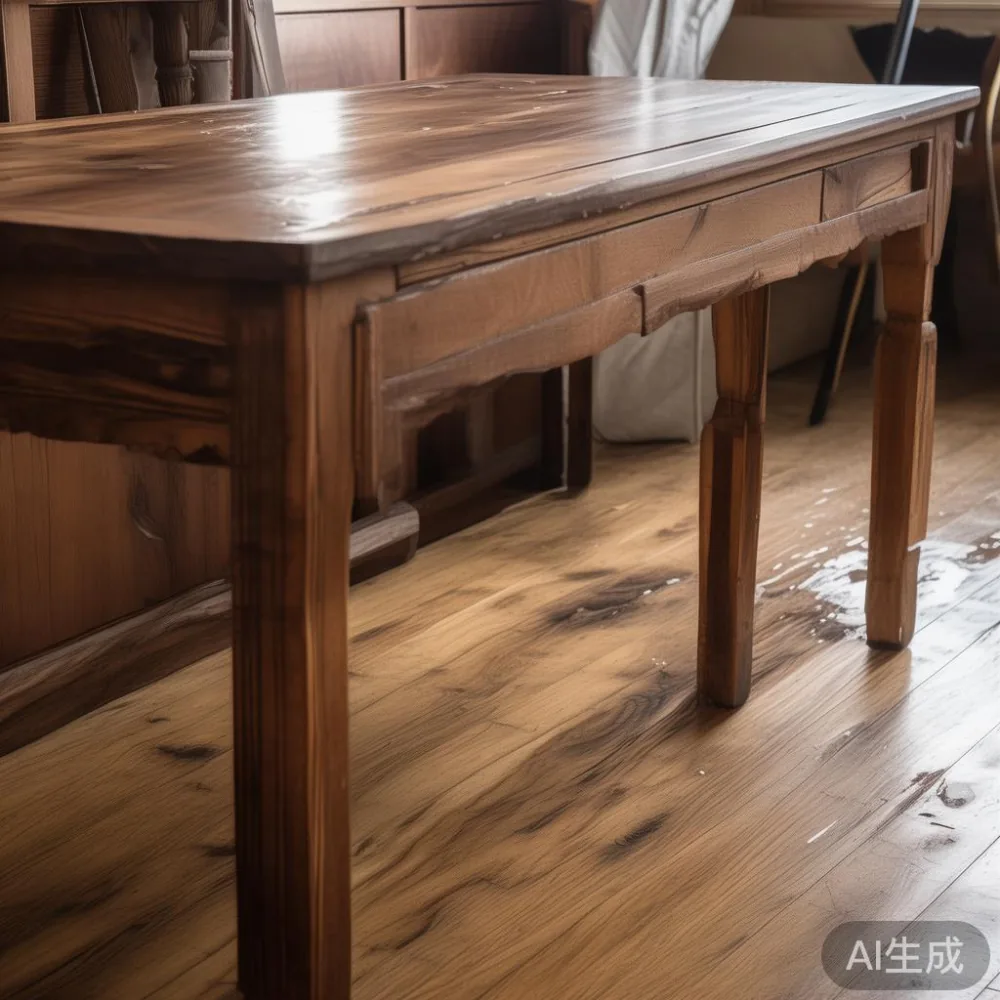
The annual monsoon periods make this seasonal cycle more obvious. A desk near an air-conditioning vent may remain at one moisture level, while a desk beside a window experiences both daily and seasonal changes. Direct sun can warm a surface above 40°C within hours, accelerating finish wear and causing colour differences between covered and exposed areas. Constant dampness can also swell lower rails and drawer sides until they bind in their runners.
These reactions are normal for solid wood. A warped panel from persistent wetting indicates a product or storage problem, not simply the nature of timber. Raised humidity also increases the risk of mould on nearby surfaces, especially if a desk is pushed against a cool external wall or a corridor with poor ventilation.
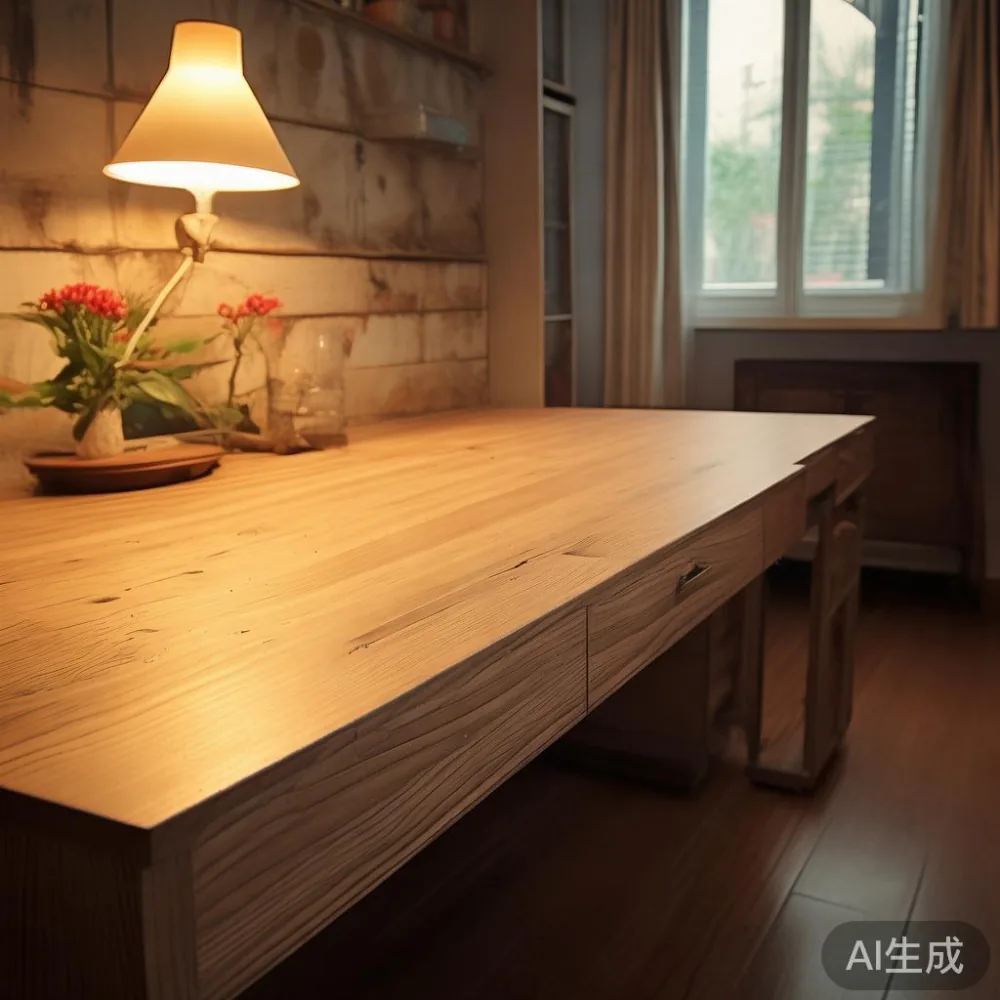
What relative humidity should Singapore homes maintain?
A practical indoor target is 45% to 65% relative humidity, with room temperatures commonly held between 22°C and 27°C. Humidity above 70% for long periods deserves attention, especially around a north-facing wall, bathroom-adjacent corner or unventilated balcony. Below 35%, wood can lose enough moisture for small splits to appear at end grain, fastener heads can loosen and tight-fitting drawers may become slightly loose.
Use a digital hygrometer rather than guessing. Place one near the office desk but away from direct airflow; inexpensive models commonly cost SGD 12 to SGD 35. Read it at about 8 a.m., 2 p.m. and 9 p.m. on 3 ordinary days. A reading above 65% for several hours may indicate a need for more ventilation or dehumidification. The same metric is useful when comparing solid wood with a laminated or veneer desk: 18 mm material may behave differently across engineered layers, while a solid 25 mm top has its own seasonal movement.
In a typical Tampines HDB flat, an office desk should sit at least 30 cm from a damp wall and 60 cm from an open window. In a Punggol condo, avoid placing it behind sliding glass doors where condensation can settle. Bedok homes near coastal prevailing winds should also consider brief airing on drier mornings, although outdoor humidity can remain high.
How should I prepare an office desk for Singapore conditions?
Leave newly delivered furniture in its carton for 24 to 48 hours if condensation has formed on the packaging. Do not install a desk immediately beside an air-conditioner vent. Maintain roughly 15 cm of clearance from walls where possible and make sure the rear cable opening is not blocked. For a tabletop measuring 140 cm by 70 cm, distribute loads rather than concentrating them at one edge; a monitor arm clamped to the rear is preferable to leaning against the surface.
Clean with a soft cloth, plain water and a small amount of neutral dish soap, diluted as one teaspoon per 500 ml of water. Wipe the surface dry within 5 minutes. Avoid ammonia, silicone spray, alcohol-based polish and steam mokers because they can strip or soften coatings. Place felt pads under drink coasters and a document tray beneath loose A4 paper; each folder weighs only about 0.5 kg, but repeated movement can scratch a finish.
Check desk legs every 6 months with a 2 mm feeler gauge if the model uses adjustable feet. A level desk should be stable across at least 3 of its 4 contact points. In HDB lifts, protect a wrapped office desk during the trip from the ground floor. Lift-car internal dimensions vary, so check the packed desk against the posted load and door width. A common packing allowance for a 140 cm table is 155 cm by 82 cm by 20 cm, weighing around 45 to 60 kg.
Can Southeast Asian humidity ruin solid wood furniture?
No, not if timber, construction and care are suitable for the environment. Water exposure from an open window, leaking pipe or wet cleaning mop is a separate issue. Salt-laden moisture can corrode metal hardware and leave tide-like marks, while persistent condensation encourages mould between panels and walls. Fix leaks within 24 hours, keep standing water away from furniture and use breathable covers rather than sealing damp timber under plastic for more than 48 hours.
Consider quality before weight alone. A desk made from kiln-dried hardwood at 8% to 12% moisture content is usually easier to acclimatize than unverified timber. Some overseas manufacturers use target moisture levels closer to the average conditions of another region. Ask the supplier for species, board thickness, finish type and expected service, then allow the desk to adapt over 14 to 21 days after arrival.
MIDHILL can deliver assembled desks within Singapore in approximately 3 to 7 delivery days after confirmation, depending on inventory and building arrangements. GST is payable on imported goods, but furniture under the Singapore GST registration threshold imported for personal consumption may not attract GST; confirm with the seller or a licensed customs agent. Orders above US$350 qualify for free shipping under MIDHILL’s stated policy, although any local duty, handling or stair access charge should be checked before checkout.
Which solid wood office desk finishes handle moisture most practically?
A thin, repairable finish generally offers easier long-term care than a thick decorative coating. Hard-wax oil penetrates the surface and can be refreshed after light wear, while waterborne lacquer creates a harder film that resists spills but may require careful sanding during refinishing. Customer preferences vary: French light luxury styling often uses pale walnut with restrained grain, while American light luxury commonly combines warmer oak tones with clean metal details. Post-modern light luxury can pair a 20 mm solid wood top with a slim powder-coated frame.
Ask whether the finish contains UV stabilizers and how many recoating intervals the supplier recommends. A desk exposed to indirect daylight should receive a protective mat under a laptop and 30 cm of separation from full sun where possible. Check the surface every 2 months during humid months for pale haze, tackiness or colour fading.
Product matching should also respect movement. A solid wood bed frame or solid wood sofa may respond to the same seasonal changes as a desk, although upholstered seating adds a different layer of care. For example, a light grey luxury sofa should be kept 45 cm from an open window in a humid living room and vacuumed every 7 to 10 days. Its timber frame should not be pressed tightly against a cool wall. Guidance on how to style European sofa in bedroom arrangements should allow ventilation behind the seat, not trap moisture in a narrow gap.
How do small Singapore interiors affect furniture delivery and placement?
Many HDB living rooms are compact, and internal corridor widths can be around 90 cm at pinch points while household lift doors may measure roughly 80 to 90 cm. The broad term Minimalist for small living room planning should include delivery access as well as appearance. Measure the lift, turning landing, main door and balcony threshold before a desk arrives. If a 160 cm desktop must enter an 82 cm door, a knock-down frame can be more practical than one fully assembled base.
Ask for a dimensioned packed drawing and the desk’s net weight, including any marble table pieces or solid hardware. Standard chairs may require lift bookings, while a move through narrow corridors usually takes 15 to 25 minutes after arrival. Add 5 minutes for floor protection and another 5 to 10 minutes for assembly. In a Punggol condo, the property manager may require a loading-bay reservation up to 48 hours in advance.
A dining table, wardrobe or nightstand may need a separate quotation for carrying, stairs and restricted-lift periods. MIDHILL’s 14-day returns policy provides an additional route for reassessment, but furniture should be checked for access before approval. Never block a common corridor or place packages near a fire hose reel.
What should I check before buying furniture from an overseas supplier?
Request evidence rather than relying on broad promises. For an office desk, useful answers include timber species, moisture treatment, top thickness, load rating, warranty exclusions and available replacement parts. A 150 cm desk should state its recommended maximum evenly distributed load; 80 kg is adequate for monitors and paperwork, while a workstation with several computer towers may need 100 kg. Ask for the finish composition, maintenance schedule and dimensional tolerances at joint lines.
Because export furniture travels long distances, packaging should include corner protection, moisture-resistant wrapping and a carton count. Photograph the desk within 12 hours of delivery and note any transit marks. Check for shipping damage, odors and movement over the next 72 hours while indoor conditions settle.
The maker’s history also matters. MIDHILL was established in 2008 and exports to more than 15 countries, providing practical evidence of production and logistics experience. Its 10-year structural warranty supports long-term ownership, while lifetime refinishing offers a route to renew the surface. Review the terms in writing, especially if coastal air, air-conditioning and winter travel create unusual use conditions.
Can I use humidity damage as a reason to return an office desk?
A return claim must distinguish seasonal movement from manufacturing or transit failure. A desk that changes slightly between 48% and 68% relative humidity is showing normal timber behaviour if its joints remain sound, its coating is intact and its runners still operate. A floor-level stain, split across the grain, loose tenon or water-warped panel may indicate inadequate protection or construction and should be documented immediately.
Keep a simple record: room temperature, humidity reading, placement, incident date and photographs. Describe the event in plain language, such as “moved beside an open balcony on 12 May” rather than “destroyed by humidity.” That detail helps the supplier determine whether care, packing or structure caused the issue. Keep the desk away from the source while the claim is reviewed, and do not apply an incompatible chemical or oil without instructions.
For wider interior planning, check furniture surfaces against the same climate target. A dining table near an open dining hall may need 60 cm of clearance. A wardrobe should stand on a 10 cm ventilated plinth where practical, and a nightstand should not touch external walls. A marble table needs a separate inspection because its porous base and metal fittings can react differently from timber, even within the same room.
What is the sensible humidity-control routine for a Singapore office?
Measure, observe and respond rather than over-maintain. Read the hygrometer once each morning, check for condensation once each evening and inspect the desk’s rear corners every 90 days. If humidity exceeds 65%, run air conditioning or a dehumidifier for 2 to 4 hours when practical. Wipe moisture within 10 minutes, leave 30 cm between furniture and cold walls, and move plants that sit directly under the desk where they may drip.
Seasonal care is modest. Vacuum or dust weekly with a dry microfiber cloth, inspect the coating every 6 months and address scratches before they deepen. Plan major refinishing only when dust can be controlled; many refinishing projects take 3 to 7 days including drying. For coastal-style interiors, searches for top 10 Coastal furniture can produce useful inspiration, but furniture must still be suited to an indoor Singapore home rather than exposed outdoor conditions.
If your office zone also serves as a guest room, coordinate materials carefully. A light grey luxury sofa can complement a pale desk, but sofas require more distance from humid corners. Articles on how to style European wardrobe in apartment layouts should leave doors openable by 90 degrees and maintain air gaps behind tall storage. Lists naming the best European bed for 2026 can guide appearance, yet every large piece needs verified corridor and lift access.
Singapore humidity is manageable. The practical combination is stable indoor conditions, responsible cleaning and sound furniture construction. With those controls, a solid wood office desk can remain serviceable for years rather than being judged by a single humid afternoon. Questions about an exact model, species or delivery route can be sent to midhillco@gmail.com for a more precise answer.