How Southeast Asian Humidity Affects Solid Wood Furniture in Singapore
Singapore’s warm, humid climate can make solid wood furniture behave differently from the showroom pieces customers remember. An office desk may develop a faint haze of surface moisture, a drawer may feel tighter during a rainy week, and a wardrobe door may not close as neatly as it did in January. These changes are normal for natural timber, but good design, careful finishing and sensible placement can keep furniture stable for many years.
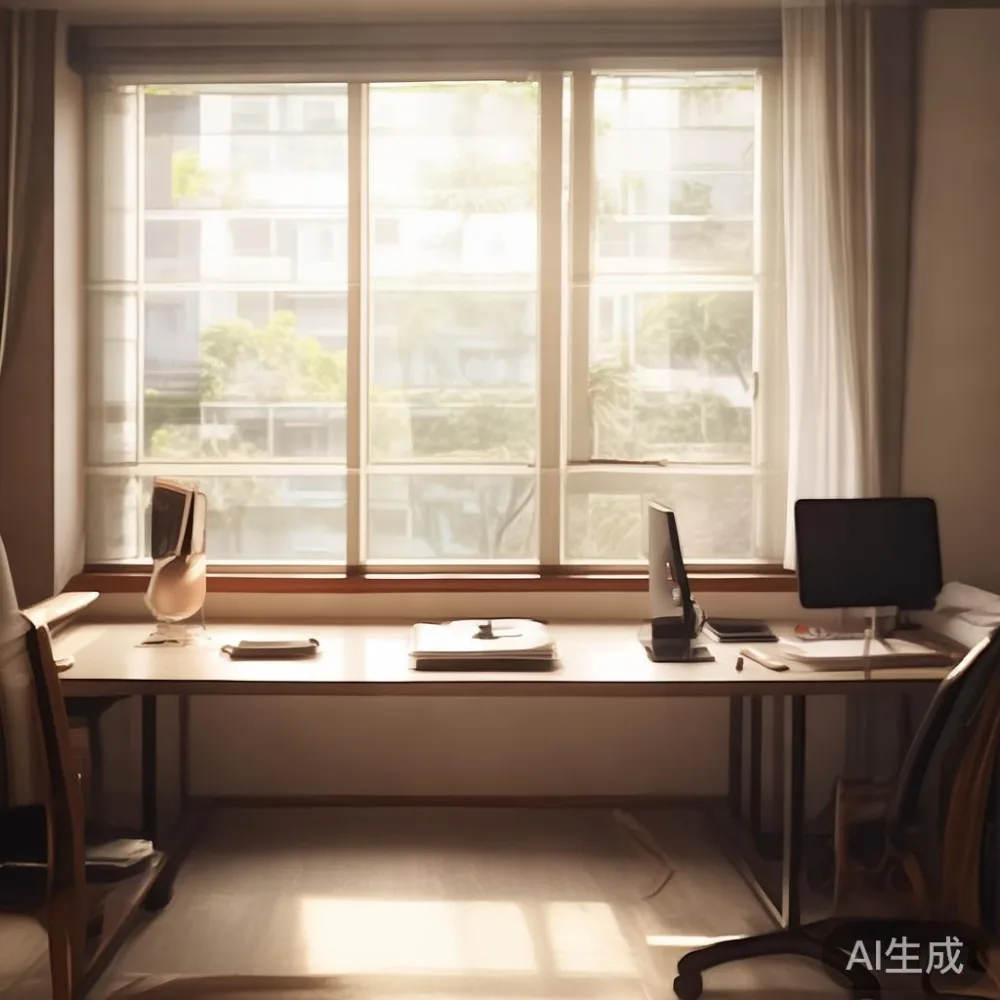
For residents of Tampines, Bedok and Punggol, the challenge often begins with the building rather than the wood. HDB flats and most condos use concrete, glass and painted surfaces that absorb moisture during the day and release it at night. Air-conditioning helps, yet it can create a second problem: a cold surface in a warm room encourages condensation, especially on metal fittings and drawer runners. Understanding this environment helps buyers select the right office desk and protects other pieces such as a solid wood sofa, bed frame, dining table, wardrobe, nightstand and marble table.
Why does humidity change solid wood furniture?
Wood is not a perfectly inert material. Its cell fibres expand when they absorb moisture and contract when they dry. In Singapore, relative humidity can rise above 80% during monsoon periods and fall below 55% in air-conditioned interiors. That repeated movement can cause small dimensional changes, visible in a desk top that bows by 2–4 mm, a drawer that catches or a panel with a minor surface crack.
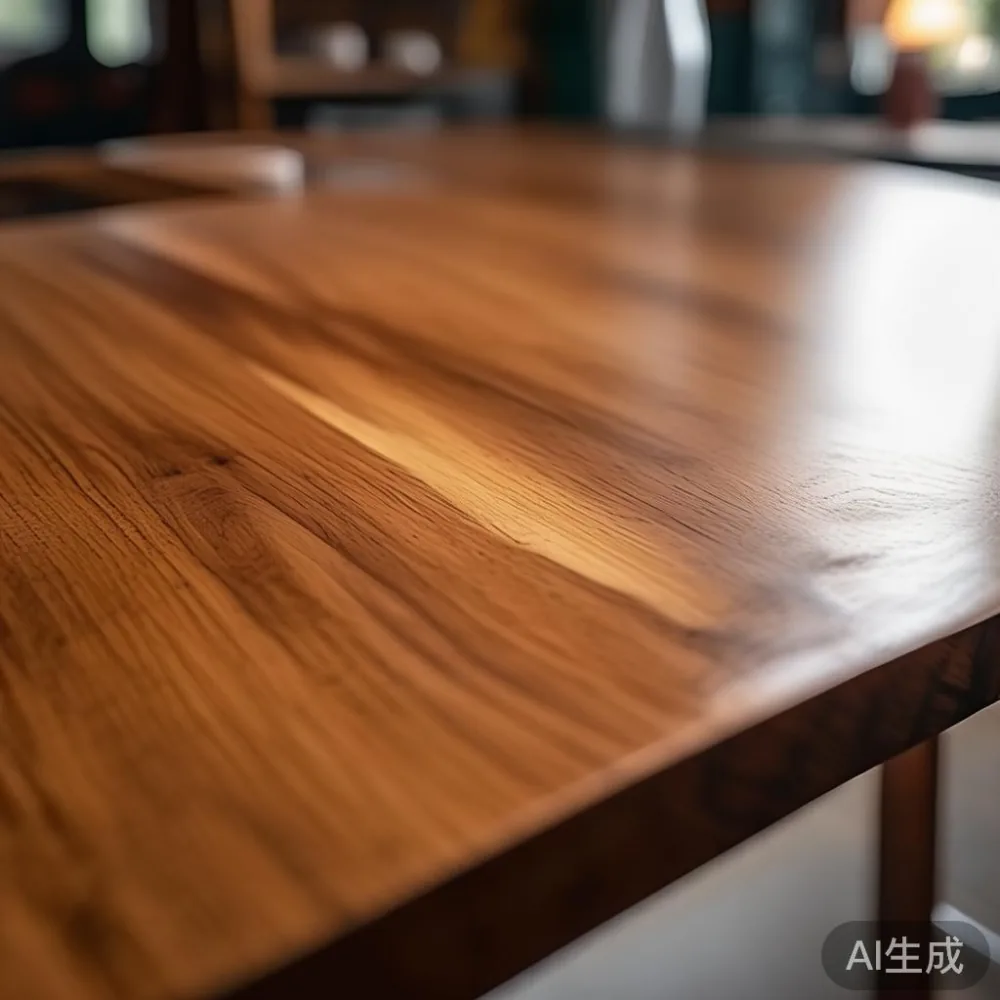
Solid wood generally tolerates this movement better than some engineered boards because its grain can shrink and expand in different directions. That does not mean every timber behaves identically. Teak and mahogany have lower moisture-related movement than many softer hardwoods, while oak, walnut and maple require more attention to finish quality. A MIDHILL desk should be made from properly seasoned timber, with joints designed to accommodate normal seasonal movement rather than forcing the wood to remain rigid.
Humidity by itself rarely ruins a well-made piece. A desk left beside an open window, under a leaking air-conditioner or against an uninsulated exterior wall will experience larger swings than one placed inside a stable room. This matters particularly in older HDB blocks where internal wall temperatures can remain above 30°C even when the living room feels cool.
How humid is a typical Singapore home?
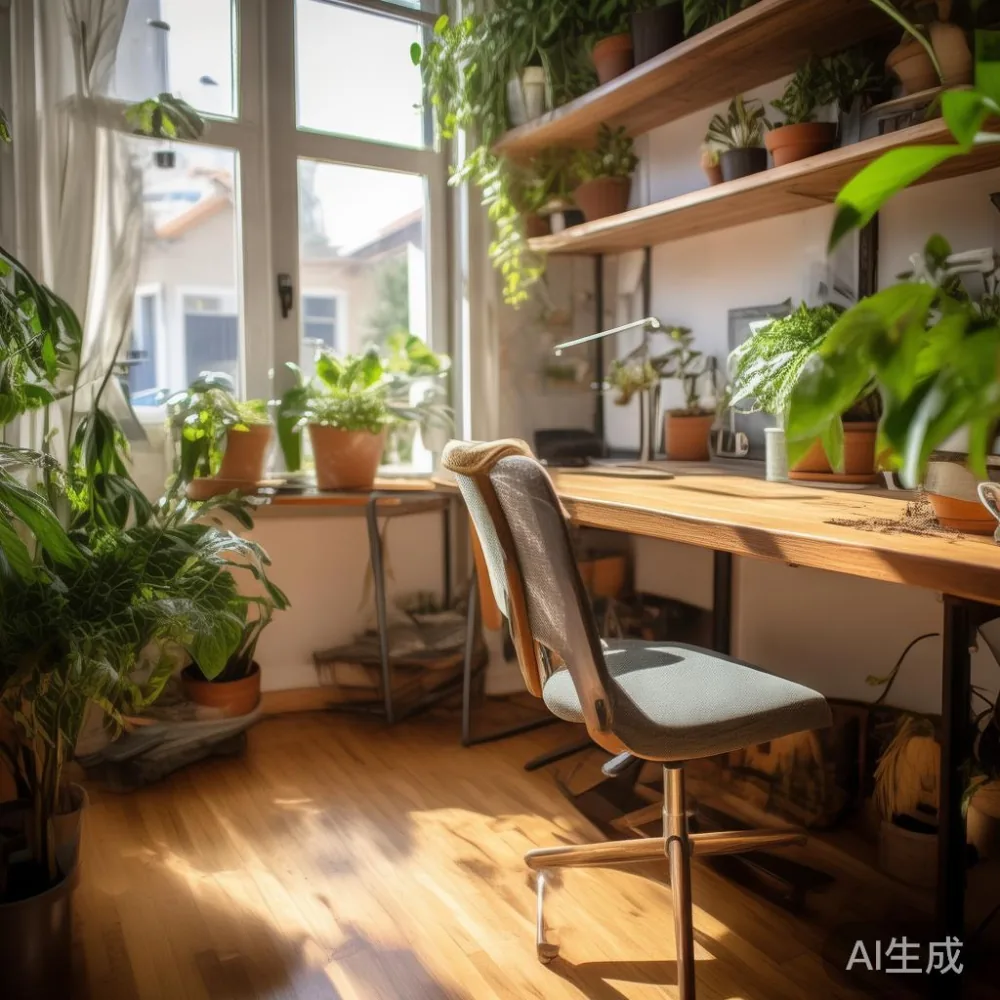
A convenient indoor target is 45–60% relative humidity, with stable room temperatures around 22–26°C. A Singapore household may pass through both ranges in a single day. The bedroom might measure 58% at 7 p.m. before air-conditioning starts, while a study with a running dehumidifier may fall to 48% by midnight.
My colleague tested one of our solid oak office desk tops for 14 days last month in a Bedok flat. She placed a digital hygrometer beside the desk, recorded readings every 4 hours and checked the top with a steel rule. The room moved between 51% and 76% relative humidity. The desktop length changed by approximately 2.1 mm, and one shallow drawer opened 0.8 mm more easily on the wettest day. After the desk returned to 57% humidity, both measurements recovered within 3 days. The finish remained intact, which confirmed that controlled indoor variation is manageable.
For buyers, 2–3 mm is a useful tolerance when discussing seasonal gaps or slightly uneven drawer clearance. Greater movement, splitting along the grain or a persistent musty smell points to excessive moisture exposure and should be reported before further use.
Should an office desk sit beside an open window?
Open windows expose furniture to direct rain, airborne salts and rapid humidity changes. In a Tampines HDB flat, a desk placed 30 cm from an open window may face readings 8–12 percentage points higher than the centre of the room. Punggol units with wide glazing can produce an even sharper difference because sunlight heats the glass and nearby timber.
Position the office desk at least 60 cm away from an openable window where practical, and never beneath a window that leaks. Use blinds or curtains rather than relying on natural ventilation alone. Keep air-conditioning between 23–26°C and consider a dehumidifier if readings remain above 65% for several hours. A compact unit can maintain a 20–30 m² room near 50–55% humidity; check the specific model’s rated room area because output varies with construction and airflow.
Condensation deserves equal attention. A cold glass panel, metal table leg or marble table top can collect tiny water droplets when its surface falls below the room’s dew point. Use coasters, felt pads and an insulating mat beneath laptops and drink containers. Wipe condensation promptly with a dry cloth rather than allowing it to sit for 8–12 hours.
What humidity level is safe for an office desk?
Keep the office desk within 45–60% relative humidity whenever possible. More important than one short spike is avoiding repeated cycles, such as moving from 48% to 85% every evening. If a hygrometer near the desk shows more than 65% for 12 hours or more, improve ventilation and dehumidification. Below 40%, the risk shifts from expansion to shrinkage, loose joints and checking, particularly around a veneer edge or routed groove.
Place a hygrometer near the desk, not near the bathroom, kitchen or a supply air vent. Record the reading at 8 a.m., 4 p.m. and 10 p.m. over 7 days. This simple test reveals whether a problem comes from daily air-conditioning or a building-wide moisture source. Digital models with 1% increments are adequate for home monitoring; calibrated professional instruments are useful for investigating persistent defects.
Do not place a newly delivered desk against a fresh wall or damp cupboard. If the timber has travelled from a cooler climate, allow it to acclimatise in the room for 3–7 days before tightening fittings or applying additional treatment. MIDHILL furniture is made for long use, but the first week still matters because sealed packaging can trap residual packaging moisture around panels and drawer components.
How does humidity affect a solid wood sofa, bed frame and dining table?
The same principles apply beyond the office desk, although movement is easier to notice in narrow or flat components. A solid wood sofa frame may loosen slightly at a joint if its underside remains damp, though quality joinery should allow controlled movement. A bed frame can develop a faint seasonal gap at a headboard joint, and a dining table may show small changes along an end-grain edge.
Marble table tops require a different focus. Marble is less affected by humidity than wood, but acidic cleaners and standing water can dull the surface. Keep stone away from dripping air-conditioner pipes and use a pH-neutral cleaner. For a solid wood dining table, place it away from kitchen steam and wipe spills within 5 minutes. A soft coaster under a hot serving dish helps protect the finish.
Light-luxury styling works well in these conditions because pale woods and restrained finishes reveal movement early, allowing owners to respond. Modern Italian light luxury furniture often pairs a clear-grained desk with glass, stone and slender metal details; those materials need careful separation from moisture-sensitive timber.
Can wardrobe doors and drawers swell in Singapore?
Yes. A wardrobe door may swell by 1–3 mm and rub lightly at its edge. Drawer bottoms can absorb enough moisture to become sluggish, particularly if they slide along unlined runners. Check that the wardrobe is fitted with adequate ventilation behind movable panels and that its back is not pressed tightly against a wet external wall.
For apartments, searching for ideas on how to style light luxury wardrobe in apartment can be as useful as learning about moisture. A fitted wardrobe should have 20–30 mm of service space at the top where the installation allows, and solid components should not be wedged against walls. Doors need clearance at the hinge and latch sides so seasonal movement does not turn into friction.
Those considering European for guest room layouts should avoid an unventilated cupboard next to a shower. Run a dehumidifier, maintain 50–60% humidity and inspect door edges every 6 months. For broader inspiration, a guide to how to style European wardrobe in room can help with finishes and proportions, but ventilation remains a technical requirement.
How should I care for humid-room furniture?
Use a soft, slightly damp cloth for routine cleaning, followed by a dry cloth. Avoid household bleach, ammonia cleaners and silicone-based polish on lacquered or oiled timber. Wipe in the direction of the grain and test any cleaner on a hidden 5 × 5 cm area first. Oiled surfaces can be refreshed every 12–24 months, depending on use and sunlight exposure.
Coasters and felt pads should be placed under vases, table lamps and decorative objects. Leave 5–10 cm between furniture and external walls where possible, and 15 cm near air-conditioner outlets if condensation appears. Do not use a heater, hairdryer or heat gun to correct swollen drawers; gentle, even pressure after acclimatisation is safer.
Buyers researching how to choose Mid-century modern sofa should check frame construction, cushion materials and cover removal rather than focusing only on the silhouette. A sofa stored in a humid utility area needs more care than one used daily in a conditioned living room. Likewise, Minimalist for dining room schemes benefit from simple layouts and easy-to-clean surfaces that can be wiped without trapping water around the edges.
What should a Singapore buyer ask before ordering?
Ask the supplier which solid wood species are used, how the timber was dried, what finish coats are applied and whether expansion gaps have been engineered into the construction. Confirm the desk’s delivered dimensions and weight, especially for HDB flats where lifts and corridors may be narrow. A standard lift door may measure 90 cm wide and 210 cm tall, while an office desk of 140 × 70 cm may need careful turning at corners rather than disassembly.
Also confirm delivery timing, return arrangements and warranty terms in writing. MIDHILL provides a 10-year structural warranty and lifetime refinishing, with free shipping for orders over US$350. International prices are shown in US$ on the website, while Singapore transactions include GST where applicable. Local delivery commonly takes 7–14 business days after production, although congestion, lift bookings and remote-area arrangements can extend the schedule.
Measure the route before delivery day. Note the lift door, corridor turns, staircase width and the receiving room. Most condo concierge lifts can accept large furniture with protective padding, but each management company may impose size or timing rules. Reserve the lift for a 45–90 minute window and keep the route clear.
For more details, visit www.midhill.co and compare the office desk dimensions, timber options and finish choices in person or through a consultation. Thoughtful placement and steady humidity control can preserve the proportion, colour and movement of solid wood for many years.