Maintaining Lacquered Office Desks in Singapore’s Climate
Singapore’s warmth and humidity can be hard on a lacquered office desk. A desk near a Tampines HDB window, for example, may receive 8 to 10 hours of indirect daylight, while evening condensation can settle on a finished top. A corridor-facing unit in Bedok or Punggol may also experience warm, slow-moving air that keeps the surface slightly tacky. Good care does not require daily specialist treatment: a few disciplined habits can protect a lacquered office desk for years without changing its appearance or removing the clear finish.
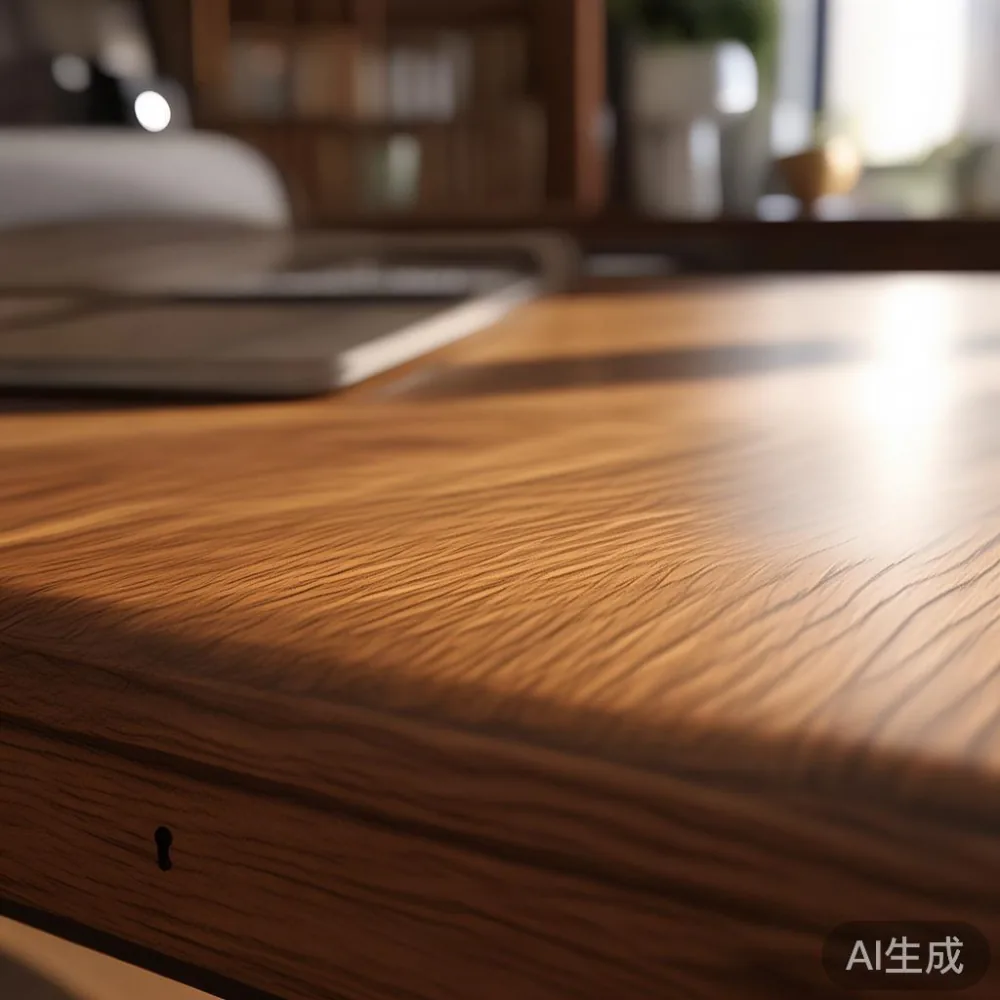
At MIDHILL, each lacquered office desk is inspected as part of the production process and covered by a 10-year structural warranty. Solid wood components, lacquer application, joinery and construction are checked for consistency. Customers can also return an eligible piece within 14 days. These protections support the furniture, but the owner’s daily routine determines how well the lacquer handles a tropical home.
This guide focuses specifically on lacquered office desks and their practical care in Singapore. The same principles also apply to related pieces such as a solid wood sofa, bed frame, dining table, wardrobe, nightstand or marble table, but their surfaces and cleaning tolerances should not be treated as identical.
How does humidity affect a lacquered office desk in Singapore?
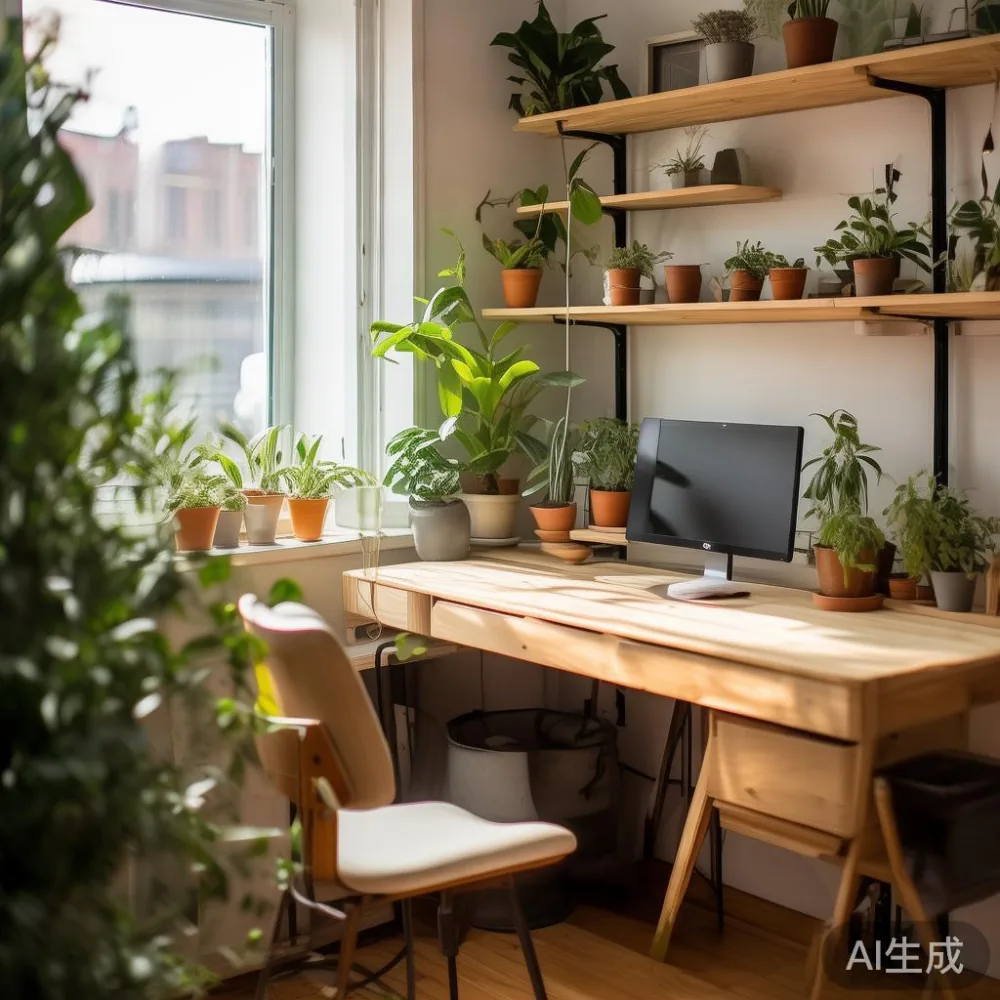
Relative humidity in Singapore commonly ranges from about 65% to 85%, and indoor surfaces can cool by roughly 5°C to 8°C during heavy rain or at night. Lacquer is normally more stable than bare solid wood, but moisture, heat and repeated wetting can still create problems. Tiny changes in wood movement may show as fine stress marks near joints, while trapped moisture beneath an office desk can encourage mould around a cable port or pedestal.
Place the desk at least 30 cm from an open window, and avoid air-conditioning vents blowing directly across the top. A bathroom or kitchen-adjacent work area is less suitable because cooking oil and steam are difficult to remove from a lacquer film. Keep the desk surface at least 45 cm above a wet floor in a HDB flat, and use a desk mat rather than placing a chilled drink directly on the lacquer.
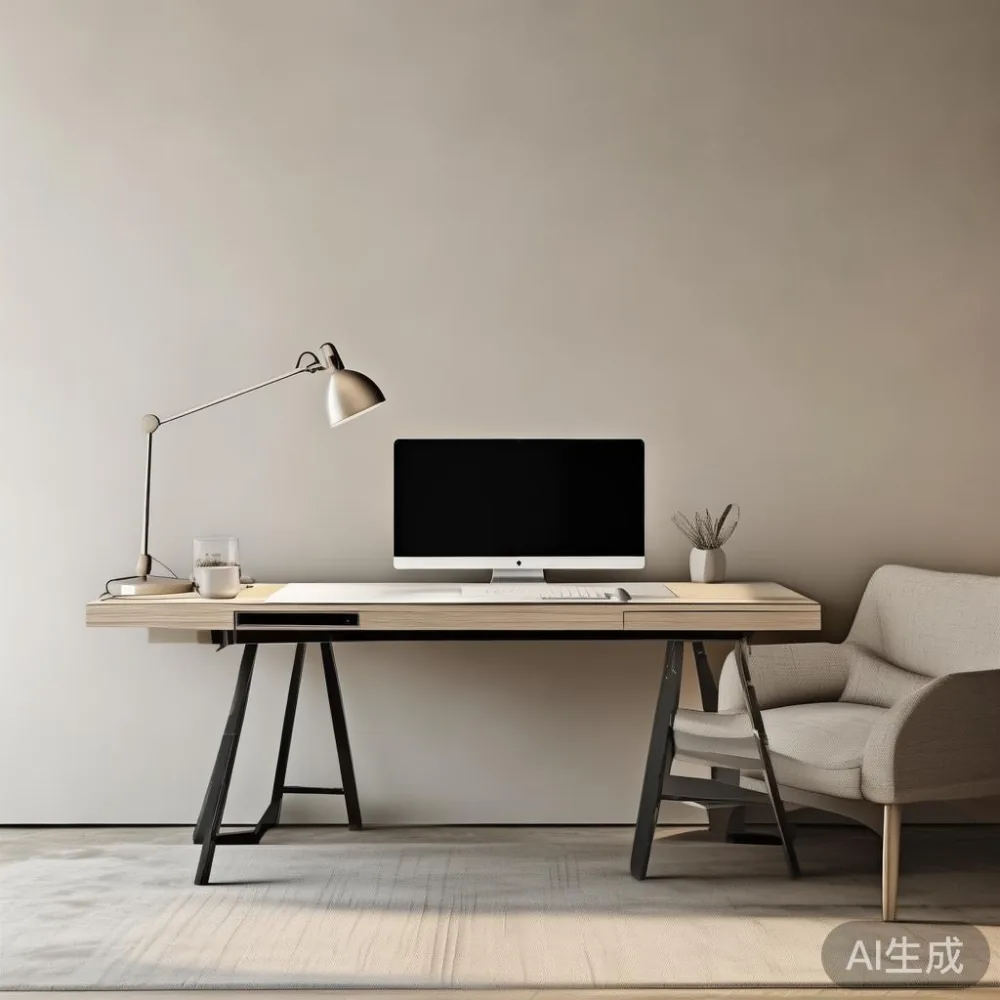
For delivery planning, Singapore measurements are more useful than showroom impressions. A typical 140 cm office desk has a top around 140 cm wide by 70 cm deep and may weigh 55 kg to 85 kg. A 120 cm desk may weigh 40 kg to 65 kg. Many HDB lift cars have internal dimensions near 100 cm by 120 cm, although the usable width can be less once the door is open. A 140 cm top may therefore need to enter at an angle or through a wider condominium service lift. The corridor should be checked for at least 90 cm of clear width, with door handles and shoe cabinets accounted for.
MIDHILL can coordinate delivery details before dispatch. Singapore delivery commonly takes 7 to 14 working days after production confirmation, while stock arrangements may allow a shorter lead time. Fitted furniture should be measured at the actual address rather than estimated from the flat type.
What cleaning products are safe for lacquered surfaces?
Use a soft, lint-free microfibre cloth, lukewarm water and a small amount of mild dish soap. Mix approximately 5 ml of detergent with 500 ml of water, dampen the cloth rather than the desk, and wipe in the direction of the grain. The cloth should be damp, not dripping; excess water can enter seams, cable holes and edge banding. Dry immediately with a clean cloth.
For routine cleaning, 2 to 3 sprays of cleaner on the cloth are enough for an average 120 cm by 60 cm work area. Never spray cleaner directly onto the lacquer. Paper towels can leave fibres, while abrasive pads may create matte scratches that are difficult to polish out.
Keep these materials away from the office desk: bleach, ammonia, alcohol-based glass cleaner, acetone, paint thinner, petroleum jelly, silicone furniture polish, wax and oil. Even though some solvents may remove a mark quickly, they can soften the lacquer or dull its gloss. Avoid “polishing” a mark with a kitchen sponge. A high-gloss surface should need no polish; rubbing can create an uneven patch larger than the original stain.
If a sticky drink has been left on the desk for 30 minutes, lift any solid residue gently with a wooden spatula and clean the remaining film with diluted detergent. If the mark remains after 2 careful attempts, contact MIDHILL before trying a stronger product. Unapproved solvent use can affect the 10-year structural warranty, and aggressive repair can change the colour sheen.
How often should a lacquered office desk be wiped down?
A light wipe every 2 to 3 days is sensible in a frequently used room. Dust it weekly with a dry microfibre cloth, including beneath the keyboard tray and around the rear cable channel. Clean spills immediately, ideally within 5 minutes. Avoid placing damp folders, wet umbrellas or laundry directly on the surface.
Do not leave a laptop, monitor or table lamp on the lacquer for 24 hours a day. Local electronics can trap heat, and a warm metal base paired with moisture can leave a ring or imprint. Use felt pads under removable items and check them every 2 months. Leave roughly 5 cm between the desk and a curtain to allow air movement.
Light matters. Direct equatorial sun can raise the surface temperature above 45°C even when the room feels comfortable. UV-filtering curtains or blinds are a simple physical barrier. If the office desk receives more than 3 hours of direct sun, consider repositioning it or adding a 30 cm-wide shield.
For occupants who work at home 6 days a week, a short evening routine takes about 5 minutes: clear the surface, remove crumbs, wipe the front edge and dry around cable openings. This consistency matters more than occasional heavy cleaning.
Can heat rings and scratches be removed without damaging the lacquer?
First establish whether the mark is in the lacquer or in the wood beneath it. A superficial scuff often catches the nail lightly; a deeper scratch feels distinctly rough. Hold a clean finger lightly across the mark. If the finger catches, do not continue rubbing.
For a fresh fingerprint, use a barely damp cloth and dry immediately. For a water ring, place a clean microfibre cloth over the mark and warm it gently with a hairdryer held at least 30 cm away, moving it continuously for no more than 20 seconds. Keep the desk away from heat above approximately 40°C and test a hidden area first.
For scratches, the repair depends on the finish. A matching lacquer touch-up kit may suit a small chip in a low-traffic spot, but colour matching is affected by age, lighting and sheen. A full desk may have been finished in several batches, so a spot repair can be visible under a Singaporean condo’s bright downlights. Deep gouges, edge lifting or a patch over 2 cm wide are better handled through professional refinishing.
This is where MIDHILL’s lifetime refinishing service becomes relevant. Depending on the piece and its condition, the furniture can be refinished rather than replaced unnecessarily. The owner should document the issue with 2 clear photographs and confirm the process, turnaround and transport arrangements before any work begins. Refinishing may take 2 to 4 weeks.
What should I do before accepting delivery of an office desk?
Inspect the lacquer under the available room lighting, not only under a phone flashlight. Look along the top, underside and edges for dents, scratches, bubbles, colour variation and trapped dust. Check that doors, drawers and cable trays move properly. Confirm that the dimensions match the room and the route from the lift to the workspace.
Measure the desk carton as well as the furniture. Add 10 cm to the stated carton length for turning space. For a condo, confirm the loading bay reservation, lift booking and service corridor width. For an HDB unit, ask the building management about moving restrictions, and reserve the lift for a weekday morning such as 9 am to 11 am, when corridors and lobbies are usually less busy.
Remove the desk from its protective packaging only after checking the surface. Keep any felt, foam and moisture-absorbing paper for future transport. Do not leave the office desk wrapped for more than 48 hours in a warm, poorly ventilated space, because trapped humidity can create condensation.
Before signing the delivery record, compare the piece with the order details and note every flaw in writing. For eligible purchases, the 14-day return period provides another checkpoint for colour suitability and scale. The customer should keep the delivery receipt and photographs until the desk has been used for at least 14 days.
Is a lacquered office desk suitable for a small HDB study area?
Yes, if the proportions and airflow are considered. A compact 100 cm office desk may occupy only 0.60 square metres, while a 120 cm model uses about 0.72 square metres before the chair is added. In a typical 9 square metre study, the desk should leave a clear chair zone of roughly 80 cm and a walking path of at least 60 cm. Where space is limited, a 120 cm wide desk with a 55 cm depth can be more usable than a 140 cm top that crowds the room.
Lightweight solid wood or metal storage should be placed beneath the desk rather than beside the window. Keep the rear panel 10 cm away from the wall so that moisture can evaporate. If the desk includes a pedestal, allow 5 cm on each side for cleaning. A wall-mounted power outlet can reduce cable clutter, but drilling must be planned before the desk is installed.
Light-luxury design can work well in a compact Singapore home when it relies on proportion, timber tone and clean lines rather than oversized decoration. French light luxury, American light luxury and post-modern light luxury all suit a well-proportioned desk, provided the surface remains practical and the hardware is proportioned to the room.
Nearby furniture should share the same colour discipline. A solid wood sofa in warm oak or light ash can balance the office desk, while a bed frame with restrained profiles supports the same calm direction. The useful test is whether the eye sees one composition, not whether every item is physically identical.
Are you caring for a lacquered office desk the wrong way?
Warning signs include a surface that feels sticky after a routine wipe, pale rings near a cup, scratches concentrated around the front edge, or a musty smell beneath the desk. Correct the cause before reaching for a stronger chemical. Remove objects, improve ventilation, dry the surface and use the mild cleaning method described above for 7 days.
Persistent tackiness may indicate residue, excessive humidity or a finish that needs assessment. Do not place a heavy solid wood sofa or marble table on the desk for support. A marble table can place concentrated loads on the top, and a dining table used as a temporary work surface may overload the joints. The office desk should carry only the equipment and loads intended for its design.
Temperature changes also matter. Avoid moving a lacquered desk from an air-conditioned room into a hot balcony landing and then back again within 2 hours. Let the piece acclimatise gradually over 8 to 12 hours, especially when it has just arrived from a cooler delivery vehicle.
Requests for for sale European furniture often focus on visible design and origin, but the long-term value of any lacquered office desk depends on care, construction and service. Those same considerations shape pieces described as a MIDHILL light luxury wardrobe, an Italian light luxury sideboard or an Italian light luxury dressing table. Natural timber, careful finishes and sound proportions are not limited to one category.
For a different room, Japandi for dining room ideas should likewise respect material limits. A dining table with an oiled or lacquered top should be kept away from hot pots and wet foliage, while a nightstand needs a stable, dry location beside the bed. A marble table may tolerate heat better than lacquer, but its porous natural structure may still stain and requires its own cleaning routine.
What routine protects a lacquered office desk for the long term?
A practical routine has 4 parts: position the desk away from direct sun and damp air; wipe it weekly with mild soap; dry spills within 5 minutes; and inspect the finish every 6 months. Use coasters and felt pads, but replace them when they become dirty or compressed. Keep pens, staplers and sharp tools in a tray so that they do not contact the lacquer.
Check the underside and joints twice a year, particularly after the rainy months. Look for swelling, mould, lifting veneer or loose fasteners. A 140 cm desk may carry 25 kg to 40 kg of equipment safely, but the total load should remain within the maker’s specification. Do not overload one cable shelf or drawer with 8 kg of files.
For polishing questions, resist adding wax. Lacquer should be cleaned, not coated. Keep the room around 21°C to 27°C where practical, and use a dehumidifier if the space remains above 80% relative humidity for several weeks. Position the intake away from the desk so that dust is not blown across the finish.
The cost of care is modest: a 500 ml bottle of mild detergent, several microfibre cloths and a set of 4 felt pads may total SGD 18 to SGD 35. A replacement office desk, by comparison, involves a larger budget and another delivery operation. Preventive care preserves appearance and reduces the need for major repair.
The same questions often arise when evaluating bedroom and storage furniture. A customer asking “is Italian light luxury bed worth it” may care about design, yet the finish still depends on humidity control and responsible placement. A lacquered wardrobe needs airflow around its sides, and a dining table should not be wiped with a solvent intended for a metal frame. Materials must be matched to the care method.
Those who want to compare construction, finish details and service before purchasing can review the range at www.midhill.co. MIDHILL has exported to more than 15 countries since establishing the business in 2008, and Singapore orders over SGD 350 qualify for free shipping under the stated offer. Local delivery, return terms and warranty conditions should still be confirmed for the specific office desk and delivery address.
A lacquered office desk performs well in Singapore when it is treated as a precision surface rather than a workbench. Keep water, heat, sharp objects and prolonged direct sunlight under control. Clean gently, dry thoroughly and inspect the finish twice a year. With those habits, the lacquer can retain its clear, even appearance through humid seasons and years of daily work.