A 5-Year Cost Comparison: Veneer vs. Solid Wood Office Desks
Choosing furniture for a Singaporean home is a decision often made with careful consideration of space, aesthetics, and long-term value. In HDB flats from Tampines to Punggol, or condos with narrow corridors, the dimensions and durability of a piece matter. This is especially true for a central piece of furniture like an office desk. A desk is not just a surface for work; it is a fixture in your daily life. When faced with the choice between a veneer and a solid wood office desk, the initial price tag is often the most visible factor. However, a true financial comparison extends over years, factoring in wear, maintenance, and potential replacement. This analysis breaks down the 5-year cost of ownership for both options, using concrete figures and real-world scenarios relevant to life in Singapore.
What Exactly is the Difference Between Veneer and Solid Wood?
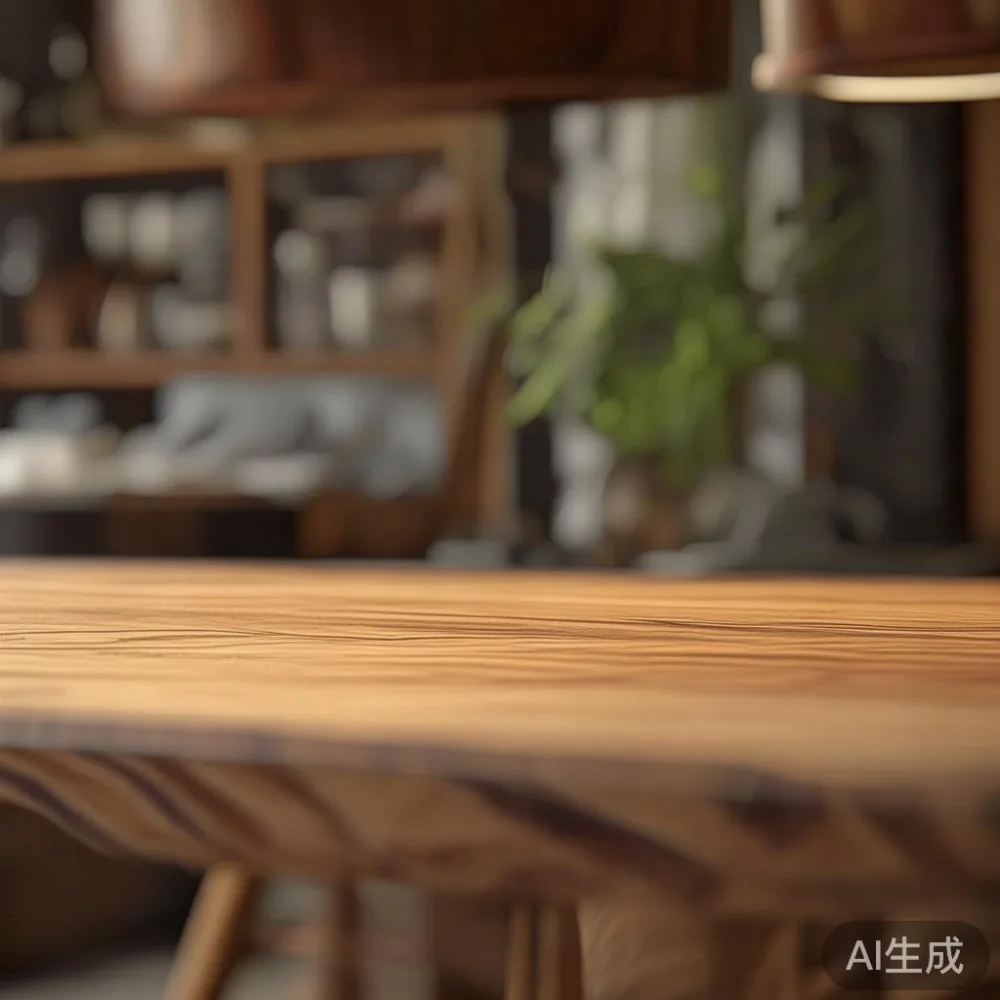
The fundamental difference lies in the material's structure. A solid wood office desk is constructed from a single piece, or multiple pieces joined together, of genuine hardwood. This could be oak, walnut, or teak. The entire surface, from the top to the sides, is the same solid material. This gives the desk a substantial feel, a weight of approximately 45-60 kg for a standard 150cm x 75cm model, and a unique grain pattern that is consistent across the piece. Solid wood is a natural material that breathes, meaning it can expand and contract with Singapore's humidity, which is a key characteristic to understand.
Veneer, on the other hand, is a thin layer of real wood (typically 0.6mm to 2mm thick) applied over a core substrate. This substrate is usually a composite material like Medium-Density Fibreboard (MDF), particleboard, or plywood. The veneer provides the look and feel of solid wood on the surface, but the core is engineered wood. A veneer desk of the same 150cm x 75cm size might weigh around 25-35 kg because the core is less dense. The visible wood grain is a surface layer, and the edges are often finished with a banding material to hide the underlying substrate. This construction method allows for more intricate designs and lower production costs.

Initial Purchase Price: A Clear Difference
The most immediate financial difference is the upfront cost. For a standard office desk measuring 150cm in length, the disparity is significant. A solid wood office desk made from North American oak, a popular choice for its durability and light, airy feel that complements Singapore's modern apartments, will typically start at SGD 1,800. This price reflects the high cost of the raw material and the skilled labour required to craft it. For example, a desk from a maker like MIDHILL, known for its 10-year structural warranty, would fall into this category.
A veneer desk with a similar oak finish will be considerably cheaper. The same dimensions can be found for as little as SGD 650. This lower price point makes veneer an attractive option for those furnishing a new home in Bedok or a rental property where a long-term commitment isn't the goal. The veneer desk offers the aesthetic of wood without the substantial investment. However, this initial saving is just the starting point of our 5-year analysis.
Longevity and Durability: The 5-Year Wear and Tear
Durability is where the two materials begin to diverge dramatically over time. A solid wood office desk is built to last for decades. It is resistant to dents and scratches. If a deep scratch does occur, it can be sanded down and refinished. MIDHILL offers a lifetime refinishing service, meaning the desk can be restored to its original condition, a process that might cost SGD 200-300 for a professional sand and re-oiling, but it's a service that extends the desk's life indefinitely. Over 5 years, a solid wood desk shows its age gracefully, developing a rich patina that many owners find desirable.
A veneer desk presents a different picture. The thin wood layer is more susceptible to damage. A sharp object can easily cut through the veneer, exposing the MDF or particleboard underneath. Once the core is exposed, it is prone to swelling, especially in Singapore's humid climate. This can lead to bubbling, peeling, or a warped surface. Repairing a damaged veneer is difficult and often looks patchy. The desk might need to be replaced entirely after 3 to 5 years of regular use. The cost of a replacement veneer desk after 5 years would be another SGD 650, assuming prices remain stable.
Hidden Costs: Maintenance and Replacement
Maintenance costs are another factor to consider. A solid wood office desk requires periodic care to maintain its finish. This involves applying a good quality wood oil or wax every 6-12 months to prevent the wood from drying out. A 500ml bottle of premium wood oil costs approximately SGD 85 and can be used for 2-3 applications. Over 5 years, this adds up to roughly SGD 170 in maintenance products. The process itself takes about an hour twice a year.
A veneer desk requires less maintenance in theory, as its surface is often coated with a tough, durable lacquer. However, the maintenance shifts from preventative to reparative. If the lacquer is scratched, moisture can seep into the wood veneer, causing it to lift. Repairing this involves specialised veneer repair kits, which can be tricky to use effectively. A professional repair for a significant veneer lift might cost SGD 150 or more. More critically, the risk of needing a full replacement is high. If the desk is damaged beyond repair, the full SGD 650 cost is incurred again. The hidden cost here is the risk of failure and the associated expense.
Is a Solid Wood Office Desk Really Worth the Extra Money in the Long Run?
To answer this, let's construct a simple 5-year cost comparison for a 150cm office desk. We will assume no major accidents, just normal daily use.
Scenario 1: The Veneer Desk
- Initial Purchase: SGD 650
- Year 1-3 Maintenance: SGD 0 (Assumes no repairs)
- Year 4-5: The desk shows significant wear. The surface is scratched, and the veneer is starting to lift in one corner. A repair is attempted but fails. The desk is replaced.
- Replacement Cost: SGD 650
- Total 5-Year Cost: SGD 650 + SGD 650 = SGD 1,300
Scenario 2: The Solid Wood Desk
- Initial Purchase: SGD 1,800
- Year 1-5 Maintenance: Wood oil applied twice a year. Cost of oil over 5 years is approximately SGD 170.
- Repairs: None required. The desk may have minor scratches, but these can be easily buffed out with fine steel wool during the next oiling. No structural issues.
- Total 5-Year Cost: SGD 1,800 + SGD 170 = SGD 1,970
At first glance, the veneer desk seems cheaper. However, this calculation misses a critical element: value and longevity. The veneer desk has been replaced once. The solid wood desk is still in excellent condition and has a remaining lifespan of 20+ years. The person who bought the veneer desk will have spent SGD 1,300 and still needs to buy another desk. The person who bought the solid wood desk has a permanent fixture for their home office. Also, a well-crafted solid wood desk holds its value. Selling a 5-year-old solid wood desk might recoup 40-50% of its original price (SGD 720-900), whereas a 5-year-old veneer desk has negligible resale value.
My Experience with a Solid Wood Desk in a Punggol Condo
My colleague, Sarah, moved into a new condominium in Punggol last year. She was furnishing her study and faced this exact dilemma. She opted for a high-quality veneer desk to save money. Within 18 months, the finish on the surface started to wear thin, and she noticed a small chip near the corner. She tried a DIY repair kit, but the colour didn't match, and it looked worse. Last month, I visited her home, and she was already discussing replacing it. The desk, which she bought for SGD 700, was looking worn and she felt it cheapened the look of her study. She said, 'I wish I had spent the extra on something solid. It would have cost more upfront, but I wouldn't be dealing with this now.'
Her experience is a common one. The initial savings on a veneer desk are quickly eroded by the need for repairs or replacement. The peace of mind that comes with a solid wood office desk, knowing it's a one-time purchase that will serve you for decades, is an intangible but significant benefit. For those who appreciate the finer details in their home, the natural grain and heft of solid wood offer a sense of quality that veneer simply cannot match. This is the principle behind a European light luxury dining table; the focus is on timeless materials and enduring craftsmanship, not fleeting trends. The same philosophy applies to a workspace desk.
Final Verdict: A Question of Investment
The choice between veneer and solid wood is ultimately a question of investment versus expense. A veneer desk is an expense. It solves a immediate need but has a limited lifespan. Its low initial price is offset by a high probability of needing replacement within 5-7 years, especially in the humid environment of Singapore.
A solid wood office desk is an investment. It requires a higher initial outlay, but it pays dividends in longevity, durability, and enduring beauty. It becomes a part of your home, aging gracefully and developing character. The 5-year cost analysis shows that while the total expenditure might be slightly higher, you are paying for a piece of furniture that will not need to be replaced. When considering the cost of delivery (often free over SGD 350 from makers like MIDHILL), assembly, and the hassle of sourcing a new piece, the long-term value of solid wood becomes undeniable. For a homeowner in a Tampines HDB flat or a Bedok condo looking to furnish a study that will last, the numbers point clearly to one conclusion.
When selecting furniture for a home, the concept of 'top 10 Rustic furniture' often brings to mind pieces that are not only stylish but also built to last, much like a solid wood desk. The value proposition extends beyond just the desk itself. A solid wood sofa or a European wardrobe worth its name is built on the same principles of quality and longevity. The choice of a solid wood office desk is a reflection of a broader commitment to quality in one's living space. It is a decision that considers the practicalities of Singaporean life, from the width of a corridor to the long-term value of an object, ensuring that your investment is sound for years to come.