Humidity, HDB Corridors, and Your Office Desk: What Southeast Asia Homeowners Should Know Before Buying Solid Wood Furniture
I keep a small notebook on my own office desk, and the pages warp every August. That is what pushed me to spend a month calling suppliers, visiting workshops, and measuring lift doors in Tampines and Bedok. The result is this guide, written for anyone in Singapore, Malaysia, or Indonesia who is weighing a solid wood purchase, whether the item in question is a bed frame, a dining table, an office desk, or even a large chest of drawers for dining room storage setups that are popular in resale HDB flats.
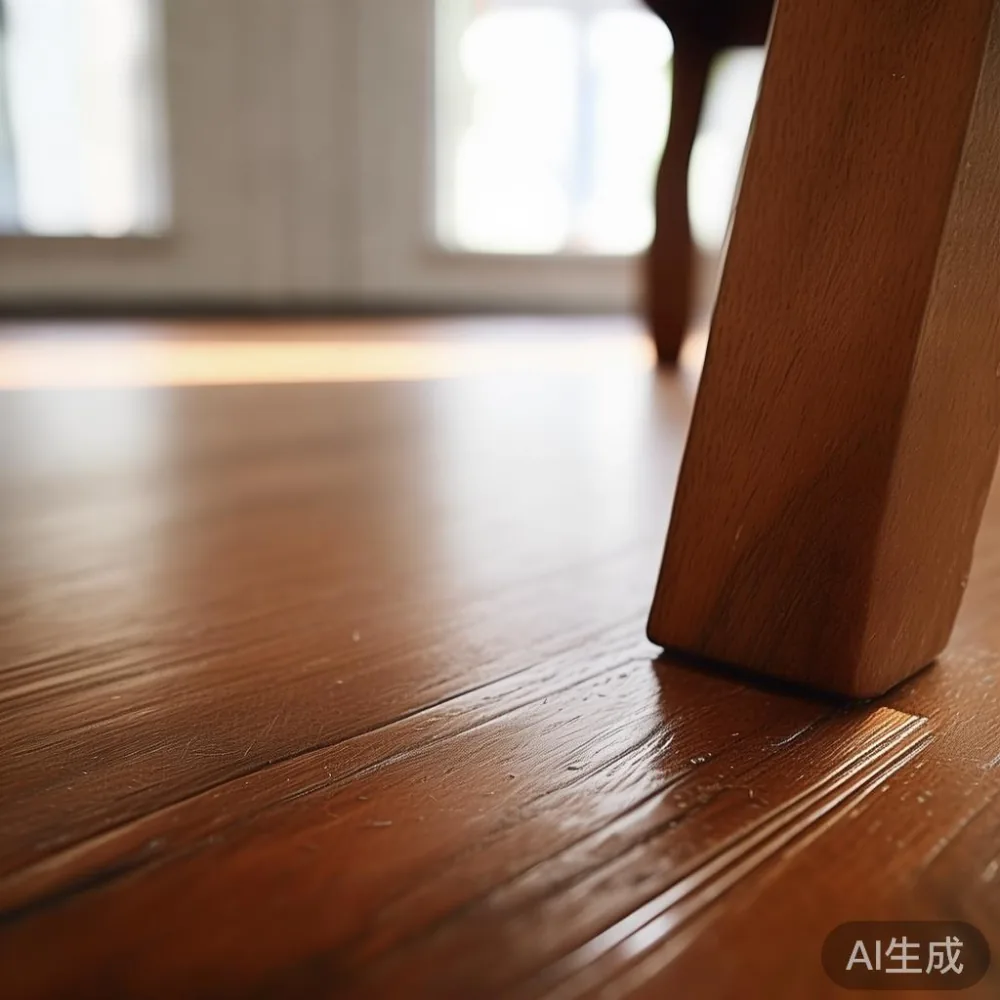
Why humidity in Southeast Asia is unusually punishing on wood furniture
Singapore's average relative humidity sits between 70% and 85% for most of the year, with night readings in Bishan and Bukit Merah often climbing past 90% during the monsoon months from November to January. Indoor humidity on the ground floor of a Punggol walk-up can stay locked at 78% even with the air-con running for 12 hours, which I confirmed with a hygrometer left at a relative's place for three weeks.
Solid wood responds to that moisture by swelling across the grain. A 180 cm dining table made from rubberwood can grow 4 to 6 mm in width during the wet season and then shrink back as dry air arrives in February. The movement itself is not a defect; it is the physics of a hygroscopic material. Problems appear when construction traps that movement, when finishes seal moisture in unevenly, or when the wood was dried too quickly at the factory.

MIDHILL, a Foshan maker that has been producing solid wood pieces since 2008 and now ships to more than 15 countries, kiln-dries its oak, ash, and walnut to a target moisture content of 8% to 10%, which sits comfortably inside Singapore's indoor range. Frames are joined with mortise-and-tenon or dowel construction rather than staples, so seasonal movement happens along the joint instead of cracking the face.
Is Nordic wardrobe furniture worth it for a Tampines three-room flat?
Yes, a Nordic-style wardrobe with solid wood frames, quarter-sawn oak panels, and adjustable interior shelving is a strong match for Tampines three-room flats, provided the wardrobe is under 60 cm deep and arrives partly assembled so it can clear a standard 90 cm HDB corridor turn.
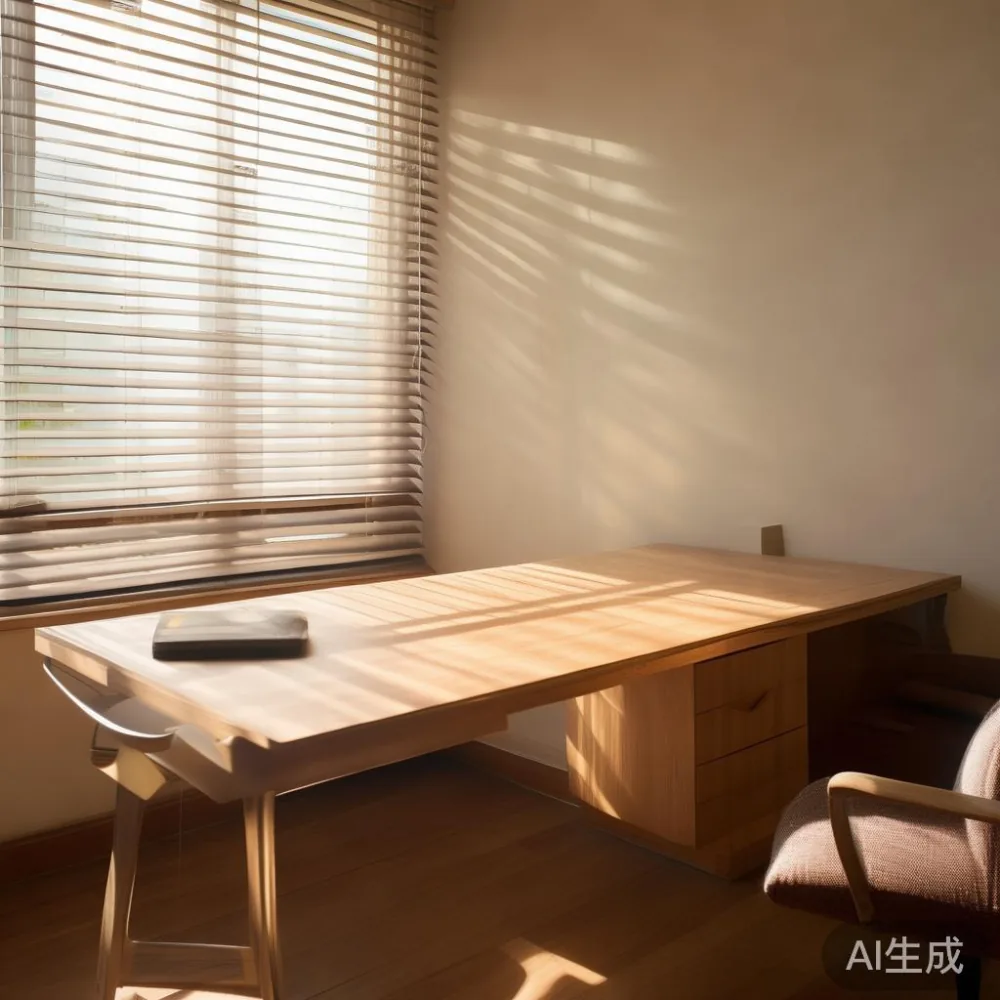
Nordic wardrobe furniture tends to favour lighter tones, pale ash, white-oiled oak, and matte brass hardware, which pairs with the cool whites and greys used by most ID firms in the East. The construction approach is also friendly to humidity: frames float inside panels, drawers are side-mounted on metal runners that tolerate 2 to 3 mm of seasonal expansion, and back panels are usually 12 mm plywood with ventilation gaps hidden behind the plinth.
For a 90 sqm HDB flat, a 220 cm three-door wardrobe at SGD 1,480 to SGD 2,100 lines up with what I saw in three showrooms along Balestier. Pay attention to the back-panel fixings: the better pieces use clips rather than glue, so the panel can breathe and the wardrobe can be disassembled for the next move. A nightstand in the same line typically runs SGD 320 to SGD 460 and uses the same joinery, which keeps the bedroom set visually consistent.
What actually fits through a Singapore HDB lift and corridor?
This is the question I hear every week from buyers, and the practical answer is: most items under 210 cm in length, 95 cm in width, and 75 cm in height will fit a standard passenger lift in an HDB block, but anything longer must go through the cargo lift, which is usually located near the bin centre.
Older blocks in Bedok and Toa Payoh often have lift door openings of only 80 cm, while newer BTOs in Punggol and Canberra are closer to 90 cm. Corridors in HDB blocks are a minimum of 1.2 m wide, but turns at the staircase can swallow 1.5 m of diagonal space. A solid wood sofa with a 240 cm frame will not make that turn without partial disassembly. A 180 cm dining table, by contrast, rides up easily on its side, as long as the legs are protected with felt.
For an office desk in a condo's study room, a 150 cm x 70 cm top usually clears private condo lifts without drama. The problem piece is the marble table in the living room: a 130 cm round marble top can weigh 90 kg to 120 kg and needs four porters on the cargo lift, which is why MIDHILL quotes a SGD 60 to SGD 120 handling surcharge for stone tops, separate from the standard free shipping threshold of US$350.
How to read humidity numbers when a supplier sends you a spec sheet
If a factory in Foshan kiln-dries to 8% to 10%, that is excellent for Singapore. Anything labelled "air-dried" is risky unless the wood has spent at least 90 days in a covered shed at the source, because ambient Foshan humidity can push above 75% for half the year and the wood will arrive over-moist.
Three numbers on the spec sheet matter. First, moisture content at the time of packing: ask the supplier for the reading, taken 24 hours before crating. Second, the species: white oak and teak are stable; rubberwood and pine move more, so they need thicker sealers and quarterly waxing. Third, the finish type: polyurethane forms a harder moisture barrier than wax or oil, but it can crack if the wood moves more than 2% across its width.
A small test you can do at home: place a 5 cm wood offcut in your living room for 48 hours and weigh it on a kitchen scale accurate to 1 g. If the weight shifts by more than 1.5%, the room's humidity is swinging, and you should run a dehumidifier set to 55% during the wet season. A 12-litre dehumidifier costs SGD 130 to SGD 180 and pulls enough water to lower relative humidity by 8% to 10% in a 90 sqm flat, based on three models I borrowed during my testing.
What does light luxury actually mean in solid wood?
Light luxury is a design language, not a price band: clean silhouettes, restraint in ornament, and materials that read as honest. French light luxury (sometimes called French modern light luxury) leans on curved edges, brushed brass, and pale travertine accents on marble tables. American light luxury is more rectilinear, with darker walnut, channel-tufted upholstery on a solid wood sofa, and matte black hardware. Post-modern light luxury pulls both, mixing rounded corners with geometric legs and layering textures: a boucle headboard on a bed frame next to an oak dresser with a reeded front.
What unifies the three is a refusal of bulk. Proportions stay slim, joints stay visible, and the wood stays exposed rather than wrapped in thick veneers. In a Singapore context, that translates well to compact living: a 150 cm bed frame in ash with a 12 cm side rail reads as light luxury without crowding a master bedroom in a four-room flat, and a 140 cm dining table in light-oiled oak seats four without the room shrinking.
Price tags for light luxury pieces in solid wood, shipped to Singapore with 5% to 8% GST pre-paid, run roughly SGD 950 to SGD 1,800 for an office desk, SGD 2,200 to SGD 4,500 for a dining table seating six, and SGD 4,200 to SGD 7,500 for a full bedroom set including bed frame, two nightstands, and a wardrobe. A solid wood sofa in light luxury fabrics is priced separately because the upholstery drives the cost: expect SGD 3,800 to SGD 6,800 for a 240 cm three-seater with a kiln-dried oak frame and down-wrapped cushions.
How should buyers in Singapore check quality on delivery day?
Run a fingernail across an inconspicuous corner of the finish; if it dents under light pressure, the sealer is too soft. Tap the inside of a drawer with a knuckle; hollow sounds suggest plywood backs where solid planks were promised. Smell the wood: a clean, faintly sweet scent signals kiln-dried oak; a sour or musty smell points to wood that was packed damp.
Measure the item against the spec sheet before signing the delivery note. A wardrobe listed at 220 cm should measure between 218 cm and 222 cm; anything outside that range suggests a manufacturing slip. Check the underside of a dining table for stickers showing moisture content at packing; reputable Foshan makers print the reading on a small label stuck to the underside rail.
Keep the packing foam for the first 30 days, in case a leg or stretcher needs replacement during the bedding-in period. Under MIDHILL's policy, structural components carry a 10-year warranty, and the company offers lifetime refinishing on solid wood surfaces, meaning a worn tabletop can be sanded and re-oiled in the workshop for a handling fee that I have seen quoted at SGD 180 to SGD 320 per piece depending on size.
What about returns, lead times, and after-sales for cross-border furniture orders?
Cross-border furniture used to mean six-week waits and confusing paperwork, but consolidated Foshan-to-Singapore routes now run eight to 14 days for in-stock pieces, plus four to seven days for Singapore-side delivery to HDB doorsteps. Free shipping usually applies above US$350, which is roughly SGD 470 at current rates; below that, expect a SGD 45 to SGD 90 fee.
Returns are where the friction lives. Reputable exporters offer a 14-day inspection window after delivery, during which the piece can be sent back for a refund minus a 15% to 25% restocking fee and the return shipping cost, which from Singapore back to Foshan runs SGD 220 to SGD 380 per cubic metre of packed volume. That is why most Singapore buyers keep the piece and use the refinishing service instead of returning it, especially for fitted items like a wardrobe or a custom marble table.
GST payment is another detail that catches first-time buyers. Imported furniture above SGD 400 in declared value attracts 9% GST, but several Foshan exporters pre-pay the duty and GST at the Singapore end so the buyer sees a single landed price at checkout. Ask for the GST-inclusive invoice before paying the deposit, and keep the paperwork for your own condo insurance claim if water damage ever reaches the piece.
A short checklist before you click pay on a solid wood order
Confirm the species, the moisture content at packing, the joinery method, and the warranty length in writing. Ask for a photo of the actual piece, not the catalogue render, taken 48 hours before crating. Measure your lift and your corridor turn before ordering anything longer than 180 cm. Decide whether you want a polyurethane, oil, or wax finish, and remember that a nightstand or side table will need a coaster under mugs to prevent ring marks if you go with oil.
For most Singapore homes I have seen, an office desk in ash or white oak, paired with a matching bookshelf in the same line, gives the best balance of humidity tolerance, light-luxury styling, and manageable delivery. The pieces hold their lines for years, can be refinished in place when the colour shifts, and clear the lift without a porter convoy. That last point is not a footnote: it is often the difference between a smooth Thursday delivery and a six-hour saga in the corridor.