Solid Wood Furniture Pricing: Wood, Construction, Dimensions and Delivery Costs
Solid wood furniture is often described by species, finish and style, but those labels explain only part of the price. The actual figure is built from timber, material dimensions, joinery, hardware, finishing, inspection, packing and the cost of getting a large object into a Singapore home. For an office desk, even a 5 cm difference in width or 10 kg in weight can change both the quotation and the delivery method.
MIDHILL, a Foshan solid wood furniture maker established in 2008 and exporting to more than 15 countries, applies a 10-year structural warranty and offers lifetime refinishing. Its pricing reflects those commitments as well as the furniture itself. Shipping above US$350 is free under the stated policy, with returned items accepted within 14 days. The figures below are practical reference points rather than universal quotations, since dimensions, species and design can shift the final SGD price.
What determines the price of a solid wood office desk?
The first driver is the amount and grade of solid wood. A desk using 40 kg of kiln-dried oak in wide boards costs more than one using 25 kg of rubberwood or pine in narrow components, even when both are described as solid wood. Grade matters too: clearer boards with restrained knots, continuous grain and stable moisture content require more careful selection.
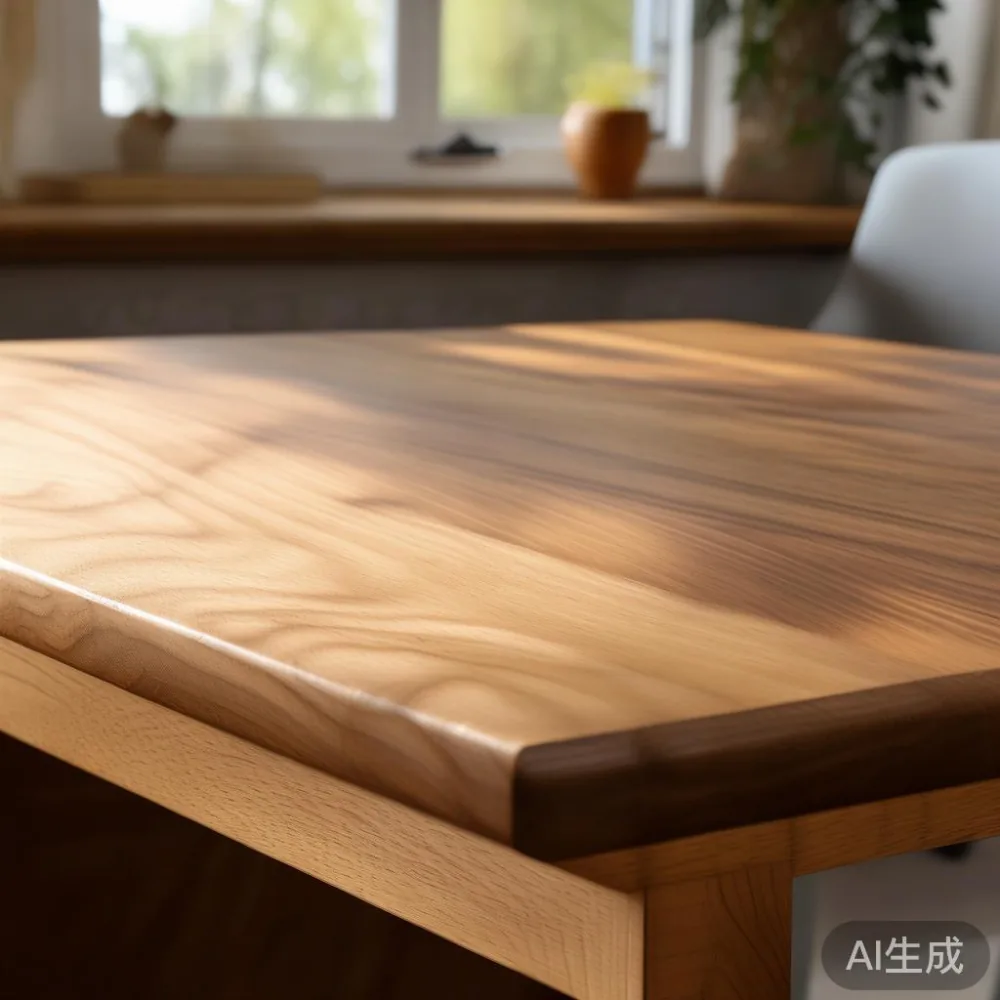
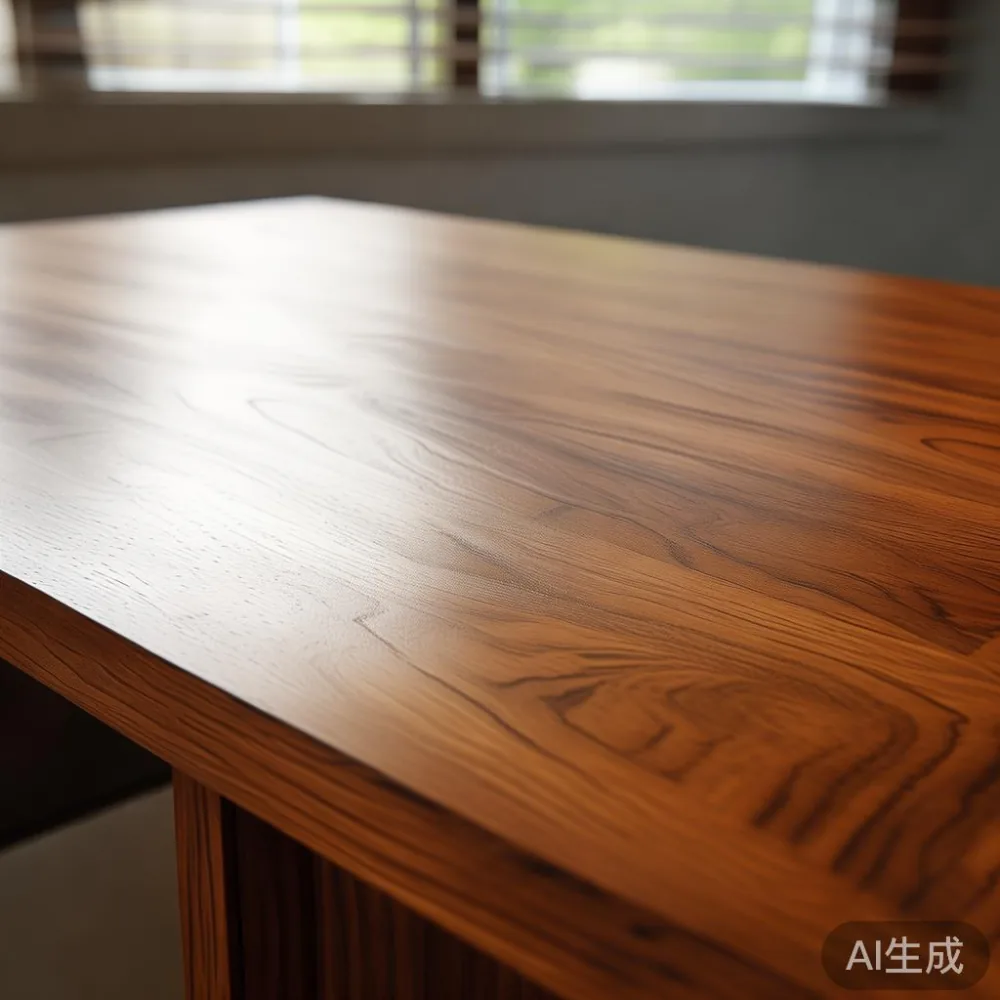
Species changes both raw material and labour. White oak, walnut, teak and ash have different market prices and machining behaviours. A 140 × 70 cm office desk might use roughly 35–55 kg of timber depending on its top thickness, apron design and drawer construction. A thicker desktop at 4 cm can command a higher figure than a 2.5 cm top, although the difference also affects weight and stiffness.
Joinery is another major factor. Mortise-and-tenon, dowelled and dovetailed corners take more cutting and fitting time than concealed screws inserted from underneath. Long edges need attention to prevent warping, and wide tops need enough support to remain flat. Low-cost production can still make a stable desk, but fewer parts are checked and less time is spent correcting grain direction, blemishes and joint alignment.
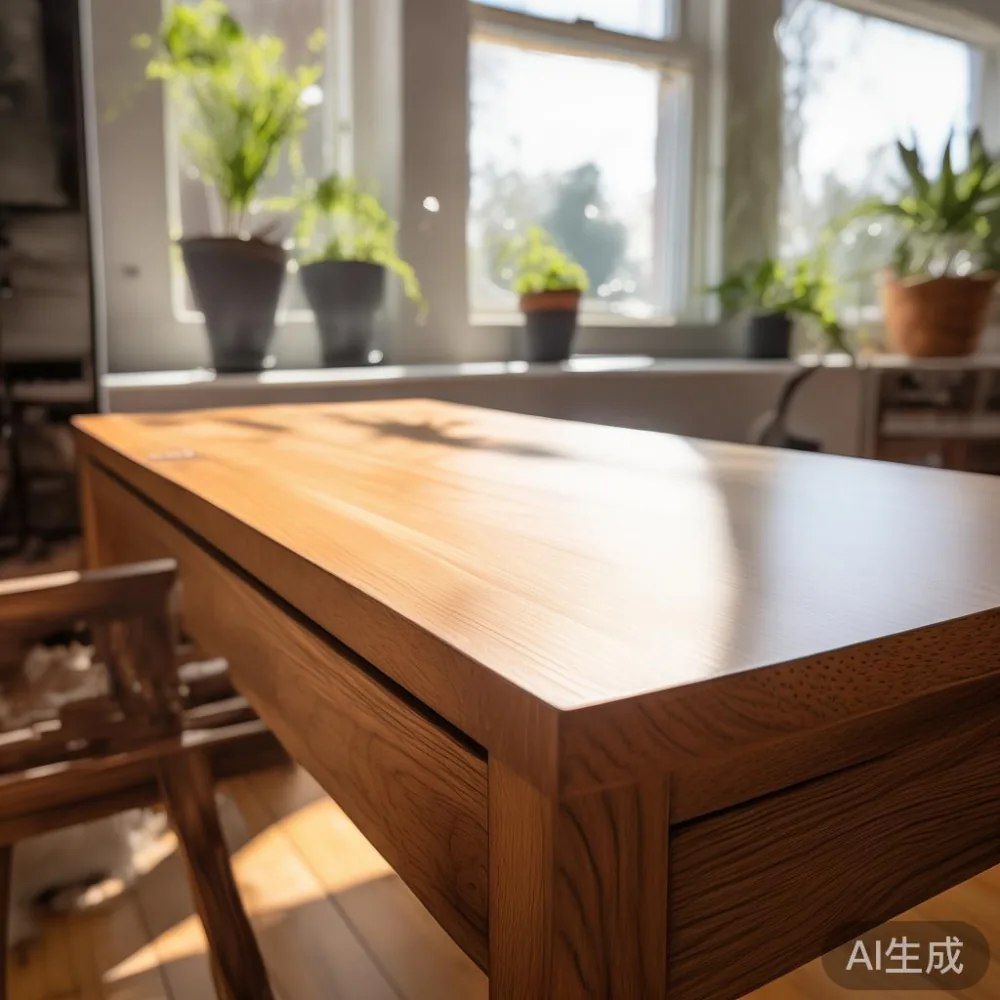
For Singapore, delivery is not a footnote. HDB lift doors in older blocks may measure about 80–90 cm wide, while common condo service lifts can accommodate roughly 100–120 cm. Corridors and turning clearances also influence whether a desk can be carried upright or must be separated. A 160 × 80 cm office desk may need two movers and a protected corner even if its packed weight is only 45 kg.
Is solid wood automatically more expensive than veneer or engineered wood?
Not automatically. A well-made engineered desk can be cheaper because veneers use thin slices of hardwood over a stable core, while engineered boards are manufactured from wood fibres or strands. Solid wood commands a premium when the buyer values repairability, visible end grain and the ability to refinish a surface.
The comparison depends on the part. A veneer-faced office desk may use only 6–10 kg of decorative hardwood, while a modest solid wood desk may require 25–35 kg. The engineered construction can therefore cost less in material while still providing a convincing surface. Solid wood becomes more compelling when a large top, exposed edges, drawer interiors and repairable joints are all included.
Finishing affects price through preparation and coating cycles. Sealing all six faces of a desktop can take several steps: sanding, sealing, filling, colour work, protective coating and curing. Whitewashing a pale oak to a warm cream may be more involved than applying a clear matte coat. Staining walnut to imitate another species also adds labour, so buyers should ask whether the colour is natural or applied.
Hardware should be judged by function. A practical office desk may have 2 drawers, 1 lock, 2 cable openings and 1 adjustable monitor shelf. Drawer runners rated for 30–40 kg and a lock with a defined cycle life are meaningful upgrades over basic slides and surface catches. The visual difference may be small, but the price difference can be SGD 80–250 for the complete office desk.
Why do some solid wood furniture pieces cost much more?
Scale is one of the clearest reasons. Material weight rises quickly with furniture volume. A 200 cm dining table may contain 60–90 kg of wood, while a 120 cm dining table may use 35–50 kg. A 220 cm wardrobe may weigh 110–170 kg, and a queen-size bed frame may weigh 45–75 kg. These products need more raw timber, larger machines, stronger packaging and more secure loading.
Complexity adds cost at every stage. A wardrobe with 3 hinged doors, 6 drawers, 2 internal sections and 1 mirrored panel requires more parts and checks than a plain 2-door cabinet. A bed frame with shaped posts, routed details and concealed connectors takes longer than a straightforward platform. A nightstand with 2 drawers, a lower shelf and hand-cut pulls must be fitted and finished separately.
Design can also determine labour intensity. Post-modern light luxury often uses clean profiles, reeded panels, softened edges and mixed materials. American light luxury emphasises generous proportions, substantial-looking frames and comfortable upholstery. French light luxury may introduce curved silhouettes, tactile upholstery and carefully balanced wood tones. The style is not merely a label: it affects templates, machining, finishing and inspection.
For a buyer comparing a solid wood sofa, the same logic applies to the frame. Kiln-dried hardwood, webbing, foam density and stitching affect price. If you are researching the best Coastal sofa for 2026, look beyond the pale fabric and check the frame timber, suspension and seat depth. Likewise, the best Vintage sofa for 2026 should be assessed by joint construction, cover treatment and repair access. A solid wood sofa can have a wooden shell but weak internal components, so “solid wood” needs supporting specifications.
How much should a Singapore solid wood furniture buyer expect to pay?
A useful starting range for a mid-sized solid wood office desk is SGD 650–1,450. A 120 × 60 cm writing desk in simpler construction may sit near SGD 650–900, while a 140 × 70 cm desk with thicker timber, better drawers and cable management may reach SGD 1,000–1,450. Premium hardwood, sculptural details or a matched veneer surface can move a larger design above SGD 1,800.
Other categories provide context rather than direct equivalents. A 160–180 cm solid wood dining table may range from SGD 1,200 to SGD 3,200. A queen bed frame may be around SGD 900–2,000. A 150–180 cm wardrobe may fall between SGD 1,600 and SGD 3,800, with fitted interiors and mirror doors adding cost. A 45–55 cm solid wood nightstand is commonly SGD 280–650.
A marble table introduces a separate cost structure. The material can add roughly SGD 300–1,500 to a comparable design, with veining, thickness and edge treatment determining the difference. Natural stone also adds weight: a 120 × 60 cm marble top may weigh 45–70 kg. The base must be engineered around that load, so an office desk with a marble surface is not simply a wooden desk with a swap.
These ranges make comparison easier, but an exact quotation needs 4 details: dimensions, timber species, construction level and delivery location. Confirm whether the quoted figure includes GST. Singapore GST is currently 9%, so a pre-GST subtotal of SGD 1,000 becomes SGD 1,090 after tax. It also matters whether accessories such as matching stools, monitor arms and drawer inserts are included.
How do delivery, access and installation change the final cost?
Freight can be quoted by parcel, by pallet or as a dedicated furniture delivery. A small nightstand may travel as a carton, but a 180 cm wardrobe may occupy 1 pallet and require a tail-lift vehicle. A dining table may be delivered in 2 protective crates. The final charge reflects the packed volume, weight, route and number of handlers, not just the distance from the workshop.
Access should be checked before ordering. Measure the lift door width and depth, the corridor at the narrowest turn, your HDB flat entrance and the room doorway. Record ceiling clearance for stairways where relevant. A 200 cm table top cannot pivot through an 85 cm lift door easily, even when it can fit diagonally; removing the top and delivering the base separately may be safer and cheaper than forcing the whole unit in.
In a Tampines HDB flat, a common service-lift doorway may fit a 120–140 cm office desk as one rigid piece. In Bedok or Punggol, building-specific conditions can differ, and condo loading bays may require booking a service elevator 2–5 days ahead. Furniture delivery in central Singapore may be arranged within 7–14 days after production, while made-to-order pieces can take 4–8 weeks. Those timelines should be distinguished from the production lead time.
Installation is another line item. Some desks need only 4 bolts and a cable route, while others require wall anchoring, a 2-person assembly and packaging removal. If assembly includes attaching a marble top, joining a 220 cm wardrobe, levelling a bed frame or fixing a dining table in place, the scope should be written down. A site survey costing SGD 80–150 may also be credited against the order, depending on the supplier.
What questions should you ask before accepting a furniture quotation?
Ask which parts are solid wood and which are plywood, MDF, veneer or metal. For an office desk, specify the desktop thickness in cm, the frame dimensions, the drawer material and the underside treatment. “Solid wood” should describe the relevant components rather than serving as a broad description that leaves too much room for interpretation.
Request a drawing showing the dimensions in cm and the loaded weight in kg. Confirm whether the desk can be separated for transport, which panels are removable and whether two people are required. Also ask what happens if the building lift cannot accept the largest carton. A supplier should offer a delivery plan rather than leaving the problem to arrive-day crews.
For finish care, confirm the expected maintenance interval, compatible cleaners and whether refinishing is available. MIDHILL provides lifetime refinishing under its stated service terms, which can reduce the long-term ownership cost, but buyers should still clarify what is covered, how service is arranged and which surfaces are excluded. The 10-year structural warranty provides a useful reference for frame and joinery defects, with warranty terms read separately from appearance-related claims.
Ask about the return process too. The stated 14-day returns period can provide protection when a piece differs from the approved sample, although made-to-order sizes, special finishes and certain installed items may carry conditions. Photograph the furniture on arrival, retain the packaging for 7 days and record any damage before the delivery team leaves.
How do style labels relate to solid wood furniture pricing?
Style affects construction choices but should not be used as the only pricing basis. A French bed vs French provincial bed comparison often comes down to curves, carved decoration, upholstery and the amount of shaped timber. A cleaner interpretation may cost less because it uses fewer routed details. An ornate version can require 20–30 hours of additional hand work and considerably more material.
The same discipline applies to living and dining rooms. Scandinavian for small living room usually means restrained proportions, pale finishes and visually light forms, not miniature furniture by default. Industrial for dining room may introduce blackened metal supports, darker timber and visible fixings. The metal itself is inexpensive, but fabrication, welding, finishing and coordination with the wood surface can add SGD 150–600 to a dining table.
For a complete room, compare like with like. A solid wood sofa should be specified by frame species, seat width, foam density and suspension. A bed frame needs the supported mattress dimensions, centre support and floor clearance. A dining table needs top thickness, extension method and stability. A wardrobe needs internal widths, hanging space and door clearances. A nightstand should match the bed height and provide useful drawer travel. A marble table requires accurate stone selection, load support and edge details.
These examples also show why search phrases can narrow a shortlist without answering the price question. If a retailer uses the best Italian light luxury sofa for 2026 as a category description, the buyer still needs frame, comfort and service information. The furniture industry often signals style first because it is visually immediate; material and construction determine whether the piece will still work after 10 years of daily use.
What is the sensible way to compare two quotations?
Compare quotations using a specification sheet rather than the total alone. Create a table with 8 columns: size, timber species, solid-wood components, top or frame thickness, joinery, finish, hardware and delivery scope. Include SGD figures for tax, assembly and access charges. If one quote is SGD 300 lower, identify whether it uses 8 kg less timber, thinner components, a simpler drawer runner or excludes delivery.
Price per year can also clarify the decision. A 900 SGD office desk used daily for 8 years works out to SGD 112.50 per year before care. A 1,600 SGD desk used for the same period averages SGD 200 per year. The cost difference buys specific benefits only when those benefits are documented. Longer warranties, replaceable parts and refinishing support can matter more than a trend label.
Last month I visited a Foshan workshop and watched a craftsman assemble a 150 × 75 cm office desk. He checked the underside of the top, tightened 6 frame screws, tested 2 drawers and marked one corner for extra sanding. The final piece weighed 47 kg. A nearby production version with the same appearance used 4 kg less timber and lighter drawer components; it was 8–12% less expensive. That visit made the pricing logic visible: solid wood is the material category, while precision, hardware and finish determine the final amount.
The most useful principle is simple. Ask what is made of solid wood, measure that timber in cm, weight the piece in kg, then confirm the joinery and service terms. Then compare the delivered SGD total, including GST and access. That process reveals whether a price reflects substance or only presentation.