Warm Minimal HDB Living: How to Match Your Furniture to a Soft, Warm Interior
Singapore HDB flats in Tampines, Bedok, and Punggol have shifted hard toward warm minimalism over the last three years. Beige microcement walls, warm white ceilings, light oak vinyl, and a single green plant in the corner now appear in roughly 7 out of 10 new BTO walk-through videos I have watched since January 2025. The trick, and the part most people get wrong, is that warm minimalism is not about owning very little. It is about choosing a few pieces that carry weight, warmth, and quiet detail. A poorly chosen piece breaks the room faster than an empty corner ever could.
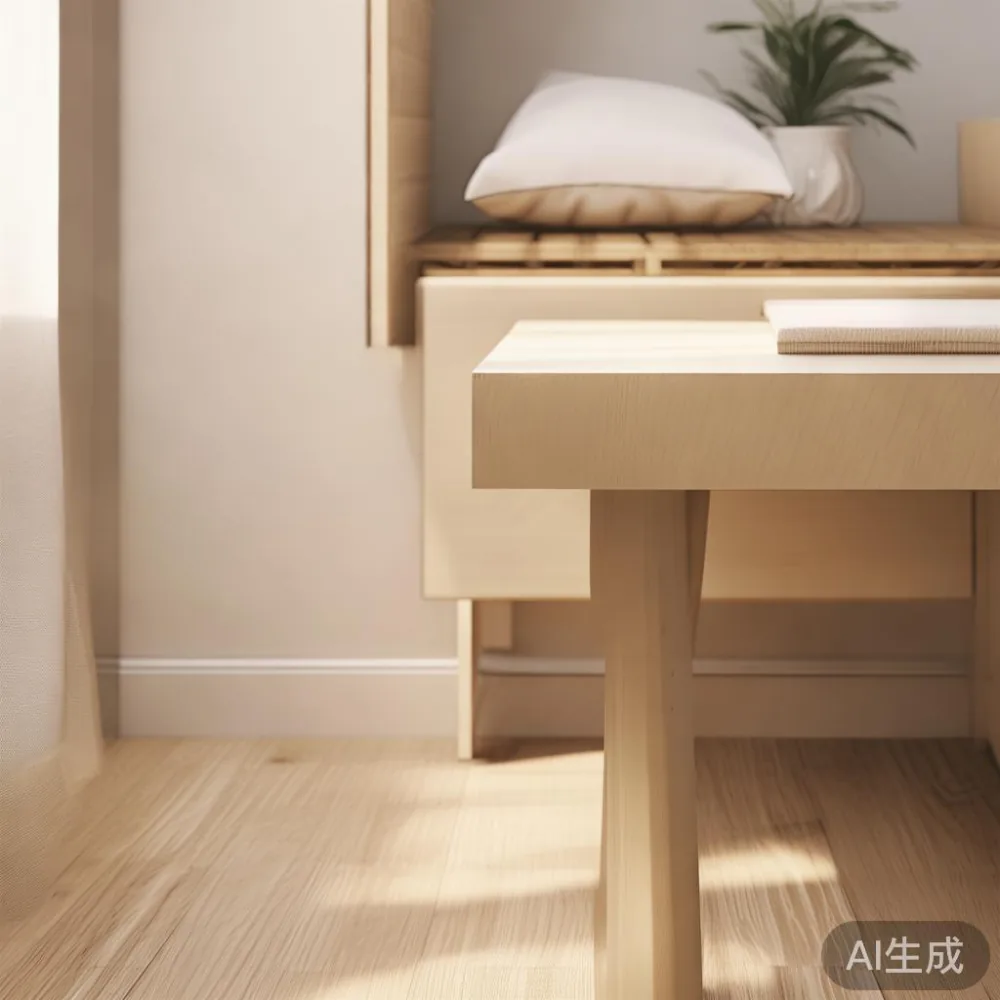
I went to a 92 sqm four-room flat in Punggol last month with a client who had the perfect warm minimal shell but felt the space looked cold by 8 pm every evening. The issue was not the paint (Halspan Soft Beige, very warm) and it was not the lighting (3000K downlights, all on dimmers). The issue was that every piece of wood furniture in the home was a cool grey laminate from a big-box store. We swapped three of them for solid wood pieces in natural walnut and white oak over a single weekend. The flat felt like a different home. That experience is the spine of this guide.
What exactly is warm minimalism, and why is it different from cold minimalism?
Cold minimalism lives on sharp white walls, black hardware, and stainless steel. Warm minimalism keeps the same restraint but swaps the palette for cream, oat, sand, clay, and warm white (typically in the 2700K to 3000K range for lighting, never above 3500K). Surfaces favour natural materials: solid oak, travertine, brushed brass, raw linen, and unglazed ceramic. Proportions stay generous; nothing is over-decorated. A sofa has clean lines but sits on warm wooden legs, not chrome. A dining table has a natural live edge hidden behind a slim profile, not a glass top. You can feel the material before you register the shape.
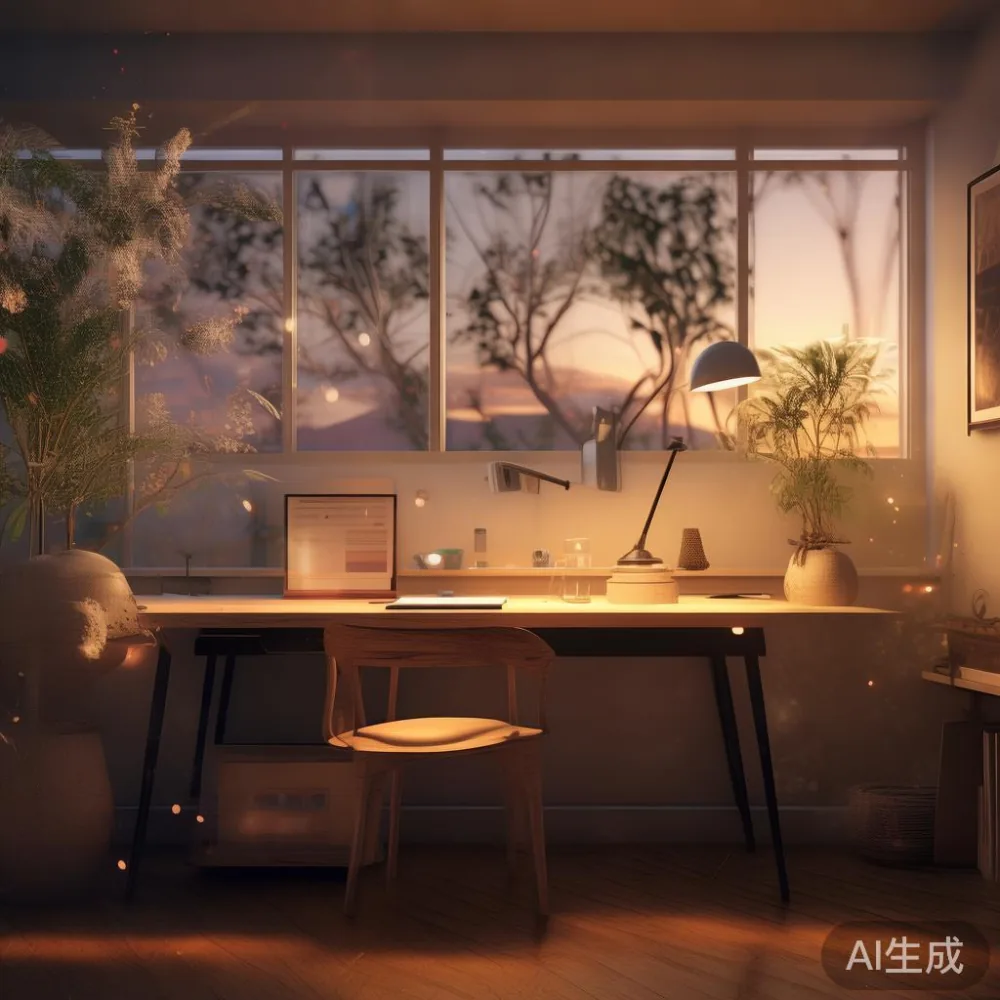
The quick test I use during consultations in Tampines BTOs: stand in your living room at night with only ambient lighting on. If your eye lands on a cold grey shelf or a high-gloss white TV console, the room will read as cold no matter what your paint colour is. If your eye lands on solid wood with visible grain, a linen-upholstered headboard, or a marble table with warm veining, you are already 80 percent of the way to warm minimal.
How do I start a warm minimal look in a 90 to 110 sqm HDB without redoing the whole flat?
Work in layers, starting from the largest piece in each room. In a typical HDB living room (about 4m by 4.5m, ceiling 2.8m), the largest piece is usually the sofa, then the dining table, then any wardrobe wall. Pull all of those into one warm wood family first, then add smaller accents. Budget roughly SGD 4,500 to SGD 9,000 for the three anchor pieces if you are buying new solid wood; pre-loved can drop this to SGD 2,000 to SGD 4,000.
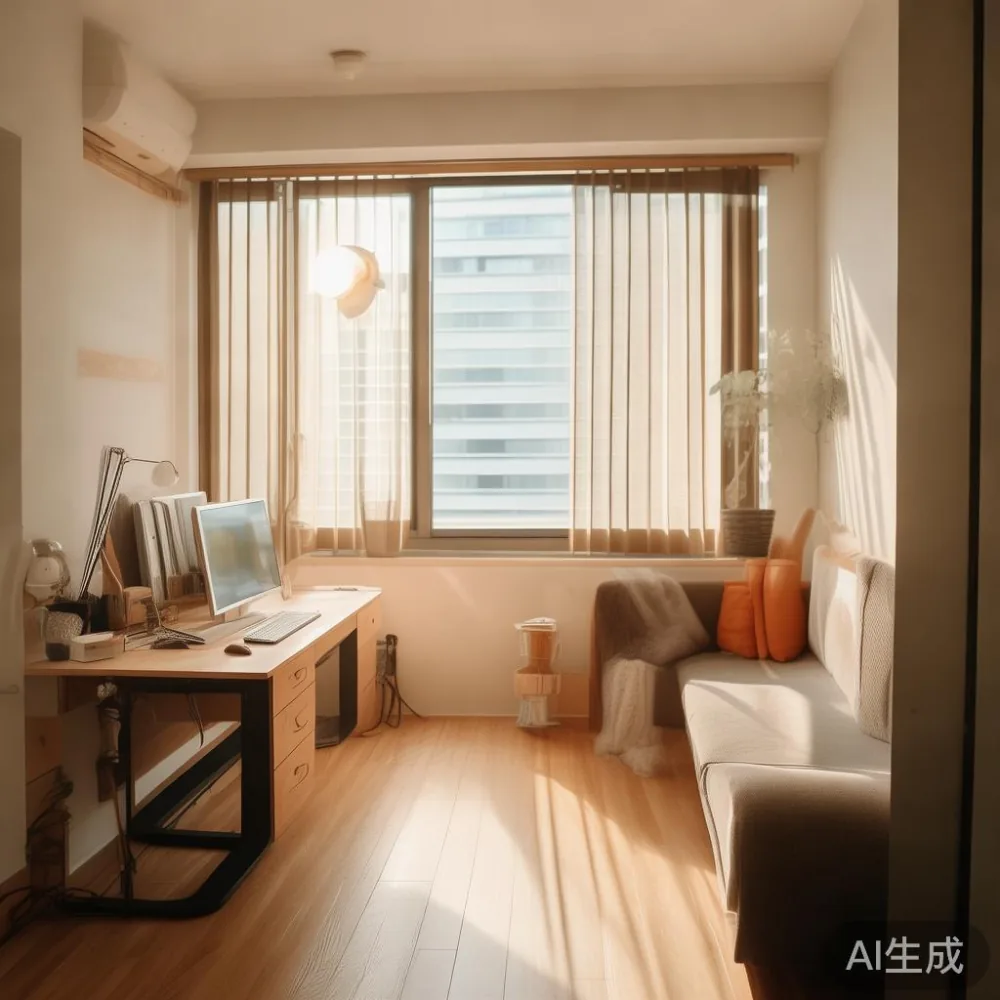
Decide on one of three wood tones and commit: light oak (warm, Scandinavian feel), natural ash (cooler but still warm), or walnut (deeper, richer, more grounded). Do not mix oak and walnut in the same small room or the eye will read it as two separate spaces. For Singapore humidity (average 78 to 82 percent RH year-round), insist on kiln-dried solid wood, not engineered veneer, and keep pieces at least 8 cm away from the wall for airflow. Lift landing widths in newer HDBs are around 1.2 m to 1.3 m, which fits a 1.8 m sofa or a 2 m dining table only if you stand it on end and angle it carefully. Measure first, order second.
What should I know before buying a solid wood office desk for a warm minimal home office?
The office desk is where most warm-minimal set-ups quietly fail, because people default to a black metal-frame desk and a leather chair. That combination fights the palette. A proper warm minimal workspace needs three things working together: a wooden top in the same family as your dining table, a chair in a warm fabric or a tan leather, and task lighting that is below 3500K (warmer than most bundled LEDs).
The phrase office desk itself covers everything from a 120 cm by 60 cm compact HDB study unit to a 180 cm by 80 cm two-monitor workhorse. Measure both your monitor arms and your chair arm height before you commit, and leave at least 70 cm of legroom from the seat front to the desk underside. Last April I fitted a 150 cm by 70 cm solid white oak office desk for a client in a Bedok 4-room study nook (about 1.9 m by 2.4 m); with a 27-inch monitor on a gas-spring arm plus a 60 cm wide drawer unit underneath the right side, she still had room for a 2-week paper planner and a small ceramic pen tray. The opposite corner stayed empty on purpose, which is the point of warm minimal.
When shopping, ask three questions of the retailer: (1) is the top solid or veneered; (2) what is the actual finished thickness (target 2.5 cm to 4 cm, not 1.8 cm); (3) do the legs arrive pre-assembled or are they knocked-down, because corridor widths in older HDB blocks sit around 1.05 m and a flat-pack box over 2.3 m long will not turn corners at the lift lobby. Free shipping over US$350 with a 14-day return window and a 10-year structural warranty has become table stakes from a Foshan factory with 17 years of export experience, and that kind of after-sales backing matters when the desk costs SGD 780 to SGD 1,600 delivered.
French light luxury or American light luxury - which style suits warm minimal better?
Both can fit, but they behave differently. French light luxury leans into curved silhouettes, slim tapered legs, brushed brass or champagne hardware, and soft upholstery in cream or stone. American light luxury reads straighter, deeper, and grounded: thicker cushion profiles, low blocky arms, walnut or smoked oak frames, often with bronze or matte black details on a smaller scale. Post-modern light luxury sits between the two, with cleaner geometry than French, softer edges than American, and usually a single bold material moment (a fluted side panel, a cantilevered base, or a contrasting stone inlay).
For most 92 to 105 sqm HDBs, I recommend either American or post-modern for the main pieces, with one French-style accent (a small marble table, a curved accent chair, or a brass floor lamp) to break the geometry. A French dining set in a 3 m by 3 m dining corner tends to dominate the room and forces you to drop everything else to near-invisible. An American or post-modern dining table with a 2 m solid wood top and slim 6 cm legs at 75 cm height keeps the visual mass low, which is what warm minimal needs.
How can I match a solid wood sofa, bed frame, dining table, and wardrobe to one warm palette?
Build a swatch before you buy anything. Collect three samples: one wood chip from your floor, one swatch of your wall paint, and one fabric offcut from a cushion you already love. Keep these in a clear zip bag and photograph every candidate piece against them in daylight. Anything that looks orange under 4000K daylight or grey under 3000K warm light is the wrong piece. This one habit has saved my clients more money than any discount code.
For the solid wood sofa, look for a 200 to 230 cm three-seater with a seat depth of 60 to 65 cm (deeper than the 55 cm standard) and a seat height of 42 to 45 cm. Linen-blend or cotton velvet in oat, stone, or warm taupe works better than pure white, which soils fast in a tropical climate. The frame should be visible at the legs and the arms, because in warm minimal the frame is part of the design. A European light luxury sofa with slim oak legs and a soft curve at the back will pair naturally with a walnut coffee table; an American silhouette with blockier arms will want brushed brass or bronze hardware to keep the contrast warm.
For the bed frame, target a 150 cm queen or 180 cm king with a wood headboard no taller than 110 cm above the mattress surface, and a platform base that sits 28 to 32 cm off the floor so a robot vacuum can still pass underneath. If you want help with how to style American bed in bedroom, the rule is simple: keep the wall behind plain, add two warm white linen cushions and one bolster, then finish with a single amber glass reading lamp on a thin brass swing arm.
For the dining table, an extending solid oak piece starting at 140 cm and stretching to 200 cm handles a four-person weeknight setup and a six-person weekend setup without taking over the room. A round 120 cm pedestal marble table suits tighter 2.6 m by 2.6 m corners, but bear in mind marble scratches under daily Singapore use unless you seal it twice a year. Pair the dining table with chairs that have a back height of 80 to 90 cm and a seat depth under 45 cm so you can push four chairs under the perimeter and keep the floor visually open. Searching for Modern for dining room pieces that match the warm palette usually returns cleaner results than generic dining table searches.
For wardrobes, the Singapore HDB bedroom often runs only 3 m by 3.2 m after sliding-door tracks, so the wardrobe is usually the largest single surface in the room. Pick one of two approaches: a floor-to-ceiling flat panel in the same wood tone as your bed frame (very warm minimal, very quiet) or a two-tone combination with a soft cream or warm grey door front and oak trim (more forgiving of dust and visible fingerprints). Either way, insist on 18 mm to 25 mm thick panels rather than 16 mm, a soft-close hinge system tested to 100,000 cycles, and internal drawers rated for at least 25 kg per pair of runners. For practical guidance on how to choose American wardrobe pieces for an HDB, focus on internal layout first, external style second: minimum 60 cm hanging length for shirts, 90 cm for long dresses, and a dedicated drawer bank of at least 45 cm wide for folded items.
What about nightstands, marble tables, and small accent pieces for a calm bedside?
Treat the bedside as a 60-second design zone. You should be able to set down a phone, a book, a glass of water, and a reading lamp without moving anything. A typical HDB bedside nook is 60 to 70 cm wide, which is too narrow for two full-size nightstands side by side with a king bed. Either drop one nightstand, swap both for slim 40 cm wall-mounted floating shelves in matching oak, or use a single bench at the foot of the bed that doubles as a nightstand (45 cm deep, 120 cm wide, two shallow drawers).
A marble table works beautifully as a warm minimal accent because the veining reads as a piece of art without adding visual noise. Use it for a coffee table, a console behind the sofa, or a bedside surface. Stick to warm-veined marbles: Crema Marfil, Emperador Light, or travertine. Cool grey Carrara and Statuario tend to push the room back toward cold minimal unless you have at least three other warm wood or brass references to balance them. If you want light luxury with storage, look for marble-topped console cabinets with two to three deep drawers in the 120 to 150 cm range; they hold board games, charger trays, and a backup set of bedding without bulging the silhouette.
Do Japanese-style beds and American wardrobes actually work in a Singapore HDB?
They do, but only if you manage two Singapore-specific constraints: humidity and ceiling height. Japanese bed frames tend to sit lower (15 to 25 cm off the floor) which keeps the room visually larger, but the lower profile lets less air circulate under the frame. Pair a low Japanese bed with slatted base and at least one wall-mounted fan to keep mould risk low in Bukit Batok or Pasir Ris blocks that face afternoon sun. For practical advice on how to style Japanese bed in apartment layouts, treat the floor as your second surface: a low wool rug, a single low bench, and one asymmetric pendant on a long cord will make the ceiling read taller than it is.
American wardrobes in HDB rooms need careful door planning because most HDB bedrooms are 2.9 m to 3.1 m on the long wall, which leaves no margin for a 2.7 m swing door. Insist on sliding or pivot doors, or a hybrid where one panel swings and the rest slide. Internal configuration matters more than door count; a good 3-door American wardrobe can out-organise a poorly laid out 4-door unit every time. Insist on soft-close, ask for the carcase made of 18 mm or 25 mm boards rather than 16 mm, and confirm the unit has been treated for tropical humidity with a moisture-resistance rating of at least MR-grade.
How long does delivery and installation usually take for solid wood pieces in Singapore?
From a Foshan factory shipping consolidated with MIDHILL logistics, the typical timeline is 35 to 55 days sea freight from order to door, including 7 to 10 days for production, 18 to 25 days for ocean transit via Port Klang or direct calls at PSA, then 5 to 10 days for customs clearance and last-mile delivery in Singapore. Air freight cuts this to 10 to 16 days at roughly 2.4x the freight cost. For a 2.6 tonne lift rating in most HDB blocks, the largest shipping crate for one full-height wardrobe or a 2.4 m dining table is usually about 95 kg; anything heavier should be crated in two boxes and joined inside the flat to avoid damaging the lift door frame (which costs about SGD 380 to SGD 520 to repair, plus a 2-week contractor wait).
Warranty considerations matter here. A 10-year structural warranty on solid wood frames (covering joint failure, frame cracking, and load-bearing defects) is realistic for properly kiln-dried oak, ash, or walnut. Lifetime refinishing is rarer but extremely valuable in Singapore, where sun-fade through east-facing windows can bleach an oak top in 4 to 6 years. Confirm in writing what refinishing covers (sanding depth, stain options, topcoat replacement) and how the piece is moved to and from the workshop. Some providers offer on-site sanding for pieces under 80 kg; heavier items must go back to the factory, which adds 30 to 45 days on top of the normal cycle.
What is a sensible budget for a warm minimal HDB fit-out across living, dining, bedroom, and study?
For a freshly TOP-ed 4-room HDB or a mid-sized 3-bedder condo of 90 to 110 sqm in District 16 to 19, a realistic warm minimal furniture-only budget sits between SGD 14,000 and SGD 26,000 inclusive of GST at 9 percent. A typical split looks like this: solid wood sofa SGD 2,400 to SGD 4,800, dining table with six chairs SGD 2,000 to SGD 4,500, bed frame with two nightstands SGD 1,600 to SGD 3,200, wardrobe system SGD 2,400 to SGD 5,000, study office desk SGD 780 to SGD 1,600, occasional and accent pieces (marble table, bench, console) SGD 1,200 to SGD 2,800, delivery and installation SGD 600 to SGD 1,400, contingency 10 percent.
To keep costs sensible, buy the structural pieces first (sofa, dining table, bed frame, wardrobe, office desk) and let the accent collection fill in over 6 to 12 months as you live with the room. Use GST savings on bundled orders above SGD 350 in international delivery to offset small accent pieces you can rotate seasonally. Buying everything at once looks impressive in a handover video but tends to lock you into a palette before you have lived with the natural light at different times of day.
Final thoughts on keeping a warm minimal HDB quiet, warm, and lived-in
Warm minimal only works when the room is allowed to stay quiet. Avoid open shelving in more than one corner of each room, rotate two or three small textile pieces (cushions, throws, a runner) every six months to give the room a gentle refresh, and never over-light a warm minimal space. Two floor lamps and one warm 3000K downlight circuit per 12 sqm is plenty. If your home looks the same in a photograph at noon and at 9 pm, you have landed the look. If it only works at noon and feels flat at night, swap one cool-finish piece for a solid wood equivalent and re-test the next evening.