The Anatomy of Price: What Actually Drives the Cost of a Solid Wood Office Desk
When browsing for furniture in Singapore, especially for a new home in a Tampines HDB flat or a Punggol condo, the sticker price on a solid wood office desk can be a significant point of consideration. A simple search for an office desk reveals a wide spectrum, from pieces under SGD 800 to well over SGD 3,000. The difference is not arbitrary. It is a direct reflection of a complex interplay of factors that determine the final cost of a well-crafted piece of furniture. Understanding these elements allows a consumer to make a more informed decision, moving beyond the price tag to appreciate the value and craftsmanship inherent in a genuine solid wood product.
Is a Solid Wood Office Desk Worth the Investment Over Engineered Wood?
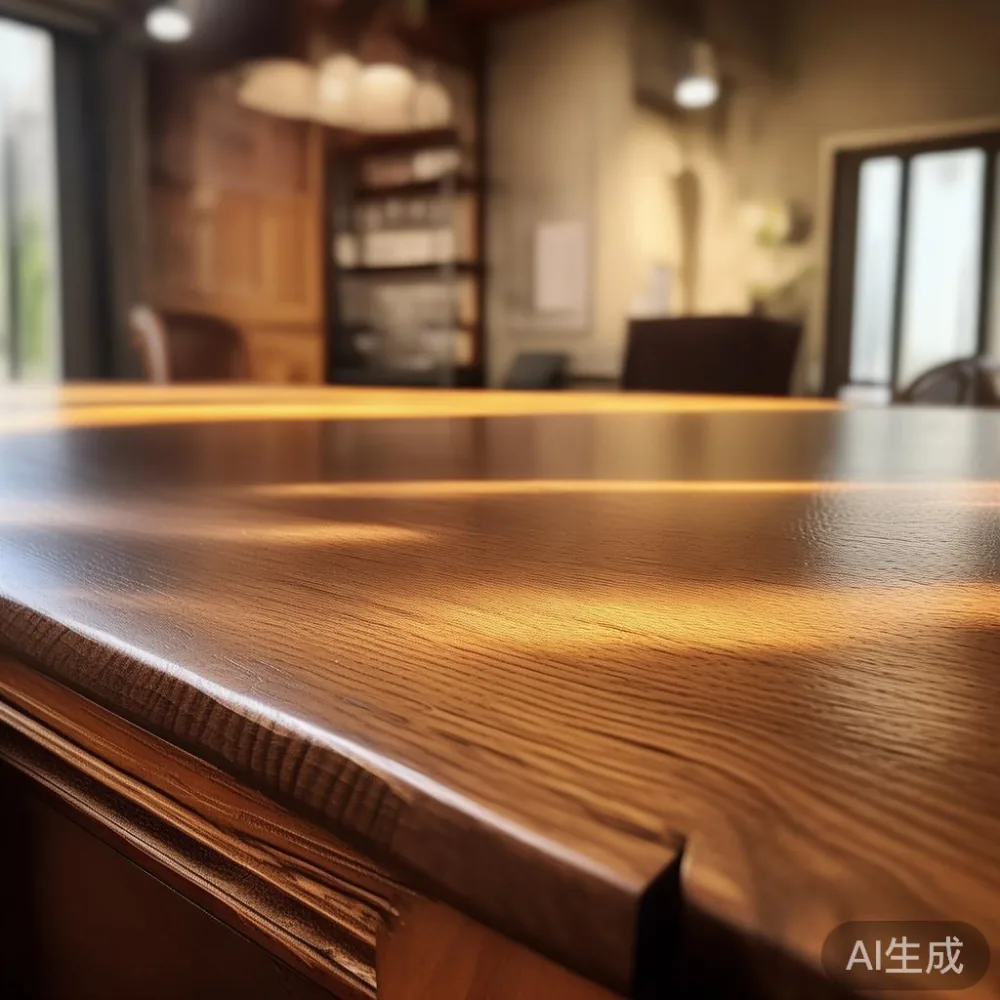
The most fundamental price divergence begins with the core material: solid wood versus engineered wood like MDF or particleboard. A solid wood office desk is constructed from a single, continuous piece of timber, such as North American oak or European walnut. This natural material comes with inherent characteristics. Each board has a unique grain pattern, and the wood will expand and contract with Singapore's humidity changes, a natural process known as movement. A high-quality solid wood desk is built with this in mind, using techniques like mortise and tenon joints or dowels, which are stronger than simple screws or nails. This construction ensures the desk remains stable and square for decades. In contrast, an engineered wood desk might be stable initially but is susceptible to moisture damage, warping, and delamination over time, especially in a humid climate. The cost of solid wood reflects its durability, longevity, and the superior joinery required to work with a living material. For a homeowner in a Bedok condo looking for a desk that will last through multiple renovations and relocations, the investment in solid wood is often justified by its lifespan and resilience.
The True Cost of Timber: How Wood Species and Sourcing Impact Your Office Desk
Not all wood is created equal, and the species chosen for an office desk is a primary driver of its price. Common, fast-growing woods like rubberwood or acacia are relatively affordable. A desk made from rubberwood might cost between SGD 1,200 and SGD 1,800. On the other hand, premium hardwoods like American black walnut, European cherry, or teak command a significantly higher price, often starting from SGD 2,500 and upwards. The cost is tied to several factors: the tree's growth rate (slow-growing trees are denser and more valuable), geographical availability, and the sustainability of the logging practices. For instance, teak is highly prized for its natural resistance to rot and insects, making it ideal for Singapore's environment, but its scarcity drives the price up. The sourcing and certification of the timber also add to the cost. Reputable manufacturers like MIDHILL, established in 2008, often source their wood from responsibly managed forests, which involves additional fees for certifications. This ensures the wood is harvested ethically and sustainably, a factor that contributes to the final price but also provides peace of mind to the consumer. Last month, I visited a workshop and saw firsthand how a single, beautifully figured walnut slab for a large office desk can cost more than a complete desk made from a more common wood, simply because of the board's size, quality, and aesthetic appeal.

From Workshop to Home: How Design, Labour, and Logistics Shape the Final Price
The journey of an office desk from a raw log to a finished product in a Singaporean home involves a significant amount of skilled labour, which is a major component of the cost. The process begins with design. A simple, rectangular desk requires less design work than a complex, post-modern light luxury piece with curved edges and integrated cable management. The design phase involves creating detailed drawings, often using CAD software, to plan every joint and dimension. Next comes the milling and shaping. Skilled craftsmen use a combination of hand tools and precision machinery to cut, plane, and shape the wood. This is where details like hand-carved details, intricate inlays, or a custom edge profile are added, each step adding to the man-hours and, consequently, the price. The finishing process is equally labour-intensive. It involves multiple stages of sanding, often by hand, to achieve a perfectly smooth surface, followed by the application of a durable, non-toxic finish like oil or lacquer. A high-quality finish not only enhances the wood's natural beauty but also protects it from daily wear and tear. For a piece of French light luxury furniture, this finish might be a hand-applied wax that requires buffing to a deep sheen, a process that takes days. This level of craftsmanship simply cannot be rushed, and the cost reflects the artisan's time and expertise.
Why Your Location in Singapore Affects the Price of Your Office Desk
Logistics and local market conditions play a surprisingly large role in the final price of an office desk. Singapore's geography presents unique challenges. Furniture is often manufactured in Foshan, China, as with MIDHILL, and then shipped to Singapore. This involves ocean freight costs, customs duties, and the 9% Goods and Services Tax (GST) applied to the landed cost of the goods. For a large, heavy item like a solid wood office desk, shipping can be a substantial expense. Once the desk arrives in Singapore, it must be transported to the customer's home. This is where the specifics of a Singaporean address become relevant. Delivering to a HDB flat in Tampines with a standard lift is straightforward. However, a delivery to a high-floor Punggol condo with a narrow service lift or a unit accessible only via a narrow corridor requires special handling. This might involve a smaller vehicle, additional manpower to carry the desk up stairs, or even hoisting the piece through a window. These specialised delivery services add to the cost. A standard delivery might be included for orders over SGD 350, but a complex delivery involving stairs or a tight lift could incur an extra charge of SGD 100 or more. This local context is factored into the pricing structure to ensure the product can be delivered safely and efficiently to any customer in Singapore.
What Does a Warranty and Return Policy Really Tell You About an Office Desk?
The warranty and return policy offered by a furniture company are strong indicators of the product's quality and the manufacturer's confidence in it. A company that provides a 10-year structural warranty is in effect guaranteeing the integrity of its joinery and construction. This is a significant commitment. It means they stand behind their work for a decade, a period far longer than the typical 1-2 year warranties found on cheaper, mass-produced furniture. This long-term protection is a form of value that is not immediately apparent in the price tag but is important for long-term satisfaction. Similarly, a lifetime refinishing warranty is a proof of the quality of the materials used. Solid wood can be sanded down and refinished multiple times, restoring its original beauty. A lifetime warranty on this service means the manufacturer is confident the wood will not fail or become too thin to refinish over the years. The 14-day return policy also adds a layer of security for the consumer. It allows time for the desk to be assembled and placed in the intended space, ensuring it fits both functionally and aesthetically. For a purchase as significant as an office desk, this policy reduces the risk of buyer's remorse. These policies are not just marketing points; they are part of the product's value proposition, justifying a higher price by providing long-term security and peace of mind.
Why Two Solid Wood Office Desks Can Have Drastically Different Price Points
When you compare two solid wood office desks, the price difference often boils down to a combination of the factors discussed: the grade of wood, the complexity of the design, the level of craftsmanship, and the brand's reputation. A desk made from standard-grade oak with a simple, clean design and a machine-applied lacquer finish will be on the lower end of the price spectrum. Conversely, a desk crafted from a single, premium slab of figured walnut with a live edge, hand-carved details, and a hand-rubbed oil finish will command a premium price. The brand's ethos also plays a part. A brand focused on French provincial for bedroom aesthetics might price its office desks to align with that light luxury vision, using more ornate details and higher-end materials. A consumer looking for wholesale French provincial furniture might find a desk that fits this style at a competitive price point, while another seeking a minimalist post-modern light luxury piece from a different brand might pay a similar or higher amount for a different kind of craftsmanship. The key is to understand what you are paying for. Are you paying for the intrinsic value of the material and labour, or are you paying for a specific brand name or design trend? For those searching for under 2000 light luxury furniture, it is possible to find a well-made, solid wood office desk that offers excellent value without the premium price tag associated with top-tier luxury brands. The goal is to find the right balance of quality, design, and price that meets your specific needs for your Singapore home.