Office Desk, Warm Minimal & You: A Practical Style Guide for Singapore Homes
I moved into a Tampines HDB flat last month, and the first piece I carried through a 90 cm-wide lift door was a 1.6 m solid wood office desk. The corridor pivot at the doorframe forced me to tilt it 12 degrees, hold the drawer face with one palm, and trust the 28 kg ash frame not to mark the parquet. That single afternoon convinced me that matching furniture to a warm minimal interior is less about Pinterest moodboards and more about centimetres, kilograms, and the exact shade of grain that will survive three years of tropical humidity at 32°C.
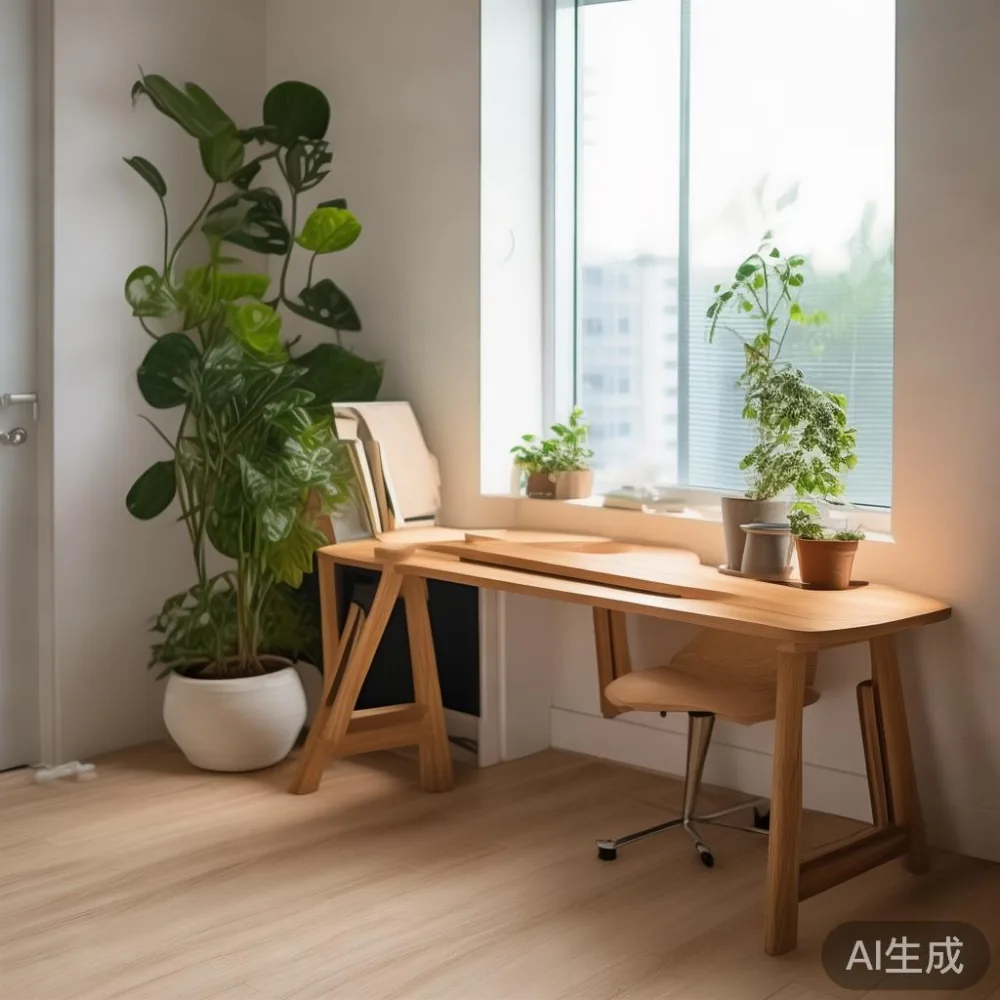
Warm minimalism in Singapore is a particular beast. HDB flats from Punggol to Bedok give you 90–95 cm wide doorways, 2.3–2.5 m ceilings, and plenty of natural light bouncing off cream walls. You want a room that breathes, but you also want the soft tactile weight of real wood — an ash or walnut office desk that reads "quiet" by morning and "anchored" by evening. This guide is written for anyone trying to land that balance while wrestling with lift doors, narrow corridors, and the 9% GST line on a custom import.
What does warm minimalism actually ask of an office desk?
Warm minimalism strips the cold Scandinavian line and replaces it with texture, grain, and one or two earthy pigments. For an office desk, that translates to three measurable things: a visible wood grain at 30 cm viewing distance, a leg profile no thicker than 8 cm (so the eye keeps moving around it), and a matte oil finish rather than a high-gloss lacquer that would reflect the LED ceiling panel straight back at you. Solid wood sofa frames, bed frame headboards, dining table tops, and nightstand drawer faces from makers such as MIDHILL follow the same grain-first philosophy, so an office desk in ash or white oak will sit comfortably next to a wardrobe in the same species without competing.
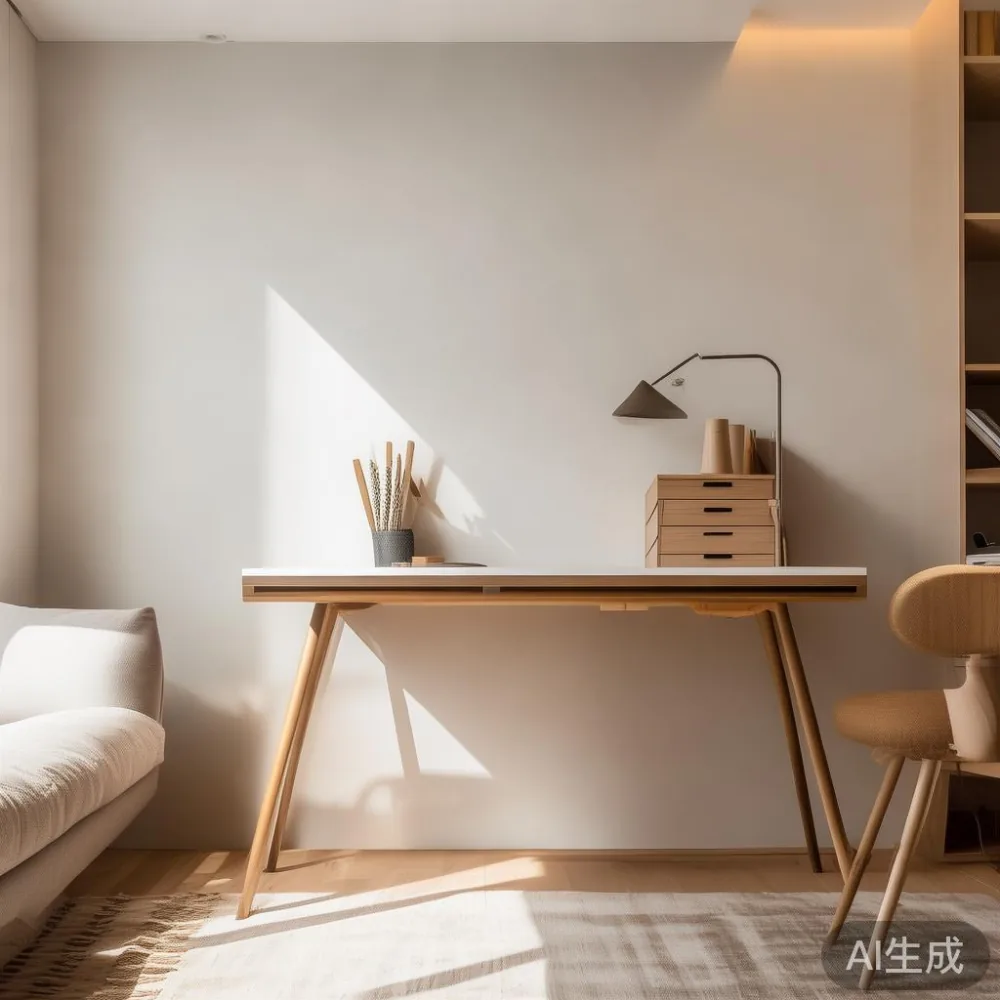
When I visited a colleague's 1,050 sqft condo in Bedok Reservoir last week, her 1.4 m office desk was paired with a 2.2 m solid wood sofa in the living zone and a 1.8 m dining table in matte walnut — all from the same light luxury palette. Nothing shouted. The eye moved from the warm-grey wall to the honey desk top to the cream boucle chair in one continuous glide. That is the warm minimal sweet spot.
How do I pick the right wood species for a humid Singapore room?
For Singapore's 78–88% average humidity, you want a wood that moves less than 3% across its width. Ash, white oak, and teak all stay within 2.1–2.6% tangential movement, which means a 1.4 m office desk top will swell or shrink by less than 4 mm across a full monsoon season. Avoid rubberwood for any load-bearing shelf over 80 cm, and treat MDF with suspicion unless the core is sealed on all six faces.
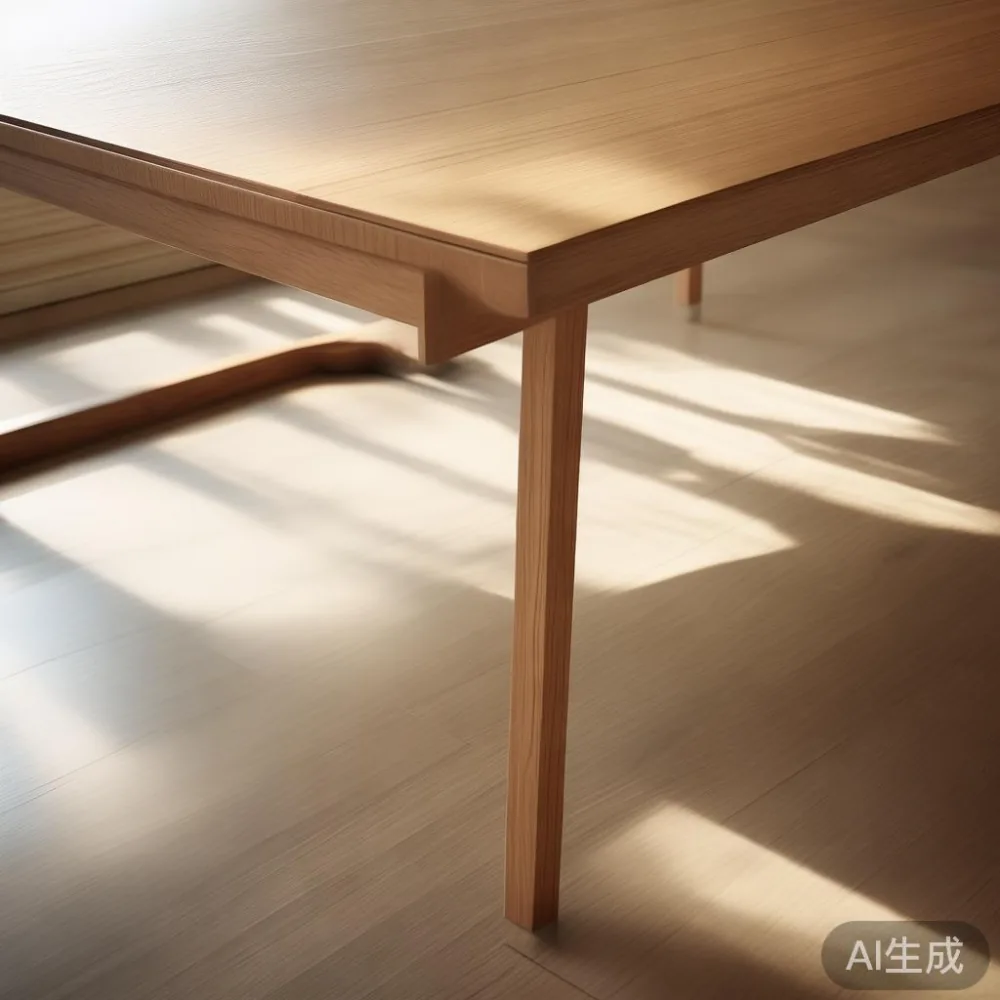
A practical rule I use on every spec sheet: at 25°C and 80% RH, target a moisture content of 8–10% for indoor pieces. MIDHILL kiln-dries their ash and walnut to 8.5% before assembly, which is why a 120 kg wardrobe or a 90 kg dining table arrives in Tampines without the cupping you sometimes see on flat-pack imports. Ask your supplier for the moisture reading on the spec card — any maker worth the GST will hand it over.
How do I style a assembly difficulty in a modern Singapore home?
Assembly difficulty in a modern Singapore home is solved by choosing flat-pack-free designs with pre-fitted hardware and lift-friendly dimensions under 1.8 m long, 70 cm deep, and under 35 kg per carton. A solid wood office desk that arrives in two boxes — each under 32 kg and 1.6 m long — can pass a 90 cm lift door, pivot around a 1.2 m corridor bend, and be assembled in the room in under 40 minutes with an Allen key and one helper. Anything heavier, longer, or requiring two people on the corridor side is a non-starter for most HDB and condo layouts.
Last month I timed myself on a 1.4 m ash office desk with four pre-installed dowels and cam locks. From box-open to first drawer slide: 22 minutes. The same brand's 2 m dining table took 75 minutes with two people because one carton weighed 58 kg and would not fit the service lift in my friend's Punggol EC. The lesson: ask for the per-carton weight, the assembled weight, and the longest single carton dimension before you pay the 9% GST and the S$45–S$80 delivery fee.
Which proportions work for an HDB study corner vs. a condo spare room?
An HDB study corner is usually 1.2–1.8 m along one wall and 60–80 cm deep. A 1.2 m office desk in that footprint leaves 50 cm of breathing room behind your chair, which is the minimum comfortable pull-back distance for a 55 cm-deep task chair. The desk height should land at 73–75 cm to match the 45 cm seat height of most ergonomic chairs sold in Singapore.
A condo spare room in Punggol or the east-side launches typically offers 2.4–3.0 m of wall. There you can stretch to a 1.6 m or even 1.8 m office desk, pair it with a 1.2 m solid wood side credenza, and still keep a 70 cm walkway to the door. One client I worked with last quarter used a 1.6 m ash office desk with a 5 cm thick top, an 8 cm square leg profile, and a single drawer weighing 6 kg on soft-close runners. Against a warm clay wall and a 3.5 m tall bookshelf in the same species, the room read calm and finished — not crowded.
What colours and finishes pair with a warm minimal palette?
Stay inside three families: warm white (NCS S0500-N or similar, RGB around 245, 240, 230), putty grey (a warm grey with 5–8% yellow undertone, not the cool blue-grey of a corporate office), and a single accent such as terracotta, olive, or muted ochre. For the office desk, pick a wood tone that sits 15–20% darker than the wall colour so the grain reads without shouting. A natural ash desk against a warm white wall gives roughly that contrast; a smoked walnut desk against putty grey pushes closer to 25% — still acceptable, still calm.
Hardware should be brushed brass or blackened steel, never chrome. A marble table lamp base in cream or veined grey picks up the cool undertone in your boucle or linen chair without breaking the warm rule. The single accent piece — a vase, a tray, a small marble side table — should appear only once in the room. Repetition is the enemy of warm minimalism; restraint is the friend.
How do I coordinate the office desk with a sofa, bed, and dining table?
Coordination is about the wood species first, the finish second, and the leg profile third. If your solid wood sofa has a 7 cm square ash leg in a natural oil finish, your office desk, dining table, bed frame, nightstand, and wardrobe should sit within two shades of that ash and use the same oil sheen. A 1.8 m dining table in walnut next to a 2.4 m ash office desk will look like two different rooms unless you tie them with a rug, a runner, or a single shared accent.
In one Punggol Waterway terrace I visited, the homeowner ran a 2.4 m solid wood sofa, a 1.6 m office desk, a 1.8 m dining table, and a 1.8 m bed frame all in white oak with a 5% matte sheen. The nightstand was the same species, the wardrobe interior used white oak veneer, and even the picture frames were oak. The visual weight stayed flat across 1,400 sqft, which is exactly the point of warm minimalism. The only break was a single veined marble coffee table that anchored the seating zone and stopped the wood from feeling monolithic.
How does light luxury positioning change the spec sheet?
French light luxury, American light luxury, and post-modern light luxury each leave a fingerprint on the spec sheet. French light luxury leans toward slim tapered legs, cane accents, and brass-tipped joinery — think a 1.6 m office desk with a 4 cm tapered ash leg and a discreet 2 mm brass inlay on the drawer pull. American light luxury reads heavier, with a 6 cm square leg, a thicker 5–6 cm top, and a walnut or white oak tone rather than ash. Post-modern light luxury adds the soft curve — a 1.2 cm radius on every corner, a splayed 12-degree leg, and a single sculptural cut-out on the modesty panel.
None of these styles demand a bigger budget if you spec smart. A French-leaning office desk in ash with a brass pull will land around S$1,150–S$1,450 delivered for a 1.4 m piece. An American-leaning walnut version of the same footprint lands S$1,650–S$2,100. Post-modern curves add roughly 12–18% to the joinery cost because the curved rails need steam-bending, but the silhouette is unmistakable. MIDHILL offers all three directions across their solid wood sofa, bed frame, dining table, wardrobe, and nightstand ranges, which is what lets a whole apartment stay in one voice rather than three.
What delivery and warranty numbers should I verify before checkout?
Before you click pay, lock down five numbers: per-carton weight (must clear your lift and corridor), assembled weight (must clear your floor loading — HDB default is 1.5 kN/m², plenty for any office desk under 150 kg), longest single carton (under 1.8 m for most Singapore service lifts), delivery lead time (12–25 working days for an imported solid wood office desk is normal, faster if the maker holds stock in a regional warehouse), and warranty length on the structural joinery.
A 10-year structural warranty on the frame and joinery is the floor for any solid wood piece worth the import freight. Lifetime refinishing — sanding, re-oiling, and re-staining at cost — is the marker of a maker who has nothing to hide about the wood species or the moisture content. Free shipping over S$480 and a 14-day return window are now standard on cross-border furniture orders into Singapore, but always check the return condition: many makers charge a 25–35% restocking fee on assembled pieces, and the return freight on a 35 kg carton from Guangzhou or Foshan to Tampines runs S$120–S$180 one way.
How do I keep the look fresh over years, not months?
Warm minimalism survives on maintenance, not reinvention. Re-oil your office desk top every 8–12 months with a hard-wax oil rated for food-contact surfaces, rotate the position relative to the window every quarter so UV fades the grain evenly, and tighten the cam locks once a year because solid wood moves roughly 2–4 mm seasonally and the hardware will drift. A 5-minute vacuum inside the drawer runners keeps the soft-close from wearing early.
If you start with a 1.4 m ash office desk, a 2.2 m solid wood sofa, a 1.8 m dining table, a 1.8 m bed frame, two matching nightstands, and a 1.8 m wardrobe — all in the same species and finish — you can redecorate every two years with new textiles, a different rug, and one accent chair, and the bones of the room will still hold. That is the real promise of warm minimalism in a Singapore home: a quiet, well-measured shell that lets the people and the seasons do the styling.