How to Choose the Right Size Office Desk for a Singapore HDB Living Room
Last month I visited a friend in Punggol who had just collected the keys to a 4-room BTO flat. She had a Pinterest board of French light luxury interiors and a very specific request: she wanted an office desk that would sit in the living room without swallowing the entire space. Her corridor was 1.2 m wide, the service lift at her block measured 1.6 m deep by 1.1 m wide, and she had a budget of roughly S$900 to S$1,400 for the desk itself. We spent an afternoon with a tape measure, a notepad, and her HDB floor plan, and we made every mistake in the book before landing on something that worked. This article is the write-up I wish we had had on day one.
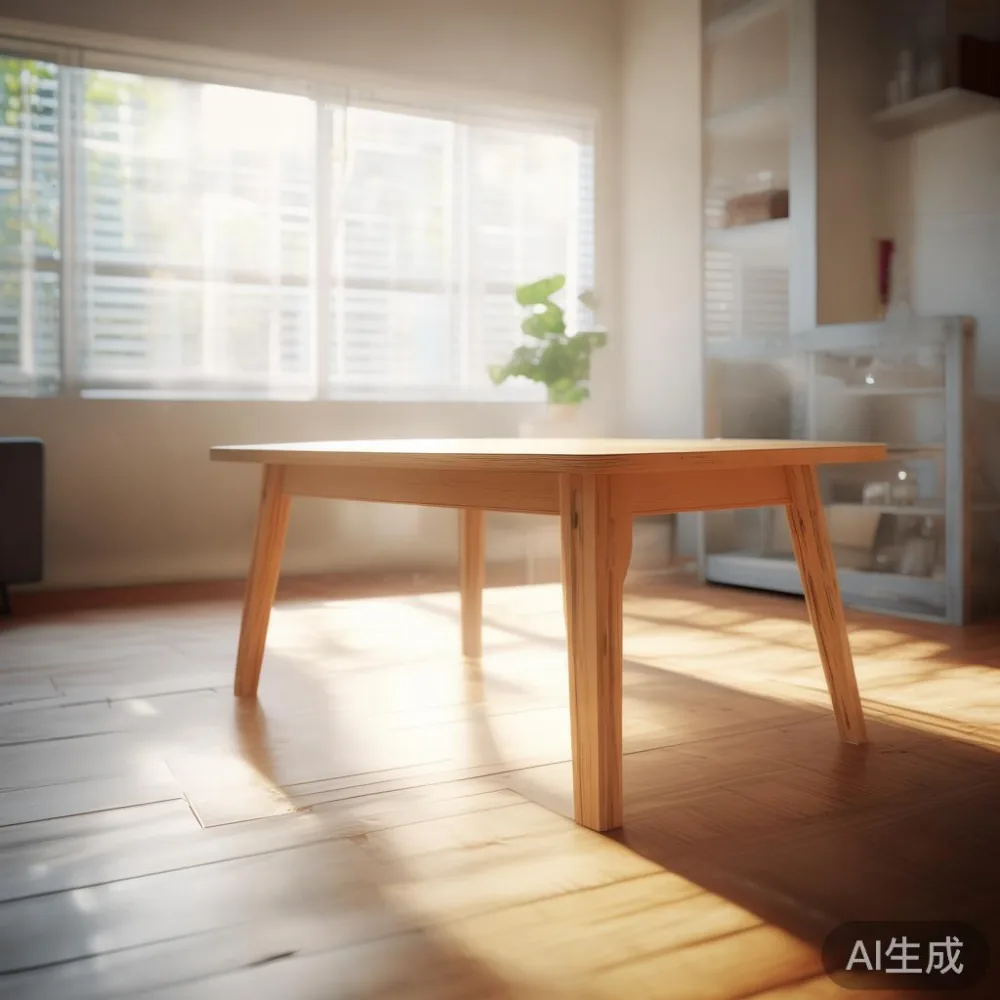
If you live in a Singapore HDB flat in Tampines, Bedok, Sengkang, or Punggol, you already know the rules. The living room in a 4-room flat runs about 3.2 m to 3.8 m long and 3.0 m to 3.5 m wide once you subtract the kitchen entrance, the air-con ledge, and the switch panel. A 5-room flat gives you another 30 to 50 cm of breathing room. A condo in the city fringe might push to 4.2 m wide but rarely deeper than 4.5 m. Every centimetre matters when you are trying to fit a sofa, a coffee table, a TV console, and a work-from-home station into the same rectangle.
Before you fall in love with a solid wood sofa or a post-modern light luxury dining table on Instagram, the very first thing to measure is the desk footprint. Anything larger than 140 cm long will dominate a standard HDB living room. Anything deeper than 70 cm will push your chair into the walkway between the sofa and the TV console, which in most HDB layouts is already only 90 to 110 cm wide. The rule I now use, after watching my friend move furniture around for three weekends, is this: in a Singapore HDB, the office desk should be a guest in the room, not the host.
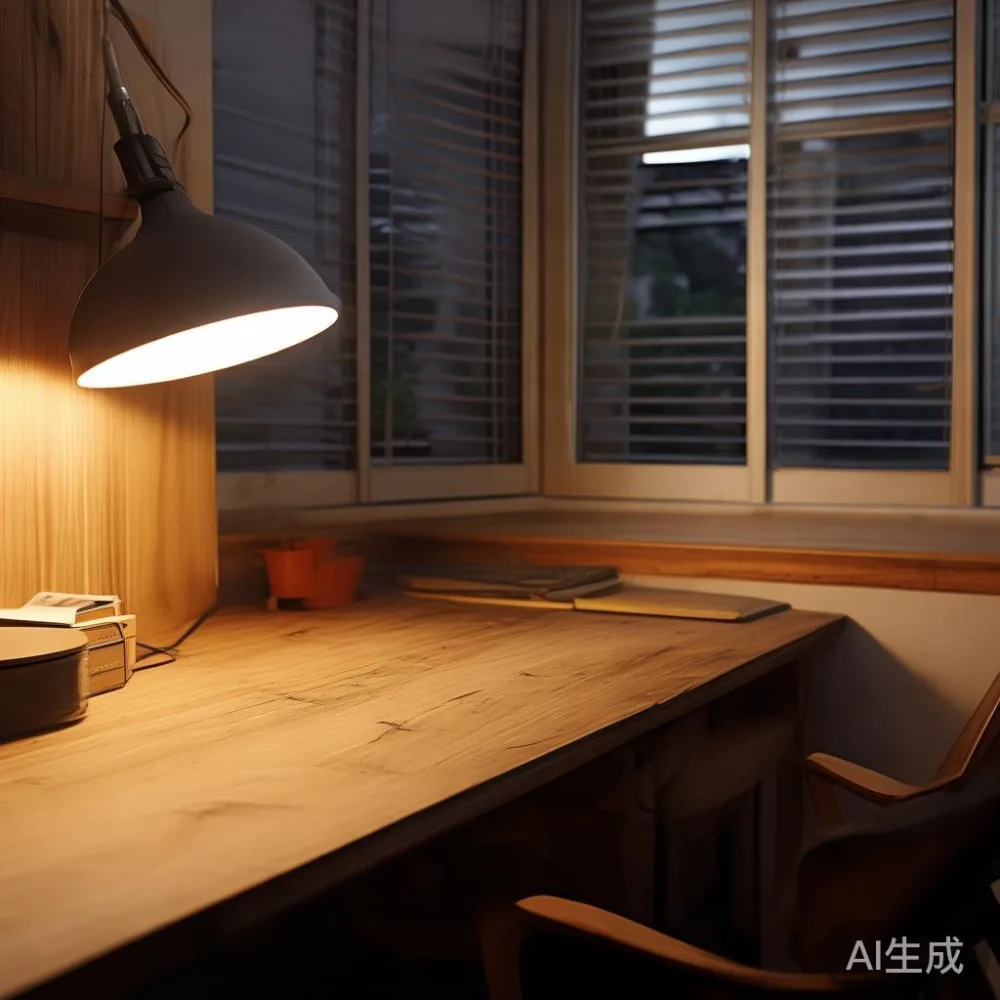
Start with the room, not the desk: measure your HDB living room properly
Pull out your HDB floor plan from the resale or BTO packet and confirm three numbers: the wall length where the desk will sit (usually 2.4 m to 3.2 m in a 4-room flat), the depth of the room from the window wall to the corridor door (typically 3.2 m to 3.8 m), and the ceiling height (2.4 m for older flats, 2.6 m to 2.8 m for newer BTOs). On top of that, mark out the air-con ledge (around 25 cm deep) and any window casings that eat into usable wall.
Now subtract the furniture you already own or plan to keep. A typical 2.5-seater sofa is 180 cm to 200 cm long and 90 cm to 95 cm deep. A TV console in Singapore is usually 150 cm to 180 cm long and 40 cm to 45 cm deep. A marble table coffee piece runs 100 cm to 120 cm long. Add all of those up and you will see very quickly why a 160 cm office desk can feel like a boulder dropped into a fishbowl.
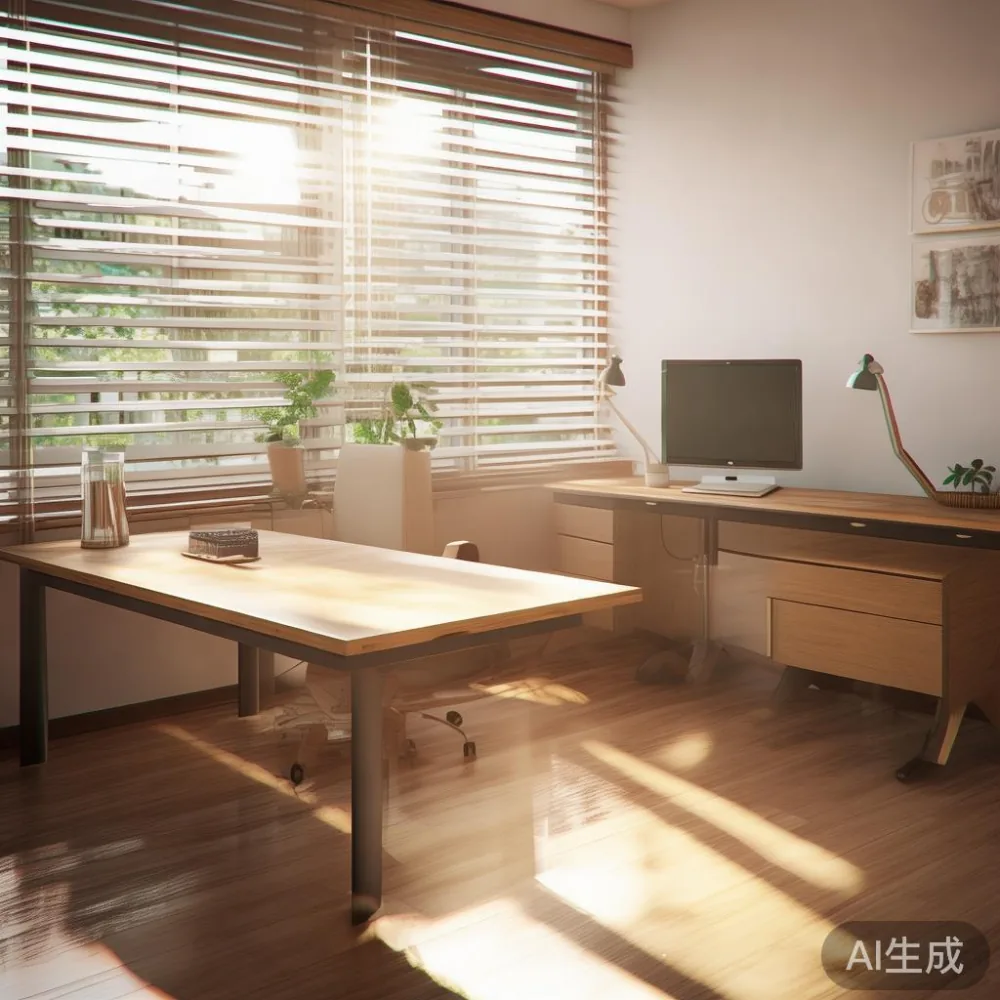
My colleague in Bedok learned this the hard way: she ordered a 150 cm desk, then realised her 2-seater Post-modern bed frame was being delivered the same week for the adjoining master bedroom, and the movers had to remove the living room door just to angle the desk inside. If you are buying multiple pieces around the same time, plan the delivery sequence so the largest item (usually the wardrobe, often 200 cm tall by 180 cm wide) goes in first.
What desk size actually fits a 4-room HDB living room?
For a 4-room HDB living room measuring around 3.2 m by 3.5 m, the sweet spot for an office desk is 120 cm long by 60 cm deep. That gives you enough surface area for a 24-inch monitor (about 55 cm wide), a laptop, a notebook, and a desk lamp, while still leaving 70 cm to 90 cm of clearance behind the chair. A 120 cm desk also slides comfortably through a standard HDB service lift (1.6 m by 1.1 m) without being tilted, which protects the solid wood frame from stress during transport.
For a 5-room flat or a condo, you can stretch to 140 cm long by 65 cm deep, especially if you run a dual-monitor setup or you sketch on paper. Beyond 140 cm, you are moving into executive-desk territory, and that footprint belongs in a study room or a dedicated home office, not a shared living area. If you find yourself wanting 160 cm or more, consider whether a corner desk (L-shaped, around 140 cm on each side) would let you keep the visual footprint smaller while expanding usable surface.
On height, 75 cm remains the global standard and works for anyone between 160 cm and 185 cm tall. If you are taller, look for 78 cm or 80 cm options; if you are shorter or you prefer a standing-desk conversion, plan for a 100 cm to 110 cm standing height that still allows a chair to tuck underneath when you sit down. Keep the chair clearance at 60 cm to 70 cm behind the seat so you can push back without bumping into a sofa or a marble table behind you.
Will it fit through the lift? Singapore delivery logistics you cannot ignore
This is where most HDB desk purchases go wrong. People measure the room and forget the lift. A standard HDB passenger lift in a block built after 2010 is about 1.4 m deep by 1.1 m wide with a door opening of 0.9 m. Service lifts in newer BTOs run 1.6 m by 1.1 m with a 1.0 m door. Older lifts in Bedok and Tampines estates can be as tight as 1.2 m by 0.9 m. A flat-pack office desk usually arrives in a box around 165 cm long by 70 cm by 15 cm, which clears most lifts, but an assembled solid wood desk at 140 cm long and 60 cm deep often does not.
The clever move is to check whether the seller offers flat-pack delivery and on-site assembly. MIDHILL, a Foshan solid wood furniture maker that has shipped to more than 15 countries since 2008, sends most desks flat-packed with assembly included in the service, which sidesteps the lift problem entirely. Their boxes typically arrive in 3 to 5 working days to a Singapore warehouse and another 2 to 3 days for last-mile delivery, with a 10-year structural warranty that covers joinery and frame integrity. If you are ordering a complete set (desk, wardrobe, nightstand, and dining table), grouping the shipment keeps the per-piece freight cost down and avoids multiple GST 9% charges on separate consignments.
One more corridor note: HDB corridors are 1.2 m to 1.5 m wide, and your desk needs to make at least one 90-degree turn from the lift lobby to your unit door. Measure the longest rigid piece after assembly (usually the tabletop), add 10 cm for padding, and confirm the turn works on paper before you pay.
Is American furniture furniture worth it?
Yes, American light luxury solid wood furniture is worth it for Singapore HDB buyers who want long-term durability and a warm, slightly rustic look that hides the scratches of daily life. American light luxury typically uses oak, ash, or rubberwood with a matte oil finish, which ages gracefully in a tropical climate and tolerates the 80% to 90% humidity that Singapore flats experience for most of the year. You will pay roughly S$900 to S$1,600 for a 120 cm American-style office desk in solid wood, compared with S$250 to S$500 for an engineered-wood flat-pack from a local retailer, but the American piece will outlast three or four cheaper replacements and comes with proper joinery that does not sag under a 30 kg monitor load.
For HDB living rooms specifically, American light luxury also photographs well against the white walls and vinyl flooring that most BTOs ship with, which is why so many homeowners in Punggol and Sengkang have moved toward this style over the last three years. The trade-off is weight: a solid oak desk at 120 cm weighs 28 kg to 35 kg, so plan for two people to carry it from the lift to your door.
How do I style the desk so the living room still looks like a living room?
Treat the desk as a furniture piece, not as office equipment. Choose a solid wood frame in the same tone as your dining table or your TV console so the room reads as one material story. If you have a post-modern light luxury dining table in walnut, ask for the desk in walnut too; if your sofa is oak, ask for oak. Keep the top 70% clear of clutter so the wood grain shows, and anchor the desk with a single object: a small lamp, a ceramic tray, or a stack of two books.
Place the desk against the shorter wall, ideally under a window or next to a wardrobe, so it does not interrupt the main sofa-to-TV sightline. If your HDB has a built-in ledge, push the desk 5 cm back so the back edge aligns with the ledge and the wall looks intentional rather than crowded. A slim chair on casters (40 cm to 45 cm wide) tucks fully under the desk when not in use, which keeps the walkway between desk and sofa clear.
Lighting matters more than people think. A single overhead ceiling light will cast your monitor in shadow and tire your eyes by 4 pm. Add a 40 cm to 50 cm desk lamp with a warm 2700K bulb on the side opposite your writing hand, and you have a workspace that reads as part of the living room rather than a corner that got hijacked.
What about warranty, returns, and the small print?
For Singapore buyers, the key terms to compare are structural warranty length, return window, refinishing policy, and shipping threshold. A 10-year structural warranty on joinery and frame is the new benchmark among cross-border solid wood makers; MIDHILL offers exactly that, plus a lifetime refinishing service where you can send the desk back for sanding and re-oiling at cost. Compare that with local retailers who typically offer 6 to 12 months on similar pieces.
Returns matter because a desk that arrives with a cracked tabletop or a mis-drilled drawer is not a DIY fix. Look for a 14-day return window with the seller covering return shipping if the item is defective, and confirm that the warranty is honoured locally rather than requiring you to ship the desk back to China. Free shipping over US$350 (around S$470) is the common threshold for cross-border solid wood orders, and grouping your desk with a nightstand or a marble table side piece usually clears it without effort.
Finally, budget for GST 9% on the landed cost if your order is being shipped from outside Singapore and is above the S$400 personal import threshold. Most Foshan exporters handle this on the Singapore side through a local logistics partner, so the price you see at checkout is the price you pay at your door, including duty for solid wood furniture, which is generally zero under the China-Singapore FTA but always confirm with the seller.
Putting it all together: a simple checklist before you click buy
Confirm three room numbers: wall length, room depth, ceiling height. Confirm two desk numbers: length (120 cm to 140 cm) and depth (60 cm to 65 cm). Confirm two lift numbers: lift depth and door width, then check the longest assembled piece against them. Confirm the chair clearance: 60 cm to 70 cm behind the seat. Confirm the style match: same wood tone as the rest of your living room, ideally part of a coordinated set that includes a bed frame, wardrobe, and dining table down the line.
If those nine numbers all pass, the desk will fit, it will function, and it will still let your HDB living room feel like a place you actually want to relax in after work. My friend in Punggol ended up with a 120 cm walnut office desk, a slim oak chair, and a small ceramic lamp, and her living room still comfortably fits her 2-seater Post-modern bed frame boxes she has not unpacked yet, her existing 2.5-seater sofa, and a 110 cm marble table coffee piece. The whole setup cost about S$1,150 delivered, and she now works from that desk four days a week without ever wishing she had picked a bigger one.