A Practical Care Guide for Lacquered Office Desks in Singapore
Singapore’s heat, humidity, sunlight, and everyday use can leave a lacquered office desk looking tired faster than the same surface in a temperate climate. At MIDHILL, we believe that good furniture should age with grace, provided it is cared for with the right products and a sensible routine. A lacquered office desk may be finished in gloss, satin, or matte lacquer, yet the basic care principles remain consistent: control moisture, avoid standing water, prevent abrasion, and clean spills promptly.
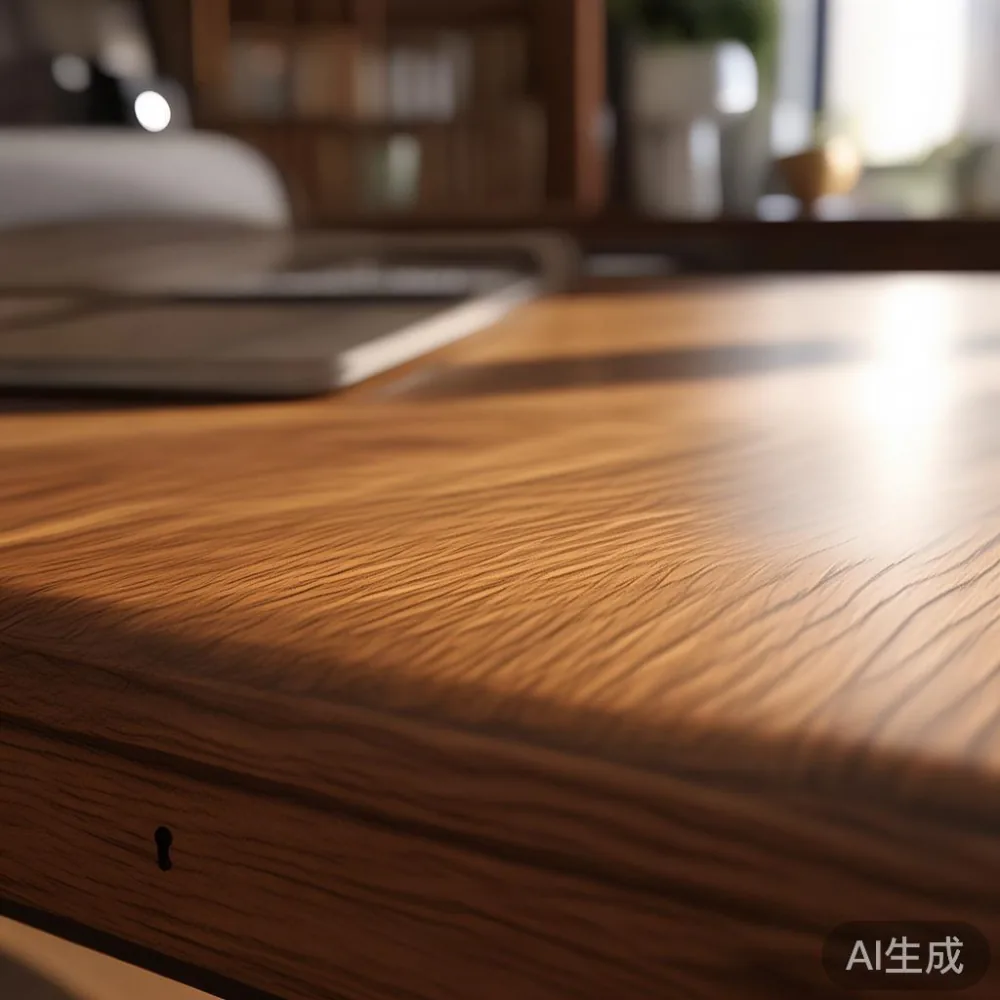
This guide is written for Singapore homes and workplaces, including compact HDB flats in Tampines, Bedok, and Punggol, as well as larger condos where an office desk may sit beside a sunny window. You will find practical measurements, recommended frequencies, and product-care guidance below.
Why does lacquer need special care in Singapore?
Singapore’s annual relative humidity commonly sits between 70% and 90%. Lacquer itself is generally durable, but repeated humidity changes can affect the timber underneath, while moisture trapped against a surface may leave haze, dullness, or bubbling around a damaged area. A kitchen or balcony near an office desk can expose it to condensation, cooking steam, rain, and salty air carried on shoes or clothing.
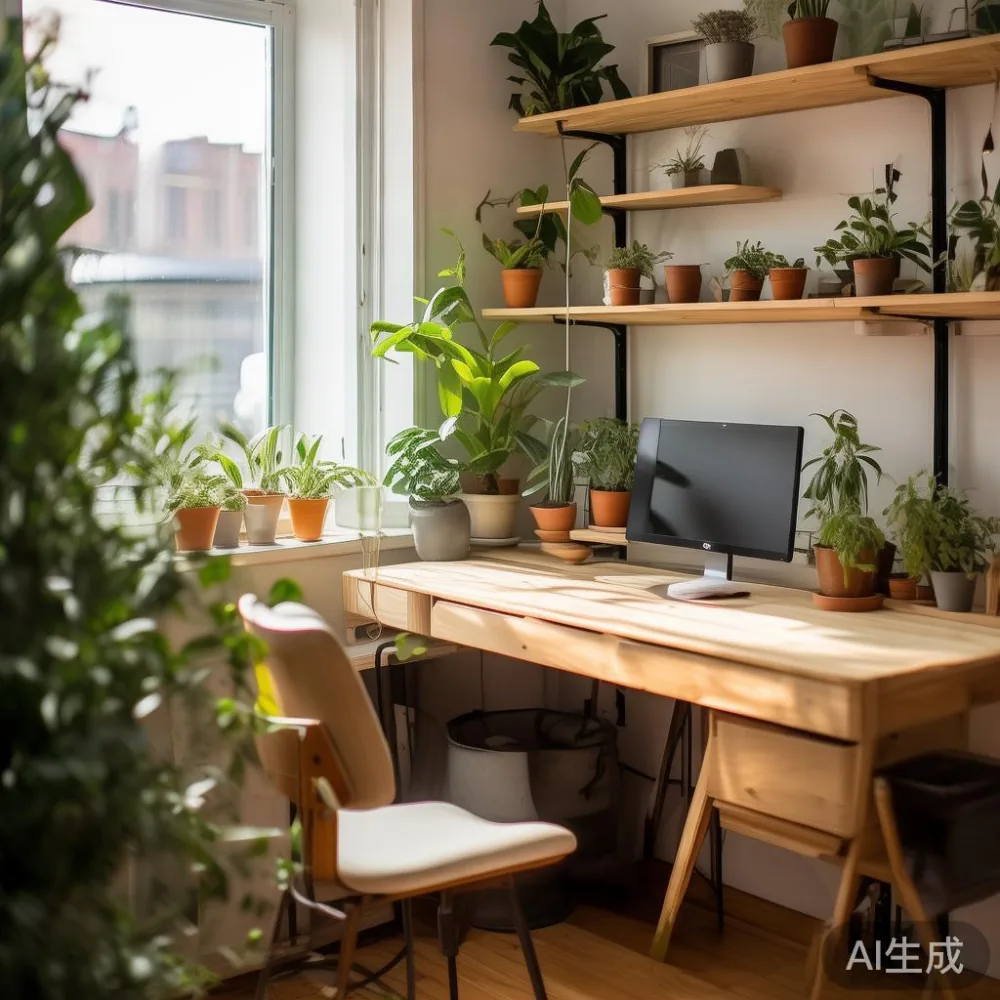
Temperature also matters. Keep the desk at least 30 cm away from an air-conditioner vent, and avoid placing it immediately beside a window where direct sun can raise the surface temperature above 40°C. Aim for a stable indoor range of about 22°C to 28°C. Maintain at least 45% relative humidity where possible, although this should never be achieved by spraying water directly onto furniture.
Lacquer finishes can be water-based, polyurethane, acrylic, or conversion films. The care routine should always follow the finish supplied with your specific product. If the manufacturer permits water, use a clean, lightly damp cloth; if the finish requires a solvent or specialist cleaner, use that product sparingly and test it on an inconspicuous area first.
What should I use to clean a lacquered office desk?
For routine cleaning, mix 5 ml of mild dishwashing liquid with 500 ml of lukewarm water. The solution should feel nearly clear and should not foam heavily. Dip a soft microfibre cloth into the mixture, wring it out until only damp, and wipe the surface in small circles. Follow with a second clean microfibre cloth to remove residue.
Do not use a soaked cloth, a dripping sponge, abrasive pads, steel wool, scouring powder, bleach, ammonia, vinegar, alcohol-based glass cleaner, or ordinary furniture polish unless the desk manufacturer confirms that it is safe. Avoid spraying cleaner directly onto lacquer because overspray can penetrate joints or leave a cloudy film. A folded cotton cloth can also be used, provided it has no loose threads.
For frequent wiping, limit the damp surface to no more than roughly 60 cm by 60 cm at a time. Never leave pooled water around cable holes, drawer runners, seams, or edges. Allow the desk to dry for at least 30 minutes before placing objects back on it. On a humid day, use a fan positioned at least 1 m away rather than a hair dryer.
Solid wood furniture deserves equally careful treatment. A French provincial sofa, for example, should be vacuumed every 7 days with a 10 cm upholstery nozzle, while the timber frame should be kept away from damp walls. When comparing a light luxury sofa vs Mid-century modern sofa, finish durability matters as much as style: confirm the lacquer or coating specifications before making a selection.
How often should I wipe down my office desk?
A simple schedule works well in a typical Singapore home:
- Daily: remove cups, stationery, and other objects. Wipe any visible mark with a dry microfibre cloth.
- Every 2 to 3 days: clean the working area with the diluted solution described above.
- Every 2 weeks: vacuum the underside, drawer interiors, cable spaces, and edges with a brush attachment.
- Every 3 months: inspect the lacquer for chips, bubbles, whitening, or lifting at edges.
- Every 6 to 12 months: check that the desk is not touching damp walls and that door or drawer movement remains clear.
Do not establish a “wet” cleaning routine. Over-cleaning can reduce the life of some finishes. If the desk is used for writing, place a felt or cork pad under a laptop and a separate coaster beneath a drink. A cup with a 9 cm base should have at least 2 cm of clearance around it.
For the wider home, similar timing applies to a solid wood sofa, bed frame, dining table, wardrobe, nightstand, and marble table. A dining table should be wiped after each meal and deep-cleaned every 7 days. A marble table must never receive acidic liquids, including lemon juice, wine, or vinegar. Upholstery and stone surfaces require their own approved products rather than sharing a lacquer formula.
How do I remove stains, scratches, and sticky marks?
Start by identifying the material of the mark. Ink from a ballpoint pen can often be lifted by pressing a clean white cloth lightly onto the spot for 10 seconds, then moving rather than rubbing. Follow with a barely damp cloth and dry immediately. Do not use a blade, which can scratch lacquer or cut through a film.
For sticky adhesive, lift as much as possible with a soft wooden spatula. A tiny amount of food-grade mineral oil on a cloth may loosen residue, but wait at least 24 hours before testing it because some lacquers are oil-sensitive. If the finish manufacturer advises against oil, use a cleaner approved for that exact lacquer type.
Hair scratches usually need only a soft cloth and mild cleaning solution. Deeper cuts exposing timber are a different matter. Photograph the damaged area, record its approximate length in cm, and contact the supplier for repair guidance. Do not apply paint, filler, or household resin without advice; a mismatched repair may be more noticeable than the original mark.
For an HDB flat, protect common pinch points. Wrap sharp drawer pulls with a clear felt strip and keep transit cartons away from the desk edges. Before carrying a desk through a corridor, measure both the package and the route. A standard HDB lift opening may be about 80 cm wide and 100 cm deep, so compact packaging is often more important than the desk’s assembled dimensions.
Can sunlight and heat damage a lacquered office desk?
Yes. Ultraviolet light can fade pigments and weaken some topcoats, while heat can soften adhesive lines and make lacquer look uneven. In a Tampines flat with east-facing windows, shift the office desk at least 60 cm away from direct morning sun. In a west-facing Bedok unit, use a UV-filtering curtain or blind with an opacity rating of at least 80%. A screen or glass film can reduce exposure without blocking ventilation.
Keep hot devices such as a kettle, hot mug, or steam-producing appliance at least 40 cm from the finish. A cup of coffee at 60°C should not be placed directly on the lacquer; use a cork coaster with a minimum diameter of 9 cm. For lighting, use LED lamps rather than halogen bulbs, and keep the desk surface below roughly 35°C during normal use.
Light-luxury furniture can suit these interiors well. European light luxury for apartment projects often relies on pale oak, restrained profiles, and subtle reflective finishes. Likewise, light luxury for apartment layouts benefits from slim profiles and warm tones that visually enlarge a room. An Italian light luxury sideboard may use high-gloss cabinetry, but an office desk needs a more practical satin or matte finish if fingerprints and daily writing are expected.
How should I move an office desk without damaging the lacquer?
Measure the desk, its packaging, and the complete route before delivery. Include lifts, corridors, door hinges, turns, and stair landings. In many Singapore condos, a large lift may accommodate a long package diagonally, but the driver must still check the lift’s posted capacity and internal dimensions. If a desk is wider than 90 cm, check whether it must be disassembled rather than turned on its side.
Protect the surface with a moving blanket at least 5 mm thick and corner guards with 10 cm coverage. Carry the desk by its structural frame, not by the lacquered top, drawer fronts, or cable openings. A two-person move is sensible once a desk exceeds 45 kg or when a package exceeds 120 cm in length. Remove detachable drawers and secure each one separately.
On arrival, allow the desk to acclimatise for at least 24 hours before heavy use. Keep it 5 cm from a wall where possible, and leave ventilation space around the rear panel. Position chair arms so they do not rub the lacquer. For electric desks, follow the controller’s warm-up procedure and avoid repeated rapid height changes during the first 7 days.
Delivery pricing may be shown in SGD, and buyers should check whether GST is included. A service charge of SGD 45 to SGD 120 can cover a difficult Singapore lift or corridor move, though the exact fee depends on access and packaging. Always request a written quotation with the delivery days, insurance terms, and damage procedure stated clearly.
What is the safest way to store things on the desk?
Use the desk as a working surface rather than a display shelf. Keep heavier items near the structural centre and leave at least 10 cm from the edge. A monitor arm should be fixed according to the desk’s instructions; do not drill through a lacquered top unless the supplier has approved the procedure.
Accessories matter. Choose felt pads, silicone coasters, or cork barriers rather than PVC rings that can yellow or stick. Keep stationery in closed containers so ink does not sit in contact with the surface. Place a 1 cm silicone edge around decorative trays, and avoid rubber bands resting against lacquer for more than 30 minutes.
For coordinated furnishings, the same restraint supports a solid wood bed frame, dining table, wardrobe, and nightstand. If a customer asks “is American wardrobe worth it,” the answer should cover humidity, internal fittings, carcass construction, and warranty—not merely appearance. A solid wood sofa should be positioned away from damp exterior walls, while a marble table needs a stable, dry base and level support.
What should I do if the lacquer starts lifting or bubbling?
Stop heat exposure, stop applying cleaners, and remove nearby objects carefully. Do not press the bubble, puncture it, or peel the edge. Photograph the affected area in daylight, include a ruler for scale, and note when the issue appeared. If the lacquer lifts by more than 5 mm, has a strong chemical smell, or exposes damp timber, arrange professional assessment promptly.
Minor surface marks can sometimes be treated by an approved touch-up kit. Matching colour by eye is unreliable, and sanding through a thin lacquer layer can expose the substrate. Professional refinishing is usually safer for a large office desk, particularly one with curved edges or a high-gloss finish.
MIDHILL offers a 10-year structural warranty and lifetime refinishing for eligible furniture, so buyers should retain the original order details, finish specification, and maintenance record. Warranty scope should always be confirmed in writing, including exclusions for liquid exposure, impact damage, and unauthorised chemicals. For a future purchase, review the finish, care instructions, room conditions, and delivery access before confirming an order.
Which lacquered office desk suits a Singapore apartment?
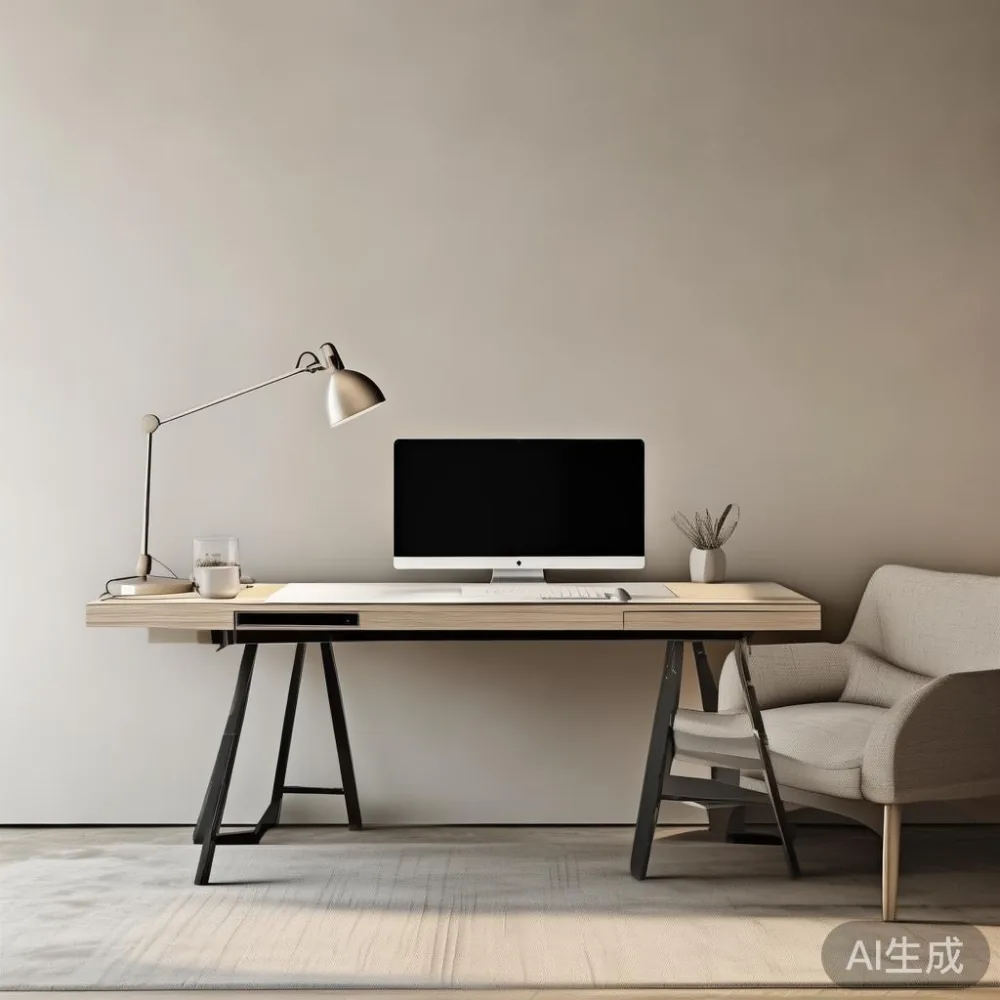
Choose a finish that suits both the room and the routine. Satin or matte lacquer usually hides fingerprints better than a mirror-gloss surface and remains practical for writing. For a compact HDB study, a desk depth of 50 cm to 60 cm and width of 100 cm to 120 cm often works well. Check that a 120 cm model can pass through the lift and corridor before ordering.
Look for solid timber or a well-engineered structural core, stable drawer runners, rounded edges, and cable management suited to the available depth. A desk height of 72 cm to 76 cm is common, although the correct ergonomic height depends on the user and chair. A seated user may prefer a 74 cm desk, while a standing user may need a sit-stand system with a range of approximately 65 cm to 125 cm.
Design references can guide the room without overwhelming it. French light luxury often brings curved profiles, pale upholstery, and crafted timber, while American light luxury favours clean lines, warm woods, and durable performance fabrics. Post-modern light luxury can combine restrained geometry with a few distinctive details, such as a shaped edge or integrated cable port.
When comparing products, ask for the exact lacquer type, sheen level, cleaning instructions, expected lead time, and repair process. For anyone searching for the best French provincial sofa for 2026, durability and comfort should be assessed in the same way as a desk finish. A sofa may soften a study, but it should not obstruct circulation or sit directly against a damp wall.
Use a window-blind schedule, coaster system, and weekly wipe-down to keep the office desk in good condition. Small habits—5-minute spill response, 30-minute drying time, and a 2-week cleaning interval—can protect the finish for years without making the process burdensome.