Lacquered Office Desk Care for Singapore Homes
A lacquered office desk can look crisp and refined in a Singapore home, but tropical humidity, daily handling and repeated air-conditioning cycles can gradually affect the finish. Condensation forms when warm outdoor air meets a cooler room, sunlight carries UV radiation through east-facing HDB windows, and metal desk hardware can leave small marks around hinges and cable openings. Proper care is less about complicated treatment and more about controlling moisture, heat, friction and cleaning habits.
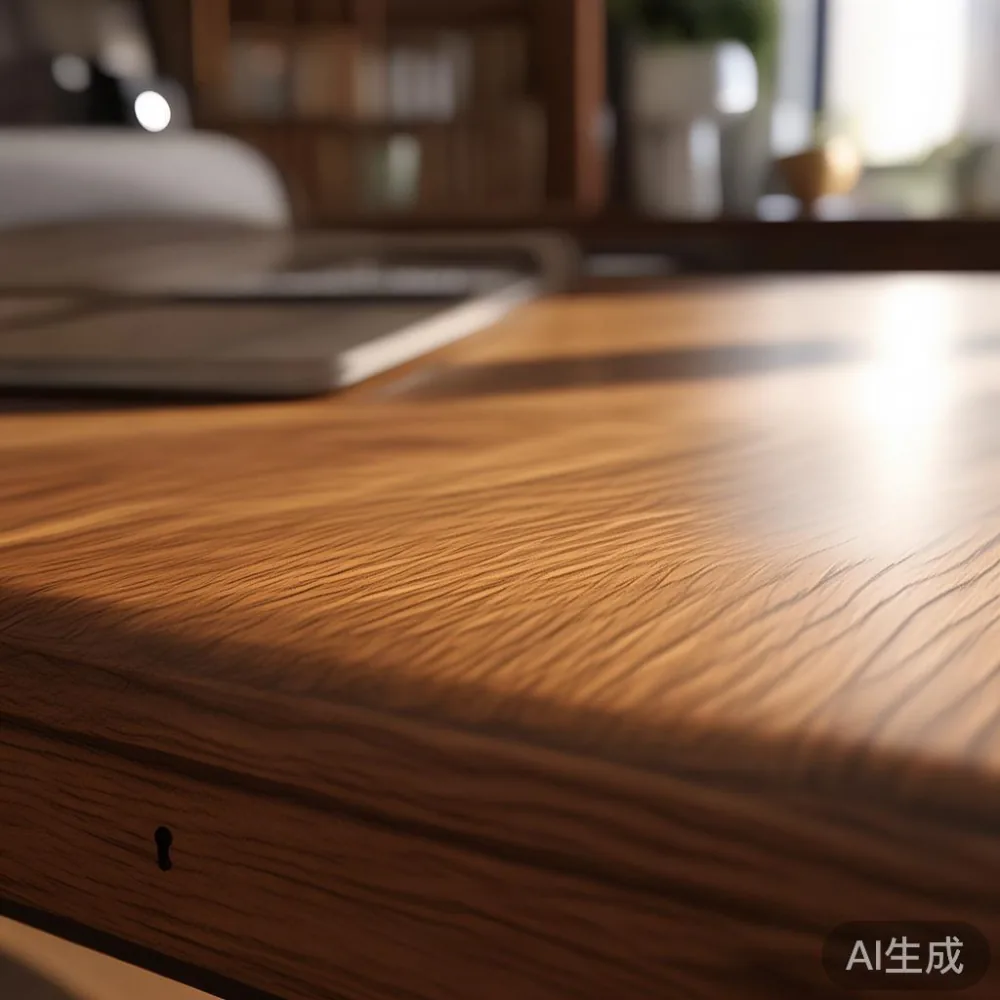
MIDHILL designs lacquered office desks with the restrained proportions associated with French light luxury and the practical detailing common to American light luxury. This post-modern light luxury approach suits a compact study in Tampines, a Bedok condo or a Punggol apartment where furniture must work hard without making the room feel crowded. The desk should be treated as a working surface, not a display pedestal.
Useful context also comes from the wider furniture market. A reader comparing a solid wood sofa, bed frame, dining table, wardrobe, nightstand or marble table should consider how each material responds to humidity. A lacquered office desk needs a different care routine from a solid wood dining table or a stone-topped desk. The same distinction matters when researching where to buy bed from MIDHILL, because bedroom pieces experience different wear from a workstation.
What is the correct humidity level for a lacquered office desk?
Keep the relative humidity of the room around 45% to 60% whenever possible. This range reduces excessive expansion and contraction while avoiding the very dry conditions that can make some lacquers check or dull. Singapore’s outdoor readings often sit near 80% to 90% during wet periods, so indoor comfort is normally managed with air-conditioning or a dehumidifier.
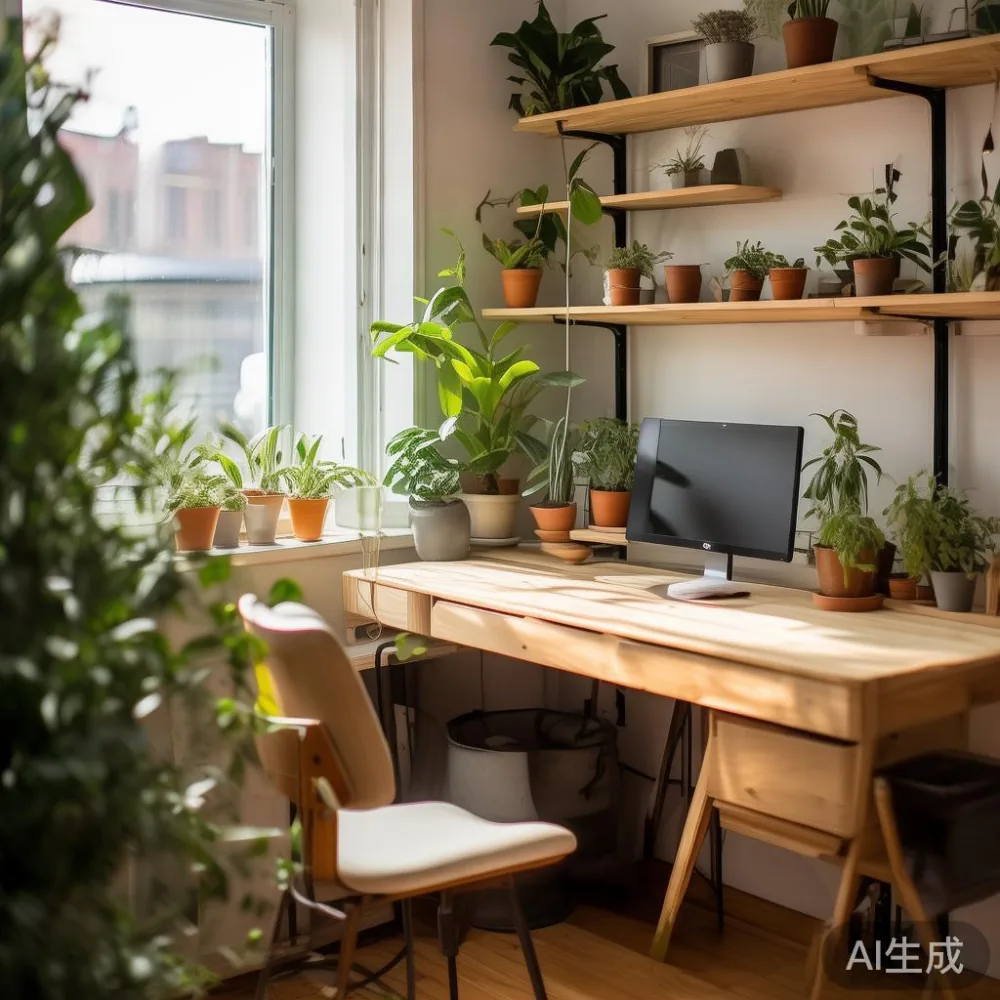
Do not place the desk directly beside an air-conditioning vent. A stream of cold air can cool one edge of the desktop more quickly than the other, causing uneven finish response. Leave at least 60 cm between the desk and a vent or window where practical. The same 60 cm buffer helps prevent repeated condensation at a glass pane. For a compact HDB study, position the chair on the inner side of the desk and place the desk perpendicular to the window rather than flush against it.
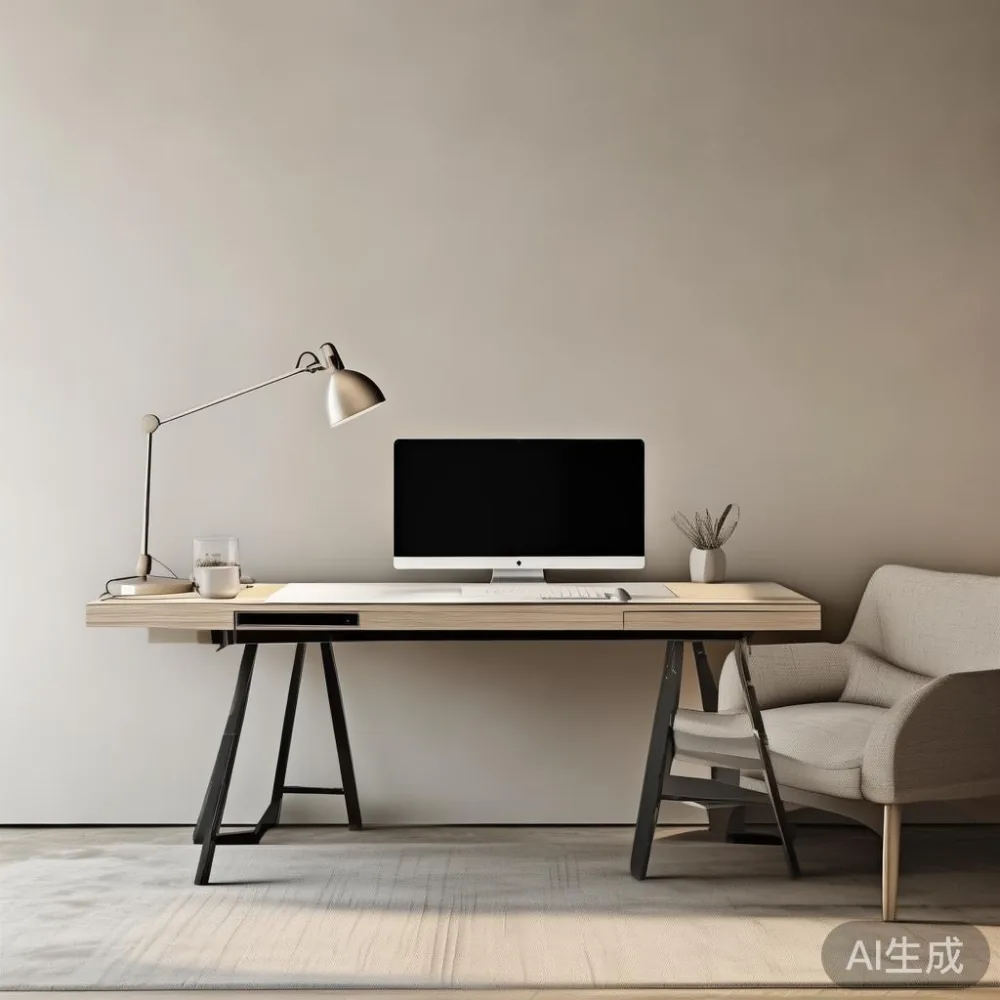
Use a digital hygrometer rather than guessing. A model costing about SGD 25 to SGD 60 can show whether the desk sits in a stable environment. A small dehumidifier may be useful during prolonged rain, although the desk should not be moved between rooms every day. Frequent relocation stresses joints and fittings and can scratch lacquer when the base is dragged.
How should I clean a lacquered desktop without damaging it?
For routine cleaning, use a soft microfibre cloth and a small quantity of mild dish soap diluted in warm water. The usual mixture is 5 ml of soap to 500 ml of water. Wring the cloth thoroughly, wipe in the direction of the grain, and dry with a separate clean cloth. Even a damp cloth should not be allowed to pool around cable holes or against the rear panel.
Do not use abrasive pads, steel wool, scouring powder, alcohol, ammonia, acetone or household glass cleaner. Many glass cleaners contain solvents or leave a slippery residue that can interfere with mouse movement. A proper lacquer cleaner should be pH-neutral and labelled safe for the finish. If the supplier has not specified a product, test the diluted soap solution on a hidden underside area for 24 hours.
Spills should be removed promptly. Blot liquid rather than rubbing it, because grit trapped under the cloth can scratch the lacquer. For sticky residue, place a lightly damp cloth over the mark for 2 to 3 minutes, then lift the cloth and wipe once with a clean section. Avoid repeated scraping. If a lacquered office desk has deep scratches or lifting, contact the maker before attempting a colour correction with paint or marker.
Last month I visited a client in Bedok and tested a desk-care routine on a sample lacquer panel. After 20 cycles of diluted-soap cleaning and an hour of drying under a desk lamp, the panel showed no dulling or colour change. A panel treated with an ammonia-based cleaner developed a visibly matte patch within 3 minutes. That direct comparison confirmed how strongly a seemingly ordinary household cleaner can affect lacquer.
Does Singapore sunlight fade a lacquered office desk?
Yes. UV exposure can cause pigment change, yellowing and loss of gloss, especially with darker finishes. A west-facing window in Tampines may receive direct sun for roughly 1 to 3 hours in the late afternoon, while an east-facing Punggol unit can receive similar morning exposure. Check the desk position across several days rather than judging from one morning.
Keep the desktop at least 1 metre from a window when possible. If space is limited, install a roller blind or solar film that blocks at least 99% of UV rays. Curtains alone may reduce glare but often do little against UV transmission. A desk mat can protect the working zone, although it should not trap moisture against the lacquer.
Rotate peripheral desk accessories every 2 to 4 weeks so one corner does not fade continuously. Avoid placing hot mugs, metal laptop stands or paper directly under intense sun. Heat above approximately 60°C can stain lacquer or soften some plastic finishes. Use a coaster with a minimum diameter of 8 cm and lift cups instead of sliding them across the surface.
How can I prevent scratches from cables and everyday use?
Most scratches occur at the point of use, around the keyboard, mouse, cable grommets and chair legs. Fit soft nylon or felt pads beneath the chair, with a diameter of about 20 to 30 mm. A chair with a 5-star base should use 5 pads, and a four-leg chair needs 4. Replace them when compressed or dirty, usually every 6 to 12 months.
Route power and data cables through the rear cable-management channel. Keep the bundle below 3 cm from the desktop so it does not rub the underside. Clip cables to a leg or cable tray rather than tightening them against the lacquer. Do not roll a chair over a cable, and do not use the desk as a step for reaching a high shelf.
For a keyboard and mouse, select a desk mat with a smooth underside and a stitched edge. A PVC mat can migrate in heat, while a rough woven pad may collect grit. Lift the mat during heavy cleaning rather than wiping over it. Coasters, trays and felt pads are inexpensive compared with refinishing, and they make daily care predictable.
When should a lacquered desktop be refinished?
Inspect the finish under daylight and under a 400-lumen lamp. Minor marks can often be handled with a finish-safe maintenance product, but sanding, polishing and recolouring require care. Deep gouges, blistering, cracking along a panel edge or a finish that has separated from the substrate need professional attention.
Do not sand a lacquered office desk automatically. Lacquer thickness varies, and aggressive sanding can expose wood or create a pale halo around the repair. If a spot repair is appropriate, use a 1000-grit wet abrasive only when the finish manufacturer permits wet sanding, followed by careful polishing. The safer route for a purchased piece is to retain photographs of the finish, measure the damaged area and request guidance from the supplier.
MIDHILL provides a 10-year structural warranty on its furniture and supports lifetime refinishing. Those are meaningful assurances for a solid wood construction, but lacquer appearance is still affected by UV, moisture and impact. Warranty terms should be read in full, including exclusions for surface wear, misuse and unauthorised treatment products.
For those assembling a coordinated interior, explore MIDHILL dining table options, where the dining zone and office zone may share the same lacquer tone. The phrase Rustic for dining room can describe a style direction, although a lacquered desk usually provides a more restrained finish than heavily grained timber. Likewise, anyone conducting a MIDHILL coffee table review should note that a low table receives different exposure from an office desk and may need its own coaster and cleaning routine.
How should I move a lacquered office desk through an HDB flat or condo?
Measure before delivery day. Record the desk’s width, depth and height, then compare them with the lift door, lift car and corridor turns. Many older lift openings are about 80 to 90 cm wide, while common condo lift doors may measure roughly 90 to 100 cm. Corridors can narrow to 1.1 to 1.4 m, and a right-angled turn needs more clearance than the narrowest measurement suggests.
Remove detachable drawers, shelves, monitor arms and loose hardware. Empty them and wrap each component separately. Protect the lacquer with a moving blanket that is at least 2 mm thick. Use corner protectors on the panel edges, but do not tape directly onto the finish; adhesive can lift lacquer or leave residue. Carry the desk upright where possible rather than dragging it across a corridor.
Check whether the building requires a moving booking or an elevator pad. For delivery within Singapore, allow 3 to 7 working days after stock confirmation, although access constraints can add 1 to 2 days. A seller offering free shipping over US$350 helps with international purchases, but Singapore delivery, lift booking and GST may still require local confirmation. The 14-day returns policy should be checked against assembly and visible-use terms before accepting the furniture.
Measure the final route before accepting delivery. An office desk may fit the lift car but fail at a 90-degree corridor turn. A folding platform trolley rated for 80 to 120 kg can protect both the desk and the hallway, provided its width is less than 70 cm.
What routine should I follow every week and every year?
A 5-minute weekly routine is enough for most homes. Clear crumbs, wipe the working area, inspect cable points and check that the chair pads have not trapped grit. Every 3 months, clean beneath desk accessories and examine the underside near metal brackets for moisture marks. Each time the monsoon season begins, check the hygrometer and keep the desktop away from known condensation points.
At least once a year, inspect lacquer along window-facing edges, around the keyboard area and beside the cable channel. Look for fading, lifting, dull patches or a rough texture. Record the condition with photographs so changes can be compared over 12 months. Avoid creating a maintenance calendar based on assumptions; local humidity, placement and work habits determine the real interval.
Design research can also influence a broader furnishing plan. Questions such as is Japandi bed worth it or how to style European bed in apartment belong to bedroom decisions, but the finish logic remains useful: solid wood responds to humidity, stone and marble need sealing and protection from acids, and lacquer dislikes prolonged dampness and harsh solvents. A shortlist of the top 10 Modern furniture can help coordinate a solid wood sofa, bed frame, dining table, wardrobe, nightstand or marble table around a calm study palette.
Reliable care comes from four controls: stable indoor humidity, indirect light, gentle cleaning and protection from moving objects. Use the office desk as intended, clean it with a soft cloth, check the edges every 3 months, and obtain manufacturer advice before using solvents or abrasive products. That measured routine preserves the clean visual language of post-modern light luxury while reducing the risk of permanent damage in Singapore’s climate.