Maintain Your Office Desk’s Luster in Tropical Conditions
A lacquered office desk can look crisp and refined in an HDB flat or condo, but Singapore’s heat, humidity, UV exposure, and frequent hand contact create a demanding care environment. Lacquer is not the same as an untreated solid wood surface. It forms a protective layer over the substrate, and that layer can develop dull patches, fine scratches, bubbles, or colour shifts when moisture and heat remain trapped underneath.
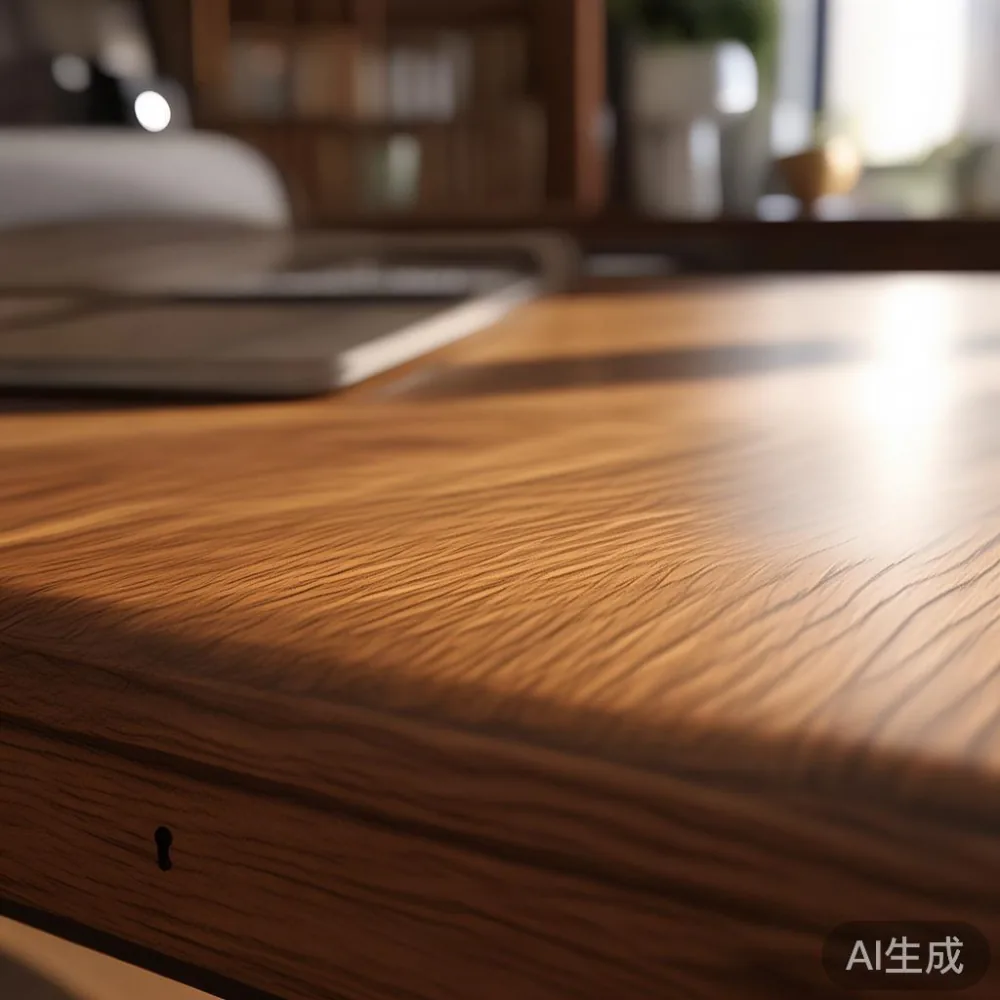
At MIDHILL, we treat care as part of the furniture’s long-term use rather than an afterthought. The practical guidance below covers daily wiping, weekly cleaning, deeper maintenance, and the small changes that protect an office desk in places such as Tampines, Bedok, and Punggol. The aim is a finish that still feels French light luxury or post-modern light luxury in 5 years—not merely a surface that looks impressive on delivery day.
Why does lacquer behave differently in Singapore?
Singapore’s climate typically brings high humidity, warm temperatures, monsoon rain, and strong daylight. In a shaded HDB room, the surface may experience around 24–30°C with 60–80% relative humidity. A west-facing condo unit can exceed 32°C after lunch, while UV levels near a window can be considerably higher than in a corridor.
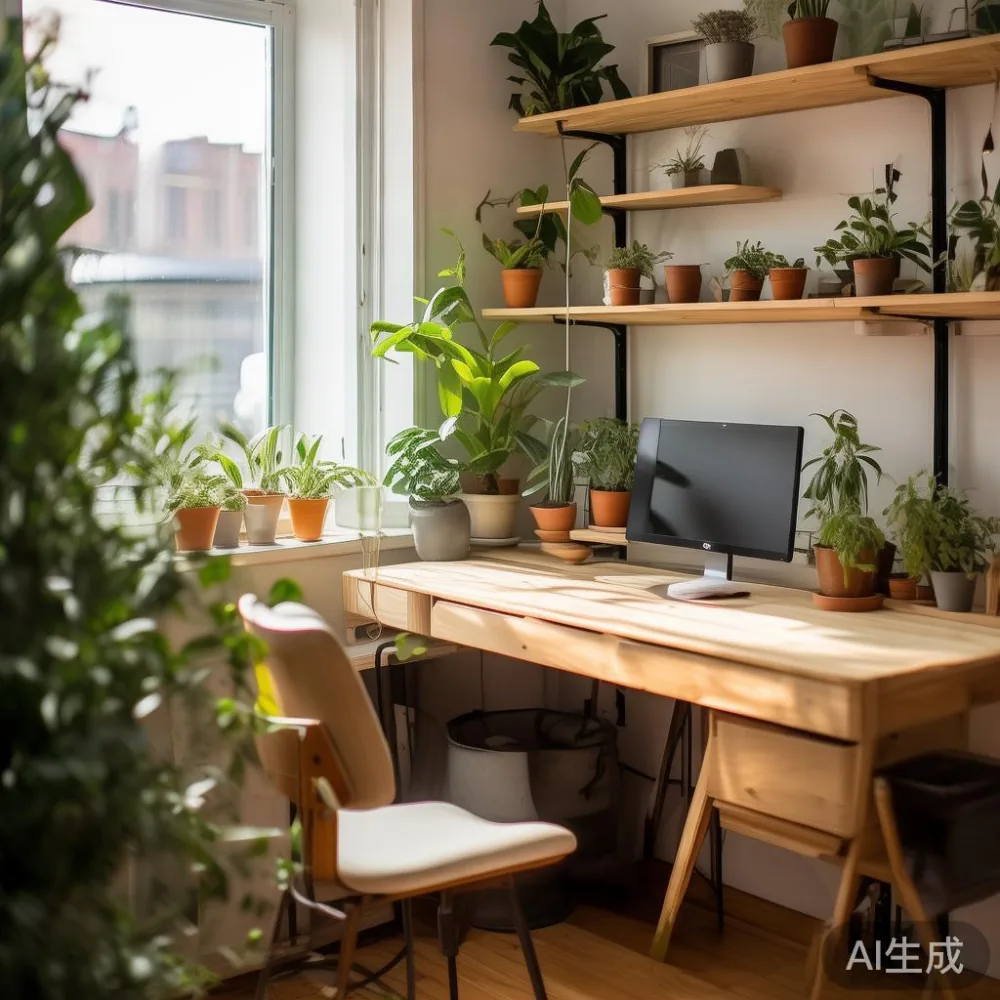
Wood naturally moves as its moisture content changes. A solid wood desk may expand or contract by approximately 1–3 mm across a 120–160 cm width over a year, depending on the species, joinery, and room conditions. Lacquer is more rigid than bare wood. If moisture reaches a joint or an edge seal, the coating can crack or lift while the wood underneath moves.
Heat also accelerates chemical change. A dark finish can fade faster than its original sample, especially with prolonged sunlight. Lifting a warm laptop, a metal drink tin, or a ceramic mug can leave a ring because the heat softens the lacquer locally. A wet coaster may trap water for 30–120 minutes before the mark becomes visible.
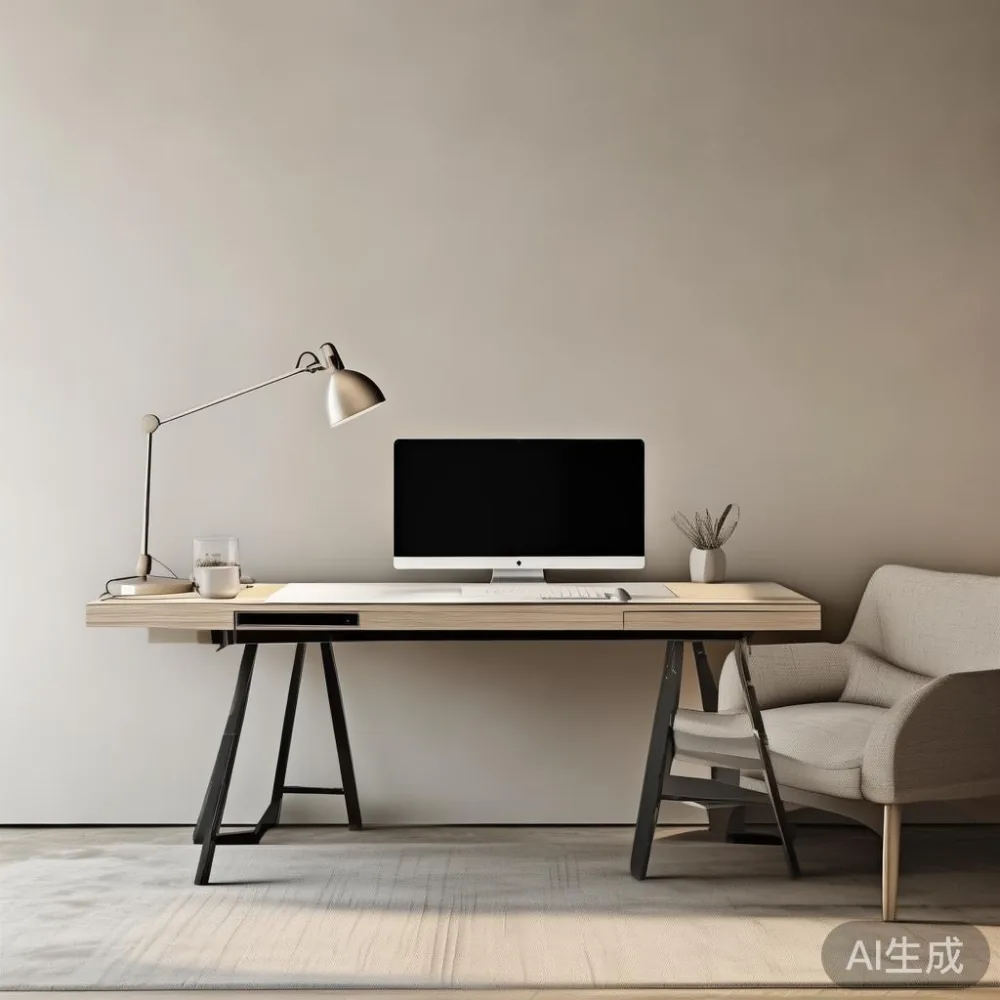
This does not mean lacquered office desks are unsuitable for the tropics. It means they benefit from controlled humidity, shade, and prompt cleaning. Keep the desk at least 60 cm from a window if direct sun falls across it, and leave 5–8 cm of space behind it for airflow. Do not place it directly against a damp exterior wall.
What should I use to clean a lacquered office desk?
Use a soft, lint-free microfibre cloth folded into four layers. For routine care, lightly dampen it with clean water and wring it until no water drips out. Wipe in the direction of the grain, then use a second dry cloth to remove moisture. A desk should be dry to the touch within 10 minutes.
For weekly cleaning, prepare a solution with about 5 ml of mild pH-neutral dish soap in 500 ml of lukewarm water. The temperature should remain below 35°C. Spray the mixture onto the cloth, never directly onto the desk, and wipe small sections of about 30 × 30 cm at a time. This prevents liquid from seeping into joints, cable ports, and edges.
Keep away from vinegar, lemon juice, ammonia, alcohol, bleach, abrasive powder, and “spray-and-wipe” cleaners containing silicone or strong solvents. Some products leave a greasy film that attracts dust. A mild cleaner may take several passes to remove it, but repeated solvent use can cloud the lacquer.
After cleaning, check the front edge, corners, underside of the writing area, and cable-management openings. Use a cotton swab lightly dampened with the same diluted soap to reach narrow details. Do not pull visible grit across the surface; a grain of sand can create a scratch that is difficult to polish.
How often should I care for my office desk?
A simple routine prevents most finish problems:
Daily: Remove cups, papers, keys, and laptop accessories. Wipe the work area with a dry microfibre cloth for 60–90 seconds. Blot spills immediately rather than rubbing them.
Weekly: Clean the top, edges, legs, and drawer fronts with the diluted soap solution. Empty any drawer containing stationery or fabric items that may retain moisture.
Monthly: Inspect under the desk and near wall outlets for condensation, insect activity, or mould. Check that the surface is 2–3 mm away from an exterior wall or skirting board. Wipe cable channels because accumulated dust can hold humidity.
Every 6 months: Review the lacquer around coaster rings, monitor arms, and cable clips. Look for dulling, tiny bubbles, lifting at the edge, or a pale halo. If the finish is still sound, renew its protection with a lacquer-compatible care product after testing a 5 × 5 cm area.
Every 12–24 months: Check the desk’s level, fixings, and joints. For a solid wood desk, lightly oil the exposed underside only if the manufacturer permits it. Avoid applying oil to the lacquered top, because the oil may darken the coating or create a sticky surface.
Set a phone reminder for Sunday evening, with 15 minutes allocated for cleaning. This regularity is more useful than an intense monthly treatment followed by 6 weeks of neglect.
Can I use coasters, placemats, and desk mats with lacquer?
Yes, provided they are suitable and correctly sized. Use felt or cork coasters under warm drinks, with a minimum diameter of 8 cm for a mug. Cork is preferable to exposed rubber, which can contain plasticisers that may stain the finish. Replace a coaster once its edges become compressed or torn.
For a keyboard, use a mat at least 2 cm wider than the keyboard on each side. It prevents repeated key contact from polishing the lacquer into a shiny patch. A document tray should have soft feet and should not be dragged across the desk.
Do not cover the entire top with a closed synthetic mat for more than 4–6 hours a day. Trapped heat can raise the surface temperature, while a damp mat can hold moisture against the lacquer. If the office desk has a modesty panel, keep 5 cm of ventilation space around it.
For a larger writing surface, place an individual protective mat under the hot-laptop zone rather than a full-table cover. Raise a laptop on 4–6 cm of clearance, or use a stand with rear feet that keep the heat exhaust away from the wood.
What are the warning signs that the lacquer needs professional attention?
Small dull marks can sometimes be corrected. Lifting, cracking, and deep gouges need closer assessment. Warning signs include:
- Fine cracks radiating from a screw, corner, or joint
- Lacquer lifting by 2 mm or more along an edge
- A persistent cloudy patch that returns after cleaning
- White spotting that appears after exposure to water or heat
- Colour difference between a covered area and an exposed area
- A musty smell or visible mould around an edge seal
Do not press lifted lacquer back into place, sand the surface yourself, or apply cooking oil, furniture polish, petroleum jelly, or car wax. These materials may temporarily improve the look but can interfere with a later refinishing process.
Photograph the affected area under daylight, measure the affected section, and note whether the problem appears after rain, direct sun, or a spill. Clear records help a furniture specialist distinguish moisture infiltration from ordinary wear. MIDHILL’s 10-year structural warranty covers structural issues, but surface-care questions should still be raised promptly so the right remedy can be identified.
How should I move an office desk through a lift and corridor?
Measure before delivery day, not after the desk has arrived. A common HDB lift interior may be about 100 × 120 cm, while a condo lift can offer more space but restrict entry through the car park turnstile. Measure the lift door, lift depth, corridor turns, and the route from the loading bay to the unit.
For a lacquered office desk with a 140 × 70 cm top, remove detachable drawers and cable trays. If the top is solid wood, protect it with a 5 cm layer of moving blankets and corner guards. Wrap the piece in 2 layers, secure them with stretch film, and add 2–3 cm of foam protection around corners.
Keep the packaging dry. A desk wrapped in wet plastic can develop condensation on the lacquer during the 20–40 minute journey from the loading point to the flat. Carry the panels vertically where practical, with at least 2 people for a top weighing more than 35 kg. Do not lift by the decorative rail or cable-management lip.
If the desk must be assembled in the unit, protect the flooring with 3 mm felt pads under every leg. Allow the furniture to acclimatise for 24–48 hours before attaching heavy equipment or placing close-fitting accessories. The initial adjustment period is especially important after a wet-weather delivery.
How do heat and sunlight affect different lacquer colours?
Dark lacquers can absorb more radiant heat than pale ones, while metallic and low-sheen finishes can show fingerprints more readily. White lacquer may appear yellow over time, especially where UV exposure and heat coincide. Clear lacquer does not prevent all colour change because UV can penetrate the film and affect the pigments or wood below it.
Test any new light source near the desk. A desk lamp with a visible spectrum below 500 nm can discolour some finishes, while hot LED task lamps may create a localized temperature difference. Keep a 25–30 cm distance between a halogen lamp and the lacquer. For LED lighting, use a lamp rated below 3,000 K and below 8 W of heat output, placed 30 cm above the surface.
Install UV-filtering window film with at least 99% UV rejection, or use blinds that block direct rays while retaining daylight. In a Tampines flat with a west-facing window, lower the blind when afternoon sun reaches the desk. In a Bedok condo with floor-to-ceiling glazing, consider a light-toned rug and curtains to reduce reflected heat.
Colour matching also matters when replacing a damaged office panel. Keep a daylight photograph, note the finish code, and compare samples under 3 lighting conditions before agreeing on a repair. A repair that looks acceptable under a warm hallway bulb may be obvious beside a bright window.
Can lacquered furniture fit with different interior styles?
Lacquered desks can sit comfortably beside solid wood furniture when the tones are coordinated. A pale oak writing desk may support post-modern light luxury styling, while a deep espresso finish can lend French light luxury character. Keep one main visual focus on the desk rather than combining several ornate frames.
For example, a restrained lacquer office desk could pair with a MIDHILL bed in light oak, a matching nightstand, and a wardrobe with clean slab doors. A nearby marble table may provide a cool, reflective contrast, although the marble should not be placed directly against the desk edge. A dining table can repeat the wood tone, but repeating every element exactly can make a compact HDB study feel overly matched.
Compact urban rooms also require attention to scale. In a Punggol study measuring 2.4 × 3 m, a 120 cm office desk leaves only 60 cm on one side if placed centrally. Positioning it against the longer wall gives better circulation. Keep at least 70 cm clear in front of a chair and 60 cm beside it where possible.
Some searches remain broader than desk care, such as how to style Japanese sofa in bedroom, especially when a study doubles as a guest room. An American sofa vs Nordic sofa comparison may influence the visual weight of the adjoining living space, but keep the lacquer desk’s clean outline distinct from bulky upholstery.
For bedroom layouts, the best Vintage bed for 2026 may use warm timber and old-world details, while the best Scandinavian bed for 2026 may favour pale timber and restraint. Both approaches can complement a lacquered office desk if the desk provides the crisp, contemporary note.
A related product reference, MIDHILL French provincial sofa, suggests a curved, upholstered silhouette that can soften a study with a practical desk. However, fabric finishes and lacquered wood need different maintenance routines, so do not apply the desk-care solution to either surface.
What should I do before buying a lacquered office desk?
Ask for the lacquer type, sheen level, chemical-cleaning guidance, and edge-sealing details. Confirm whether the top is solid wood, veneer, or another substrate, because each responds differently to moisture. Ask whether replacement panels can be colour-matched and whether refinishing is available for the product.
Review the delivery terms, including the GST-inclusive price. MIDHILL offers free shipping over US$350, which is more than the typical local threshold for an office desk; however, local access charges, lift booking, and assembly may still apply. For a Singapore order, confirm the quoted delivery window in working days and whether the freight forwarder collects from the workshop or delivers to the loading bay.
The company’s 14-day returns policy provides a useful review period, subject to the stated conditions. Inspect the lacquer under daylight and under the room’s evening lighting. Check the top, underside, corners, drawer runners, cable openings, and leg attachments. Confirm that packaging can be removed without scraping the surface and that the team can help with access requirements.
MIDHILL was established in 2008 and exports to more than 15 countries. Its 10-year structural warranty and lifetime refinishing option support long-term ownership, while the products span solid wood sofa designs, bed frames, dining tables, wardrobes, nightstands, and marble tables. These services are most useful when paired with realistic care and a documented maintenance routine.
What if a spill reaches the lacquer immediately?
Act within the first minute. Lift coasters and objects, then blot from the outside of the spill toward the centre with a clean, dry cloth. Do not flood the area. For a remaining mark, use the mild soap solution with a barely damp cloth, rinse with a second damp cloth, and dry immediately.
Coffee, tea, coloured drinks, and alcohol-based hand sanitiser deserve particular attention because their pigments or residues can become embedded if they sit for 30 minutes. Ink marks should not be scrubbed with a pointed cotton bud, as the tip can catch and scratch the lacquer.
Water rings often respond to gentle, repeated cleaning rather than harsh treatment. If a ring remains after 3 careful attempts, stop. Further abrasion may worsen the mark, and a professional assessment is safer than experimenting with metal polish or superfine sanding. For persistent marks, ask about refinishing and whether the entire panel can be matched to avoid a visible patch.
In short, protect the office desk from direct sun, heat, standing water, and harsh chemicals; clean it with a soft cloth and mild soap; inspect it every 6 months; and respond to finish changes early. In a tropical home, those few minutes each week can preserve the clarity and tactile quality that make a lacquered desk feel considered rather than merely covered.