A 5-Year Cost Comparison: Veneer vs Solid Wood Office Desks in Singapore
An office desk is often bought on price, yet its real cost becomes clearer across 5 years of daily use. In a compact HDB flat in Tampines, a veneer desk may save SGD 520 at purchase and still look excellent. In a Bedok condo, a solid wood office desk may cost more initially but tolerate repeated lifting, sunlight and humidity differently. The practical question is not simply which material is cheaper; it is which desk suits the room, the work pattern and the owner’s maintenance habits.
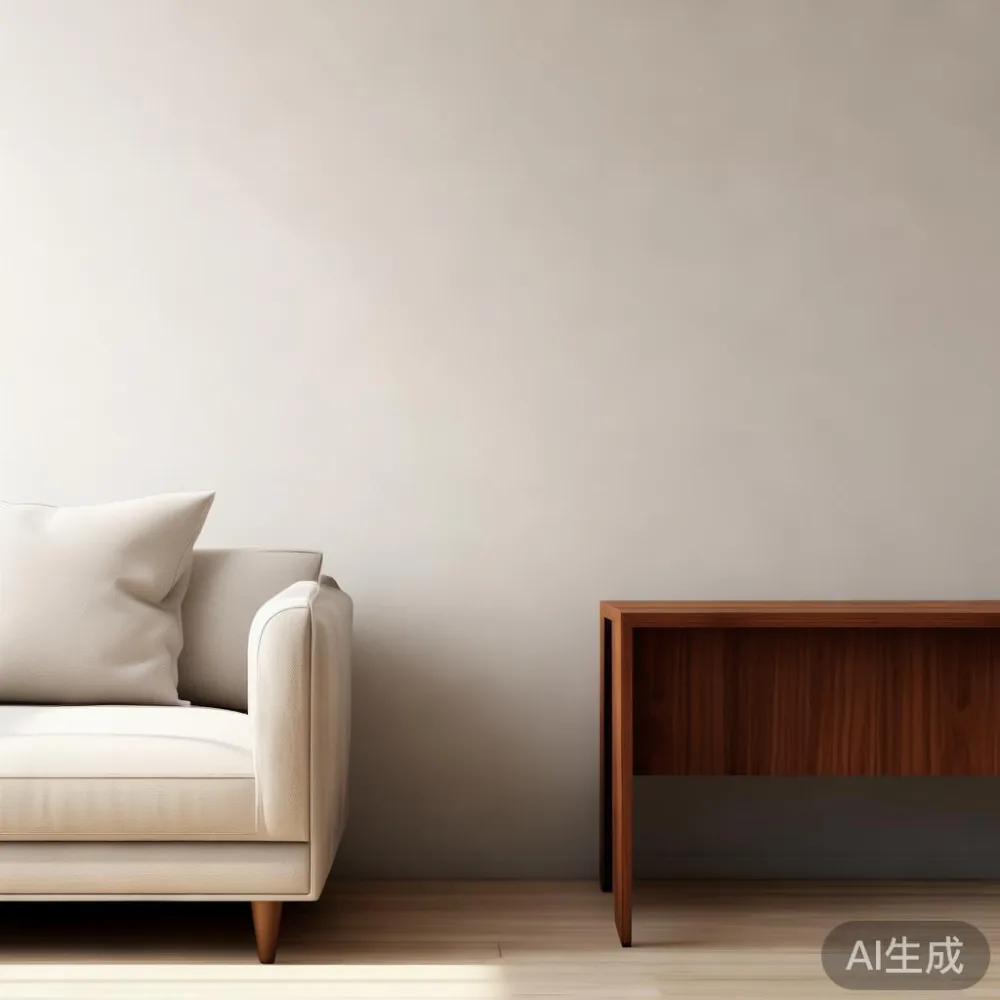
This comparison uses Singapore dollars, prices that include 9% GST where stated, and a 60-month ownership period. Lift dimensions, corridor turns and delivery access matter here: an office desk that fits a HDB corridor may still be difficult to move upstairs, while a wide solid wood top can require 2 people and careful planning. I also include servicing, repair, refinishing and replacement assumptions rather than treating checkout price as the whole cost.
What is the real 5-year cost of an office desk?
The real 5-year cost includes purchase, delivery, assembly, surface care, repairs, moving and eventual disposal. For a fair comparison, I model 2 desk options: a 140 × 70 cm veneer office desk at SGD 980 including GST, and a 140 × 70 cm solid oak office desk at SGD 1,900 including GST. The veneer model uses a 25 mm engineered panel with a 0.6 mm oak veneer; the solid model uses 25 mm solid oak. Both have steel legs, 2 drawers and a cable opening of 30 × 8 cm.
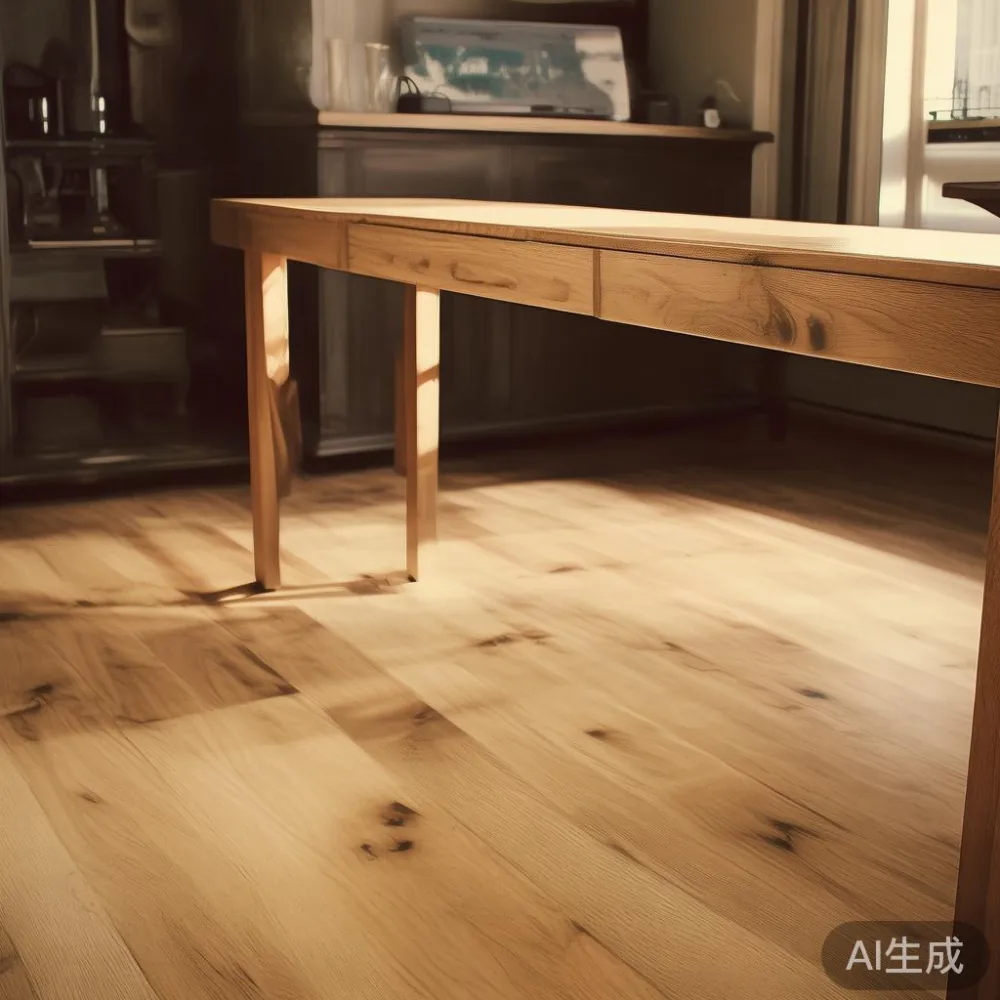
Delivery in Singapore is estimated at SGD 80 for the veneer desk and SGD 140 for the solid wood desk. A 3-person HDB lift with internal dimensions around 107 × 198 cm may accept the desk components, but a 90 cm internal lift may not. A corridor turn of 90 degrees can add 10 minutes to the move, not a material defect, yet it affects labour cost.
Here is the 5-year calculation:
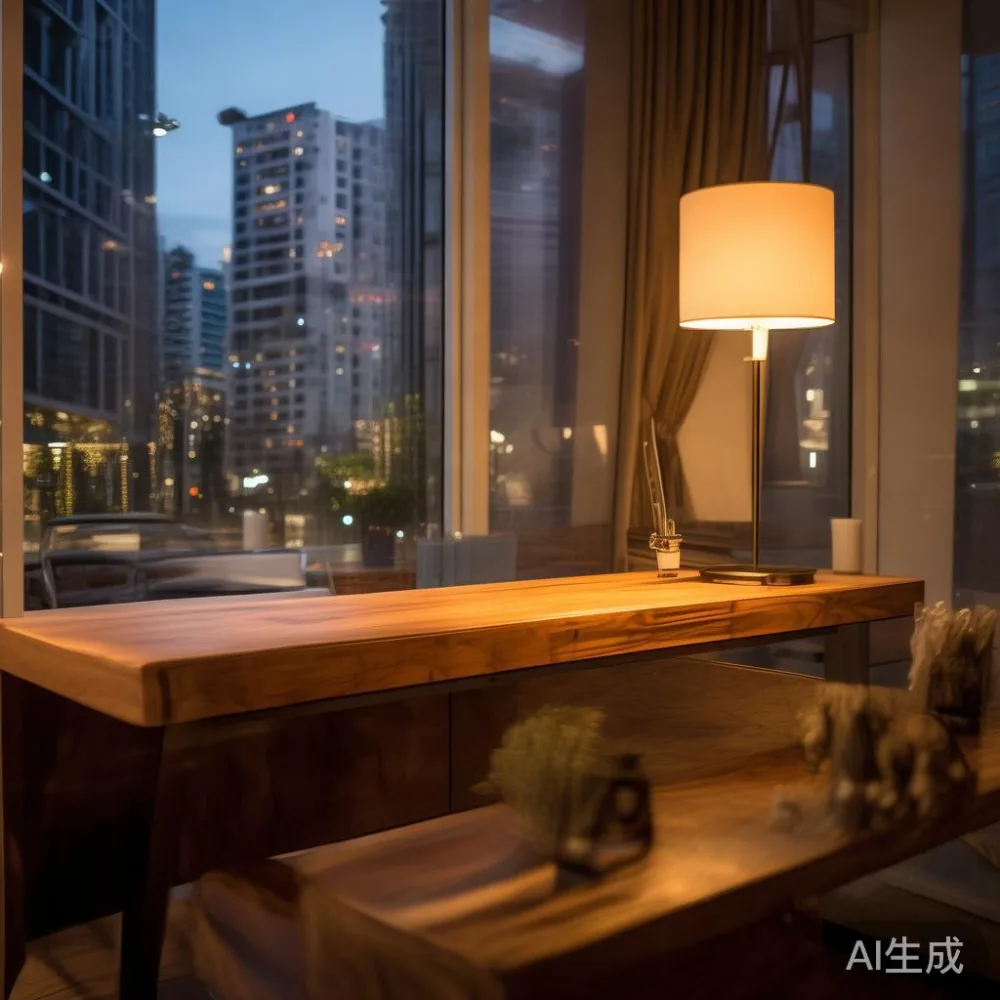
Veneer office desk: SGD 980 purchase + SGD 80 delivery + SGD 60 assembly + SGD 120 annual care over 5 years + SGD 90 repair allowance + SGD 0 expected refinishing = SGD 1,330.
Solid wood office desk: SGD 1,900 purchase + SGD 140 delivery + SGD 80 assembly + SGD 75 annual care over 5 years + SGD 40 repair allowance + SGD 0 expected major refinishing = SGD 2,235.
The solid desk therefore costs about SGD 905 more over 5 years in this example. That gap can narrow if the veneer desk suffers water damage or needs replacement. It can widen if the solid desk is moved twice and each move costs SGD 160.
These figures are planning estimates, not quotations. Furniture grain, hardware, finish and exact dimensions change prices. GST is already included in the purchase figures, so the comparison remains clear for Singapore households and small businesses.
How does veneer behave in a humid HDB or condo?
Veneer is a thin layer of real wood, usually 0.6 to 2 mm, bonded to an engineered core. It can provide convincing grain continuity and a lighter environmental load because less timber is used per desk. The core may be plywood or particleboard, and its performance depends on edge sealing, drawer hardware and moisture exposure.
In a typical Tampines HDB flat, relative humidity may move between 55% and 75% during wet periods. A sealed veneer office desk is suitable for normal indoor use if its surface is wiped dry promptly. Standing water near a wash basin, repeated spill cycles or a leaking air-conditioner can swell the core. A repair might cost SGD 70 for a drawer runner, but replacing a water-marked top panel could cost SGD 260 to SGD 420.
Solid oak does not use glue across the visible panel, so a local scratch can be sanded and filled. It can still react to moisture: oak expands and contracts across grain, and an unsealed edge may check. Annual care for a solid desk is estimated at SGD 15 for cleaning cloth and a small quantity of maintenance product, while veneer care is estimated at SGD 24 because edges and seams need closer inspection.
Sunlight is another factor. A west-facing Bedok condo window may receive 4 hours of direct afternoon light. Neither material should sit under a hot lamp all day. Place the office desk at least 50 cm from a window where possible, use blinds, and avoid radiators or damp corners. The material label alone does not control movement; the room conditions do.
For a rental flat, veneer can be a sensible choice when the desk will stay in place and be protected from water. Solid wood makes more sense when the desk is expected to remain in the family for 10 years or longer and can be maintained. MIDHILL describes solid wood as a repairable material, not a promise that every scratch will disappear.
What if the desk is moved from Punggol to a new home?
Moving costs are where material selection becomes surprisingly practical. A veneer desk may weigh 38 kg, while a comparable solid oak desk may weigh 46 kg. The solid top is heavier, but its mass is distributed through the full 25 mm panel. A veneer top is lighter, yet the engineered core can be vulnerable to impact at a corner if it is dropped.
Assume 2 moves during the 5-year period: one from Punggol HDB to a Bedok condo and another to a new office. A standard mover may charge SGD 120 for the veneer desk and SGD 180 for the solid desk because the latter needs 2 handlers and a protective blanket. A narrow stair or a 90 cm lift can add SGD 40 to SGD 90. Measure the door opening, lift door and corridor width before confirming delivery.
The solid wood office desk can often be disassembled, with the top separated from the legs. Store screws in a labelled bag, photograph the cable opening and measure the new location. Veneer can be moved intact, but its edges should be protected with corner guards. If a move is likely more than once, budget SGD 40 more for veneer protection and SGD 80 more for solid wood handling.
I once tested this in a Tampines flat last month. A 140 × 70 cm office desk looked easy to carry through the flat entrance, but the HDB corridor narrowed to 82 cm at a utility turn. Removing one drawer and turning the top on its side solved the issue in about 6 minutes. A 46 kg solid top needed 2 people; the 38 kg veneer version needed only one person and a second person to guide the corner. The lesson was simple: measure the route before choosing the desk.
For customers comparing larger home-furniture pieces, the phrase Japanese bed vs Mid-century modern bed can prompt the same check: dimensions, route width and repair expectations matter more than a style label. Likewise, a search for for sale Japanese furniture should include the desk’s exact depth, lift dimensions and floor level.
Which finish costs less to maintain over 60 months?
Finish is often the hidden price difference. Matte veneer may be economical at purchase, but its paper-like surface can show fingerprints and require careful cleaning. A water-based matte lacquer on solid wood may be more forgiving, yet satin oil needs periodic renewal. A marble table is another material often discussed beside wood, but its weight and sealing needs make it a separate comparison; a marble top is not a substitute for a repairable solid wood office desk.
For the calculation above, the veneer finish receives a 0.6 mm oak face with a thin protective coating. It may need a light refresh after 36 months, costing about SGD 55. The solid desk receives an oil-and-wax finish, with a partial refinishing allowance of SGD 0 over 5 years because normal indoor maintenance is assumed. If the solid desk is placed in a sunny room, budget SGD 90 for one local refinishing session.
Cleaning products matter. Use a soft cloth dampened with water, wring it almost dry and wipe the surface once. Avoid acetone, silicone spray and abrasive pads. Clean the cable opening every 2 months; trapped dust can damage a socket or scratch a cable. Tighten desk bolts after 3 months and again at 12 months, a 5-minute task that prevents frame movement.
The visual language of the desk should fit the home, not dictate it. A pale oak veneer can support French light luxury styling with linen curtains and simple ceramics. A warmer solid oak top can sit well in American light luxury interiors with leather, brass or walnut accents. For a post-modern light luxury study, combine a restrained desk with one sculptural lamp, rather than covering the entire surface with matching furniture.
For a wider style comparison, American sofa vs Modern sofa can be useful when choosing seating for the same study, but the desk remains the office workspace. Product descriptions such as solid wood sofa, solid wood bed frame, solid wood dining table, wardrobe, nightstand and marble table should be judged by their own construction and dimensions, not by a broad style category.
What do buyers usually overlook after paying GST?
Singapore buyers often compare the sticker price while overlooking GST, delivery, assembly and after-sales service. A veneer office desk quoted at SGD 910 before GST becomes SGD 991.90 after 9% GST, a difference of SGD 81.90. A solid wood desk quoted at SGD 1,750 becomes SGD 1,907.50. Rounding to SGD 1,900 in this article keeps the estimate easy to follow.
Check whether the quoted office desk includes:
- Delivery to the unit lobby, rather than only to the loading bay.
- Carrying to the floor and assembly at the destination.
- Removal of packaging, with a request that cartons be taken away.
- Drawer adjustment, cable-hole fitting and a stability check.
- Warranty coverage for structural joints, not only surface peeling.
MIDHILL offers a 10-year structural warranty on qualifying products and lifetime refinishing under its stated service terms. That support has financial value, although warranty exclusions should be read carefully. Damage from standing water, impact or unauthorised modifications may not be treated like ordinary wear.
The company was established in 2008 and exports to 15-plus countries. For a Singapore buyer, that can be useful evidence of production experience, but it should not replace checking local delivery, replacement parts and the exact product specification. A nominal “solid wood” label may refer only to selected parts, so ask which components are solid: top, side panels, back panel, legs or drawers.
Also check the return window and shipping threshold. A stated 14-day returns policy can reduce the risk of buying an office desk that does not fit the room, while free shipping above US$350 is a separate benefit that may not determine local Singapore delivery terms. Confirm the Singapore quotation directly.
Which material gives the better 5-year value for your room?
The veneer office desk has the lower modelled 5-year cost at SGD 1,330, compared with SGD 2,235 for solid wood. It weighs 38 kg, is easier to move and can suit a HDB study where moisture and impact are controlled. It is a rational choice for temporary work areas, rental homes, children’s rooms and desks that will be replaced before heavy wear accumulates.
The solid wood office desk costs about 41% more in this example, yet it offers a thicker repairable surface and a different long-term ownership profile. If the desk remains in a condo for 5 years or more, receives daily use, or will be refinished, the higher initial cost may be justified. A purchase at SGD 1,900 is not automatically expensive; a cheap veneer desk that delaminates in year 3 can become the more expensive choice.
For a compact Singapore room, select a desk no deeper than 60 cm if the work area is tight, or 70 cm for two monitors and a writing zone. Allow at least 75 cm of leg clearance, 90 cm of circulation space behind a chair and a cable route of at least 30 cm. A solid wood wardrobe, nightstand or dining table may share the same material language, but the office desk must still be measured independently.
Think about who will use it. One person working 8 hours a day may need a 120 × 60 cm surface. Two people may need 160 × 80 cm. A 140 × 70 cm desk is a compromise, but it leaves only 65 cm of depth once a monitor stand and papers are placed on it.
The most practical decision is a three-part test: compare the full 5-year cost, inspect the route to the room, and identify who will maintain the finish. Veneer can provide the lower-cost route; solid wood can provide the longer-term repair path. Choose the one that matches the actual Singapore home, not the idealised showroom.