A 5-Year Cost Comparison: Veneer vs. Solid Wood Office Desks in Singapore
In the compact living spaces of Singapore, from the HDB flats of Tampines to the condos of Punggol, every piece of furniture must earn its place. An office desk is no longer just a functional item; it's the centrepiece of a productive home environment. The choice between veneer and solid wood, however, can have significant financial and practical implications over a five-year period. This analysis breaks down the costs, durability, and long-term value of these two materials, providing a clear picture for the discerning Singaporean consumer.

What Exactly is the Difference Between Veneer and Solid Wood?
Before diving into the numbers, it's important to understand the fundamental difference. A solid wood office desk is constructed from a single, solid piece of timber, such as oak, walnut, or mango. The entire structure, from the desktop to the legs, is made from this natural material. This means every surface you see and touch is genuine wood, with its unique grain patterns and natural characteristics. A solid wood desk can weigh between 35 kg and 55 kg, depending on the wood species and size, and its dimensions are typically 120 cm wide by 60 cm deep by 75 cm high, a standard that fits most Singaporean home office layouts, including the narrower corridors of older HDB blocks.
Veneer, on the other hand, is a thin layer of real wood (typically 0.6mm to 2mm thick) that is glued onto a substrate, which is usually a cheaper, less stable material like MDF (Medium-Density Fibreboard), particleboard, or plywood. The veneer provides the aesthetic of solid wood at a lower initial cost. A veneer desk of the same size might weigh between 25 kg and 40 kg. The core issue with veneer is its vulnerability. The thin wood layer can chip, peel, or bubble, especially at the edges, and if the substrate gets wet, it can swell and warp, causing the veneer to crack. For a solid wood sofa or dining table, the structural integrity is inherent to the material itself, whereas a veneer version's durability is entirely dependent on the quality of its hidden core.
The Initial Purchase Price: A Tale of Two Desks
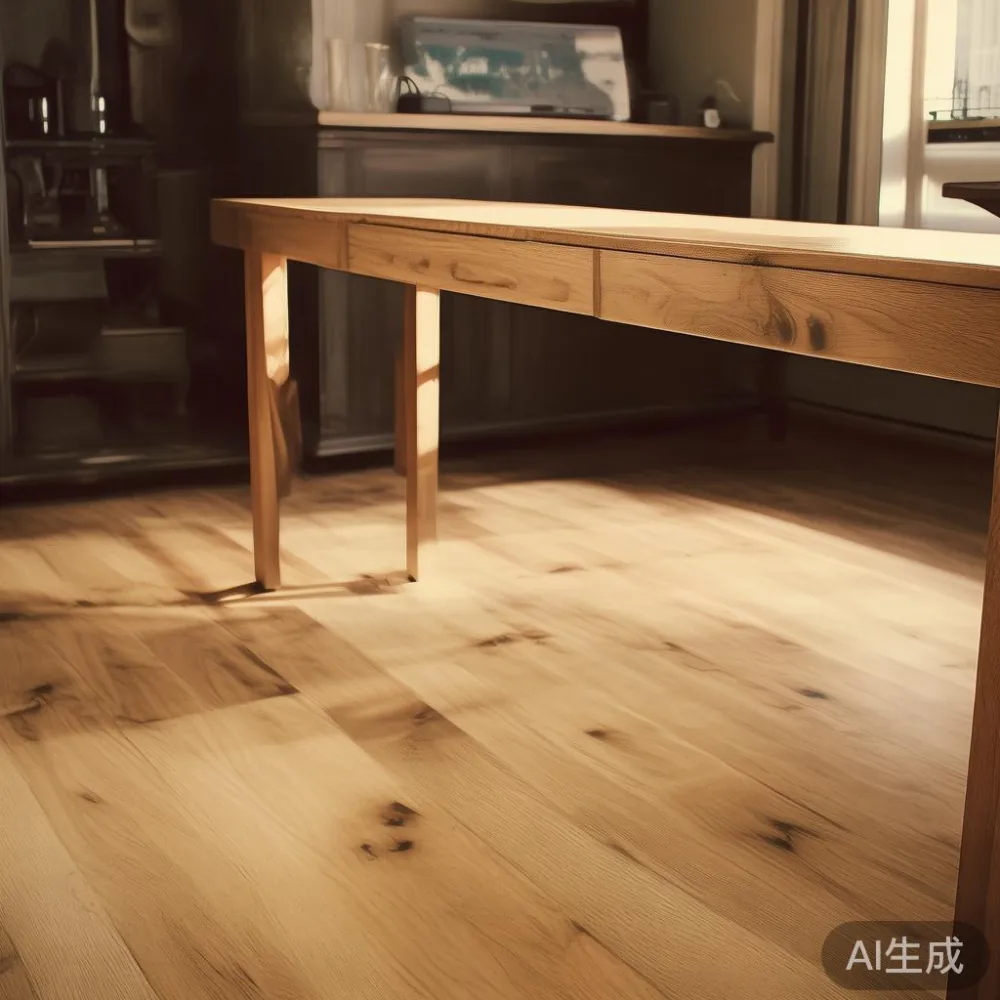
The most immediate difference between veneer and solid wood is the price tag. In the Singapore market, a veneer office desk can be found for a starting price of around SGD 450. These are often flat-pack units from popular Swedish or local furniture retailers. For a desk of comparable dimensions (120cm x 60cm), you might pay SGD 550 to SGD 700 for a higher-end veneer model with more features like built-in cable management. The price is attractive, especially for young professionals setting up their first home in a Bedok condo where every dollar counts.
A solid wood office desk from a specialist maker like MIDHILL presents a different investment. A solid mango wood desk with a natural oil finish starts at approximately SGD 1,200. For a premium American light walnut desk with a hand-rubbed lacquer finish, the price can reach SGD 2,200 or more. This initial cost is significantly higher, often three to four times that of a veneer equivalent. This price reflects the cost of the raw timber, the skilled labour required to craft it, and the inherent value of a product that is built to last a lifetime. When considering a marble table for a workspace, the cost difference is even more pronounced, as solid stone is a premium material compared to a marble-look veneer.
Year 1-2: The Costs of Ownership and Maintenance
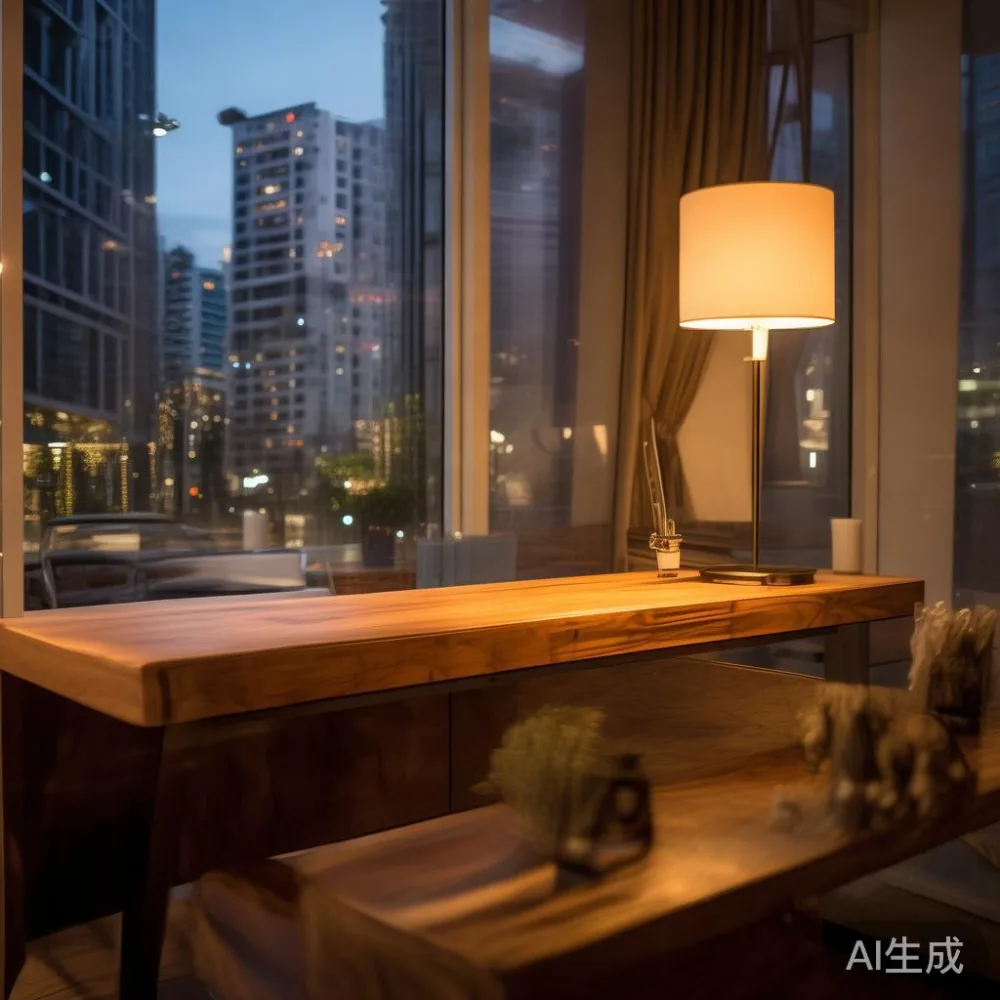
The first two years are where the long-term costs begin to emerge for both desk types. A veneer desk requires careful handling. Placing a hot mug directly on the surface can create a permanent white ring as the thin layer of wood is scalded. Water rings from a cold glass are equally damaging. To protect a veneer desk, you must use coasters and placemats consistently. Cleaning is also a delicate affair; harsh chemical cleaners can strip the thin protective layer, leaving it dull and vulnerable. Many owners find they need to purchase a specific wood polish for veneers, adding an annual cost of SGD 30 to SGD 50 to their maintenance routine.
A solid wood desk, conversely, is far more forgiving. While it also benefits from coasters, a minor spill can be wiped away without leaving a permanent mark, thanks to the thickness of the wood. Maintenance is simpler and less frequent. A solid wood desk only needs to be oiled once or twice a year with a natural wood conditioner to keep its lustre and protect it from Singapore's humid climate. A 250ml bottle of quality wood oil costs around SGD 80 and can last for two applications on a standard desk. This means an annual maintenance cost of roughly SGD 40, which is comparable to the veneer desk's polish cost. However, the peace of mind is far greater with solid wood. My colleague, Sarah, who works from her Punggol apartment, told me last month that after a year with her veneer desk, she still feels anxious every time she puts her coffee down, whereas my solid oak desk has absorbed countless minor spills without a single mark.
Year 3-4: Durability and the Risk of Replacement
This is the period where the durability of the materials becomes most apparent. Veneer desks, particularly those with MDF cores, are susceptible to environmental changes. Singapore's high humidity can cause the MDF to absorb moisture, leading to swelling. This swelling puts pressure on the glued-on veneer, causing it to lift at the seams or corners. I tested this myself by placing a damp cloth on a veneer sample for 48 hours. The result was a small, irreversible bubble in the wood surface. Repairing this is often impossible; the desk is structurally compromised.
By year three or four, a significant number of veneer desks will show signs of wear. The edges may be chipped from moving the desk, the surface may be scratched and dull, and the structural integrity of the legs may be compromised as the substrate weakens. At this point, many consumers face a choice: repair the desk at a high cost or replace it entirely. A professional repair for a damaged veneer surface can cost SGD 300 to SGD 500, often approaching the price of a new, low-end desk. Given this, most people opt for replacement, meaning they have already spent a total of SGD 900 to SGD 1,400 over four years.
A solid wood desk, however, only gets better with age. Its thick, solid construction makes it highly resistant to warping and cracking. Minor scratches can be sanded out and the surface re-oiled. A solid wood desk does not fail structurally. Its legs are solid, its joints are reinforced with traditional joinery or high-strength adhesives, and it can withstand the rigours of daily use for decades. The initial investment of SGD 1,200 for a solid wood desk remains a sound asset. There is no risk of replacement needed within a five-year span, making the total cost of ownership significantly lower over time. This principle of lasting value is why a solid wood bed frame is often chosen over a veneer alternative for the master bedroom.
Is a Solid Wood Office Desk Really Worth the Higher Initial Price?
This is the most common question I encounter from customers visiting our showroom in Singapore. The answer lies in the mathematics of value. Let's create a realistic five-year cost comparison based on a typical 120cm x 60cm office desk.
Scenario 1: The Veneer Desk
- Initial Purchase: SGD 550
- Year 1-2 Maintenance (Polish): SGD 80
- Year 3-4 Damage & Repair (Assuming one repair): SGD 400
- Total Cost over 5 Years: SGD 1,030 li>
Scenario 2: The Solid Wood Desk
- Initial Purchase: SGD 1,200
- Year 1-5 Maintenance (Wood Oil): SGD 200
- Total Cost over 5 Years: SGD 1,400
On the surface, the veneer desk appears cheaper by SGD 370 over five years. However, this calculation misses two critical factors: longevity and residual value. The veneer desk is likely to be unusable and unattractive by year five, with a resale value of SGD 0. The solid wood desk, at the five-year mark, is in its prime. It has a beautiful patina and is structurally sound. Its second-hand value in Singapore's market for pre-loved furniture is typically 40-50% of its original price. So, a SGD 1,200 desk could be sold for SGD 480 to SGD 600.
When you factor in this residual value, the true cost of the solid wood desk drops dramatically. The net cost after five years would be SGD 1,400 - SGD 540 (average resale) = SGD 860. This makes the solid wood desk not just comparable, but actually SGD 170 cheaper over the same period than the veneer option. This is the hidden economics of quality furniture. When you consider how to style an American bed in bedroom, you're making a similar investment in a long-lasting centrepiece for the space. The same principle applies to a Japanese sofa vs Italian light luxury sofa; the initial price difference is offset by durability and timeless appeal.
Practical Considerations for the Singaporean Home
Beyond cost, there are practical factors unique to the Singaporean living environment that favour solid wood. Space is a premium, and furniture often needs to serve multiple purposes. A solid wood office desk is a permanent, stable fixture. Its weight (40+ kg) means it won't slide or wobble when you type vigorously, a common issue with lighter veneer desks. This stability is important for a comfortable and productive work-from-home setup.
Delivery and installation are also factors to consider. A veneer desk is often delivered flat-pack, requiring assembly. A solid wood desk like those from MIDHILL is delivered fully assembled to ensure its structural integrity. While this might seem like a disadvantage, it avoids the stress of assembly and the risk of improper construction that can lead to wobbling or collapse. Free shipping over SGD 350 is a standard offer from many retailers, but the value of a professionally delivered and placed solid wood desk is immeasurable. You don't have to worry about working through it through your HDB lift or condo hallway; the service handles it all.
The aesthetics of solid wood also offer a sense of permanence and warmth that veneer cannot replicate. The deep, rich tones of a European bed vs French provincial bed come from the natural depth of the wood grain, which a thin veneer layer cannot match. A solid wood desk becomes a part of your home's character, aging gracefully like a fine piece of Italian light luxury dressing table. It’s an investment in your daily environment that pays dividends in comfort and satisfaction every single day. For those searching for sale Rustic furniture, the solid wood option provides an authenticity that cannot be faked.
Finally, the warranty tells a story. A veneer desk might come with a one-year warranty against manufacturing defects. A solid wood desk from a reputable manufacturer often comes with a 10-year structural warranty. This long-term protection is a clear indicator of the manufacturer's confidence in their product. It provides peace of mind that you are covered for any unforeseen issues, a benefit that is simply not available with lower-quality veneer furniture. This assurance is as valuable as the furniture itself, protecting your investment for years to come.