The Long-Term Value of a Solid Wood Office Desk: A 5-Year Financial Breakdown
Welcome to the world of premium home office furniture, where a well-chosen desk is more than just a surface—it's the foundation of your daily productivity and personal style. For residents of Singapore, working through the local living conditions—from the standard corridor widths in HDB flats to the humid climate—is a key consideration when making a significant furniture purchase. This article provides a detailed, 5-year cost comparison between veneer and solid wood office desks, using concrete figures and real-world scenarios to help you make an informed decision. We will explore not just the initial price, but the total cost of ownership, including delivery, maintenance, and eventual resale value, tailored to the Singaporean context.
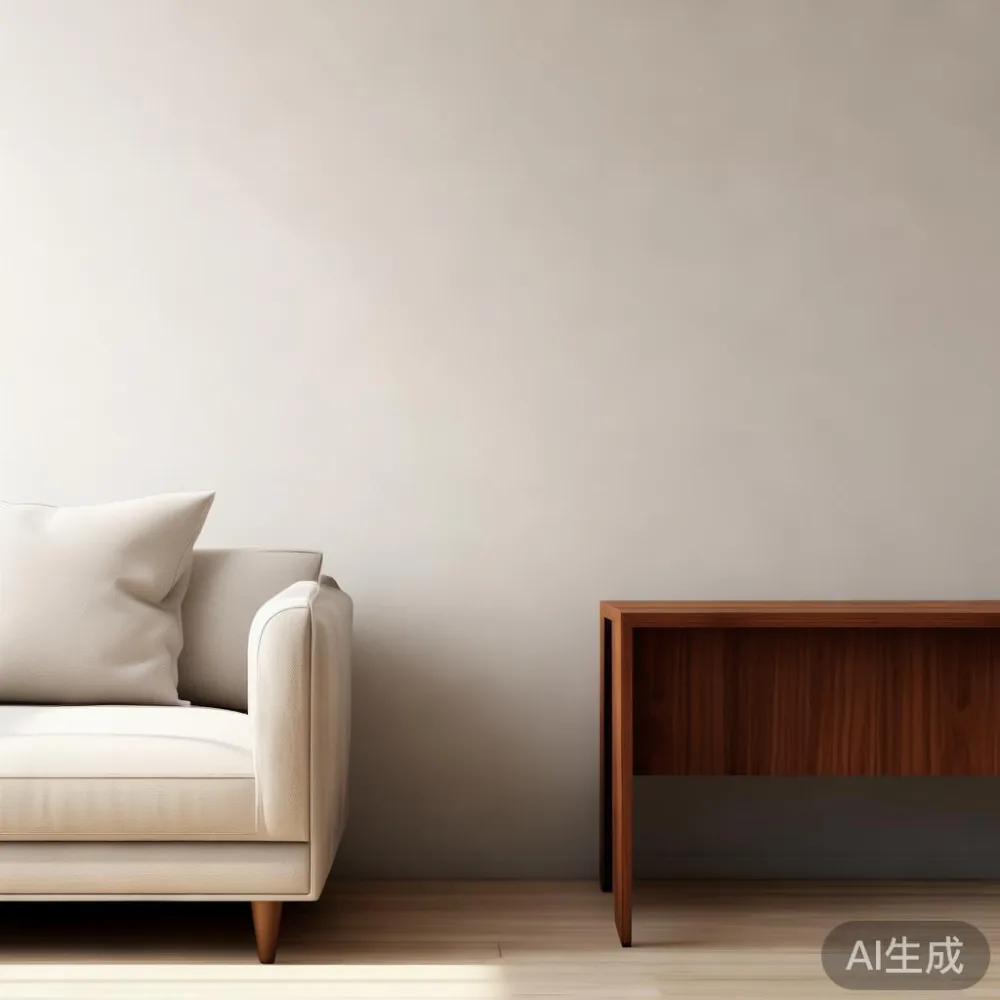
Understanding the Fundamental Difference: Veneer and Solid Wood
At the core of our comparison lies a simple distinction in construction. A veneer office desk is crafted by applying a thin slice of real wood, often no thicker than 0.6 mm, over a substrate made of particleboard, MDF, or a cheaper wood. This process allows manufacturers to create a wood-like appearance at a lower cost. In contrast, a solid wood office desk is constructed from a single piece or multiple pieces of solid lumber, such as oak, walnut, or teak, joined together using traditional woodworking techniques like mortise and tenon or dowels. This difference in construction dictates everything from the desk's weight and feel to its ability to withstand changes in humidity, a critical factor in Singapore where indoor humidity can fluctuate between 55% and 85% throughout the year.
Initial Investment: Breaking Down the Singaporean Price Points
The most immediate difference between veneer and solid wood desks is the initial purchase price. Let's establish a baseline with two hypothetical office desks, both measuring 150 cm in width, 75 cm in depth, and 75 cm in height—a standard size that fits comfortably in most Singaporean home offices, including those in Tampines or Bedok HDB flats.
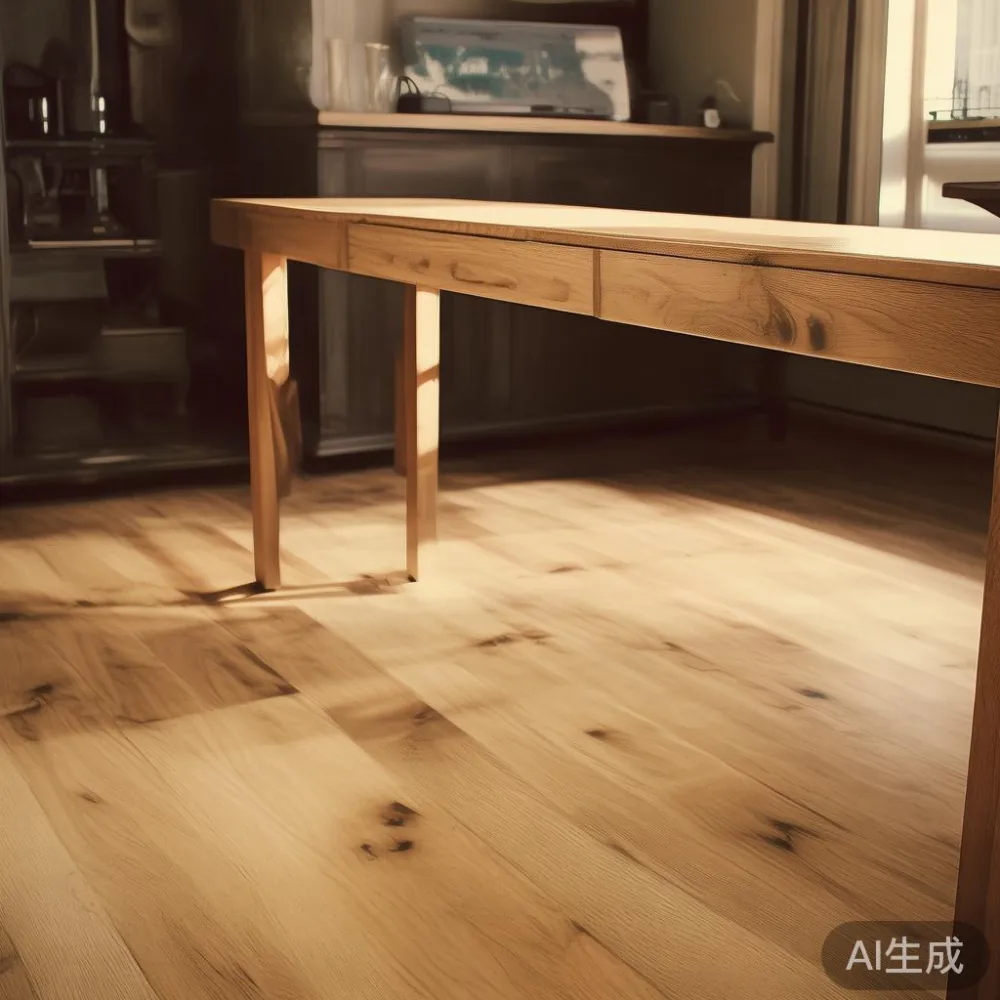
A veneer office desk of these specifications would typically retail for between SGD 850 and SGD 1,200. This price point reflects the lower material and manufacturing costs. For example, a popular model might feature a oak veneer finish on an MDF core, weighing approximately 28 kg. Delivery within Singapore, including handling through standard 1.2-meter wide corridors and building lifts, would cost an additional SGD 50 to SGD 80, with an estimated delivery time of 3 to 5 business days.
A solid wood office desk, on the other hand, commands a higher price. A comparable solid oak desk would range from SGD 1,800 to SGD 2,800. This increased cost is due to the premium quality of the solid timber and the skilled labor required for its construction. The same desk dimensions would result in a weight of approximately 42 kg, reflecting the density and mass of solid wood. Delivery for a heavier item like this might cost SGD 70 to SGD 100, with a similar delivery window of 3 to 5 days, though some providers may charge a slight premium for items over 40 kg. The 9% Goods and Services Tax (GST) would be applied to the final purchase price plus delivery charges, adding a further layer to the initial investment.
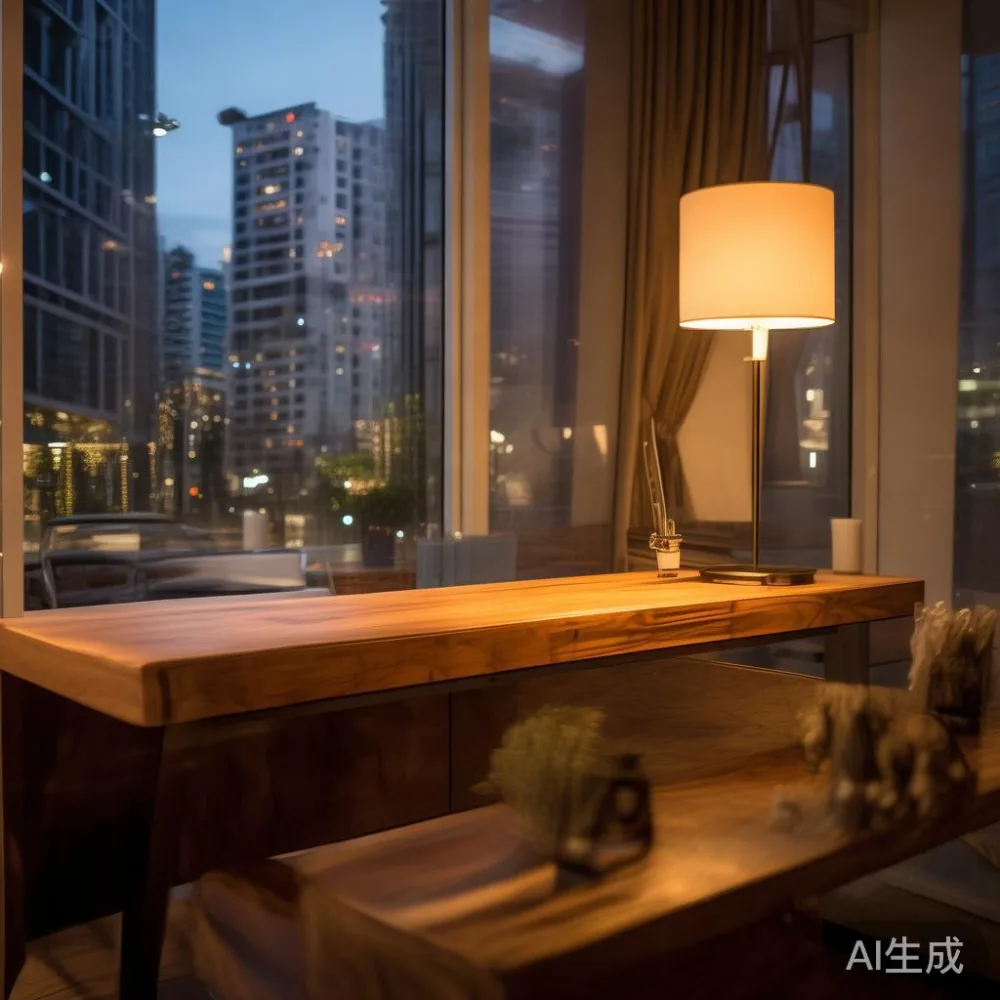
How Do They Handle Singapore's Climate? Durability Over 5 Years
Singapore's tropical climate is the ultimate stress test for furniture. High humidity levels can cause materials to expand and contract, and temperature fluctuations can lead to warping or cracking. This is where the fundamental difference in construction becomes most apparent.
A veneer desk's Achilles' heel is its reliance on adhesive to bond the thin wood layer to the substrate. Over time, especially in a humid environment, this glue can weaken. After 2 to 3 years, a veneer desk might begin to show signs of peeling at the edges or bubbling on the surface. If moisture penetrates the veneer, the substrate underneath can swell, causing the desk to become uneven. In the worst-case scenario, the desk might need to be replaced after 5 years due to irreparable damage. The repair process is often costly and complex, as replacing a veneer panel without a visible seam is nearly impossible.
Solid wood, by contrast, is naturally more stable. While it is also susceptible to humidity changes, a well-constructed solid wood desk is designed to breathe. The wood expands and contracts along the grain, a natural process that the joinery is built to accommodate. A high-quality solid wood desk will show no signs of peeling or delamination. Instead, it may develop a beautiful, unique patina over the years, with minor colour variations that add to its character. After 5 years, a solid wood desk will not only look good but will retain its structural integrity. Its mortise-and-tenon joints will remain tight, and the frame will be as stable as the day it was purchased. This inherent durability is a cornerstone of the European light luxury furniture philosophy, where natural materials are celebrated for their authenticity and longevity.
What is the True Cost of Maintenance Over Five Years?
While the initial cost is a significant factor, the long-term maintenance expenses can substantially impact the total cost of ownership. Let's create a detailed comparison table outlining the typical maintenance required for each type of desk over a 5-year period in a Singaporean home.
| Year | Veneer Office Desk Maintenance (SGD) | Solid Wood Office Desk Maintenance (SGD) |
|---|---|---|
| 1st Year | SGD 40 (Dusting with a microfiber cloth, occasional wood-safe cleaner) | SGD 40 (Dusting with a microfiber cloth, occasional wood-safe cleaner) |
| 2nd Year | SGD 150 (Minor touch-up pen for a small scratch) | SGD 40 (Dusting, polishing with a high-quality beeswax paste) |
| 3rd Year | SGD 250 (Professional refinishing of the top surface to address bubbling) | SGD 40 (Polishing) |
| 4th Year | SGD 250 (Another refinishing session as the veneer continues to degrade) | SGD 40 (Polishing) |
| 5th Year | SGD 400 (Full professional sanding and re-lacquering to restore appearance) | SGD 40 (Polishing) |
| Total 5-Year Cost | SGD 1,090 | SGD 200 |
As the table clearly shows, the veneer desk's maintenance costs escalate rapidly. By year three, the need for professional refinishing becomes a recurring expense. A solid wood desk, however, requires only simple, at-home care. Applying a layer of beeswax or a similar polish once or twice a year not only restores the lustre but also nourishes the wood, protecting it from the dry air produced by air-conditioning units common in Singaporean condos. This simple act is a cornerstone of caring for a solid wood bed frame or dining table, and it applies equally to an office desk.
Is It Worth Investing in a Solid Wood Desk?
This is the question many Singaporean homeowners ask when faced with the significant price difference. The answer lies in a complete view of value that extends far beyond the initial price tag. When you invest in a solid wood office desk, you are not just buying a piece of furniture; you are acquiring an asset that will serve you reliably for decades and can even appreciate in value. A solid wood desk is an investment in your daily work environment, in your home's aesthetic, and in a sustainable choice that won't end up in a landfill in five years.
Consider the concept of how to style European light luxury wardrobe in apartment. The same principles of quality, craftsmanship, and timeless design apply to a desk. A solid wood desk becomes a central piece of your interior design, complementing other high-quality furniture. For instance, the rich, warm tones of a solid oak desk can beautifully offset the cool elegance of a European light luxury dressing table in a bedroom or the clean lines of a Scandinavian for guest room aesthetic. The desk is not an isolated item; it is part of a cohesive home environment. Also, a solid wood desk holds its value remarkably well. After five years, you could expect to recoup 50-60% of its original value when selling second-hand, whereas a veneer desk might only fetch 20-30%, if anything at all. This financial resilience makes a solid wood desk a much smarter long-term investment.
A First-Hand Look at Craftsmanship at a Foshan Factory
To truly understand the difference, one must see the process firsthand. Last month, I had the opportunity to visit a Foshan factory that produces high-end solid wood furniture for brands like MIDHILL. The contrast was stark. In one section, workers were applying veneer sheets to large sheets of MDF using industrial presses. The process was fast and efficient, but the materials were clearly mass-produced. In another hall, master craftsmen were hand-selecting slabs of American walnut, each piece inspected for its grain and character. They were using hand planes and chisels to shape the joints for a dining table, the same techniques used for their office desks. The attention to detail was palpable; the sanded surfaces were perfectly smooth, ready for a hand-rubbed oil finish that would protect the wood for years to come. This level of artistry and dedication to material quality is simply not found in veneer production, and it is this commitment that defines the value of a solid wood piece.
Common Mistakes to Avoid When Choosing Your Office Desk
Even with the best intentions, buyers can make missteps when selecting an office desk. Here are a few common mistakes to avoid, especially when working through the specific logistics of Singaporean living spaces:
- Ignoring Weight and Delivery Logistics: A veneer desk weighing 28 kg is manageable, but a solid wood desk at 42 kg requires careful planning. Ensure the delivery service can handle the weight and that your building's lift can accommodate it. Corridor widths in older flats can be tight, so confirm the desk can be maneuvered.
- Underestimating Humidity Impact: Don't be swayed by a showroom's perfect climate. Ask the retailer about the desk's performance in high-humidity conditions. A solid wood desk's ability to acclimate is a key advantage.
- Choosing Style Over Function: A beautiful desk is wonderful, but it must work for you. Consider the height of your chair, the placement of your monitor, and the amount of surface area you need for your work. A desk that looks great but causes back pain is a poor investment.
- Overlooking Compatibility: Your new office desk should complement your existing furniture. Consider the style of your solid wood sofa or bed frame. A desk that clashes with the rest of your home's aesthetic can feel out of place. For example, a sleek, minimalist solid wood desk would pair well with a light luxury sofa vs Mid-century modern sofa debate, depending on the specific lines and materials.
Looking Ahead: Solid Wood in the Future of Home Design
As we move towards 2026, the trends in interior design are leaning towards authenticity, sustainability, and personalization. This is where solid wood furniture truly shines. It aligns perfectly with the growing consumer desire for pieces that tell a story and are built to last. The question is American wardrobe worth it can be answered by looking at its construction and the value it provides over decades. Similarly, a solid wood office desk is a statement of quality that transcends fleeting trends. It fits smoothly into various design narratives, from the clean, uncluttered lines of a best Italian light luxury sofa for 2026 to the warm, organic feel of a post-modern light luxury space. Investing in a solid wood desk is not just a practical decision for today; it's a forward-thinking choice that will remain relevant and beautiful for years to come.