The Silent Challenge: How Singapore's Humidity Impacts Your Solid Wood Office Desk
Living in Singapore, especially in high-density housing estates like Tampines, Bedok, or Punggol, means living with a constant, invisible force: humidity. The air in our HDB flats and condominiums is perpetually moist, with average relative humidity hovering between 70% and 80% throughout the year. This environment, while pleasant for our skin, creates a unique and demanding set of conditions for furniture, particularly solid wood pieces like an office desk. Understanding this relationship is not just about preserving aesthetics; it's about protecting a significant investment. A solid wood office desk can cost anywhere from SGD 800 to over SGD 3,000, and its longevity depends on how well it's suited to our local climate.
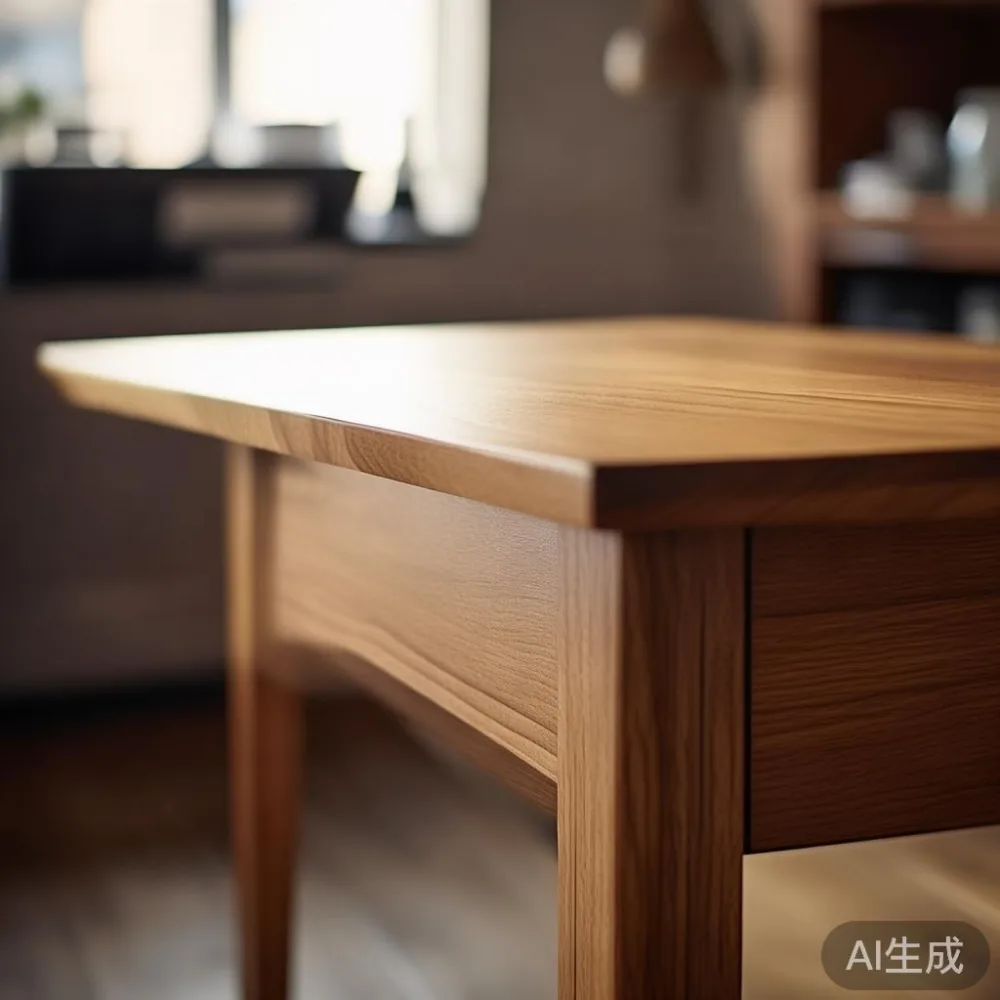
Why Wood and Humidity Don't Always Get Along in Singapore
Wood is a hygroscopic material, which is a scientific way of saying it absorbs and releases moisture from the air. Think of it like a sponge, but one that responds to humidity rather than being submerged in water. In a climate like Singapore's, the high humidity means wood constantly absorbs moisture. This causes its fibers to swell, leading to expansion. Conversely, during the occasional drier periods or when the powerful air conditioner is running in your home office, the wood will release moisture and contract. This continuous cycle of expansion and contraction is the primary source of furniture distress in our homes.
The effects are not always immediate. A solid wood office desk delivered to your Tampines HDB flat might seem perfect for the first few weeks. However, as it acclimates to the local humidity, subtle changes can begin to appear. You might notice small gaps between the desktop panels that were once perfectly flush. Or perhaps a door on a filing cabinet attached to your desk starts to stick. These are the early signs of wood movement. For a piece of furniture intended for daily use, like an office desk, this can be more than just an aesthetic issue; it can affect functionality and structural integrity over a period of 5 to 10 years.
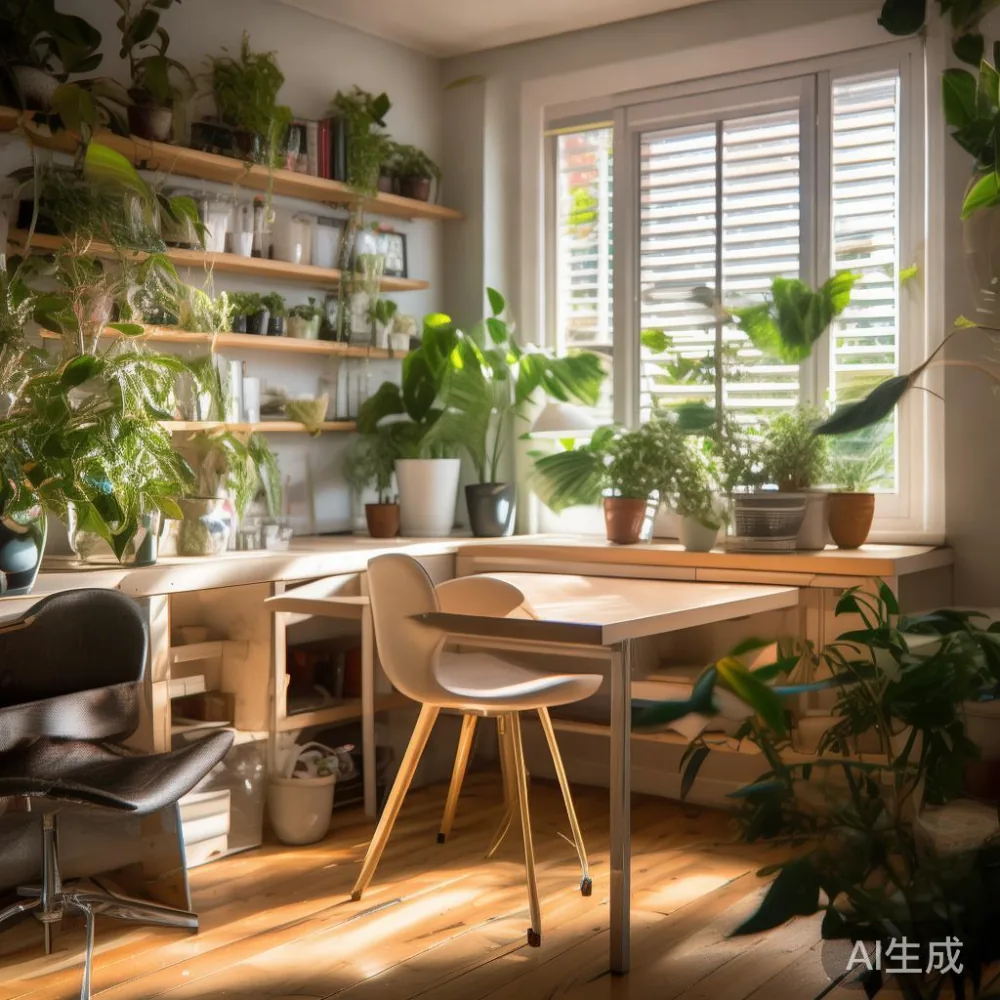
What Happens When Your Office Desk Meets Singapore's Humidity?
The consequences of prolonged exposure to high humidity can manifest in several distinct ways, each affecting the look, feel, and function of your solid wood office desk. The most common issues are warping, cracking, and joint failure. Warping occurs when different parts of the wood expand at different rates, causing the desktop to twist or bow. This is particularly problematic for large, flat surfaces like a desk top, which can become uneven, making it difficult to write or place items flat. A warped desk top might have a deviation of 2-3 mm across its 150 cm length, which is enough to be noticeable and annoying.
Cracking, or 'checking', happens when the wood surface dries out too quickly. While Singapore is humid, the air conditioning in modern condos and apartments can create microclimates of very low humidity. If a desk is placed directly under an air vent, the wood can lose moisture faster than it can absorb it from the surrounding air. This stress on the fibers causes them to split, often starting as a small, hairline crack that can grow over several years. Joint failure is another serious concern. The glue in mortise and tenon joints or dowels can weaken with constant moisture fluctuation, causing a leg or support to become loose. This compromises the entire structure of the office desk, turning a sturdy piece of furniture into a potential safety hazard if it collapses under the weight of your computer and monitors.
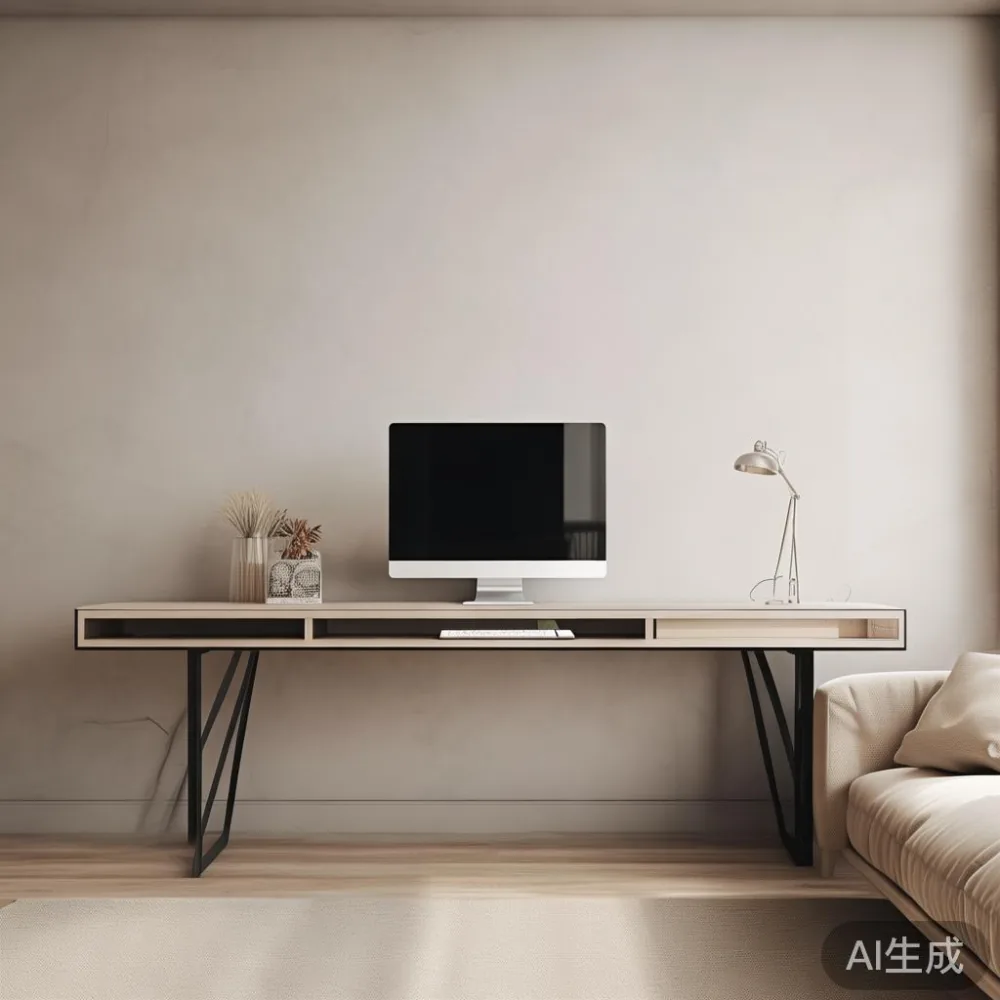
How to Choose a Humidity-Resistant Office Desk for Your Singapore Home
Not all wood furniture is created equal, especially for humid climates. The key to a long-lasting office desk lies in the wood species and the construction techniques used. For Singapore, hardwoods are far superior to softwoods. Hardwoods like Teak, Sheesham, and Oak are denser and have a more stable cellular structure, meaning they are less prone to absorbing large amounts of moisture and swelling excessively. Teak, for instance, is naturally rich in oils that act as a water repellent, making it an excellent choice for our climate. A desk made from Sheesham wood, for example, will generally show less movement than one made from a softer wood like Pine.
Construction quality is just as important as the wood itself. A well-made office desk will feature 'floating' panel designs. Instead of being glued tightly into a frame, the individual slats of the desktop are allowed to move freely within a groove. This allows the panels to expand and contract with changes in humidity without causing the entire desk to warp or crack. Look for desks constructed with traditional joinery methods like mortise and tenon, which are mechanically strong and rely less on adhesives that can fail. Avoid desks made with particleboard or MDF cores, even with a wood veneer. These composite materials are extremely unstable in high humidity and will swell, delaminate, and fall apart, often within a single season. The investment in a solid wood desk, while higher upfront at perhaps SGD 1,500, is a long-term decision that will save you the cost of replacing a cheaper desk every 2 to 3 years.
Is a Solid Wood Office Desk Really Suitable for Singapore's HDB Flats?
This is a question many homeowners in Singapore ask, and the answer is a qualified yes. A solid wood office desk is not only suitable but can be a beautiful and durable addition to your home, provided it is the right kind and cared for properly. The key is to manage the environment around the desk. Positioning is critical. Avoid placing your office desk directly against an external wall, as these walls can feel damp and transmit moisture into the furniture. Also, keep it away from direct air conditioning vents and out of direct sunlight, which can cause uneven drying and fading. Placing it in a stable, interior room of your Punggol condo, away from extreme environmental changes, is the best strategy.
Acclimatization is another important step. When a new solid wood desk arrives, it needs time to adjust to the humidity levels in your specific home. Unpack it and let it sit in the room where it will be used for at least 48 to 72 hours before assembling it or placing heavy objects on it. This allows the wood to reach equilibrium with its surroundings, minimizing the risk of immediate post-purchase movement. For those who appreciate a specific aesthetic, the question of style often arises. One might ask, is Mid-century modern sofa worth it for a home that values both form and function in a humid climate? The same principles apply; a well-constructed mid-century style desk in a stable wood like teak would be an excellent choice, combining iconic design with practical durability.
Practical Care Tips for Your Solid Wood Office Desk in Singapore
Maintaining a solid wood office desk in Singapore is less about intensive polishing and more about consistent, gentle care. The goal is to maintain a stable environment for the wood. Using a dehumidifier in your home office, especially during the monsoon season when humidity can spike to 90%, can make a significant difference. Aim to keep the relative humidity in the room between 45% and 55% for optimal wood health. A simple digital hygrometer, costing around SGD 30, can help you monitor these levels.
Cleaning should be done with a soft, damp cloth, not a soaking wet one. Wipe up any spills immediately, as leaving water sitting on the wood surface can cause stains and localized swelling. For polishing, use a high-quality furniture wax or polish that contains natural oils. These products nourish the wood and provide a protective barrier against moisture fluctuations. Avoid silicone-based sprays, as they can build up a film on the wood surface, trapping moisture and leading to damage. My colleague, who lives in a Bedok HDB flat, learned this the hard way. Last month, I visited her home office and noticed her beautiful teak desk had developed a sticky, cloudy patch. She had been using a generic furniture spray. After gently cleaning it and applying a natural beeswax polish, the wood's lustre returned and felt smooth to the touch. This simple maintenance routine, performed every 3 to 4 months, is enough to keep your desk looking its year after year.
What to Look for When Buying a New Office Desk in Singapore
When you're ready to purchase a new office desk, being an informed consumer will ensure you get a piece that will last. Beyond the wood species and construction, consider the finish. A thick, multi-layered lacquer or oil finish provides a superior moisture barrier compared to a thin, sprayed-on varnish. Ask the retailer about the finishing process; a desk with 7 to 10 layers of hand-rubbed lacquer will offer much better protection than one with a single spray coat.
Warranty and support are also important indicators of quality. A reputable manufacturer will stand by their products. For example, a company established in 2008 that exports to 15+ countries might offer a 10-year structural warranty and a lifetime refinishing service. This level of commitment shows confidence in their ability to produce furniture that can withstand various climates, including Singapore's. It also provides peace of mind, knowing that if a structural issue arises, you have recourse. Practical considerations like delivery are also key. Free shipping for orders over SGD 350 is a standard that saves you a significant amount, as local delivery charges in Singapore can easily be SGD 50 to SGD 100 per item. A 14-day return policy also gives you a safety net in case the desk doesn't fit in your space or meet your expectations. For instance, ensuring the desk's dimensions, like a width of 120 cm, will fit comfortably in your HDB lift and corridor is a practical step before purchase.