How to Choose the Right-Size Office Desk for a Singapore HDB Living Room
Choosing an office desk for a Singapore HDB living room is less about filling an empty corner and more about making 60–90 cm of floor space work harder. A compact flat may offer only 45–55 cm between a sofa arm and the television wall, while a newer HDB living room can include a dining bay, balcony access and a wider circulation path. The correct desk size depends on the room’s clear dimensions, the household’s working habits, lift access and the route from the corridor to the living room. Prices, measurements and delivery details below are in SGD.
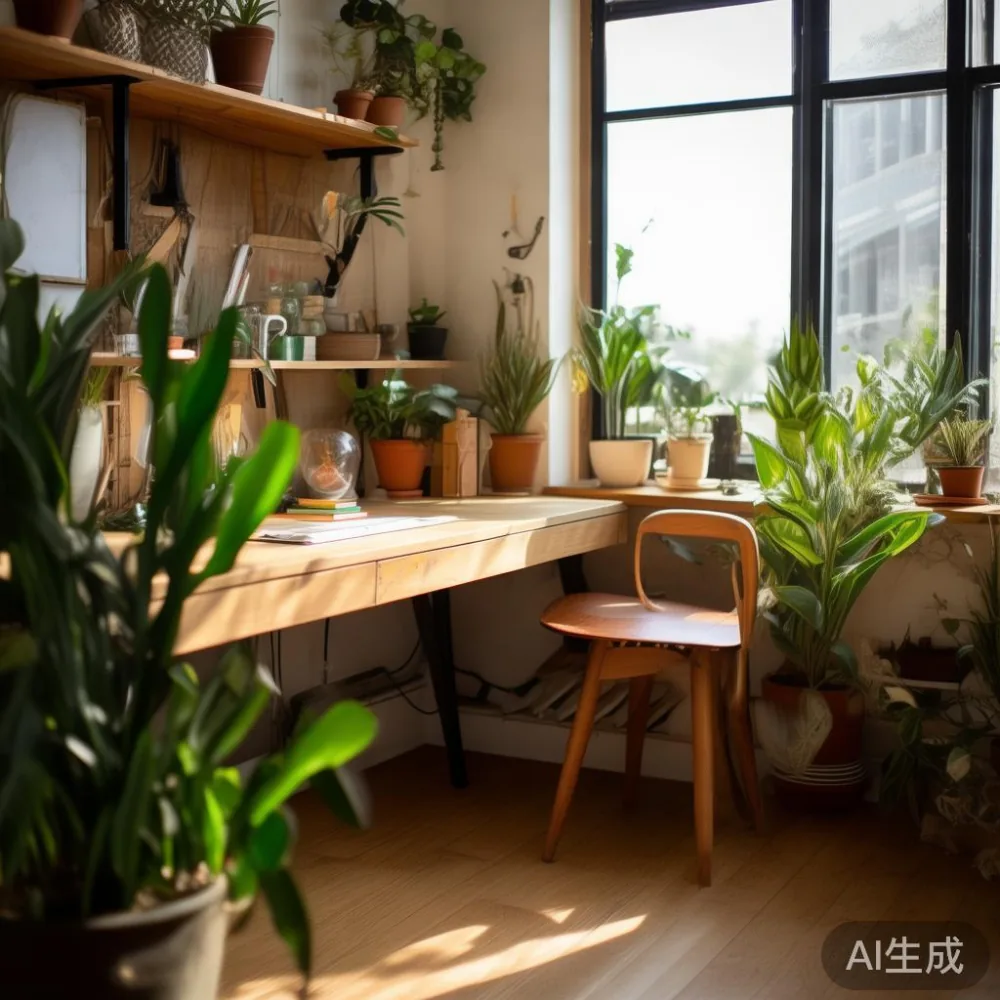
Most residents search for a 120 cm desk, receive a 140 cm model, then discover that the delivery carton will not turn into the HDB lift. A considered 100 cm office desk may serve one person daily, whereas a 140 cm office desk can support a monitor, laptop and writing area if the room has at least 75 cm of usable depth. The numbers matter because a desk that looks restrained in a show unit can crowd daily life in Tampines, Bedok or Punggol.
What size living room should an office desk fit?
Begin with the usable footprint rather than the room’s advertised area. Measure the clear length and width, excluding radiators, sockets, skirting boards and open doors. The desk itself should generally occupy no more than 35–45% of the floor area if it doubles as a work zone. A 120 × 60 cm desk occupies 0.72 sq m; in a compact 12 sq m living room, that represents 6%. A 140 × 70 cm desk occupies 0.98 sq m, or about 8.2% of the same floor area.
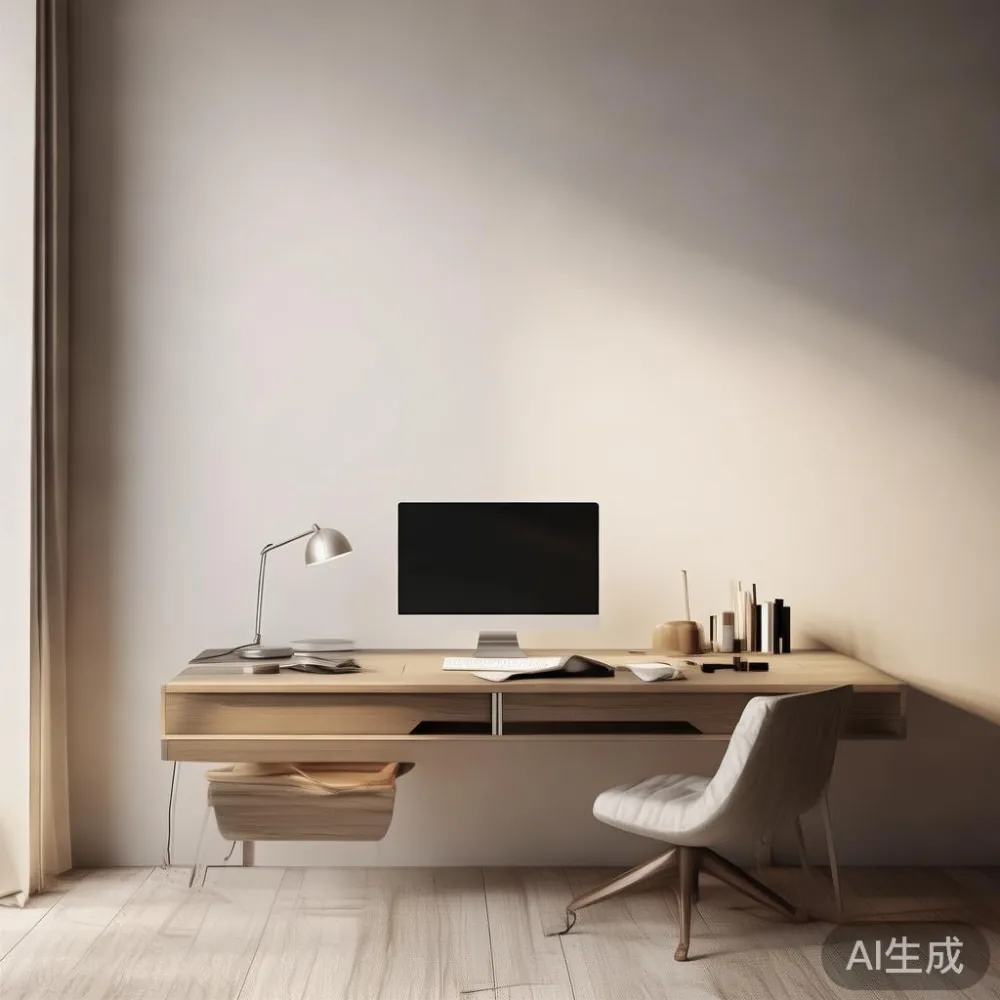
Allow at least 75 cm in front of the desk for a chair. With a 120 cm-wide desk in a 180 cm wall bay, each side has approximately 30 cm of remaining clearance, enough for a slim side table but not a broad drawer pedestal. For a 140 cm desk, a 200 cm bay provides about 30 cm on either side. If the desk faces a television, keep a viewing distance of roughly 150–250 cm and make sure the screen is not directly above the work surface, where glare and neck strain become concerns.
Door and balcony routes need approximately 80–90 cm of clearance. At a right angle to the sofa, a 120 cm desk can interrupt a passage more noticeably than a 100 cm desk placed flush against a wall. In many HDB layouts, a straight desk aligned with the side wall is more space-efficient than a corner model. A corner office desk with a 140 × 140 cm footprint needs a recess of at least 145 × 145 cm, including a few centimetres for assembly and skirting.
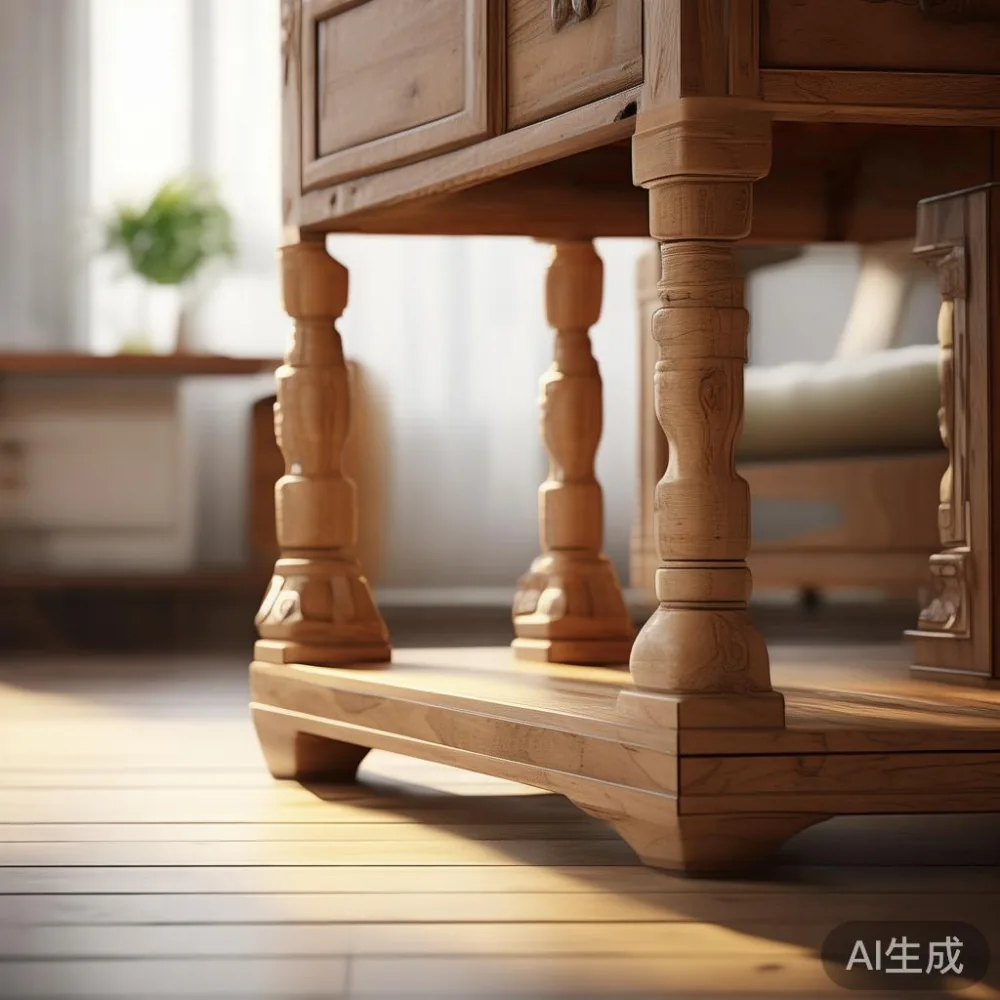
The furniture should also relate visually to the rest of the home. A pale oak desk can complement a solid wood sofa, while a black-framed design introduces post-modern light luxury through clean geometry. Marble table styling can be echoed with a stone-effect desktop, although the office desk remains a practical surface rather than a decorative centrepiece. In open-concept Singapore homes, match the desk’s height to nearby pieces so the living area does not look like an improvised study corner.
Which desk width suits one person working from home?
A 100–110 cm office desk is usually sufficient for one person using a laptop and a 21–24 inch monitor. A 120 cm office desk provides a more comfortable balance when the user also writes, reads printed documents or keeps a charging dock. A 140 cm office desk makes sense for two monitors, a desktop computer or a standing-and-sitting conversion. Two users sharing the same surface should consider a 160 cm desk, though this length demands at least 190–200 cm of wall width for comfortable circulation.
For most HDB residents, the 120 × 60 cm configuration is the practical middle point. It holds a 60 cm monitor, a laptop stand and a 20 cm document area. If the household mainly uses a laptop, choose 100 × 50 cm and save 0.20 sq m compared with a 120 × 60 cm unit. If the desk will support a monitor arm, check that the clamp or grommet position matches the desktop. Also allow roughly 10–15 cm behind the screen for cables and a 5–10 cm gap between the desk and wall for ventilation.
Work habits determine whether depth is more valuable than width. A 50 cm-deep model supports a laptop and compact keyboard but leaves little room for forearms. A 60 cm depth allows a 55–60 cm keyboard, a mouse and a small notebook. A 70 cm-deep office desk is useful for drafting, model-making or two screens, although it pushes the chair farther into the room. Consider a sit-stand office desk with a 70–120 cm height range if the desk is used for more than 4 hours daily.
The chair is part of the sizing decision. A standard office chair commonly needs 60–70 cm of width and 60–70 cm of depth when occupied. A slim 45 cm seat can reduce congestion, but it may not suit every body. Test the desk with the actual chair before ordering. A desk that permits knees but traps the chair legs beneath a drawer is not functionally right, regardless of its neat appearance.
How will the office desk reach the living room?
Measure the HDB lift door, lift car and corridor before choosing a large office desk. Singapore HDB lift doors are often around 80–90 cm wide, with internal dimensions near 110–140 cm deep and 100–135 cm wide. Accessible or relocated lifts may differ. A 120 cm desktop may fit diagonally into a suitable car, but the assembled product could be impossible to manoeuvre around a 90-degree corridor turn.
Ask for two packaged dimensions: the desk dimensions and the carton dimensions. Add at least 10 cm to the carton width when judging doorway clearance, because packaging, corner protection and hand grips affect handling. A flat-pack office desk often arrives in 2 cartons, each weighing roughly 18–32 kg for solid wood. If the total parcel weight exceeds 70 kg, delivery may require two porters, and lift booking should be confirmed.
Corridor widths in HDB blocks can be approximately 120–180 cm. Furniture turning around a bend needs more space than its straight-on width suggests. I tested this route last month during a delivery consultation in Tampines: a 140 cm office desk could enter the lift, yet its 142 cm carton could not pivot past the fire hose reel and corridor corner. A 120 × 60 cm package passed both points with about 12 cm to spare.
Check whether the ground floor has a ramp, steps or a loading area. For a move involving more than 20 metres of corridor, request a delivery time window and keep the lift free for at least 15–30 minutes. Confirm who will unpack and carry the desk upstairs. Some couriers deliver to the door only, while a room-of-choice service may include placement and assembly.
MIDHILL, a Foshan furniture manufacturer established in 2008, ships to more than 15 countries and offers a 10-year structural warranty. Its Singapore orders can normally be planned around delivery windows of roughly 7–14 working days after production, subject to stock and customs clearance. A local HDB delivery may add 2–4 days, while a premium room-of-choice service can add SGD 40–120.
Is a solid wood office desk practical for humid Singapore conditions?
Solid wood can work well in Singapore when the finish, joints and care routine are suitable. Ask whether the desk uses kiln-dried hardwood, how the panels are finished and whether the surface is sealed on all faces. A water-based polyurethane or matte lacquer finish is easier to maintain than an untreated surface. Avoid placing a drink directly over a joint or edge, and use a coaster with a base of at least 8 × 8 cm.
Wood movement is normal. In a consistently air-conditioned flat, relative humidity may remain around 40–60%. During periods when the air conditioner is off and windows are open, a solid top may expand by a few millimetres across its width. Quality construction accommodates this with appropriate joinery. Look for dowelled or mortise-and-tenon corners, even drawer spacing and rear bracing that prevents side-to-side sway.
For heavier equipment, choose an office desk rated for at least 80 kg and fitted with cable management. A desktop supporting 2 monitors, a laptop and speakers may carry 25–40 kg. The manufacturer’s stated load figure should include a safety margin; an 80 kg rating is more appropriate than an undocumented 50 kg rating for a full work setup.
Colour selection matters under Singapore light. Pale oak can brighten a compact room but shows dust and fingerprints. Walnut and deeper browns create a French light luxury mood, while clean white frames and warm timber lend an American light luxury character. Post-modern light luxury often pairs rectilinear forms with restrained contrast. Request a physical finish sample if colour accuracy is important, as screens can shift tones by 10–20%.
How much should a suitable office desk cost in Singapore?
A practical entry budget is approximately SGD 300–600 for a compact engineered-wood or solid-wood veneer office desk measuring around 100–120 cm. A solid wood office desk with stronger joinery, a 60–70 cm depth and a longer warranty may cost SGD 700–1,500. A 140–160 cm sit-stand model with electric dual-motor lifting can range from SGD 1,200–2,600. Taxes and delivery can change the final amount, so confirm the GST-inclusive price and any lift or room-of-choice charges.
Compare the cost against usable components rather than style labels. A SGD 900 desk with a 120 × 60 cm top, solid wood construction, cable ports and a 10-year structural warranty may serve better than a SGD 400 unit with a thin panel and unstable legs. Check whether the warranty covers the top, frame, drawer runners and mechanical lift, or only selected parts.
Online searches often mix unrelated categories. A query about the best Vintage sofa for 2026 may lead to seating rather than desks, while material on is Italian light luxury bed worth it or Japanese bed vs Japandi bed concerns bedroom furniture. Although a solid wood sofa, bed frame, dining table, wardrobe, nightstand and marble table can share one coordinated home, the office desk needs its own dimensions and load specification.
Some broader design references, such as how to style European light luxury sofa in room, Rustic for dining room and for sale French furniture, can help with colour and material direction. They should not replace desk measurements. A blue-grey sofa might inspire a matching desk frame, but the desk should still suit the actual wall length and lift route.
Can an office desk make a small HDB living room look larger?
Yes, if it creates a clear visual line and reduces floor clutter. A wall-mounted office desk with a 100 × 50 cm top can free nearly 0.50 sq m when folded, although installation must suit the wall material. In concrete HDB walls, use anchors specified for the load; a solid wood top and workstation can weigh 35–55 kg. A fixed 120 cm desk with two slender legs often looks lighter than a bulky pedestal desk, especially against a plain wall.
Keep the area below the desk breathable and avoid a deep drawer unit if the living room is already tight. Use vertical storage above it only when the ceiling height, wall strength and desk stability allow it. A 40 cm-deep floating shelf can hold a printer, books and small objects, but adding 20 kg of storage changes the load calculation.
Apply the same discipline to furniture around the desk. A slim nightstand can serve as a printer stand only if its top is at least 40 × 40 cm and its load rating is adequate. A dining table positioned within 60 cm of the work zone may feel crowded, especially when both are in use. For homes in Bedok or Punggol where the living room combines work, dining and family activities, define the desk zone with lighting and a small rug rather than extra partitions.
A 150–200 cm rug beside the desk can visually anchor the work area, but the desk legs should remain on the hard floor for stability. Use 2–3 warm light sources around the room: one task lamp at the desk, one ceiling fixture and one low lamp near the sofa. This layered approach can make a compact office desk feel intentional.
What should I check before ordering the office desk?
Use a 6-point checklist. Confirm the room width and depth; the 75 cm chair zone; the lift door and car dimensions; the corridor turning space; the desktop load rating; and the finish and warranty terms. Ask for a dimensioned drawing if the layout is unusual. For a 120 × 60 cm office desk, the drawing should show the top, leg inset, drawer projection, cable openings and rear clearance.
Allow 10 cm between the desk edge and nearby walls where possible. If the desktop is 70 cm deep, a wall inset of 5–10 cm helps prevent wrist contact. For a corner office desk, check that both legs can sit in the recess without blocking a socket or skirting board. Moving sockets are not a substitute for safe cable routing; a desktop grommet with a 6 cm opening keeps chargers out of the working area.
Check the assembly process. A desk that takes 2 people and 45–75 minutes may be manageable, while a 150 kg marble table requires specialist handling. The chosen office desk should have parts that can be carried by 2 people, with removable legs that shorten the carton. Confirm instructions, hardware and spare screws before the courier leaves.
Singapore online purchases may carry a 9% GST, while some displayed prices are tax-inclusive. Keep the 14-day return period in view, but ask whether assembled furniture, custom finishes and delivery charges are excluded. The most reliable approach is to measure twice, order a desk that fits the route, and treat the warranty and finish as part of the product rather than afterthoughts.