The Art of Lacquer Care: Protecting Your Office Desk in Singapore's Tropical Climate
Living in Singapore, with its year-round high humidity and temperatures that rarely dip below 26°C, presents a unique challenge for owners of fine furniture. This is especially true for those who appreciate the sleek, reflective beauty of a lacquered surface. A pristine office desk with a flawless finish can improves a home workspace, but the local climate can test its durability. For residents in HDB flats across the island, from the newer estates of Punggol to the established neighbourhoods of Tampines and Bedok, understanding the specifics of lacquer care is key to preserving both the aesthetic and structural integrity of your investment. This guide provides a detailed, practical approach to maintaining your lacquered office desk, ensuring it remains a centrepiece of your work area for years to come.
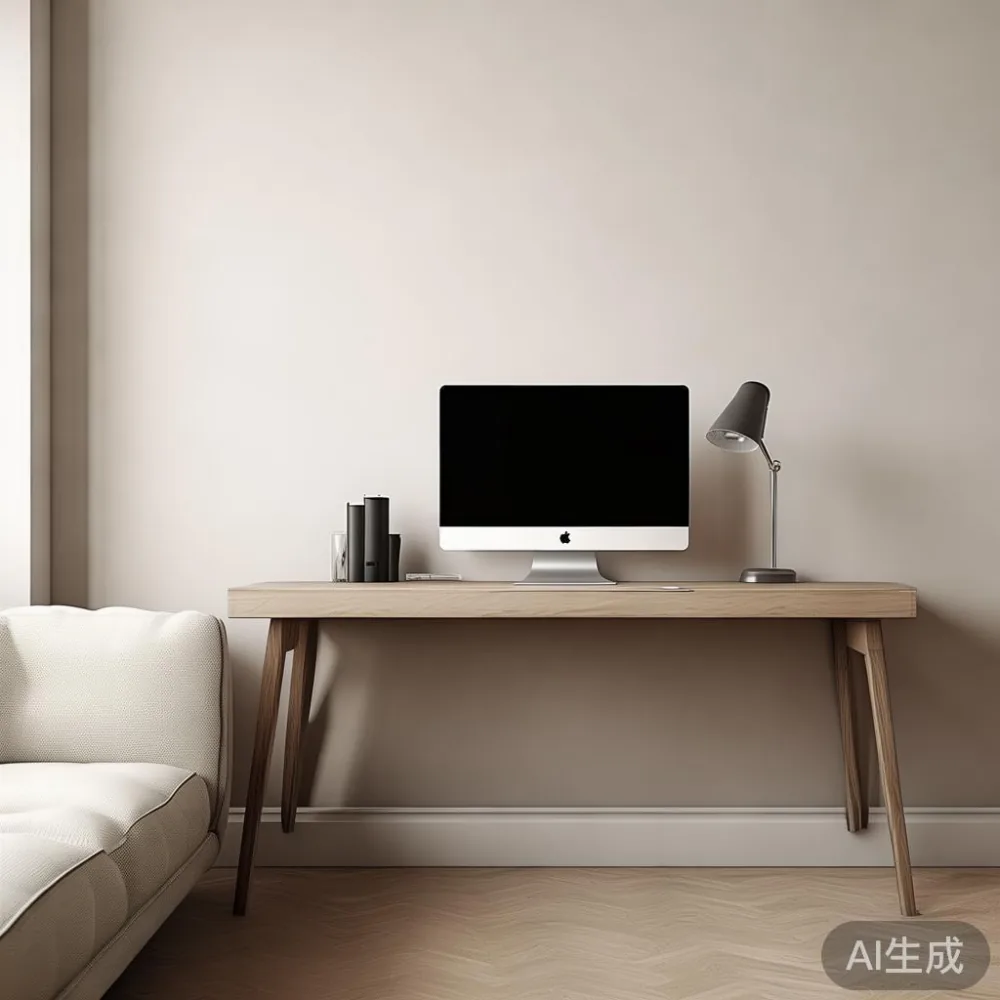
Understanding Your Lacquered Office Desk
A lacquered finish, whether applied to an office desk, a dining table, or a nightstand, is a multi-layered process. It involves applying a clear, hard resin coating over a prepared wood surface. The result is a glass-like sheen that is highly resistant to scratches and stains. However, this very durability can be misleading. While the lacquer itself is tough, it is not immune to the environmental stresses present in a Singaporean home. The primary culprits are moisture, heat, and sudden changes in humidity. Unlike a solid wood sofa or a marble table, which have different material properties, a lacquered office desk's finish is its primary defence and its most vulnerable point. The layers of lacquer can expand and contract with temperature and humidity fluctuations. Over time, this can lead to issues like hazing (a cloudy appearance), small cracks, or, in severe cases, delamination where the finish separates from the wood substrate. Understanding this helps frame a care routine that is preventative rather than reactive.
Why Singapore's Climate is a Challenge for Lacquer
The climate in Singapore is characterised by high relative humidity, often averaging between 80% and 90%. This constant moisture in the air can be absorbed by the wood beneath the lacquer, especially at the joints or unfinished edges. This swelling and shrinking cycle is a primary cause of stress on the finish. For an office desk placed near an air-conditioning vent, the problem can be compounded. The cold air blowing directly onto the desk can create a microclimate of lower humidity and lower temperature on the surface, while the surrounding air remains warm and moist. This temperature differential can cause condensation to form on the lacquered surface, leading to water spots and potential damage. This was a lesson learned the hard way by a colleague of mine last month. He recently moved into a new condo in Bedok and placed his beautiful new office desk directly under the AC unit for a cool breeze. Within a few weeks, he noticed a persistent, dull patch on the surface that wouldn't buff out. The issue was the condensation, which had slightly damaged the lacquer's top layer. This real-world experience highlights the need for strategic placement of furniture to avoid direct exposure to air-conditioning drafts.
Daily and Weekly Maintenance Routines
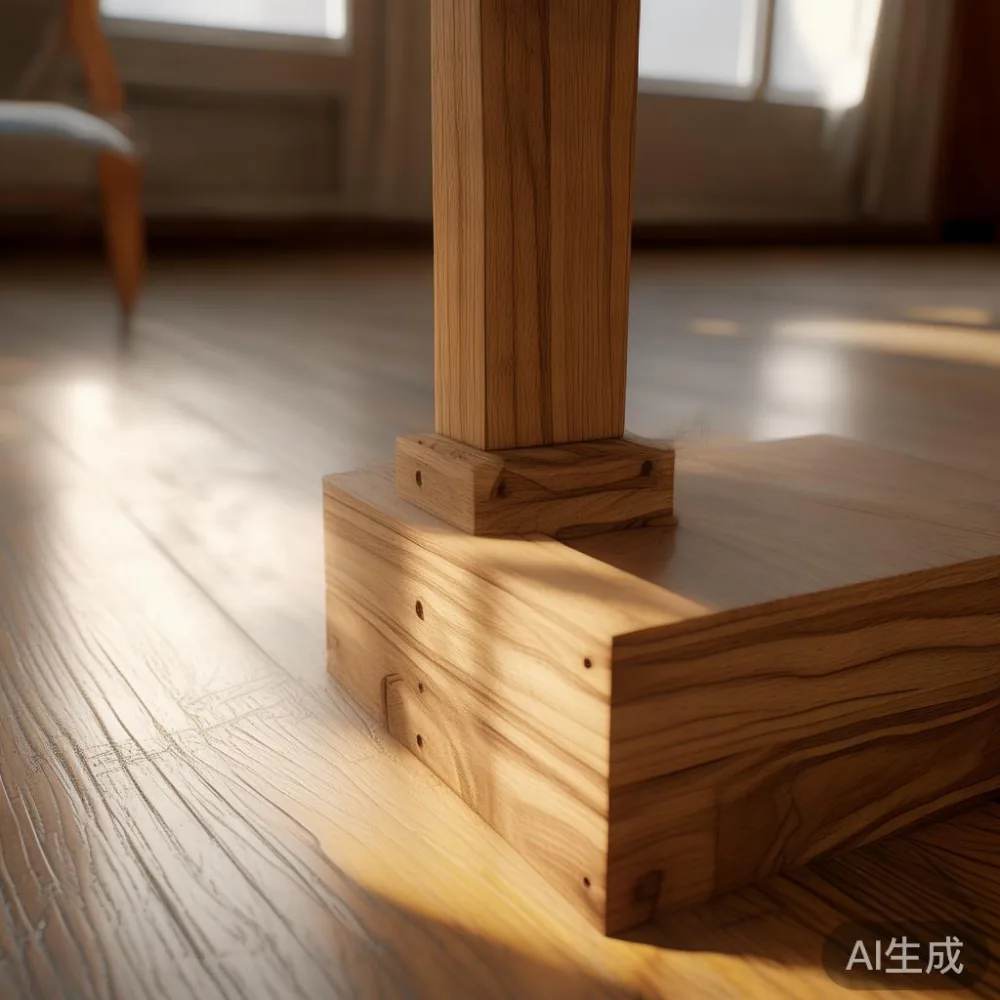
Preventing damage is far simpler and less costly than repairing it. A consistent, gentle maintenance routine is the foundation of lacquer care. For daily cleaning, use a soft, lint-free microfiber cloth. Dampen it slightly with clean, distilled water. Distilled water is preferred as it lacks the minerals found in tap water, which can leave behind a fine film over time. Wipe the surface of your office desk in a gentle, circular motion. Avoid pressing too hard, as excessive force can wear down the finish over years of use. Immediately follow with a dry, soft cloth to remove any moisture. Weekly, a more thorough cleaning is advisable. Use a pH-neutral, non-abrasive furniture cleaner specifically formulated for lacquered or high-gloss finishes. Apply a small amount to a soft cloth and wipe the entire surface. Never spray the cleaner directly onto the desk, as the liquid can seep into seams or around hardware. Always spray onto the cloth first. This simple routine removes dust, skin oils, and minor environmental pollutants that can dull the lacquer's shine over time.
Preventative Measures: Placement and Protection
How and where you place your office desk is just as important as how you clean it. As my colleague's experience showed, avoid placing the desk directly in the path of an air-conditioning vent. A distance of at least 60 cm is a safe buffer. Similarly, do not position it directly in front of a window where it will be exposed to direct, harsh sunlight for prolonged periods. UV rays can cause the lacquer to yellow and become brittle over time. Use window blinds or curtains to filter the light. Place coasters under all drinks, hot or cold. A glass of water left on a lacquered surface can leave a ring if condensation forms. Use placemats or a desk blotter for writing or placing objects. This not only protects the surface from scratches and heat but also adds a touch of personal style to your workspace. When moving the desk, always lift it. Never drag it across the floor, as this can scratch both the lacquer finish and the underlying floor surface. For those living in HDBs or condos with narrow corridors or lifts, ensure you have measured the dimensions. A standard office desk might be 120 cm wide, 60 cm deep, and 75 cm high. Confirming these measurements against your lift car (typically 110 cm x 210 cm) and corridor width before delivery will prevent a lot of stress.
What to Do When Spills and Stains Occur?
Accidents happen, but a quick response can prevent a permanent mark. For any liquid spill, act immediately. Grab a soft, absorbent cloth and blot the area. Do not rub, as rubbing can spread the liquid and push it into the wood grain or seams. For water-based spills like coffee, tea, or soda, blotting is often sufficient. For stubborn stains, you can use a cloth lightly dampened with a 50/50 solution of white vinegar and distilled water. Vinegar is a mild acid that can help break down some stains without damaging the lacquer. Again, apply to the cloth first, not the desk. After blotting, wipe the area with a clean cloth dampened with distilled water to remove any vinegar residue, and then dry immediately with a soft, dry cloth. For oil-based stains, like from food or cosmetics, the process is similar, but you may need to let the oil sit on a clean cloth for a few minutes to allow it to absorb before gently wiping the surface. Avoid using harsh chemical solvents, ammonia-based cleaners, or abrasive scouring pads, as these will strip the lacquer finish, leaving a dull, damaged area that is difficult to repair.
How Often Should I Polish My Lacquered Office Desk?
This is a common question, and the answer is less frequent than you might think. Polishing is not a routine maintenance task but a restorative one. Over-polishing can actually build up a hazy film on the surface, defeating the purpose of the shine. A good quality lacquered finish, like those found on a high-quality marble table or a sophisticated nightstand, is designed to be durable on its own. You should only polish your office desk when it appears dull or has minor scratches that you wish to buff out. When you do polish, use a high-quality, non-silicone-based furniture polish. Silicone polishes can create a barrier that prevents future refinishing. Apply a small amount to a soft, clean cloth and buff the surface gently in a circular motion. A little goes a long way. For most homes in Singapore's climate, polishing once or twice a year is more than enough to maintain the desk's lustre. The focus should always be on gentle cleaning and preventative care rather than aggressive polishing.
Professional Refinishing and Your 10-Year Warranty
Despite the best care, a lacquered surface may eventually show signs of wear. This is where the quality of the furniture and the manufacturer's support become critical. Reputable brands like MIDHILL, a Foshan-based maker with a strong presence in Singapore, offer comprehensive warranties that reflect their confidence in their craftsmanship. Many provide a 10-year structural warranty, which covers defects in the wood or construction. More importantly for lacquer care, they often offer a lifetime refinishing service. This means that if the finish becomes worn or damaged over decades of use, the company will refinish it for you, restoring it to its original condition. This is a significant benefit that extends the life of your office desk indefinitely. When considering a purchase, always inquire about the specifics of the warranty. A 10-year structural warranty and a lifetime refinishing promise are indicators of a product built to last, justifying its price point. For context, a well-made, solid wood office desk from such a brand might cost between SGD 2,500 and SGD 4,000, a significant investment that is protected by these assurances.
The Singaporean Context: HDBs, Condos, and Furniture Logistics
Purchasing and receiving furniture in Singapore involves unique considerations. For those living in HDB flats or condominiums, the process of delivery and placement is a key part of the ownership experience. Furniture makers understand the local context. For example, a company might offer free shipping for orders over SGD 350, which is easily met with a single office desk purchase. Delivery times are also a practical factor. A standard delivery might take 5 to 7 working days from the warehouse. For larger items or custom orders, this could extend to 14 days. It's also wise to consider the Goods and Services Tax (GST), which is currently 9% in Singapore, and is added to the final price of all goods. When choosing a supplier, look for those who provide a clear 14-day returns policy. This allows you to inspect the office desk upon delivery to ensure it is in perfect condition before you commit to keeping it. Check the dimensions carefully against your available space. In a typical HDB living room or bedroom, you might have a corridor width of about 120 cm, which is just enough to manoeuvre a desk that is 110 cm wide. Planning ahead ensures a smooth and stress-free experience from purchase to placement.
Styling Your Workspace with a Lacquered Office Desk
A beautifully finished office desk is more than just a functional piece; it's a design statement. The reflective nature of lacquer works well with various interior styles. For a French light luxury aesthetic, pair a black or white lacquered desk with a velvet-upholstered armchair, a crystal table lamp, and a small, potted orchid. The contrast between the hard, glossy surface and the soft textures creates an elegant and sophisticated atmosphere. The question of how to style light luxury wardrobe in room often involves a similar principle of mixing materials and finishes. In a more post-modern light luxury setting, you might place the desk against a wall with geometric wallpaper and complement it with a marble table accent piece. The clean lines and reflective surfaces of both the desk and the marble would create a cohesive, contemporary look. For those who appreciate American light luxury, a rich walnut-toned lacquered desk could be the centrepiece, flanked by leather-bound books and a brass desk organ. The key is to let the desk be the star of the show, using other elements to enhance its natural beauty rather than compete with it. This approach to styling ensures your workspace is not only productive but also a reflection of your personal taste.
Is a Lacquered Office Desk Worth the Extra Care?
Absolutely. The extra care required for a lacquered surface is a small price to pay for the unparalleled aesthetic and durability it offers. A high-quality lacquered finish protects the wood underneath from spills, stains, and everyday wear and tear far more effectively than an oil or wax finish. Its smooth, non-porous surface is also more hygienic, as it doesn't absorb germs or odours. The initial investment might be higher than for a simpler finished desk, but the longevity is incomparable. When considering the value proposition, it helps to compare different furniture types. For instance, the debate between an American bed vs Mid-century modern bed often comes down to style and function, but both are long-term investments. Similarly, a lacquered office desk is a long-term investment in your home environment. Its ability to be professionally refinished over a lifetime means it can be passed down or moved to a new home, retaining its beauty. The peace of mind that comes with a 10-year structural warranty and a lifetime refinishing guarantee from a trusted maker like one from Foshan Lingzhan further solidifies its worth. It is a piece of furniture that combines form and function in a way that few others can.
Ultimately, caring for a lacquered office desk in Singapore is about understanding and respecting its material needs. It’s a partnership between you and the furniture. By following a simple routine of gentle cleaning, preventative placement, and prompt attention to spills, you can protect your desk from the challenges of the tropical climate. The result is a workspace that not only serves its practical purpose but also stands as a proof of fine craftsmanship and enduring style. It is a space where you can work, create, and find inspiration, all within the beautiful, protective shell of a perfectly maintained lacquered surface.