Beyond the Surface: Understanding the Real Price of Solid Wood Furniture
When you walk through a showroom or browse online for a new piece of furniture, the price tag can sometimes feel like a mystery. Why does one solid wood office desk cost SGD 1,200 while another, seemingly similar one, is priced at SGD 3,500? The difference isn't just about brand names or aesthetic appeal. It's a complex interplay of raw materials, labour, design, logistics, and even the specific challenges of living in Singapore. This article will dissect the factors that contribute to the final price of solid wood furniture, using the context of our local environment—where HDB corridors are just 1.2 metres wide and a 7% GST applies—to provide a clear and practical understanding.

Why is a Solid Wood Office Desk More Expensive Than a Veneer One?
The most fundamental starting point for understanding furniture pricing is the material itself. A solid wood office desk is, as the name implies, constructed entirely from a single piece or multiple pieces of solid lumber. This contrasts sharply with veneer furniture, which uses a thin layer of real wood glued over a composite base like MDF or particleboard. The cost difference between these two construction methods is substantial, driven by the volume of genuine wood required.
Think about a dining table top measuring 180cm by 90cm. To make this from solid wood, a manufacturer needs a large, high-quality board. A solid wood desk might use a 5cm thick plank of American oak, which requires a significant log to be milled down. Veneer, on the other hand, uses a slice of that same oak, less than 1mm thick, applied to a much cheaper MDF core. The material cost for the solid wood version can be 5 to 10 times higher. This isn't just about the wood itself; it's about the yield. A large log might have knots, cracks, or inconsistent grain, and a significant portion of it is lost during the milling process to produce usable, furniture-grade boards. This low yield is a major cost factor that is absent in veneer production.

The True Cost of Craftsmanship: Labour and Joinery
Once the raw material is sourced, the real work begins. The price of a solid wood office desk reflects the hours of skilled labour invested in its creation. This is where the distinction between mass-produced and well-made furniture becomes stark. A machine can cut and assemble a veneer desk in minutes. A solid wood desk requires a multi-step process performed by experienced artisans.
Consider the joinery. High-end solid wood furniture uses traditional techniques like mortise and tenon, dovetail joints, and finger joints. These methods create incredibly strong, interlocking connections that allow the wood to expand and contract with changes in humidity—a critical consideration in Singapore's climate. A dovetail joint, for example, is hand-cut or precision-machined to fit perfectly, providing both strength and visual appeal. This level of craftsmanship takes time and expertise. A simpler, glued-and-screwed joint is faster but less durable. The labour cost for a desk built with superior joinery can easily add hundreds of dollars to the final price, reflecting the skill and time of the craftsmen.
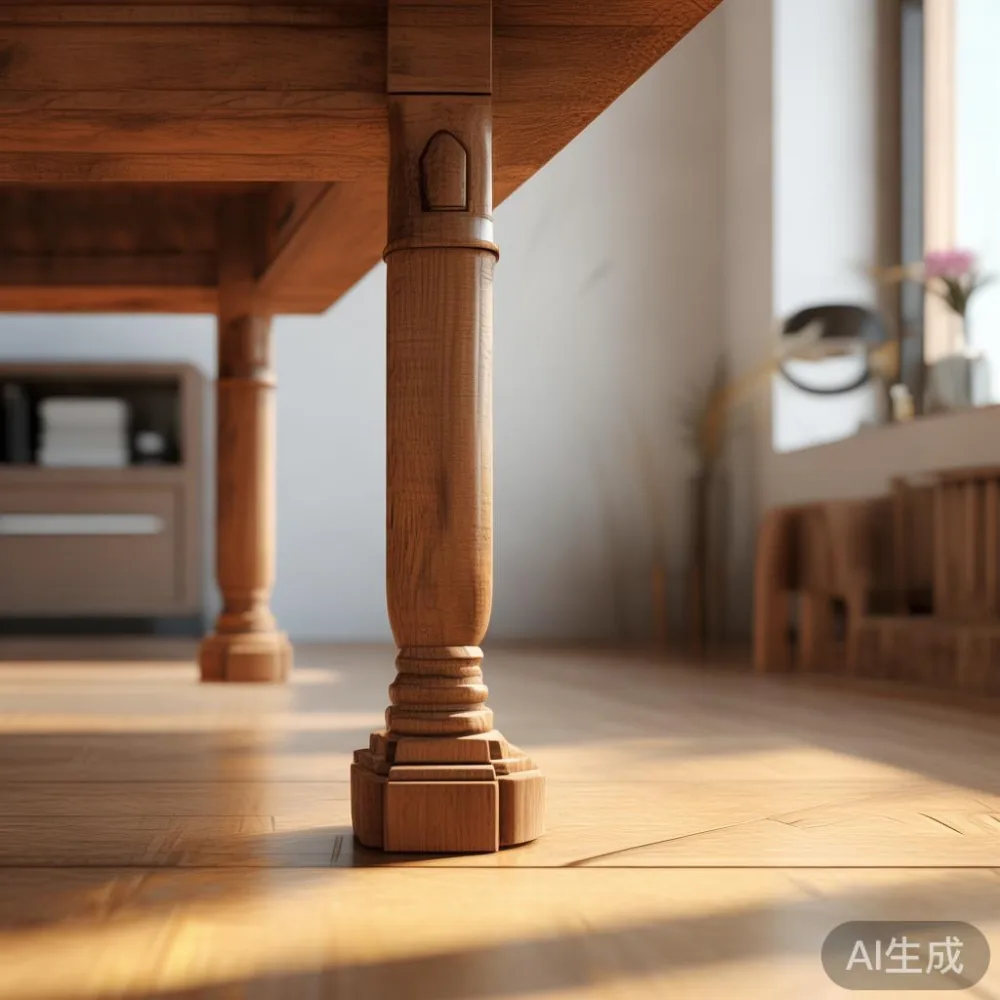
Last month, I visited a workshop in Foshan to see this process firsthand. My colleague, who has been in the furniture business for over 15 years, explained that the hand-sanding process alone for a single office desk can take up to 8 hours. This meticulous work is necessary to prepare the surface for a flawless finish, ensuring that every surface is perfectly smooth before any oil or lacquer is applied. This level of detail is a significant part of the cost.
How Does Wood Type and Origin Influence the Price?
Not all solid wood is created equal. The species of wood is one of the single biggest determinants of price. The global market for timber is vast, and different woods come with different costs based on availability, density, and aesthetic qualities. For an office desk, the choice of wood is a balance between durability, appearance, and budget.
p>Common and more affordable options include rubberwood and acacia. These are durable hardwoods that are often sustainably sourced and offer a good value proposition. A solid rubberwood office desk might start around SGD 800. Moving up the scale, you encounter woods like oak, walnut, and ash. American white oak, for instance, is prized for its prominent grain and extreme durability. A desk made from this wood can easily cost SGD 2,000 or more. At the very top of the scale are exotic and rare woods like teak or mahogany, which can command prices exceeding SGD 5,000 for a single desk due to their scarcity and unique beauty.The origin also plays a role. European light luxury furniture often favours lighter woods like ash or maple, which are finished with a clear lacquer to highlight the natural grain. This aesthetic choice influences the price point. A desk designed in this style will use specific cuts of wood and a more labour-intensive finishing process than a simpler, darker-stained piece. The wood's journey—from a sustainable forest in North America or Europe to a factory in Foshan, and then to a customer in Tampines—adds layers of cost at each stage.
Design, Customisation, and the Singaporean Context
Design is not just about how a piece of furniture looks; it's about how it functions within a specific space. This is where the realities of Singaporean living become a major pricing factor. A standard office desk might be 150cm wide, but many HDB and condo units have narrower corridors or rooms. A customer in a Punggol apartment might need a desk that is only 120cm wide to fit comfortably. This level of customisation adds cost.
p>Creating a non-standard size requires adjusting the cutting patterns in the factory, which means less efficient use of raw materials. It also involves custom joinery for the specific dimensions. A standard desk might be produced in batches of 50 from a single set of templates. A custom desk requires bespoke planning and execution, increasing labour time. Also, the design must account for our climate. A high-quality solid wood office desk will be treated with a finish that protects it from Singapore's high humidity, preventing warping. This specialised finishing process adds to the cost but is necessary for longevity.Light luxury design principles also influence pricing. A post-modern light luxury office desk might feature clean lines, minimalist hardware, and a focus on the natural beauty of the wood. This simplicity is deceptive; achieving it requires precision in every cut and joint. A more ornate, traditional style might involve more complex carvings, but a modern, understated design demands absolute perfection in its execution, which can be more labour-intensive.
What are the Hidden Costs of Logistics and Warranty?
What you see on the price tag is only part of the story. The final cost of a solid wood office desk includes significant logistics and service expenses that are invisible to the end consumer. For a company like MIDHILL, which exports to over 15 countries, managing this supply chain is a complex and costly operation.
p>Shipping a solid wood desk from Foshan to Singapore involves freight costs, customs duties, and the 7% Goods and Services Tax (GST). A single office desk can weigh between 40kg and 70kg. Shipping this heavy item via sea freight, which is the most economical method, takes approximately 25-30 days. The cost of this journey, including insurance and handling, is factored into the retail price. Offering free shipping over SGD 350 is a service that subsidises the cost for smaller orders, built into the pricing structure.Perhaps the most significant value-add, and a key cost driver, is the warranty. A 10-year structural warranty is a substantial commitment from a manufacturer. It implies confidence in the quality of their materials and craftsmanship. This warranty covers defects in the wood, joints, and structural integrity. It is not a simple marketing promise; it is a financial liability. The cost of honouring this warranty—whether it involves shipping replacement parts or having a technician visit a customer in Bedok—is built into the initial price of the furniture. This long-term assurance provides peace of mind but is a genuine expense that cheaper, non-warranted products do not carry.
How Do You Know If You're Paying for Quality?
With so many factors influencing price, how can a consumer make an informed decision? It's not about finding the cheapest option, but about understanding what you are getting for your money. The key is to look beyond the surface and ask the right questions. When considering a solid wood office desk, examine the joinery. Can you see dovetail or mortise and tenon joints? Run your hand over the surfaces. Is it perfectly smooth, or are there rough patches? A well-made desk will have a flawless feel.
p>Ask about the wood's origin and the type of finish used. A reputable seller will be transparent about whether the wood is solid wood or a veneer. They should also be able to explain the warranty terms. The presence of a genuine, long-term warranty is a strong indicator of quality. It shows the manufacturer stands behind their product. A company offering a 14-day return policy but no structural warranty is a red flag. The price difference between a desk with a 1-year warranty and one with a 10-year warranty is often justified by the peace of mind and long-term durability the latter provides.In the end, the price of a solid wood office desk is a reflection of its entire lifecycle—from the forest to your home. It includes the cost of the raw timber, the hours of skilled labour, the design that fits your space, the journey across the ocean, and the promise of its longevity. While the initial investment is higher, a well-made desk is an investment in your comfort and productivity that will last for decades, far outlasting cheaper, mass-produced alternatives.