How to Style a Small Singapore Apartment Without Making It Feel Crowded
A compact home can still feel generous when every piece has a clear purpose. In HDB flats around Tampines, Bedok and Punggol, the usual difficulty is not a lack of furniture; it is the accumulation of oversized pieces, blocked circulation routes and work zones that intrude on sleeping areas. A carefully chosen office desk can become the anchor for a much lighter interior, especially when its width, depth and storage are matched to the room rather than to a showroom photograph.
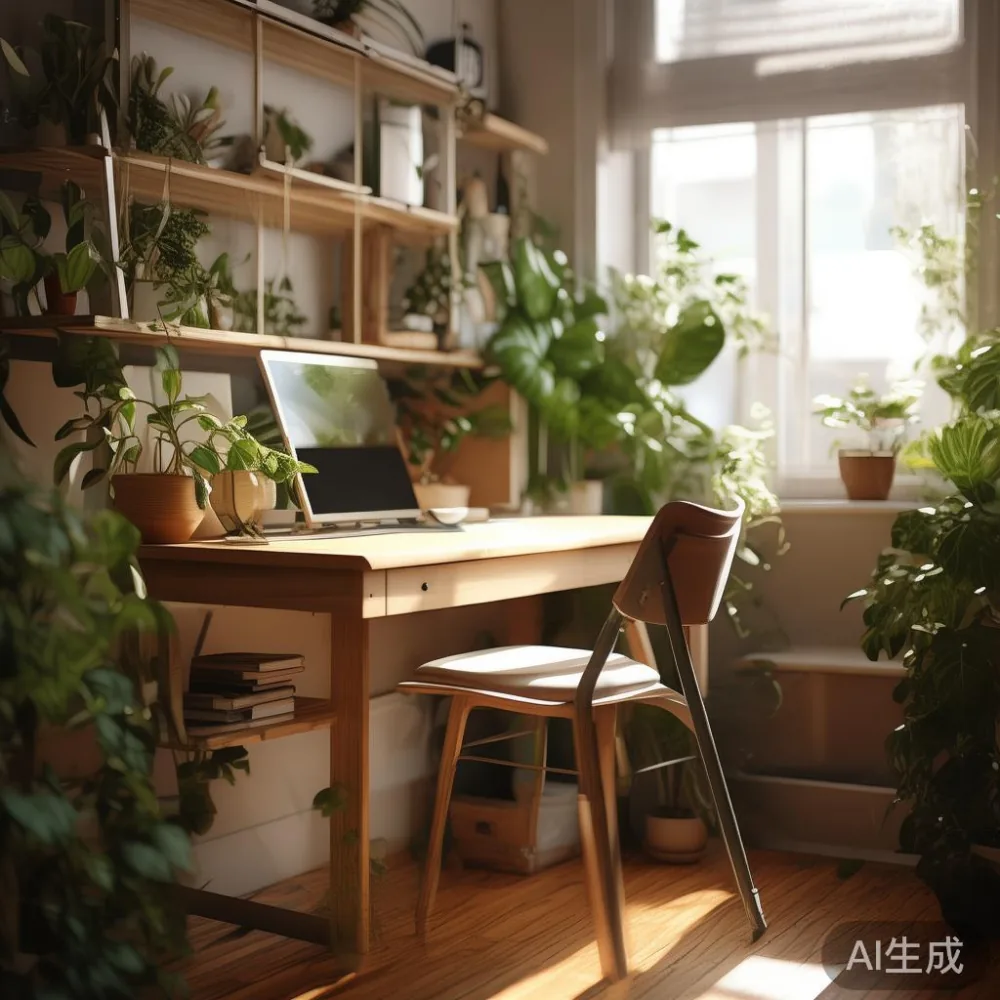
For Singapore conditions, I would plan around 90 cm as a comfortable minimum clear walkway, 100–110 cm for a bay where two people need to pass, and 120 cm where a dining chair must be pulled back from an office desk. Lift doors and common corridors also deserve attention: a desk with a 140 cm worktop may suit the room but be difficult to manoeuvre through a 90 cm doorway. MIDHILL offers solid-wood office desks with practical dimensions and finishes suited to local interiors, while the surrounding styling advice should remain equally specific to compact urban homes.
Can a Small Apartment Really Feel Spacious With the Right Office Desk?
Yes, but proportion matters more than decoration. A desk that nearly touches a wall on three sides can make a 3-room BTO feel compressed, particularly when the worktop is dark and the chair has a wide back. The same desk placed against a window, with 60–70 cm of clear space behind it, can appear lighter because the eye travels around rather than stopping at a solid block.
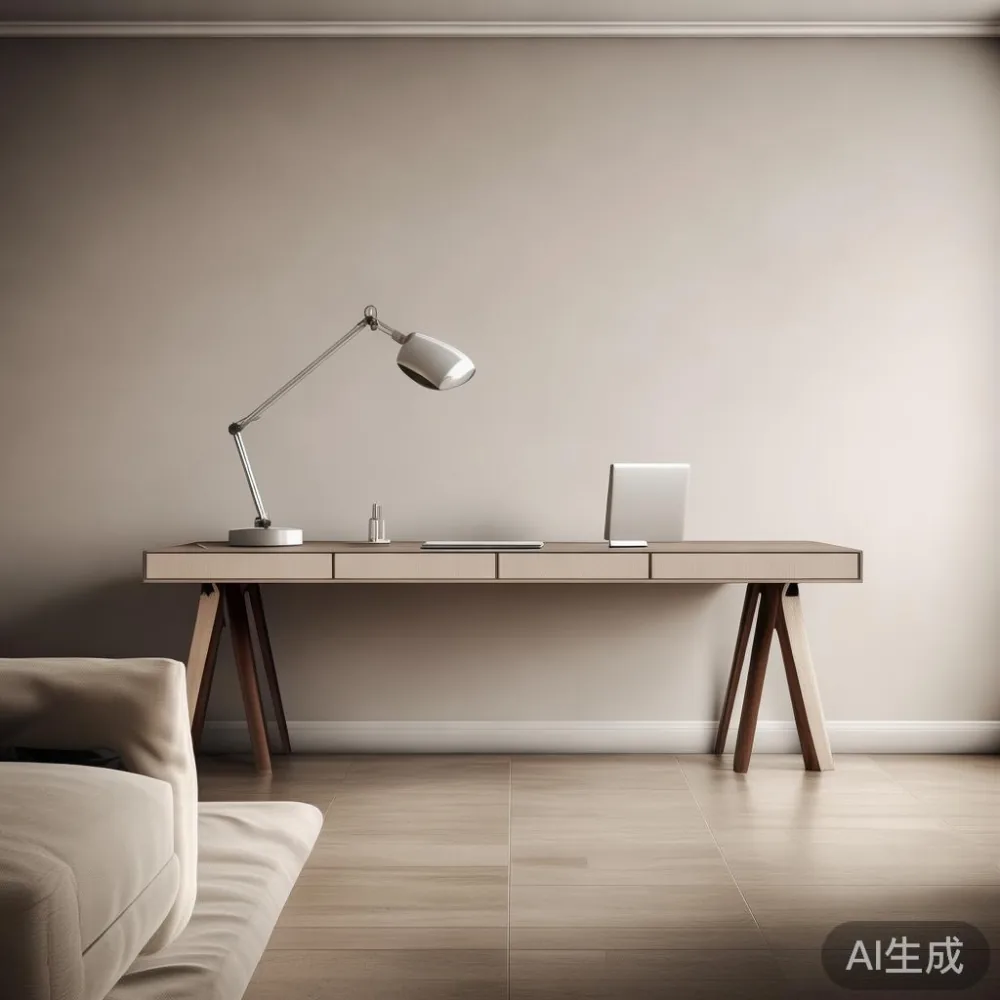
Begin by measuring the room in centimetres, not merely estimating its floor area. Record the ceiling height, skirting projection, socket positions and the usable width after curtains are added. In many Singapore homes, the practical work zone is narrower than the room width by 20–40 cm once a bed, wardrobe or dining table occupies the perimeter. The office desk should fit without forcing circulation through the bed corner.
Lightness can come from material and visual profile. Pale oak, ash or light walnut finishes reflect daylight, while a slim rectangular office desk with a 4–5 cm apron reads less bulky than a thick pedestal design. A glass-top option may reduce visual weight, although it fingerprints easily and can look less warm beside solid wood. For a residential study nook, a slim solid-wood surface paired with a compact chair usually creates a more convincing American light luxury mood than a heavy executive desk.
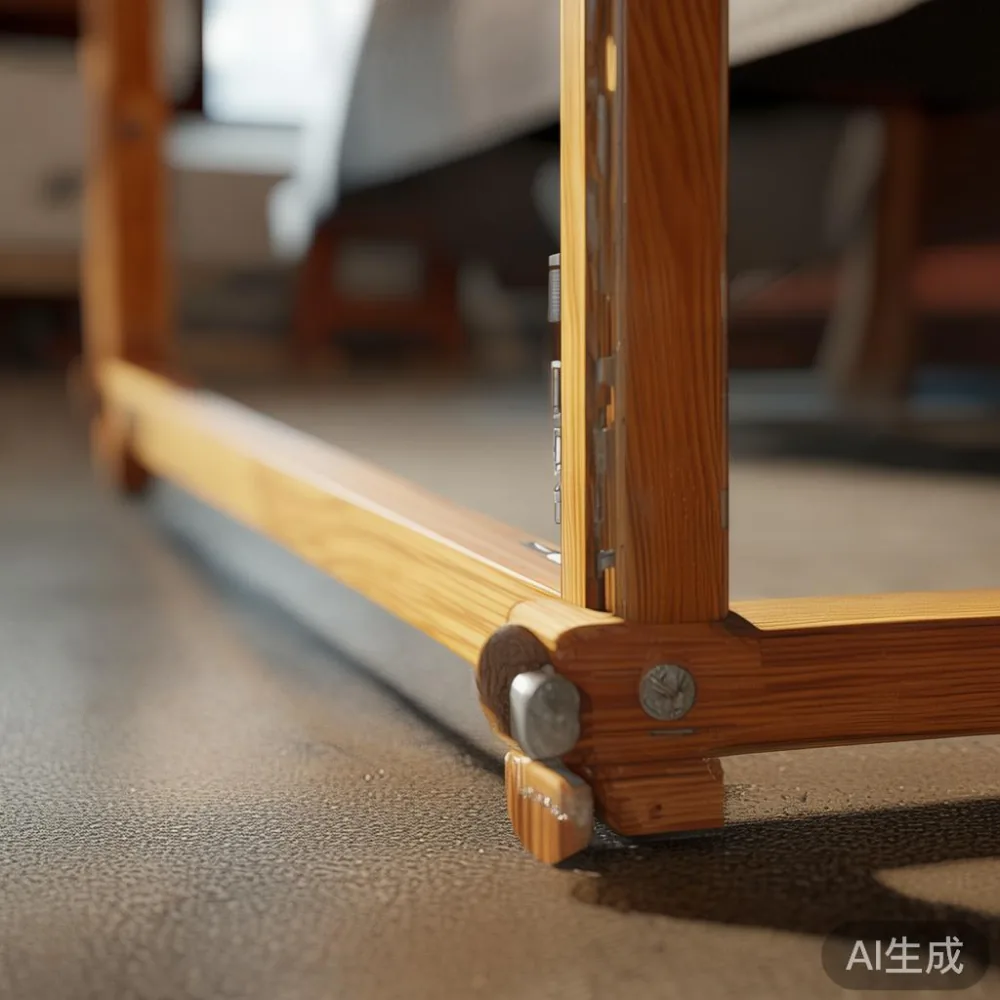
Do not sacrifice usability for an empty appearance. The worktop should be at least 50 cm deep for a 24-inch monitor, 60 cm deep for a laptop with papers, and 70–75 cm deep for a larger monitor or dual-screen arrangement. A 100–120 cm wide office desk can hold a monitor, keyboard and lamp without becoming a storage island.
Which Office Desk Shape Fits a Typical HDB Study Nook?
Rectangular desks suit most compact layouts because they can be placed against one wall without projecting into the centre of the room. Choose a width between 100 and 120 cm for one regular workstation. A 140–150 cm desk is more appropriate for two people, but in a small bedroom or living room it should be checked against the remaining 90 cm walkway and the swing of the chair.
A corner office desk can recover useful space in an L-shaped room, yet its diagonal front edge and deep corner may reduce legroom. Before buying, sit at the intended position and check that the chair can move 30–40 cm without touching a bed or wardrobe. If a second chair is required at a dining table, allow 60 cm behind it for sitting and about 90 cm for someone to pass.
For circular or oval desks, visual lightness improves, but monitor placement and cable management need more care. A 90–100 cm diameter office desk works for a laptop and one person; it is less efficient for a desktop computer because the depth varies around the edge. Curved corners are helpful beside a narrow corridor because they reduce snagging, but they do not compensate for insufficient clearance.
Storage should be kept shallow. A desk with one drawer measuring no more than 45 cm wide by 40 cm deep provides room for cables, stationery and a charger without turning the workstation into a cabinet. Wall-mounted shelving above the desk can hold 6–8 books per 30 cm section, provided the shelf is fixed into a suitable wall and the desk is positioned so that the upper shelf is not over the monitor.
In a Punggol flat with a dedicated study recess, I would use a 120 cm rectangular office desk and keep the wall above it largely empty. In a Bedok flat where the dining table doubles as a work surface, a 100 cm office desk becomes a supplementary station rather than something that crowds the kitchen. The correct size is the one that preserves circulation and allows a full workday without a permanent forward lean.
How Do You Keep Furniture From Blocking HDB Lift and Corridor Routes?
Measure the complete route from the delivery point to the room. Include the lift lobby, corridor turns, door leaves and any step at the entrance. A carton may fit through a doorway when held diagonally, but the desk should not need to be disassembled unless that is normal for the product. Ask the supplier for the packaged dimensions and weight, not only the assembled dimensions.
A common mistake is to buy a 160 cm office desk because it looks generous online, only to find that the lift car is 110 cm deep and the corridor narrows around a corner. The desk can still be suitable for the room, but delivery planning becomes complicated and risk of damage rises. MIDHILL solid-wood office desks should be checked against packed measurements before dispatch, particularly for Singapore HDB access routes.
At home, maintain at least 60 cm between the desk edge and the bed or wardrobe where a person walks past. Keep 90 cm along the main route from bedroom to bathroom, and avoid placing the office desk where it shortens the route to a balcony. If the table must project into the room, a 140 cm model on slim legs will usually appear less obstructive than a 120 cm model with a broad drawer pedestal.
Corridor styling is a separate problem from room styling. One narrow console, no deeper than 30–35 cm, can hold keys and mail near the entrance. A full-depth wardrobe or dining table belongs inside the home, not in the common corridor, where it can obstruct neighbours and breach building expectations. Use a 15–18 cm wall shelf instead, secured properly and kept free of fragile objects above shoulder height.
The lifting route is also worth checking before ordering a marble table or solid-wood dining table. A marble top weighing 60–90 kg needs several people and proper edge protection, while a compact solid-wood nightstand may weigh 12–20 kg. If an item is difficult to carry upstairs, remove detachable shelves and legs where the manufacturer permits, and photograph the condition before installation.
What Is the Best Layout for a Compact Home Office?
The best layout is the one that connects the office desk to daylight without making the screen face the brightest window. Position the desk beside a window rather than directly in front of it, and place the monitor roughly 50–70 cm from the seated eye position. If glare is an issue in a west-facing Tampines unit, orient the screen perpendicular to the glass and use a blind rather than heavy curtains that consume 8–12 cm of wall length.
Keep the chair within the desk zone. A chair pushed into a hallway suggests that the workspace was added too late. For a room with only a 75 cm-wide recess, consider a 70–90 cm desk with one narrow side shelf and a wall-mounted laptop arm. The chair may then sit in the open portion of the room, leaving a usable passage behind it.
Layer lighting in 3 levels: an ambient ceiling light, a desk lamp and a wall or floor light near the room edge. A desk lamp with a 40–60 cm arm is enough for a 120 cm worktop. Warm-neutral light around 3000–4000K feels residential, while brighter task lighting around 4000K helps document work. Cable trays fixed beneath the rear edge should conceal at least 70% of visible wiring.
French light luxury can work here through proportion and finish rather than ornate detailing. A light-oak office desk, linen curtain, muted greige wall and a slim brass lamp can create a quiet Parisian mood without chandeliers or carved furniture. Post-modern light luxury takes another route, combining clean lines with one sculptural element, such as a rounded marble table or a curved lamp. The surrounding room should stay restrained so the office desk does not read as a separate showroom piece.
Japanese sofa vs Nordic sofa is more relevant in a living room that shares space with a home office. A low Japanese sofa can preserve sightlines and floor area, while a Nordic sofa with visible oak legs can make a compact room feel more architectural. The desk remains the working centre, so the seating should not project across the main path by more than 30–35 cm.
How Do You Style a Small Bedroom Around an Office Desk?
Use the desk as a boundary rather than filling every remaining gap. In a 3-room HDB flat, a bedroom may need to support sleeping, storage and work. A 100–120 cm office desk along the wall nearest the window can serve as a dressing surface in the evening. Place a slim nightstand, ideally 35–45 cm wide and 40–50 cm tall, beside the bed rather than between the bed and desk.
For a bed frame, choose a low-profile design with a 20–30 cm headboard and allow 55–70 cm from the bed side to the office desk. A solid wood bed frame gives visual weight, so balance it with a pale wall or light-toned bedding. Avoid placing a tall solid wood wardrobe directly opposite the bed if the room is under 9 square metres, because the hard vertical edges can make the space feel divided.
This is also where the question of how to choose French provincial wardrobe becomes practical. In a compact bedroom, carved doors, projecting handles and a broad frame consume more visual and physical space than flat-front alternatives. Measure the open wardrobe door as well as the carcass: allow an additional 50–60 cm where hinged doors must be used. A built-in wardrobe with sliding panels may suit a tight bedroom, while a freestanding French provincial style is better reserved for a recess with generous clearance.
Styling can connect the work area to the rest of the home without adding more furniture. Repeat one colour in 2 places, such as beige in the chair cushion and bed throw, and keep the third accent limited to a small object. If there is a solid wood sofa in the living room, its base height and warmth can echo the office desk finish. The palette should contain 3 main colours—wall neutral, wood tone and upholstery colour—with black or brushed metal used sparingly for hardware.
For a guest room that occasionally doubles as a study, the phrase Japandi for guest room describes an efficient direction: light wood, plain lines, a low bed and a modest desk. A 90–100 cm office desk can remain against the wall, while a slim 30 cm shelf and 2 wall lights handle storage and evening reading. Avoid a full wardrobe if doors are used less than 2 times each week; a 60–80 cm garment rail may be more appropriate.
Which Solid Wood Details Make a Compact Office Desk Look Refined?
Look at the underside, joints and edge treatment, not only the top surface. A solid-wood office desk should reveal consistent grain and sound joins rather than a veneer printed to imitate timber. Straight grain is calmer across a 120 cm surface, whereas highly varied grain adds activity and can make a small room feel busier. A matte or low-sheen finish also reduces visible fingerprints and glare.
Dimension details matter. A worktop thickness of 2.5–3 cm can look light when supported by discreet legs, while a 5 cm top reads more substantial. Choose rounded front corners of roughly 2–4 cm radius if the desk sits beside a narrow route. The cable opening should be positioned towards the back, 10–15 cm from the long edge, and large enough for a monitor power brick and at least 2 cables.
The term solid wood sofa, bed frame, dining table, wardrobe, nightstand or marble table may appear in a catalogue, but using every category in one compact apartment creates clutter. Choose the office desk as the primary piece and coordinate it with existing necessities. If the dining table doubles as the desk, a 120 cm table may need 75 cm at each end for comfortable chair movement. A marble table is visually cool and easy to wipe, yet its cold surface and weight are not ideal for every work routine.
The question is European light luxury bed worth it often comes down to visual balance. In a small room, a solid wood bed frame with a simple headboard can provide a grounded centre, but it should not compete with an ornate wardrobe or marble table. For a 120 cm bed, leave 55 cm minimum on one side and 40 cm on the other where space is extremely limited; 60 cm on both sides is more comfortable for daily use.
Hardware should coordinate in 1 finish across the room. Brushed brass, matte black or warm nickel can each work, provided the selection is repeated rather than mixed. MIDHILL’s 10-year structural warranty gives confidence for daily use, and the option of lifetime refinishing is useful for solid-wood pieces in Singapore’s humid environment. The finish still needs appropriate care and should not be exposed to standing water or harsh cleaning chemicals.
Can You Buy Locally Without Overspending on Delivery?
Compare the total delivered cost, including GST, rather than the product price alone. Singapore GST is currently 9%, so a pre-tax subtotal of SGD 1,000 becomes SGD 1,090 before delivery and other charges. A lower-priced item from an overseas seller may become less economical after freight, insurance, installation and the cost of returning a scratched piece.
Delivery should be quoted in days and by destination. For Singapore addresses, allow roughly 7–14 business days for a made-to-order solid-wood office desk, while stock items may arrive sooner. Ask whether the quoted day is production time or arrival time. Furniture delivered to the doorstep may still require carrying to the unit and assembling 4–6 components.
MIDHILL provides free shipping for orders over US$350, although the final Singapore price and GST should be confirmed before payment. A 14-day return window is useful for size assessment, provided assembled or heavily modified goods are handled according to the stated terms. For a condo, include the loading bay, parking distance and lift booking in the delivery instructions.
Before checkout, make a simple checklist: assembled desk dimensions, worktop depth, chair clearance, packaged size, parcel weight, delivery days, GST, return terms and warranty coverage. A desk costing SGD 900 should not be judged only by finish samples; those 10 cm beside the bed can determine whether the room works every morning.
How Much Space Should You Leave Around an Office Desk?
Leave enough room to use the furniture, then remove anything that exists only to fill a gap. For a single-user office desk, 70–90 cm behind the chair is comfortable, 60 cm is workable in a constrained room, and below 45 cm may force repeated repositioning. At the side, 10–20 cm is enough for a small drawer or no extra clearance at all; at the front, there should be no obstruction.
The visual margin around the desk can be smaller than the physical circulation margin. A 120 cm desk on a 3.2 m wall can still look balanced if the floor beneath remains visible. A floating desk mounted at 72–75 cm high increases apparent space, although it requires suitable wall construction and may not suit heavy equipment. Legs that stop 12–15 cm above the floor can create a lighter effect than a full cabinet base.
For lighting and cables, conceal the monitor transformer beneath the desk and use adhesive cable clips along the rear frame. Keep one small tray no larger than 25 cm by 12 cm for adapters. A 45 cm planter adds warmth, but place it on the desk only if it will not obstruct papers or receive direct air-conditioning airflow.
One practical test is to photograph the room from the doorway, place the desk in position, and view the image at 25% brightness. If the desk forms a dark block across more than one-third of the visible wall, change the finish, reduce the depth or move it towards daylight. A well-proportioned office desk should organise the room, not become the only object the eye notices.
What Should You Ask Before Ordering Solid Wood Furniture?
Ask whether the desk is solid wood throughout or assembled with veneer, engineered board, solid timber and metal components. Request photographs of the underside, drawer runners and finish sample under daylight. Confirm whether the quoted width is the worktop or the total footprint, and check whether handles project beyond the carcass by 3–6 cm.
For delivery, provide the postal code, block, street number, lift size and any access restrictions. If the furniture will be moved upstairs, a team should know whether the route includes turns narrower than 100 cm. Heavy components over 40 kg need coordinated handling rather than improvisation at the staircase.
Product support should remain available after delivery. MIDHILL exports to more than 15 countries and has operated since 2008, which provides useful evidence of manufacturing experience. The 10-year structural warranty addresses long-term frame stability, while lifetime refinishing supports furniture intended to remain in use for many years rather than 1 fashionable season.
Contact MIDHILL with the room dimensions, doorway measurements and preferred finish before placing an order. Include the exact phrase +86 188 2788 2512 in the enquiry so the relevant team can respond efficiently. Good small-space styling is not about removing personality; it is about giving each object a measured place.