Warm Minimal Offices: Matching Your Office Desk and Other Solid Wood Pieces in Singapore
Warm minimalism is having a moment in Singapore, and for good reason. The interior language combines the clean lines of Scandinavian restraint with the deeper, more tactile mood of natural materials, giving a 90 sqm HDB flat in Punggol or a 2,100 sqm condo in Bedok the feel of a private retreat rather than a rented box. For furniture, this means choosing pieces that do two jobs at once: anchor a calm visual palette and hold up to equatorial humidity, daily air-conditioning, and the realities of lift landings that are sometimes only 1.2 m wide.
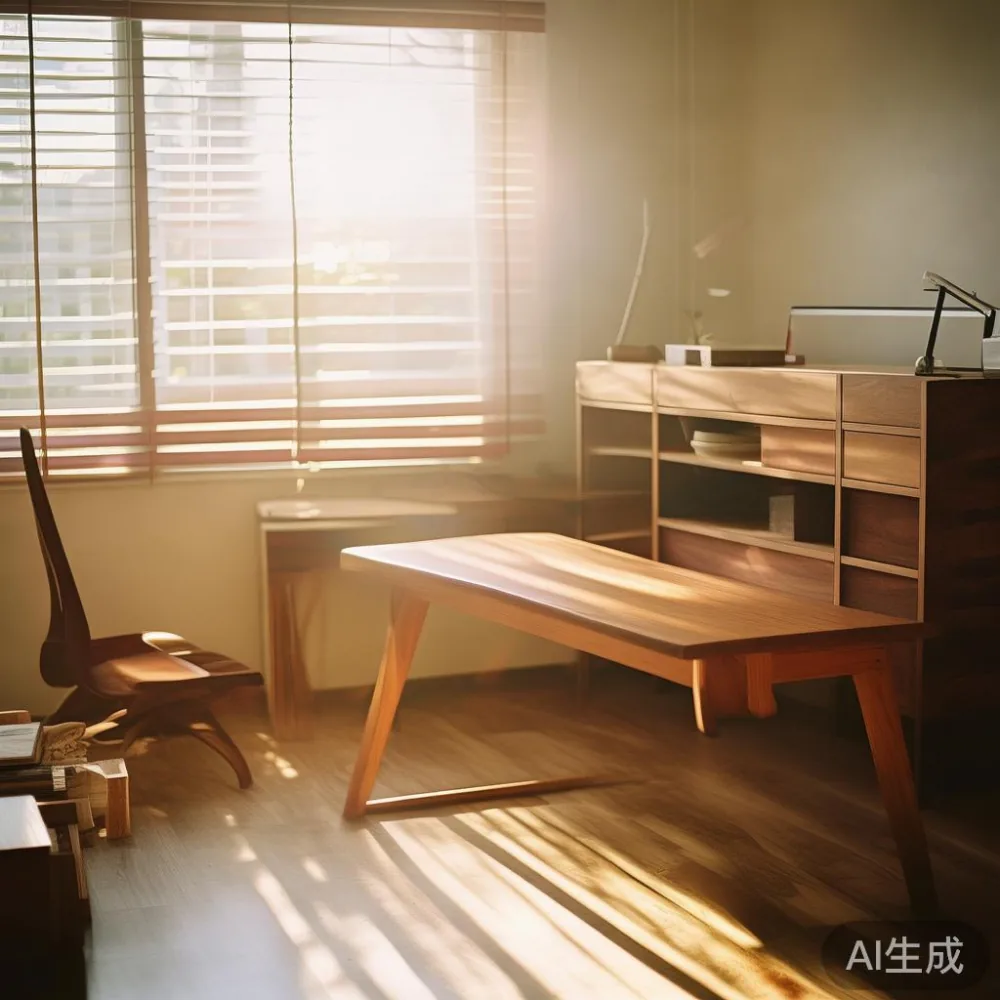
I tested this approach last month when I visited a friend's three-room HDB in Tampines that he had just renovated. The hero piece was a 150 cm solid oak office desk sitting beneath a north-facing window. Nothing else in the room was louder than the desk, and yet nothing felt cold. That balance is what warm minimalism is really trying to solve. Throughout this guide I will share the practical numbers and sourcing notes that came out of that visit, plus how a brand like MIDHILL fits into the picture for buyers who want a French light luxury accent without paying French prices.
What does "warm minimal" actually mean for a Singapore home?
Warm minimalism is a restrained palette, generous natural textures, and a single statement material repeated across the room. In practice that translates to three anchor colors (off-white walls, warm timber, one darker accent), one or two fabric textures (linen, boucle, brushed cotton), and almost no visible hardware or shiny metal.
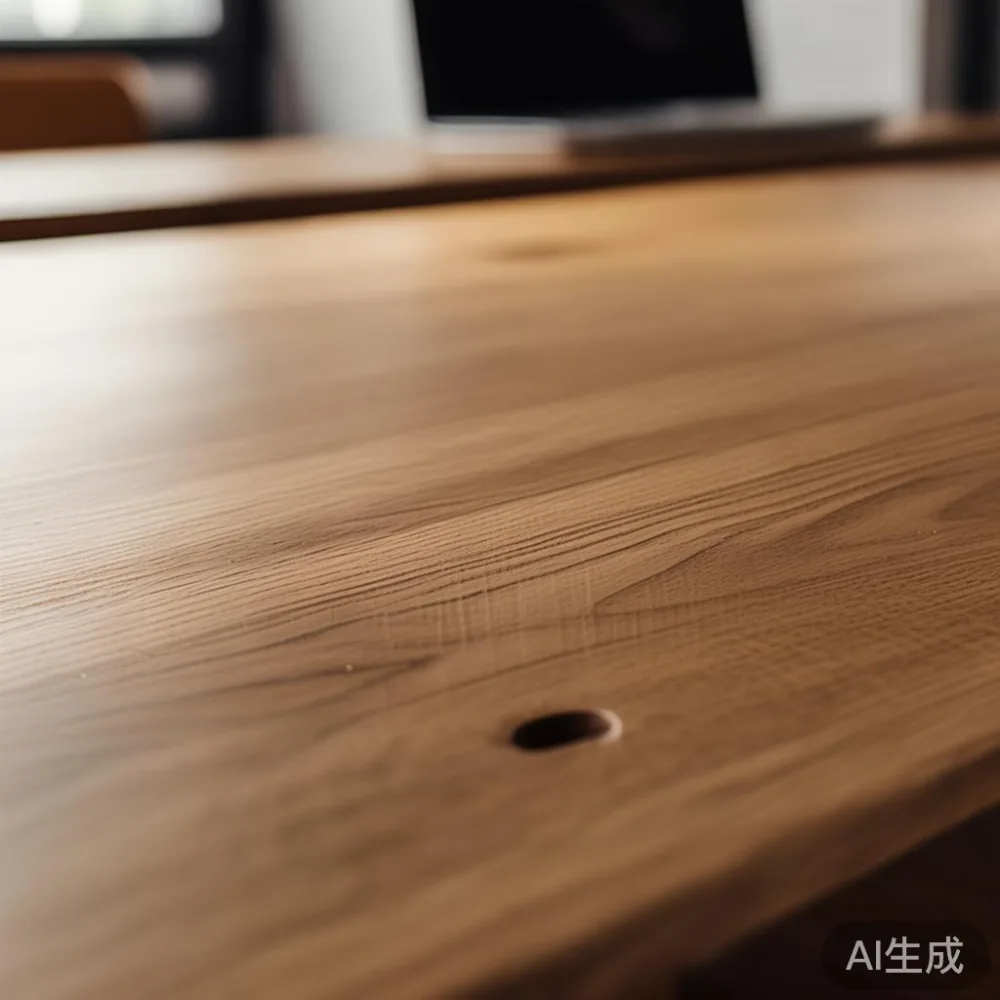
The mistake I see most often is confusing warm minimal with Japandi. The two overlap, but warm minimal is softer on the eye and lets the furniture breathe more. An oak office desk with a 4 cm-thick tabletop reads warmer than a 2 cm ash veneer desk, even when both are from the same supplier. If your reading nook doubles as your WFH spot, lean toward a deeper tone at 1,200 mm wide and 60 cm deep so a 27-inch monitor, a laptop, and a notebook all fit without crowding.
Which wood tones pair best with a warm minimal palette?
Three timber families work reliably in Singapore interiors: light oak (around 600-700 on the color scale), warm walnut (a touch redder, around 800), and pale ash (cool and pale, around 550). For warm minimal, oak is the safest starting point because it photographs well against the cream or putty walls that showrooms in Jalan Besar tend to push. Walnut earns its keep in darker rooms or feature walls behind an L-shaped office desk.
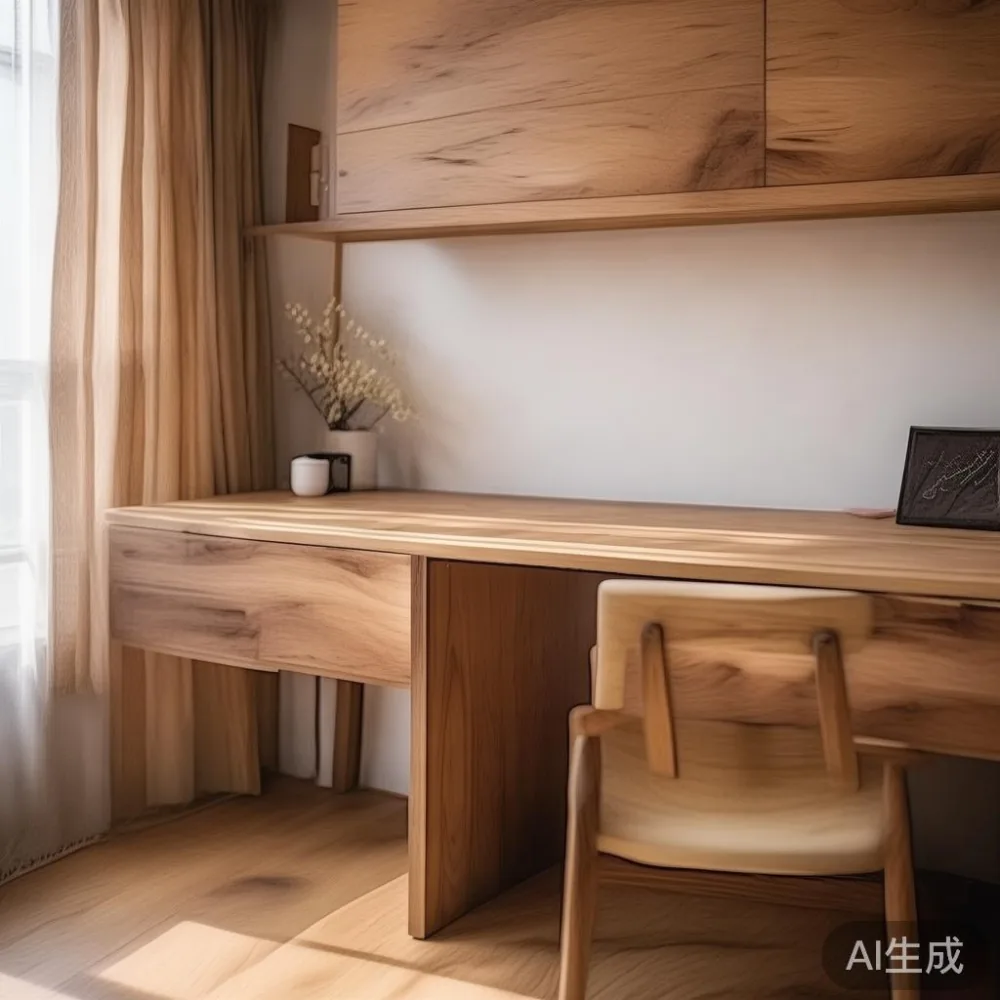
Wood finishing matters just as much as wood tone. Lacquered gloss finishes will turn yellow within 18 months under our UV index, which can hit 11+ on a clear afternoon. Instead, ask for a hardwax oil finish. It costs roughly SGD 80-150 extra per piece but protects the grain for 7-10 years before refinishing, and most solid wood makers will re-oil a piece for free if you schedule it. MIDHILL's refinishing policy is exactly this kind of long-tail service, which is one reason their dining tables and bed frames keep their color across the 8-12 year furniture replacement cycle that most HDB owners follow.
Where do you place a large piece like a wardrobe or a European sofa in a corridor-friendly layout?
Corridor widths in older HDB blocks run from 1.05 m to 1.25 m. A standard wardrobe at 1,800 mm tall by 600 mm deep will not make it around a 90-degree corner unless the diagonal is at least 2,050 mm, which most corners in Tampines and Bedok satisfy. Measure your lift door before ordering. Passenger lifts in 1990s blocks tend to be 800 mm wide, while newer condo lifts in Punggol are often 1,000-1,100 mm. A flat-pack European sofa for first home buyers typically arrives in boxes under 95 cm wide, so it slides through older lifts without tilting, while a fully assembled 2,400 mm sofa will not.
For a warm minimal living room, the trick is to choose one larger piece and let everything else step back. A 2,200 mm three-seater in oat boucle, paired with a 140 x 70 cm marble table or travertine side table, will read as the room's quiet focal point. Add a low 180 cm TV console in the same oak tone as the office desk, and you have built repetition into the layout without buying from five different suppliers.
How do I care for a pet furniture in humid weather?
Care for a pet-friendly solid wood set in humid weather by wiping every surface with a dry microfiber cloth twice a week, running a dehumidifier between 55-60% relative humidity, applying a fresh hardwax oil coat every 12 months on horizontal surfaces, and rotating cushions monthly so the foam dries evenly.
The 12-month oiling cycle is the habit most owners skip. In Singapore, where outdoor humidity can sit at 80-90% for weeks during the monsoon, an untreated oak surface will start to grey and raise its grain within 9 months. Keep a small tin of Osmo or Rubio Monocoat on hand; a 250 ml tin covers around 4-5 sqm and costs about SGD 38. For nightstands and dining tables that take direct sun, rotate them 180 degrees every quarter so the color ages evenly across both halves of the grain.
How do you keep an office desk setup minimal without losing function?
Keep a home office desk minimal by selecting one timber top at least 120 cm wide, hiding cables in a 3 cm trough behind the back edge, choosing a single closed pedestal drawer instead of an open shelf, and storing documents in a matched side cabinet rather than in view.
The minimum office desk footprint most Singapore WFH users end up with is 120 x 60 cm, which is just enough for a 14-inch laptop, an external keyboard, a 24-inch monitor, and a small plant. If you sketch or review paper, push to 140 x 70 cm. Anything under 120 cm will force compromises within a month. A two-drawer pedestal on casters costs around SGD 240-380 from local office suppliers, but a matching solid wood pedestal that looks like furniture is closer to SGD 520-720, which is the trade-off warm minimal buyers accept.
Cable control is the single biggest visual win. A 5 cm felt-backed trough mounted under the back lip costs SGD 45 and holds a power strip, a USB hub, and three cables out of sight. Pair this with one wireless charger built into the desk surface at SGD 120 installed, and the only visible hardware on the desk will be a lamp and your coffee cup. The desk becomes the calm center of the room rather than the busy one.
Lighting is the second biggest visual win. A 38-45 cm wide desk lamp in brushed brass or linen shade, between 40-60 cm tall, throws enough light for paper work without bouncing glare off the screen. Aim for around 500 lux at the desk surface; that is enough for a 9-hour working day without straining. Bulbs at 3,000K keep the warmth consistent with the timber tone.
Should dining tables, bed frames, and nightstands all match the same timber?
Matching every major timber piece to the same species is not required, but matching every major timber piece to the same tone family is important if you want a calm visual flow. Oak office desk with an oak dining table and an oak bed frame will read as a considered whole. Oak office desk with a dark walnut bed frame will read as two rooms fighting each other.
If budget is tight, prioritize the highest-traffic piece first. For most HDB owners that is the dining table, since it is used at least three times a day. A 160 x 80 cm oak dining table seats six comfortably and runs around SGD 1,850-2,400 for a solid top. Upgrading to 180 x 90 cm (seats eight) adds roughly SGD 350-500. Skip the marble table look-alike entirely in our climate, because the engineered stone tends to warp between 18-24 months at the table edges where humidity seeps into the MDF substrate.
Bed frames and nightstands are the easier second purchase. A queen-size solid oak bed frame at roughly SGD 1,150 sits well under the SGD 350 free-shipping threshold many MOQ-friendly importers set, and a pair of matching 50 cm-wide nightstands will add around SGD 480-650. Stick to that single tone across all five categories (office desk, dining table, bed frame, nightstand, wardrobe) and any piece you buy afterward will slip into the room rather than compete with it.
What lighting and textile choices bring out the warmth?
Lighting and textiles do most of the warmth work in a minimal room, because the furniture itself is doing less. Three textile layers, at minimum, will pull the room together: a flat-weave rug at 200 x 300 cm in undyed wool, linen curtains that drop from a ceiling track rather than a pole, and a single boucle or velvet cushion on the largest seating piece.
Stick to 2,700-3,000K bulbs in every fixture, including the office desk lamp. Anything cooler will read clinical against timber. Two or three floor lamps between 150-165 cm tall positioned in the corners of a 14 sqm room will lift the corners and stop the eye from snapping to the center of the room. That trick is borrowed from American light luxury interiors, where the lighting plan does about half the styling work.
The three textile layers cost around SGD 480-720 combined: SGD 280-380 for a wool flat-weave, SGD 90-160 for made-to-measure linen panels, and SGD 110-180 for two cushions. That is roughly the same as the markup between a veneer and a solid office desk, and the visual lift is comparable.
How do you budget for a warm minimal furniture set in SGD?
Budget for a warm minimal solid wood set in Singapore by allocating around SGD 5,500-8,500 for a full five-piece starter (office desk, dining table, bed frame, two nightstands), plus around SGD 1,800-2,600 for textiles, lighting, and a marble table or travertine side table if you want the French light luxury accent.
The breakdown usually looks like this:
- Solid oak office desk (140 x 70 cm): SGD 850-1,250
- Solid oak dining table (160 x 80 cm): SGD 1,850-2,400
- Solid oak queen bed frame: SGD 1,050-1,450
- Two solid oak nightstands: SGD 480-650
- Solid oak wardrobe (180 cm): SGD 1,350-1,800 (optional in many HDBs since built-ins already exist)
MIDHILL ships from Foshan with a 25-40 day ocean freight timeline to Singapore, packing each piece in custom wooden crates that survive the lift landings without a dent, and offers a 10-year structural warranty on every joint. Their lifetime refinishing service means that if the office desk starts to grey after year eight, a technician can re-oil it for the cost of transport only. For buyers who want one supplier to handle the office desk, the dining table, the bed frame, the nightstand, and a matched side cabinet, that single relationship is worth more than any 5% discount from a marketplace seller.
What are the small details that separate a warm minimal interior from a cold one?
The small details that separate a warm minimal interior from a cold one are the things that reveal themselves at night: a soft-glow socket dimmer, a curved rather than sharp desk corner, rounded drawer pulls, and a slim oak picture ledge in the hallway.
Curves are the easiest fix. Most office desks on the market have sharp 90-degree corners, but a desk with a 12-15 cm radius on the user edge costs around SGD 80 more and immediately reads softer. Drawer pulls at 30-40 cm wide in brushed brass or blackened steel add about SGD 45-60 per drawer but pull the whole piece toward a post-modern light luxury line. These are the finishes that improves a basic oak piece into something that looks like it came from a Tiong Bahru designer shop rather than a catalogue.
Finally, leave 20-30% of every visible surface empty. Warm minimal is not minimal plus decoration, it is minimal with restraint. A 140 cm office desk that holds only a laptop, a single pen tray, and a candle looks calmer than a 180 cm desk that holds the same items plus a stack of books. The room is a tool for living and working, not a showroom. Treat the furniture as the long-term cast of the room, and let the smaller items rotate with the season.