How to Care for a Lacquered Office Desk in Singapore’s Humid Climate
A lacquered office desk can look precise and calm in a Singapore home: a clean horizontal plane, softly reflective edges, and timber that still shows the warmth of solid wood beneath the finish. That beauty needs a considered maintenance routine. Between afternoon showers, air-conditioning, coastal humidity, and the salt traces that settle on windows in some HDB blocks, lacquer can develop a dull haze, faint fingerprints, small marks, or tiny bubbles if moisture lingers.
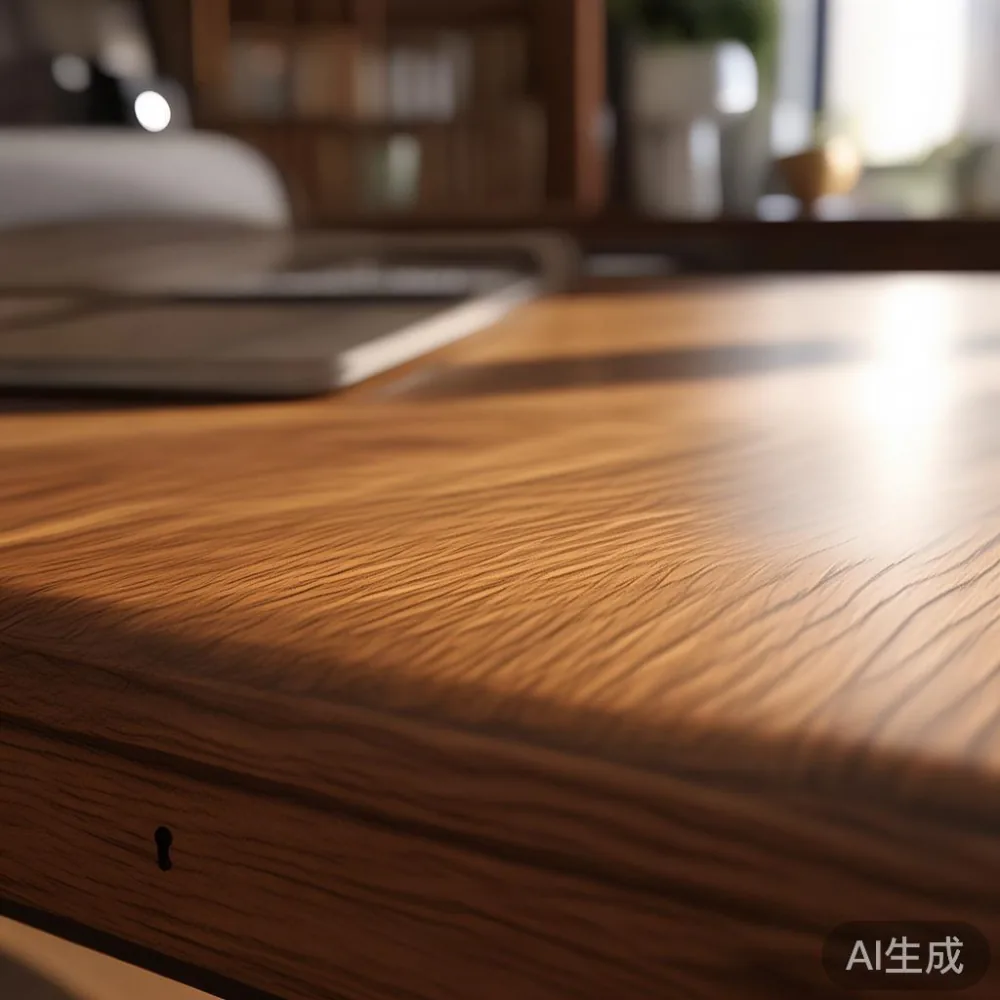
This guide focuses on one practical subject: caring for a lacquered surface in a tropical climate. The measurements, habits, and product references here are tailored to compact Singapore interiors, including Tampines, Bedok, and Punggol homes, where an office desk may need to share space with a dining table, bed frame, wardrobe, nightstand, or solid wood sofa.
MIDHILL makes solid wood furniture in Foshan and has exported to more than 15 countries since 2008. Its 10-year structural warranty and lifetime refinishing service provide useful context for ownership, while the care method below concerns the surface finish rather than the strength of the desk frame. Always identify the exact lacquer type and confirm care instructions with the supplier before applying water, solvent, oil, or polish.
What makes tropical lacquer care different?
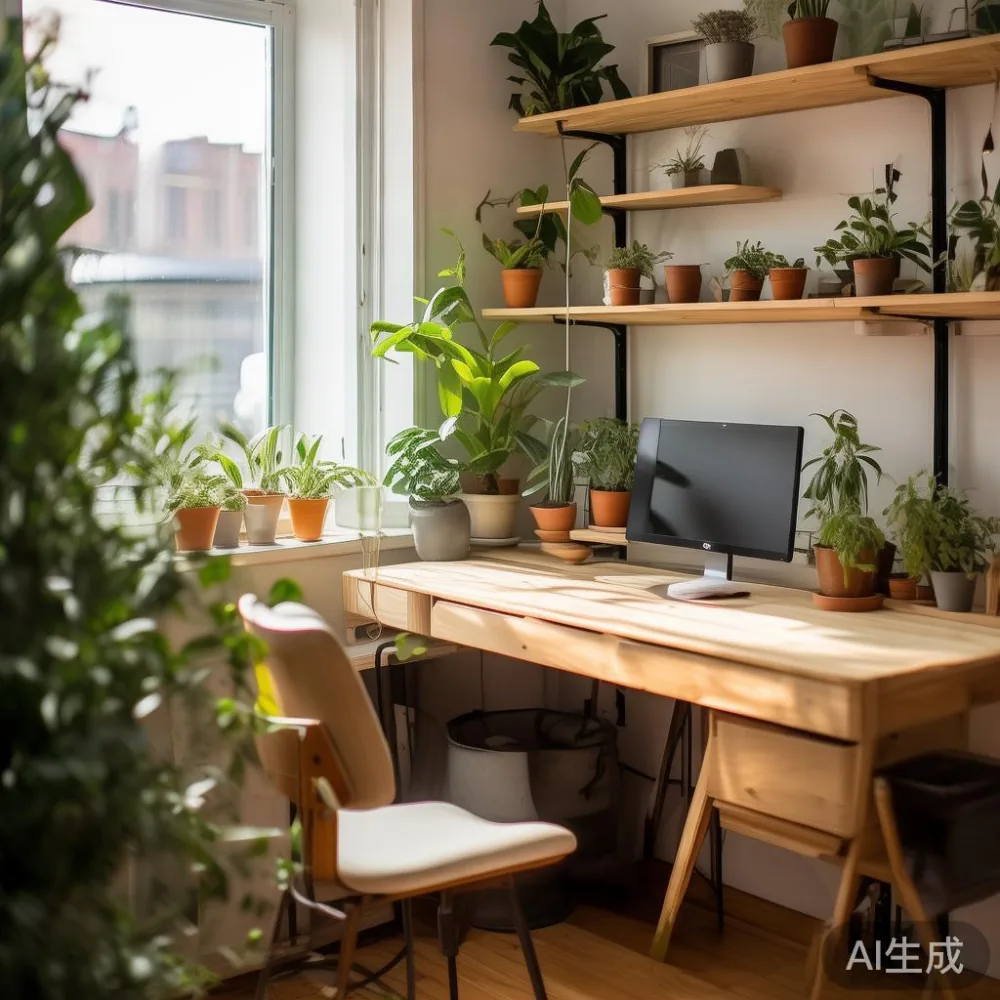
Singapore’s climate often combines high humidity with warm indoor temperatures. Relative humidity in a typical air-conditioned flat may sit between 45% and 60%, while corridors and lobbies can remain more humid. The surface of an office desk may also experience direct sun through a west-facing window, condensation from a cold drink, and repeated contact with skin, watch straps, laptop chargers, and damp hands.
Lacquer is not one uniform material. A water-based lacquer, a solvent-based lacquer, and a conversion varnish may respond differently to heat, alcohol, ammonia, and moisture. A thin factory finish may also be easier to renew than a heavily built-up spray finish. Before cleaning, find the product label, care leaflet, or supplier’s written guidance. If the desk is a mixed piece with natural oil, wax, or lacquer on different parts, treat each area according to its own specification.
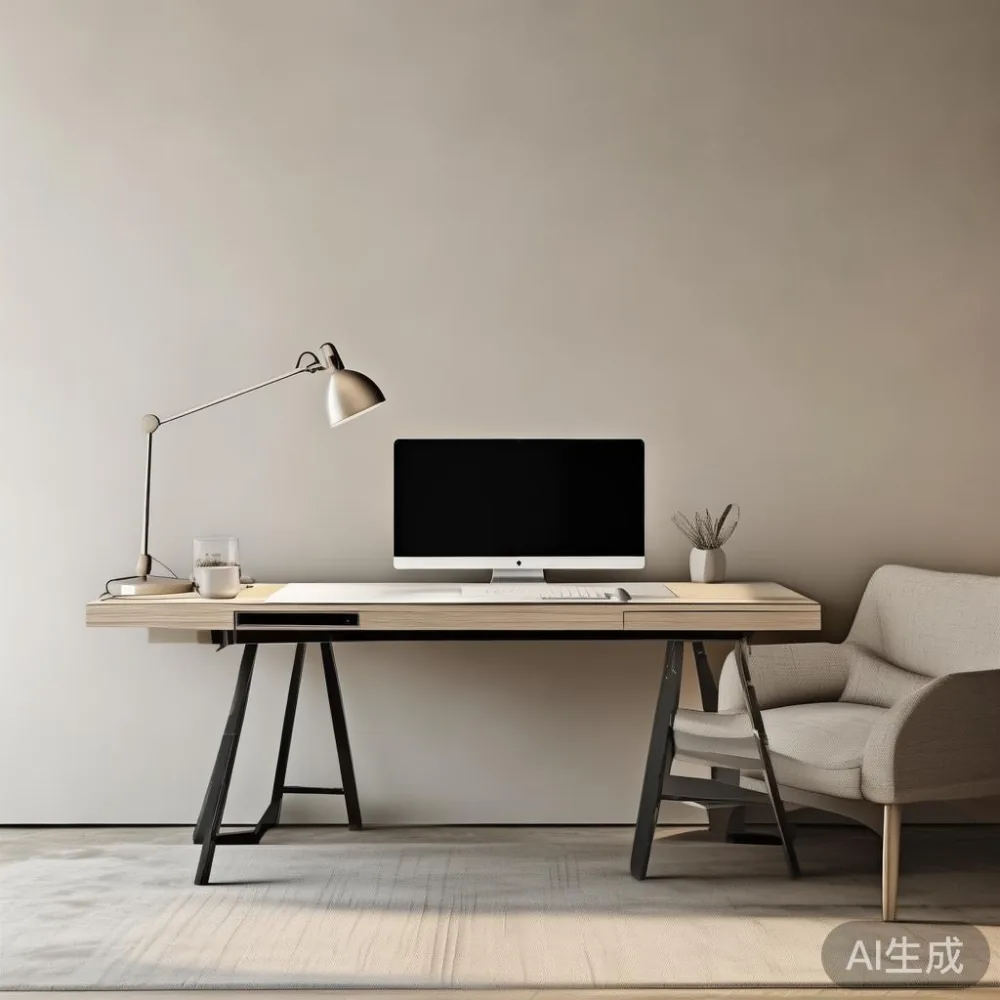
Use the 30-centimetre rule as a practical starting point: keep drinks, humidifiers, plants, and damp towels at least 30 cm from the lacquered office desk. Aim for a comfortable room reading of 45% to 60% relative humidity where feasible, and place the desk away from direct sunlight where layout permits. A hygrometer costing about SGD 25 can help. Position sensors away from exterior walls and air-conditioner outlets, since those locations can produce misleading readings.
Do not assume that more product produces a better result. On many lacquered surfaces, a clean, soft microfibre cloth and a small amount of appropriately diluted cleaner are enough. More moisture can be worse than a little moisture if it seeps into seams or remains trapped beneath a coaster, keyboard, or desk pad.
How should I clean a lacquered office desk in Singapore?
Begin with dust. Wipe the surface with a dry, lint-free microfibre cloth for 5 to 10 minutes, changing sections frequently. A soft-bristled brush can lift grit from carved edges and narrow gaps without scratching the lacquer. Avoid household feather dusters, whose fibres may lodge in joints.
For a marked surface, test a cleaner on a concealed area measuring roughly 5 cm by 5 cm. Wait 24 hours before judging the result. If the supplier permits a mild solution, place a small amount of clean water and a pH-neutral detergent in a bowl. The mixture should look no stronger than a lightly stirred solution; avoid creating foam. Dip a fresh cloth into it, wring it out until it is merely damp, and wipe in small sections. Follow with a separate dry cloth.
Keep the desk dry during the process. Do not flood joints, seams, cable ports, or the contact points where the top meets an apron. Clean the underside and legs separately with a barely damp cloth, then let the office desk stand for at least 2 hours before returning keys, files, or electronics. Wipe spills immediately, especially around the edges.
For sticky residue, lift it gently with a plastic scraper at a shallow angle. A cotton swab lightly moistened with the approved cleaner may help around hardware, but do not pull the swab across the lacquer. Avoid scraping with a knife, razor, keys, or steel wool. Marks caused by warm candles or hot utensils should not be rubbed. Let the area cool and ask a refinisher to assess it.
Clean the desk at least once every 2 weeks during humid periods. A lightly used home office may need only a dry wipe every 7 days, while a shared study desk may benefit from a damp-cloth clean every 10 to 14 days. These are care intervals, not guarantees; clean sooner when spills or visible grime appear.
Can sunlight and humidity damage lacquered wood furniture?
Yes. Prolonged ultraviolet exposure can fade colour, while repeated changes in humidity and temperature can stress lacquer adhesion. The effect develops slowly, often over 6 to 24 months, but Singapore’s strong afternoon light can accelerate visible fading on a desk placed beside a window.
In an HDB flat, a common arrangement places the work area beside a living-room window. A roller blind can reduce direct exposure without blocking airflow. Keep the blind down when the sun angle is strongest, generally between about 2 p.m. and 5 p.m., and leave a gap of 3 cm to 5 cm for ventilation. In a condo near East Coast or the Marina area, salt aerosol may settle on exposed surfaces. Wipe the office desk more frequently because salt particles can become abrasive when dry.
Manage condensation thoughtfully. A glass of ice water can leave a 4 cm to 8 cm damp ring within minutes on some finishes. Use a coaster made of felt, cork, or stone with a sealed base and a diameter at least 5 cm larger than the vessel. Replace a wet coaster rather than leaving it beneath a mug overnight. Do not place a hot laptop directly on the lacquer either; let the computer’s underside temperature fall below 40°C before moving it.
Allow 60 cm of air movement around the desk where space allows, especially if the floor is frequently mopped or the room has persistent humidity. This does not replace dehumidification. A compact dehumidifier near a laundry or kitchen corner can maintain a controlled environment, but position it so its outlet does not blow dust directly across the lacquer. If the desk is near a bathroom or kitchen sink, use a splash-resistant barrier and maintain a separation of at least 1 metre.
Which products should I avoid on a lacquer finish?
Avoid ammonia glass cleaner, bleach, vinegar, lemon juice, abrasive pads, alcohol-based wipes, nail-polish remover, paint thinner, and furniture oils unless the manufacturer specifically approves them. These substances can soften lacquer, leave a bloom, dull the sheen, or damage the coating. Silicone spray can create a patchy surface that is difficult to correct.
Be cautious with “natural” oils. An apparently gentle treatment may leave a greasy film that attracts dust in a humid room. Similarly, avoid paste wax on a lacquered office desk unless the finish supplier recommends it. Wax can require careful buffing and may interfere with future refinishing.
Cleaning products should be labelled for the exact finish. For a water-based lacquer approved by the maker, a pH-neutral, diluted cleaner is often suitable. Do not use the same protocol on a lacquered piano, antique French cabinet, or vintage surface. The phrase for sale Vintage furniture appears in many marketplace listings, but an old finish should be handled by a specialist rather than cleaned on the assumption that it behaves like a new lacquer.
Coasters and desk pads deserve the same attention as the lacquer. A rubber-backed mat can trap moisture and migrate its colour or adhesive. Choose a stable, breathable mat with no loose fibres and keep its edges visible so they can be checked every month. Lift the mat instead of sliding it, because trapped grit can scratch the finish during movement.
How should I repair scratches, stains, or bubbling?
First establish whether the mark is in the lacquer, in the wood beneath it, or in an applied coating. A shallow mark in a clear lacquer may respond to careful polishing by a professional. A deep scratch that exposes timber needs filling, colour matching, and sealing. White rings, cloudy patches, and bubbles should not be treated with aggressive household remedies.
For heat damage, place a cool, clean cloth over the area for 10 minutes once the surface is at room temperature. Do not apply ice directly, because sharp temperature changes can cause further cracking. For an ink stain, blot with a clean white cloth within 1 minute and consult the finish supplier before using any solvent. If the lacquer lifts in a bubble about 2 mm or larger, stop using the area and protect it from moisture.
Minor refinishing can extend the life of a lacquered top, but the method depends on sheen level, colour, and coating chemistry. MIDHILL offers lifetime refinishing, which can be useful when wear eventually exceeds what routine maintenance can handle. Before arranging service, photograph the affected area in daylight, record the approximate size, and note whether the problem appeared within the first 12 months. Keep the desk away from further heat and moisture while the assessment is pending.
Colour selection affects how obvious wear will be. A deeper espresso tone may disguise small dust marks better than a pale natural finish, while a high-gloss black surface makes fingerprints and fine scratches easier to see. Test desk finishes under the actual lighting of the room for at least 24 hours before accepting a large order.
Will a lacquered office desk fit my HDB flat or condo?
A lacquered office desk must fit not only the room but also the route from the supplier’s vehicle to its final position. Measure the desk at its widest point, including any projecting handles or cable tray. Also measure the narrower lift door, turning space, corridor width, and stair landing. A desk 140 cm wide may fit a room while presenting problems in a 90 cm lift lobby.
For delivery planning, record these dimensions: desk length, width, height, depth of any modesty panel, and the diagonal required to turn the package. Allow at least 5 cm of clearance on each side of a boxed item when manoeuvring. If the lift is scheduled for only 30 minutes, arrange a second 30-minute slot or have someone available at the lobby. Protect doorframes with moving blankets and keep the package dry by wrapping it in plastic film while leaving the wood itself ventilated after arrival.
In Tampines, Bedok, and Punggol HDB flats, shared corridors can make large furniture deliveries awkward. For example, a 160 cm long desk should be considered in sections if the lift and turning area allow it. A joined design may ease transport, yet the joints should be protected and the finished top checked for alignment on site. Bring a spirit level, a 6 mm hex key if specified, and 2 to 3 soft felt pads for the feet.
Singapore’s GST is normally 9%, so a quoted price should state whether it includes GST. Delivery, lift booking, and assembly may be separate charges. MIDHILL provides free shipping for qualifying orders over US$350, but confirm the equivalent threshold and local charges in SGD before purchase. A Singapore buyer should also confirm the 14-day return terms, packaging condition, and whether a custom lacquer colour can be returned.
How does the desk style affect long-term care?
The construction and style influence where dust collects and how the surface is handled. French light luxury often uses restrained curves, moulded edges, pale upholstery, and reflective lacquer accents. Post-modern light luxury may favour clean planes and geometric details, which are easy to wipe but show fingerprints on dark finishes. American light luxury can combine substantial proportions with polished timber, making the office desk a visual anchor rather than a lightweight workstation.
French provincial styling may appeal to a buyer comparing the best French provincial furniture options with more practical work pieces. A carved front, shaped drawer, or bevelled edge needs more careful dusting than a plain slab. The material still matters: a solid wood sofa, bed frame, dining table, wardrobe, nightstand, or marble table should never be cleaned with a lacquer-specific method unless its own care sheet permits it.
For buyers evaluating European light luxury bed vs French provincial bed, or European light luxury bed vs French provincial bed, keep finish requirements separate from frame design. If the question is is French provincial bed worth it, consider proportion, room circulation, and maintenance as well as appearance. Likewise, American sofa vs Modern sofa is a comparison of form and use; neither answer determines how to maintain a desk lacquer.
French bed vs Nordic bed offers another design decision, but the office desk remains a separate product with its own finish. Product teams often use the same timber and lacquer on a desk, dining table, or nightstand, yet exposure differs. A desk receives keyboard oils, cables, daylight, and drinks. A dining table receives heat and spills; a nightstand receives cosmetics and lamp heat. Use the approved method for each individual piece.
What should a 30-minute care routine include?
Set a repeating routine once every 2 weeks and after heavy use. Spend the first 5 minutes removing objects and clearing crumbs. Spend the next 5 minutes dusting the top with a clean microfibre cloth. Inspect coasters, coasters under pens, and the backs of items that may have trapped condensation. A 60-second check near the window and 60 seconds near cable ports can reveal early moisture problems.
Next, use a fresh, barely damp cloth only if needed, followed by a dry section. Work from one side to the other rather than making circular motions across the whole desk. Check the surface from a low angle under room lighting; this reveals haze, residue, and fine scratches better than looking straight down. Finish by opening nearby blinds or adjusting air conditioning for about 30 minutes, without directing strong airflow at the desk.
Once a month, inspect the underside, feet, cable openings, and any lacquered edges. Look for lifting, bubbles larger than 2 mm, white marks, or areas that feel sticky. Move coasters and small objects to clean beneath them. Every 3 months, check that windows, dehumidifiers, and desk accessories have not shifted, and review humidity readings.
Over 1 year, document the finish under the same lighting and take close photographs of any marks. A dated record makes it easier for a refinisher to distinguish abrasion from moisture damage. Over 5 years, reassess the lacquer as part of the furniture’s maintenance plan rather than waiting for visible failure. The 10-year structural warranty addresses structural integrity, not routine surface wear, so these habits remain relevant throughout the desk’s working life.
A well-maintained lacquered office desk in Singapore can retain its crisp appearance through heat, humidity, and daily use. The most effective routine is also the least dramatic: control exposure, clean gently, dry promptly, and ask a specialist before using solvents. That disciplined approach suits the restrained character of French light luxury and American light luxury interiors while keeping the desk comfortable, tidy, and ready for work.