How to Care for a Lacquered Office Desk in a Tropical Climate
A lacquered office desk can look restrained and luxurious in a Singapore home, especially where a Tampines HDB flat, a Bedok condo, or a Punggol unit has limited storage and careful control over daylight. A warm timber finish may be French light luxury in character, while cleaner lines can reflect American light luxury or post-modern light luxury. The challenge is moisture: humidity, condensation, ultraviolet exposure, and repeated hand contact can make lacquer look dull or leave pale marks long before the underlying solid wood changes.
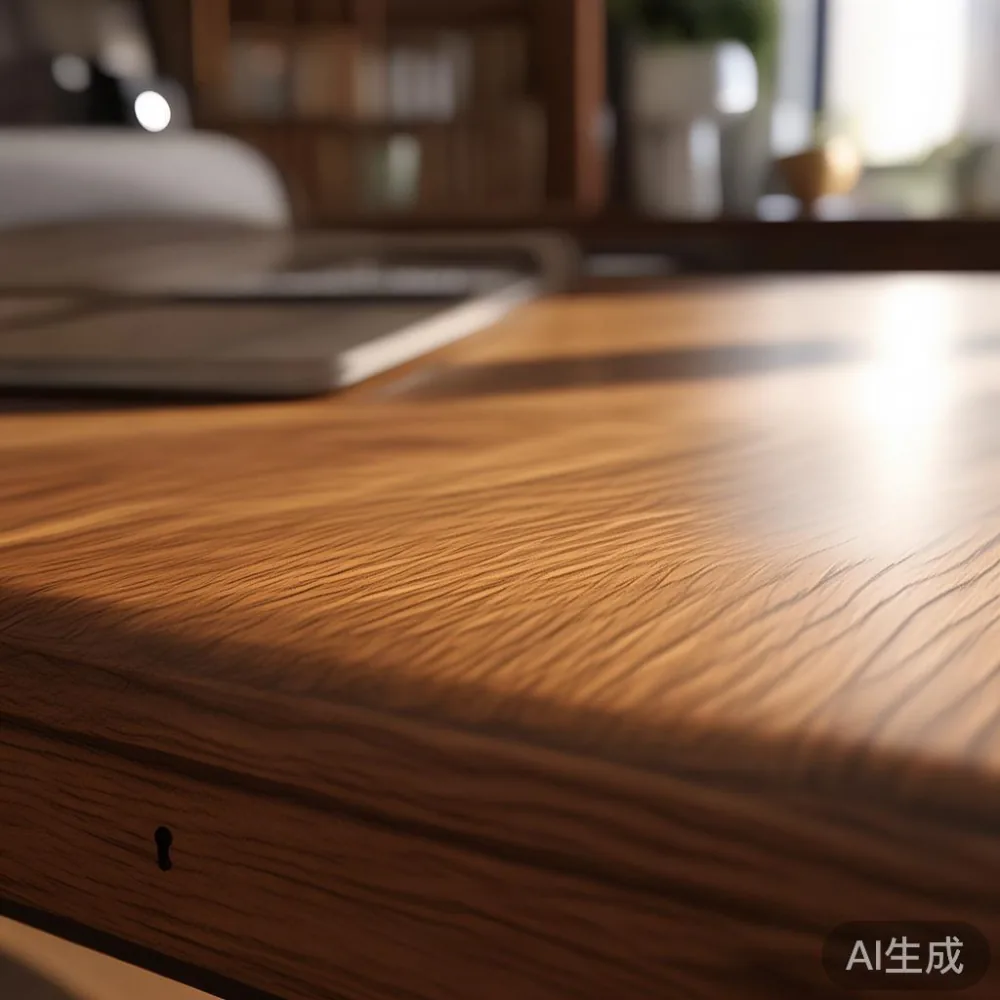
MIDHILL applies this kind of care thinking to lacquered furniture while making office desks as part of a broader solid wood collection. Lacquer is a protective coating, not a waterproof membrane. Care works best when humidity, heat, cleaning, and placement are managed together.
What humidity should a lacquered office desk experience?
Keep the indoor relative humidity around 45% to 60%. This is practical guidance rather than a warranty limit. Singapore’s outdoor readings often move between roughly 65% and 95%, while an air-conditioned HDB room may settle near 50% to 65%. A desk should not sit beside a window that receives morning sun, next to a bathroom doorway, or directly against a cold condensation-producing wall.
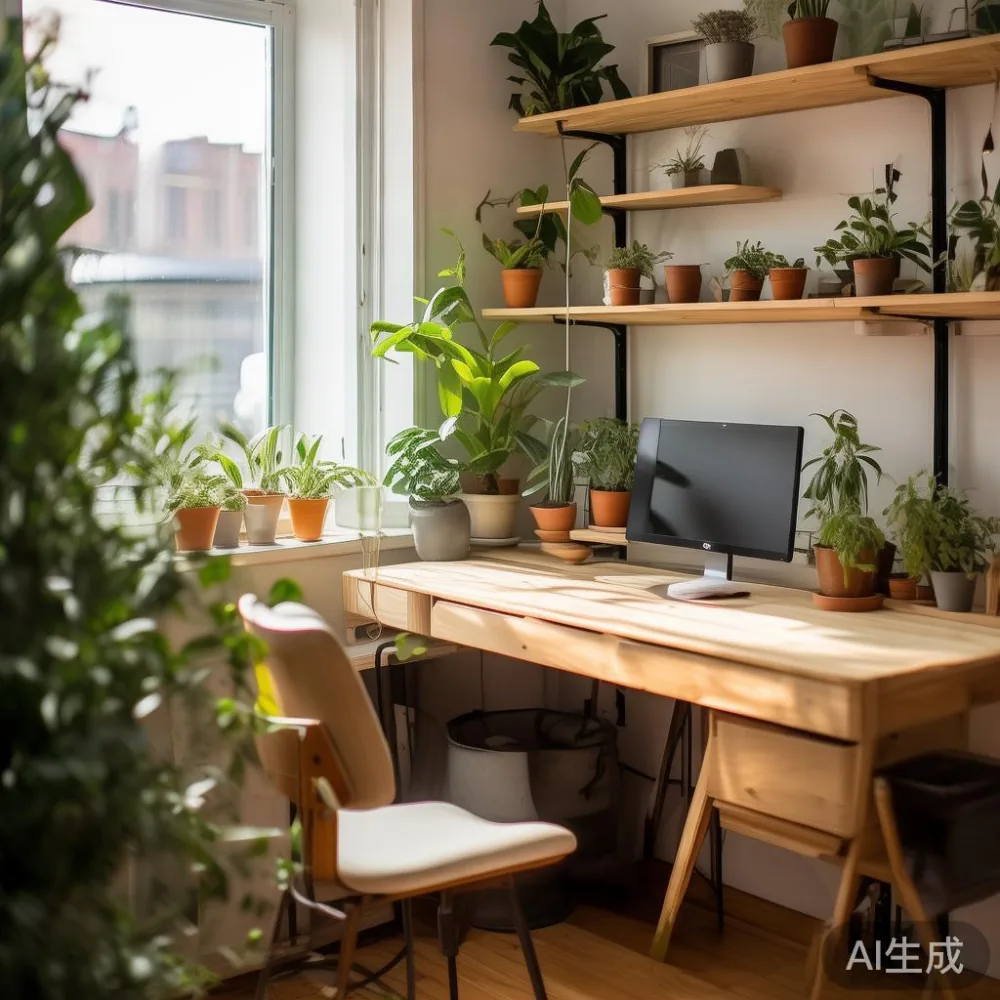
A small digital hygrometer is useful. Place it near the office desk, not above a dehumidifier where the reading may be misleading. If the display remains above 65% for several hours, improve airflow or run a dehumidifier. Below 40%, avoid heating the room aggressively, because very dry air can make timber and lacquer respond differently as moisture moves in and out.
In a high-rise, the desk may be near an air-conditioning vent. Do not aim continuous cold air at it for 18 hours a day. Leave at least 30 cm between the rear of the desk and a cool wall, and around 60 cm from a vent where practical. In compact corridors, measure the route before delivery: a common HDB access door is about 90 cm wide, a lift car may be around 110 cm by 140 cm, and the desk may need to be turned through a narrower landing.
Which cleaner should I use on lacquer?
Use a soft, lint-free microfibre cloth with a small amount of mild dish soap diluted in water. A practical mixture is 5 ml of soap per 500 ml of lukewarm water. Wring the cloth until it is damp, not dripping, and test it on a concealed 10 cm by 10 cm area. Wipe with light pressure, then remove residue with a second damp cloth.
Do not use vinegar, ammonia, bleach, alcohol, acetone, furniture polish, or wet silicone sprays unless the lacquer manufacturer specifically permits them. Although these agents may remove marks, they can soften some clear coats or cause a pale, hazy patch. Avoid abrasive pads, powder cleanser, wire wool, and rough sponge noodles. A ring left by a stainless steel mug, for example, should be addressed immediately rather than scrubbed.
Never flood a join, cable opening, or edge. Lacquer may seem continuous, but moisture can enter through a drilled socket hole, a cable notch, or an unfinished underside. Use a cable cover where possible and keep drinks at least 10 cm from the edge. If a drink spills, lift the container, blot the liquid, and dry the area with airflow; do not place a hot hairdryer within 30 cm of the surface.
Can heat and sunlight cause lacquer to change colour?
Yes. Prolonged exposure to direct sunlight can fade pigment and create uneven gloss. In Singapore, east-facing windows in Bedok may deliver strong light before 10 a.m., while west-facing Punggol rooms can remain bright after 5 p.m.. Position the desk away from a window edge by at least 1 m, or use a sheer curtain that reduces visible glare without blocking ventilation.
Measure light with a simple phone lux meter at desk height. Around 100 lux may suit careful reading; furniture need not be stored in darkness, but exposure to 1,000 lux or more for long periods deserves attention. A clear blind or UV-filtering curtain offers better protection than an open view to the afternoon sun. Do not place the desk over a radiator, beside a toaster, or near a window ledge that becomes hot at midday.
Lacquer colour can shift slightly with age, moisture, and daylight, especially across a pale European oak finish and a deeper walnut tone. To reduce visual contrast, rotate the office desk position rather than covering only one small corner. If a mark appears after 24 hours, contact the finish provider. Aggressive DIY correction risks making the patch more noticeable.
How should I remove fingerprints and small marks?
Start by identifying whether the mark is dust, grease, a sticky residue, or an actual coating failure. Dust usually lifts with a dry microfibre cloth. Grease needs the diluted soap method described above. Sticky labels should be lifted slowly with a plastic card, not a metal scraper, and the area should be checked for a printed adhesive trail.
For a fresh mark, use barely damp—not wet—cotton wool and follow the grain. Then dry with a clean cloth within 2 minutes. Take photographs before attempting care, because a cloudy spot under oblique light can resemble damage while the surface remains sound. My colleague last month visited a Tampines condo where a lacquered desk sat beside a west-facing window. The apparent haze was largely reflection from overhead lighting, but a 2-minute moisture check removed a light fingerprint film. The finish itself remained intact.
Do not use baking soda as an all-purpose cleaner. Its fine particles can scratch a gloss surface, and residue may remain in the grain. Cigarette ash, pencil rubber, and ordinary erasers may also contain abrasive material. For coating scratches, wait for the area to be fully dry, mark the location with masking tape, and seek manufacturer advice rather than applying a coloured paint marker. A local refinishing service may be more suitable than a general handyman.
How often should I inspect an office desk?
Carry out a quick check every 2 weeks in a humid home. Look at the rear edge, underside, and socket area first. Wipe the surface only when needed, and record any mark that does not disappear after gentle cleaning. A quarterly inspection—4 times a year—is a useful rhythm for checking leg fittings, cable strain, and lacquer changes.
Use coasters and placemats even when the surface appears resistant. A felt or cork coaster should measure at least 2 cm wider than a mug base. A placemat should not extend beyond the desk edge, because its trapped moisture can remain against the lacquer. Keep synthetic flowers, wet plants, reed diffusers, and food wrappers away from the finish. A small plant on a separate stand is safer than a vase placed directly on an office desk.
Check that the desk is stable, but do not overtighten fasteners. A lightly tightened fixing should be checked after about 48 hours and again after 30 days if the desk was newly assembled. Wood can settle slightly as its moisture content changes. Protect the floor with felt pads of roughly 20 mm diameter and replace them when compressed.
Can lacquer be repaired instead of replaced?
Small surface defects may be treatable, but repair quality depends on the coating system. A deep scratch that reaches the wood cannot be judged by touch alone. Photograph it in daylight, measure its length in centimetres, and provide the supplier with the finish name if known. Avoid applying clear nail polish, epoxy, oil, or wax over a lacquered office desk; these products can make the repaired area darker, glossier, or more reflective.
MIDHILL’s 10-year structural warranty addresses structural concerns, not every cosmetic scratch or moisture event. A lacquered surface is usually treated as a finish-care matter, so the owner’s habits, placement, and cleaning method matter. For significant wear, request an assessment rather than attempting a full refinishing cycle with household products.
If the desk came with a care kit, follow that kit’s instructions and note any excluded cleaners. Keep instruction cards for at least 5 years, especially if the desk has a limited warranty. For a replacement or additional desk, measure the room, lift, corridor, and doorway in centimetres before ordering. Confirm the delivery window, lift booking, and assembly needs in writing.
How does care fit into a wider light-luxury home?
An office desk often shares a home with a solid wood sofa, dining table, wardrobe, nightstand, or marble table. Their finishes require different care. A solid wood sofa may need fabric cleaning and controlled sunlight exposure; a dining table needs coasters and spill management; a wardrobe benefits from stable humidity; a nightstand should keep perfumes and damp hand towels away from wood; and a marble table should not be treated with acidic cleaners. This is why office-desk care should stay specific rather than becoming a generic furniture routine.
Design comparisons can be confusing when sales language is vague. The phrase European sofa vs Nordic sofa is useful for comparing proportion and detailing, but neither label tells you how a desk will age in Singapore. The same applies to American bed vs French provincial bed, European bed vs Japandi bed, and European light luxury bed vs Italian light luxury bed. If you are searching for the best light luxury bed for 2026, assess frame construction, dimensions, mattress clearance, and finish care alongside appearance. For bedroom inspiration, how to style light luxury bed in bedroom decisions should include humidity, circulation, and light control, not only textiles.
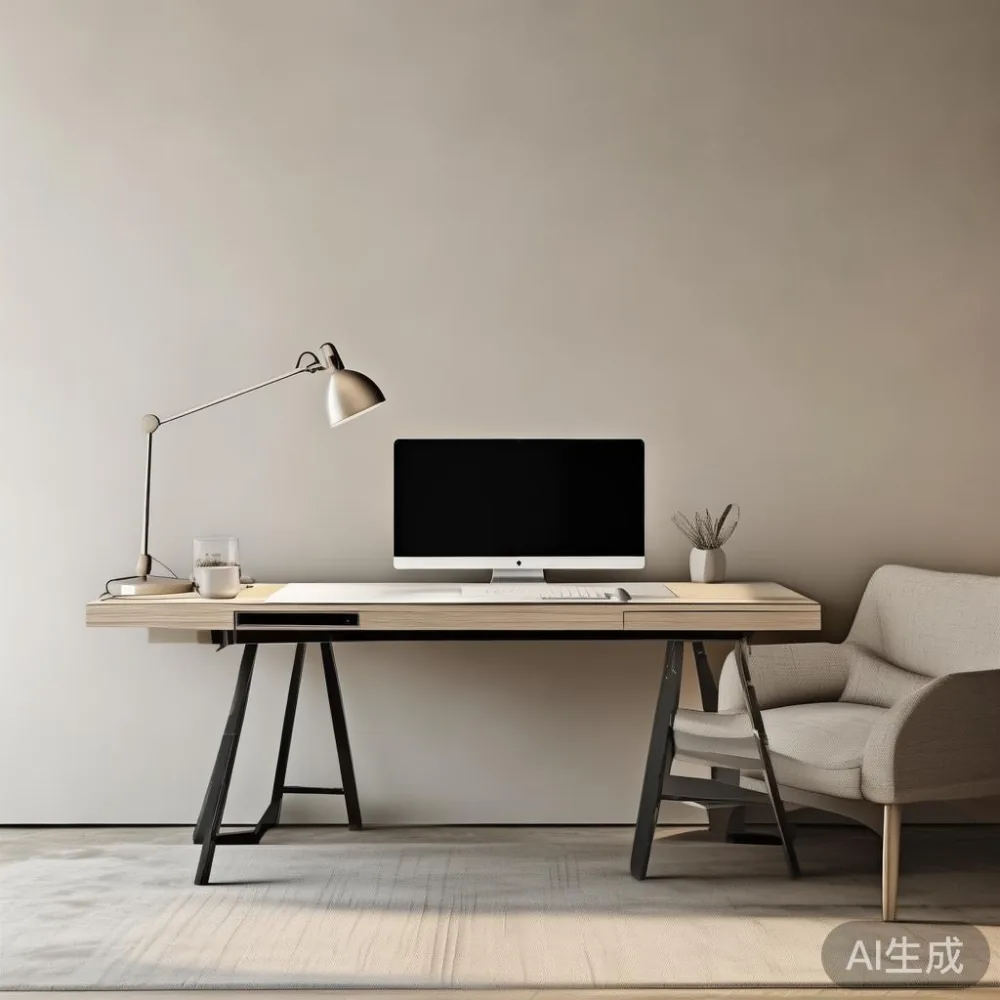
French light luxury may suggest curved details and softened proportions; American light luxury often favours generous comfort and clear lines; post-modern light luxury can use restrained geometry and mixed materials. A lacquered office desk complements all three when its scale is right for a condo or HDB room. In a compact study, a desk width of 120 cm may suit one monitor, while 140 cm to 160 cm allows a wider work zone. Leave at least 75 cm of knee clearance where possible and check that a chair can open without touching the desk edge.
What should I do before a desk enters a Singapore home?
Measure every route, not just the room. Record the narrowest corridor width, lift door opening, lift interior, corner turns, and the final doorway. For example, a desk top measuring 140 cm by 60 cm may fit diagonally in a lift but fail at a 70 cm corridor bend. Photograph turns and note whether neighbours’ doors must be kept clear. Delivery to a high-rise may require a booking window of 30 to 60 minutes, and lift access should be confirmed before the van arrives.
For cost planning, compare the quoted price in SGD with local delivery, lift reservation, and any assembly charge. Singapore GST is normally shown separately at 9%; ask whether a furniture quotation includes GST. MIDHILL offers free shipping above US$350, but a Singapore customer should confirm the final SGD amount, currency treatment, duties, and delivery terms before paying. Returns are available within 14 days under the stated policy, so preserve packaging and photograph the desk on arrival.
Unpack near the final location rather than dragging the desk across a corridor. Remove plastic film only after the surface is acclimatised, especially if the piece has travelled in a cooler container. Keep packaging dry, allow the desk to settle for about 48 hours, then check its level and finish. This simple sequence protects both appearance and structural performance.
What is the safest long-term care routine?
The safest routine is measured and repeatable: maintain roughly 45% to 60% relative humidity, keep the desk out of direct sun, use coasters, clean with a barely damp microfibre cloth, dry promptly, and inspect the finish every 14 days. Keep spills and adhesives from reaching the lacquer, and do not wait for a bubbling patch or dull halo to become obvious. Small defects are easier to assess within 24 hours than after months of heat and humidity exposure.
A lacquered office desk can remain handsome in a Tampines, Bedok, or Punggol home when care is treated as part of the room’s climate control. For product information and finish options, review www.midhill.co and ask for measurements, care instructions, delivery terms, and the applicable warranty in writing.