Office Desk Care for Singapore’s Humid Climate
Last month, I visited a family home in Tampines to inspect a lacquered office desk after a sudden downpour had left water marks near one of the cable openings. The desk had been installed in a compact HDB living room, where a standard corridor and a 90 cm lift made delivery planning unusually important. The top measured 140 x 70 cm, weighed 42 kg, and was finished in a dark, low-sheen lacquer. It was not damaged, but the marks showed how quickly moisture and careless cleaning can become visible on a pale or polished surface.
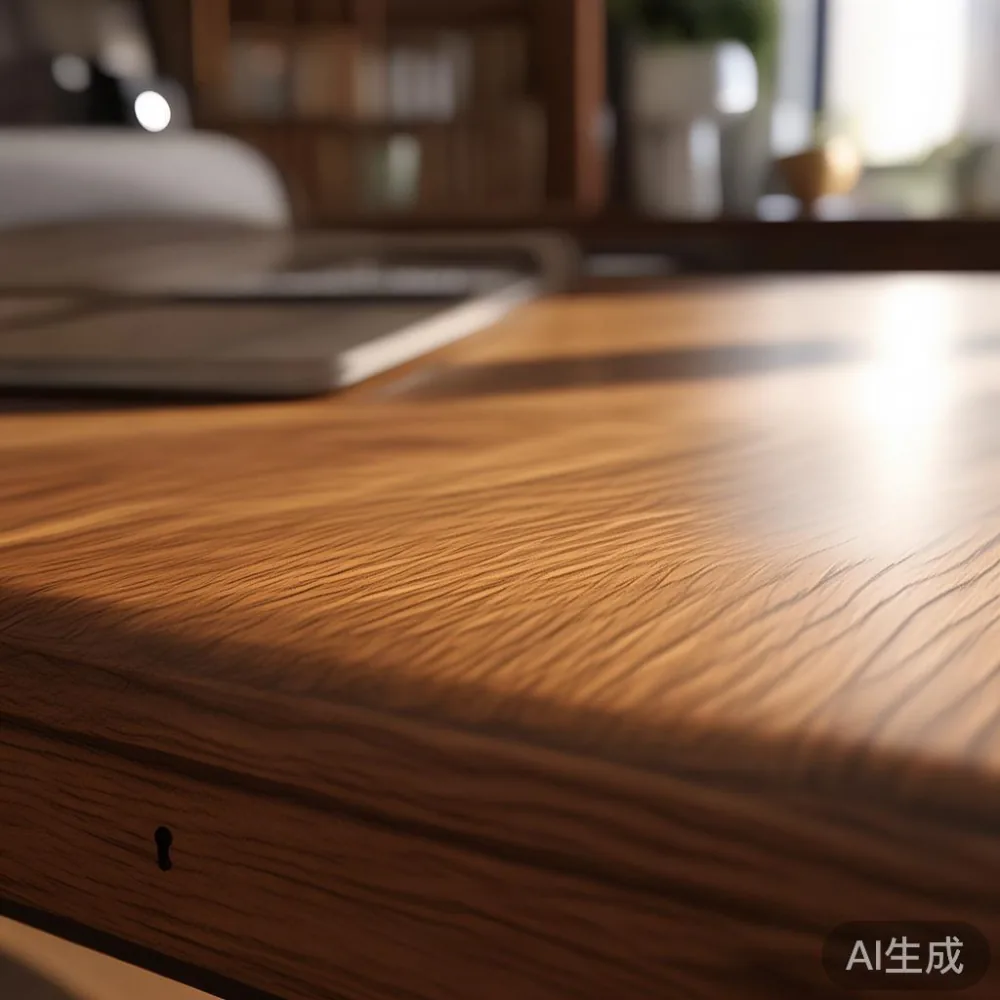
Singapore’s climate calls for a different care routine from drier places. Average relative humidity often sits between 70% and 85%, while afternoon showers can raise the moisture level around windows quickly. An office desk near a HDB corridor, bedroom door, air-conditioning outlet, or open balcony needs attention to airflow, wiping habits, and coaster use. These practices also matter when choosing solid wood dining table, bed frame, wardrobe, and nightstand pieces for the rest of the home.
MIDHILL designs solid wood furniture for practical residential and hospitality spaces, with a light-luxury finish suited to modern Singapore interiors. Its office desk range includes clean-lined writing desks and larger worktops that can serve as a study station or a compact executive workspace. Because lacquer and solid wood respond differently to heat, water, and humidity, care should be based on the actual finish rather than general cleaning folklore.
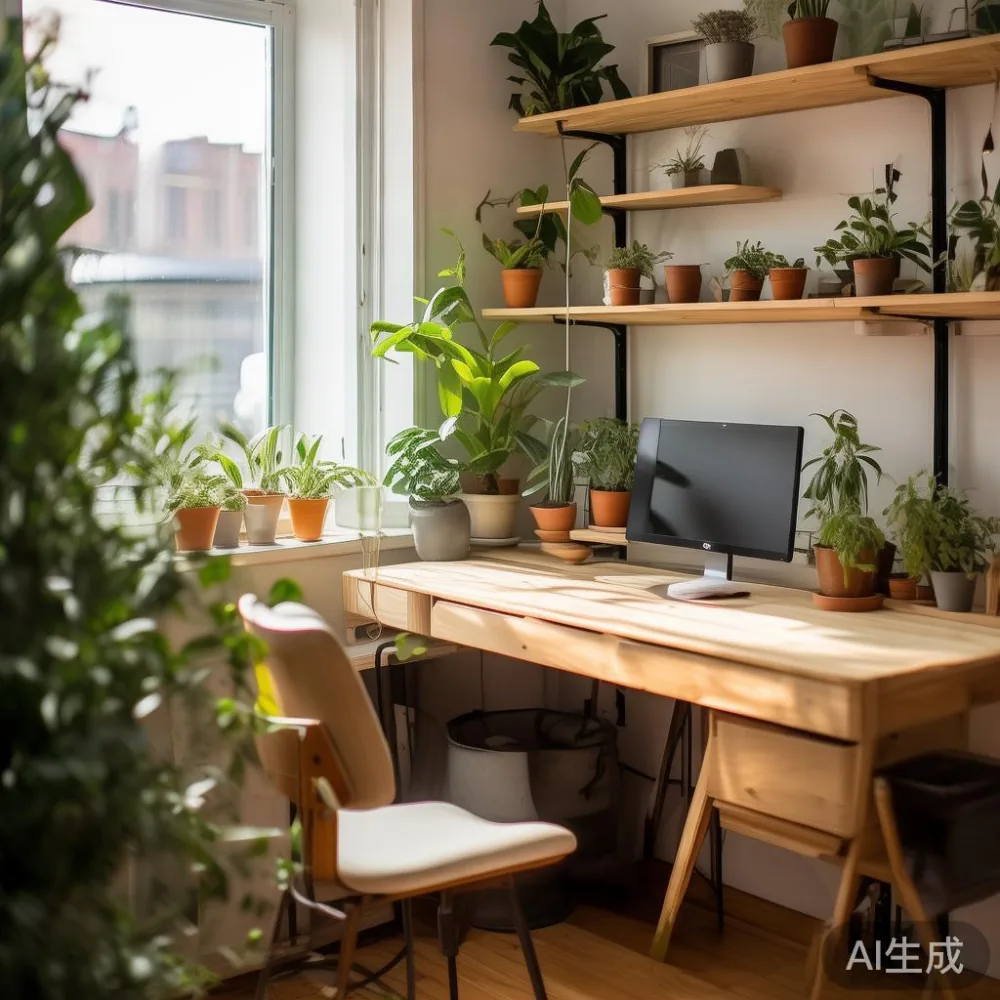
Why does lacquer need special care in Singapore?
Lacquer creates a smooth, closed layer over wood or another engineered base. That layer can resist ordinary spills, but it is not immune to standing water, alcohol-based cleaners, abrasive pads, direct sunlight, or repeated pressure from laptop stands. Tropical humidity expands wood underneath the coating. If the desk absorbs moisture, its movement may create fine surface tension that eventually appears as clouding, tiny bubbles, or a dull patch.
The normal Singapore range of 28 to 33°C and high humidity explain why indoor placement matters. For a lacquered office desk, aim for a distance of at least 60 cm from an open window or balcony door where practical. Do not place it directly against a cold wall or immediately beneath an air-conditioning vent. A steady air-conditioner setting of 24 to 26°C helps reduce seasonal movement, although a direct cold draught should still be avoided.
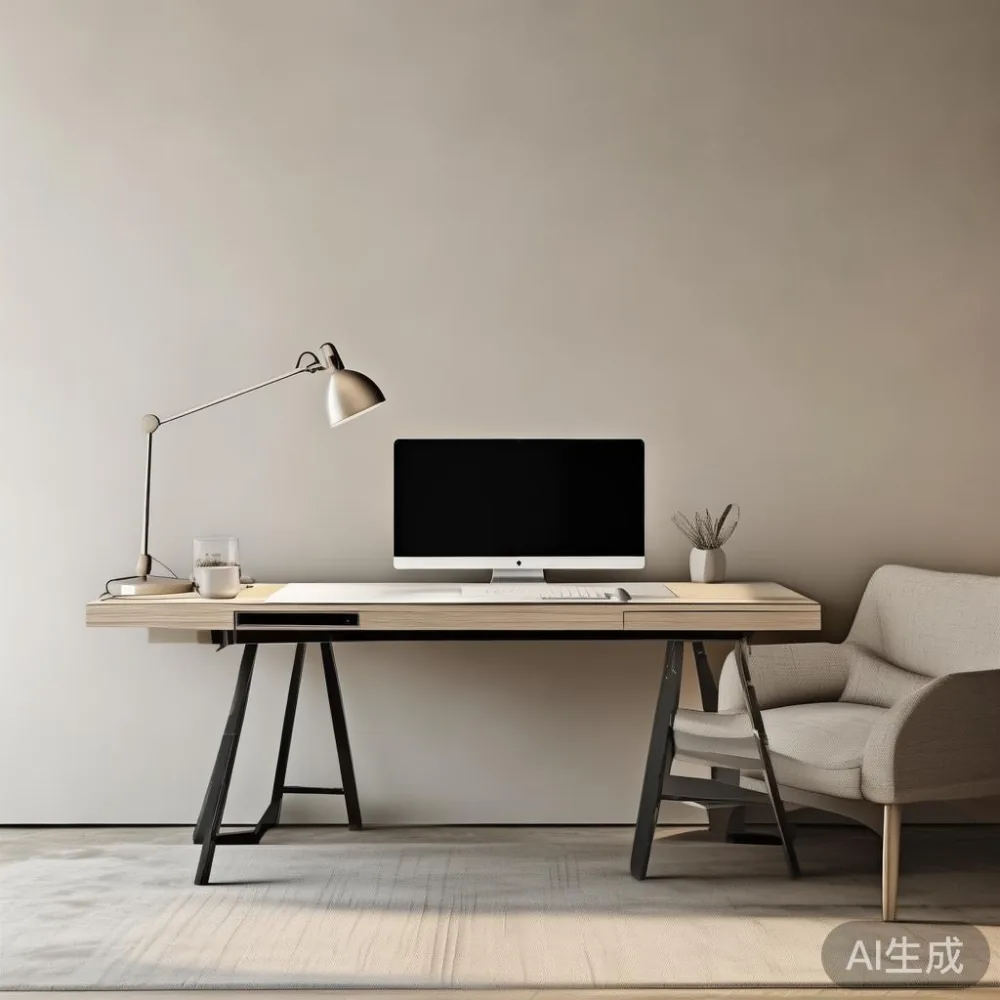
Humidity is only one part of the equation. A desk beside a corridor may collect dust, while one near a kitchen can receive oil vapour and sticky cooking residue. Use a barrier under cups, stationery holders, and laptop stands. A ceramic coaster with a 9 cm diameter fits most mugs, and a 30 x 20 cm leather or cork pad can protect the area used by a keyboard and mouse. Keep drinks in containers with closed lids and avoid leaving damp paper or packaging on the surface overnight.
How should I clean a lacquered office desk daily?
Begin with a soft microfibre cloth. For routine cleaning, use a clean cloth lightly dampened with plain lukewarm water, wring it until no water runs out, and wipe the top in the direction of the grain or coating marks. A 20 ml addition of mild pH-neutral dish detergent to a 500 ml spray bottle is sufficient for a larger desk, although spraying the cleaner onto the cloth is safer than spraying the desk directly.
Move in small sections and dry immediately with a second soft cloth. This prevents moisture from lingering along joints, cable ports, and edges. Never use a scouring sponge, wire wool, brush, or rough towel. Avoid ammonia, bleach, acetone, paint thinner, furniture polish containing silicone, and alcohol-based spray cleaners. Even a supposedly convenient glass-cleaning product can leave a hazy film that requires several passes to remove.
Spills should be addressed within 30 seconds where possible. Blot rather than rub, then wipe the remaining mark with the damp-cloth method. Pencil rubber can lift some dry scuffs, but it may leave residue on dark lacquer, so test it on an underside corner first and follow with a clean damp cloth. A small amount of good quality cream can be used sparingly on marks that do not come off, but confirm the finish manufacturer’s guidance before applying it.
Do not place wet files, towels, or bags directly on the top. This is particularly important for an office desk used as a charging station. Route cables through a rear opening and keep at least 10 cm of clearance around power adapters. Heat from a charger can remain above 40°C during use, while a power brick can trap moisture against the lacquer.
How do I prevent heat, sunlight, and humidity damage?
Singapore’s sunlight is stronger than many homeowners expect. The UV index regularly reaches high levels around midday, and repeated exposure can pale a dark lacquer or make a pale finish look uneven. A UV-filtering curtain or blind can reduce exposure without making the study corner feel closed. For a west-facing condo bedroom in Bedok, blinds should remain partly lowered during the brightest hours, with the desk positioned away from the glass where space allows.
Keep a 15 cm gap between the office desk and the wall if circulation permits. This allows moisture to evaporate and makes it easier to inspect the rear edge. HDB corridors can be narrow, and a common residential lift car measures roughly 90 x 140 cm, so check the desk’s packaged dimensions before delivery. A desk with a 140 x 70 cm top may need to enter a lift diagonally, while a larger 160 x 80 cm model may require the lift to be booked for a specific moving window. The narrowest turn in the corridor can be more restrictive than the lift door itself.
Furniture should acclimatise before it is placed against an exterior wall. Keep the desk wrapped for at least 24 hours after delivery if the packaging is cold or damp from transport. Unwrap it fully in a dry room and leave it for another 24 to 48 hours before applying coasters or positioning accessories. This gives trapped moisture a chance to disperse.
Do not adjust the lacquer with oily hand cream, butter, petroleum jelly, or wax. Such products can create temporary shine and difficult patches. If a handprint appears, the damp-cloth method is usually enough. For a persistent mark, use a product approved for the specific lacquer and test it over a 5 cm square on a hidden section first.
What should I do if the lacquer gets stained, scratched, or cloudy?
Start by identifying the mark. Water rings often appear after a warm cup leaves moisture beneath its base. They can sometimes be reduced by placing a dry cotton cloth over the area and warming it gently for 5 to 10 seconds with a hairdryer kept at least 30 cm away. The aim is to remove trapped moisture, not to soften the finish. Never use a steam iron, heat gun, or boiling water.
For white cloudy patches, do not scrub. Wipe once with a barely damp cloth and dry immediately. If the haze remains, professional assessment is preferable, particularly for a high-gloss finish. Silicone, oils, and wax can penetrate the coating or require specialist polishing that an abrasive household treatment cannot safely undo.
Scratches need a different response. A shallow nail mark on an intact lacquer may be reduced with a lacquer-safe polishing compound, but colour restoration and deeper gouges belong to a repair technician. Continue using a 30 x 20 cm protective pad and keep sharp tools in a closed container rather than drawing them across the desk.
When damage occurs, photograph it in daylight, record the finish colour and sheen, and note the approximate size. A 2 mm chip can spread along a weakened edge, while a 50 mm water stain may be removed without touching the lacquer at all. Accurate details help a specialist decide between cleaning, spot treatment, polishing, or recoating.
How does MIDHILL handle delivery, returns, and long-term care?
MIDHILL offers a 10-year structural warranty and lifetime refinishing on qualifying solid wood furniture, with the exact coverage confirmed at purchase. That support does not mean a lacquered surface should be exposed to standing water. Structural longevity and finish maintenance are related but separate issues. A solid wood dining table, bed frame, wardrobe, or nightstand may be repaired at the frame level, while a lacquer repair still requires the correct colour, sheen, and application method.
For Singapore orders, the furniture company should clarify whether delivery is curbside, room-of-choice, or placed inside the unit. HDB lift reservations, parking zones, and the number of stairs should be confirmed before dispatch. A 42 kg desk with a 140 x 70 cm top may need two people from the corridor to the flat, and narrow 80 to 85 cm doorways can determine whether the top or base must be separated. Customers should measure the route rather than estimate from the product photograph.
Prices are shown in SGD, with GST applicable as required. MIDHILL provides free shipping on qualifying orders over US$350, although the checkout should be checked for the final Singapore delivery charge. The 14-day return period is another reason to inspect the desk within that window under normal indoor lighting. Check the lacquer for waves, scratches, colour differences, and moisture signs before signing the delivery record.
The same disciplined care supports the rest of a coordinated home. A French light luxury scheme may pair the office desk with a solid wood dining table, while an American light luxury interior could include a solid wood sofa and a post-modern light luxury bedroom. Material references such as European bed vs French provincial bed can guide the style, but the care rules still depend on the actual coating. Searches for for sale European furniture or an Italian light luxury for office approach may lead to many finishes; identify whether the surface is lacquer, oil, wax, or polyurethane before cleaning it.
Is a lacquered office desk suitable for an HDB flat or condo?
Yes, provided the desk is correctly sized, positioned, and maintained. A 120 x 60 cm writing office desk fits many HDB study corners, while a 140 x 70 cm model suits a wider bedroom or multipurpose room. Condo owners may have more space, but glossy surfaces still show fingerprints and dust in warm, humid conditions. A low-sheen lacquer often looks more practical in a compact flat because its appearance changes less under oblique evening light.
For a Punggol home near the main road, dust control matters as much as moisture control. Clean the surrounding floor weekly, keep return-air paths clear, and use a dry microfibre cloth every 2 to 3 days. For a Bedok condo with large glazing, manage blinds and keep the desk at least 60 cm from the glass. Tampines rooms close to a common corridor may benefit from a wipe-down each weekend, especially where shoes and bags are frequently removed nearby.
Choose accessories that do not concentrate weight or liquid. A 1.2 L water bottle should sit in a separate holder on the floor, not on the desk. A paper tray should have a 5 mm raised edge. Monitor stands should be rated for at least 8 kg and have broad contact pads. These details preserve the finish without making the workspace look cluttered.
Furniture selection should also account for local dimensions. A modern light luxury TV console may use similar lacquer finishes in the living room, and a request for the best Nordic sofa for 2026 may lead to a different upholstery care routine. Searches for a MIDHILL coffee table can reveal coordinating timber and finish options, while a question about whether an is Japanese wardrobe worth it concerns storage quality rather than lacquer care. The useful comparison is always the same: verify the material, finish, dimensions, movement allowances, and maintenance requirements.
Can lacquer be polished or restored without damaging the office desk?
Only with the correct product and a cautious test. Polishing removes a microscopically thin layer, so repeated use can change gloss and expose the colour beneath. If the office desk has a factory matte or low-sheen lacquer, conventional high-gloss polishing compound should not be used. Ask the manufacturer for a finish-compatible product and a test patch before treating the full surface.
MIDHILL’s lifetime refinishing service may cover qualifying furniture, but lacquered desk components can differ from solid timber parts. Obtain written confirmation of what can be refinished, whether colour matching is possible, and whether the desk must be returned to the workshop. Shipping a large item for refinishing may cost more than the repair itself, so a local assessment can be sensible for minor marks.
For daily upkeep, prevention remains more economical than restoration. Replace a 9 cm coaster every 6 months if its felt becomes compressed, keep bottles closed, and wipe surfaces before residues dry. Check the desk under angled light every month. Small marks found early are easier to address than a 20 cm dull area or a scratch that has collected moisture.
A lacquered office desk can remain attractive in Singapore when care is treated as a regular 5-minute routine. Use coasters, control humidity, dry spills promptly, avoid harsh chemicals, and keep strong sunlight and heat away from the surface. The goal is not to create a showroom environment, but to preserve a useful writing surface that suits the daily rhythm of a HDB flat or condo.