The Silent Enemy: How Singapore's Humidity Impacts Your Solid Wood Office Desk
Living in Singapore, a city-state defined by its lush greenery and tropical climate, comes with a set of environmental challenges that extend far beyond the daily weather forecast. For residents of HDB flats in Tampines, condos in Punggol, or any of the island's diverse neighbourhoods, the air itself is a constant presence. It's heavy, it's damp, and it moves through your home with a quiet persistence. This omnipresent humidity is more than just a feeling of stickiness; it is a silent, patient force that can quietly alter the very nature of the objects within your living space, particularly solid wood furniture. An office desk, a piece of furniture designed for work, focus, and daily use, is not immune to these effects. Understanding the relationship between humidity and wood is the first step towards ensuring your workspace remains a stable, beautiful, and functional environment for years to come.
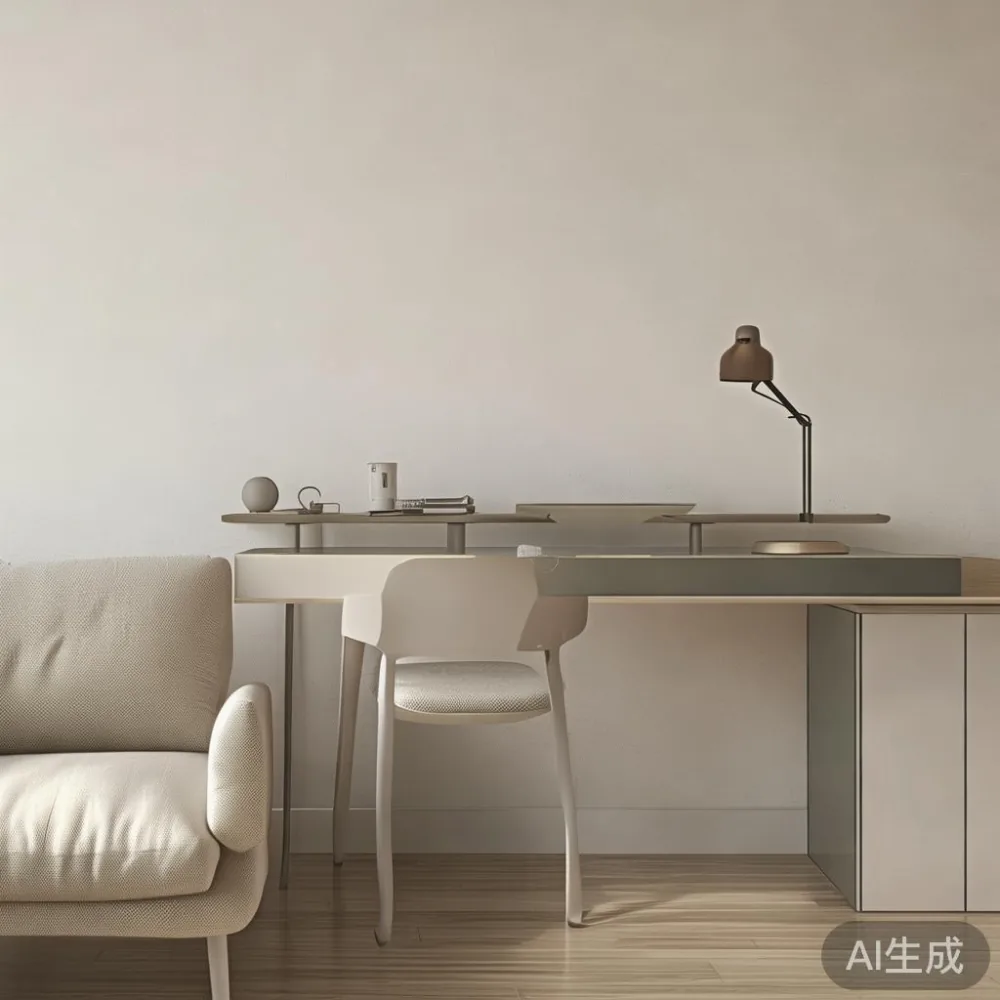
Understanding Wood's Natural Relationship with Humidity
To comprehend why humidity is an issue, one must first understand the fundamental nature of wood. A solid wood office desk is not a static, inert object. It is a hygroscopic material, which is a scientific way of saying it absorbs and releases moisture from the surrounding air. Think of wood as a living organism that has been harvested but retains a cellular memory of its natural environment. The cells within the wood contain tiny cavities that hold water. When the air is humid, these cells absorb moisture, causing the wood fibres to swell and expand. Conversely, when the air is dry, the wood releases moisture, and the fibres contract and shrink.
This natural process, known as movement, is most pronounced across the grain of the wood. The width of a solid wood plank can change by several millimetres depending on its moisture content. For a large piece of furniture like an office desk, this movement can be significant. A desk made from solid oak, for example, might expand by up to 3-4 millimetres across a 60 cm wide tabletop during Singapore's wet season when relative humidity can hover between 80% and 90%. While this may sound minimal, it can lead to tangible problems if the furniture is not designed or cared for correctly.
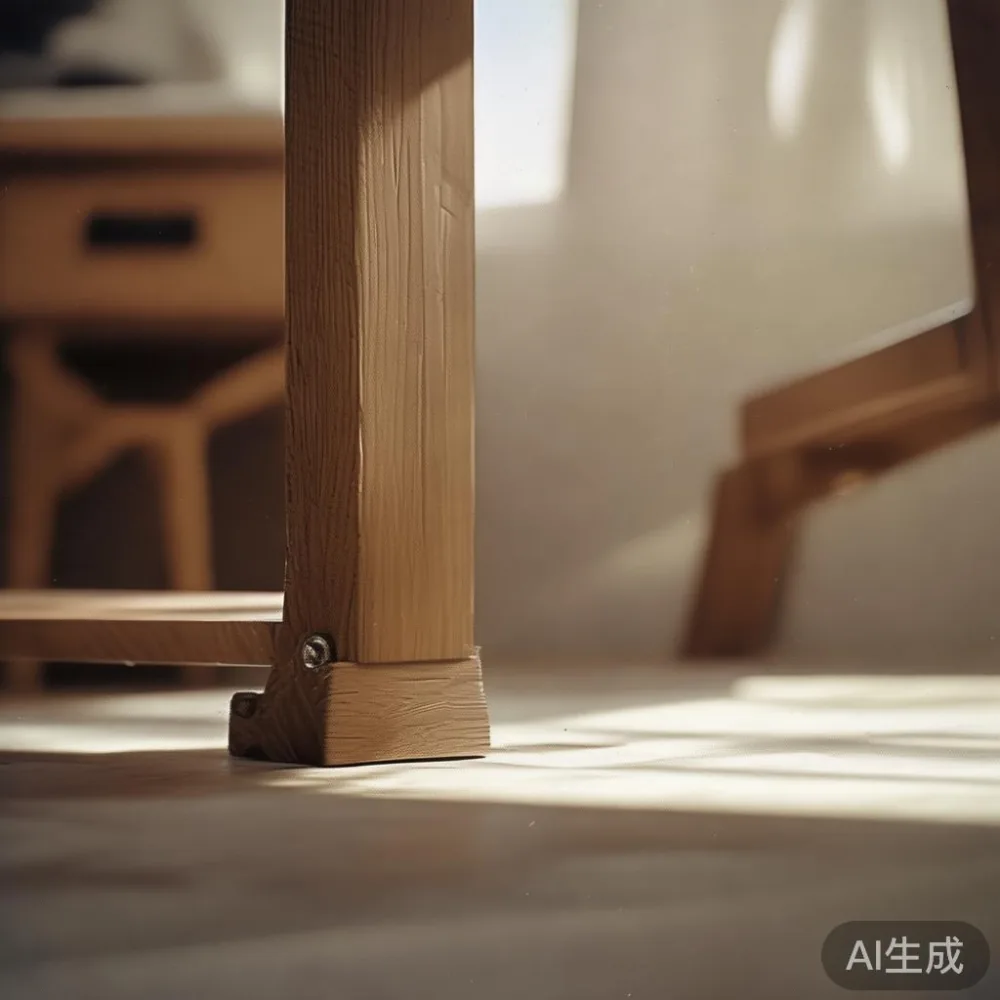
How Singapore's Climate Creates a Perfect Storm for Wood
Singapore's climate is characterised by high temperatures and consistently high humidity levels year-round. The island experiences two monsoon seasons: the Northeast Monsoon from December to March, which brings heavier rainfall, and the Southwest Monsoon from June to September, which is typically drier. However, the baseline humidity rarely drops to comfortable levels for wood. Average relative humidity in Singapore ranges from 70% to 90%, creating a permanently saturated environment for wood fibres.
Consider the environment of a typical HDB flat in Bedok. The corridors and lift landings, while practical for Singapore's high-density living, can trap air. When the air conditioning unit in the living room cycles off, the ambient temperature rises, and the trapped humid air seeps into the bedrooms and home office. This creates micro-climates of fluctuating temperature and humidity around your furniture. A solid wood office desk placed near a window in a condo in Punggol will experience direct sunlight, which heats the wood and drives out moisture, only to have that moisture replenished by the humid air once the sun moves. This constant cycle of expansion and contraction is the primary cause of many common wood-related issues.
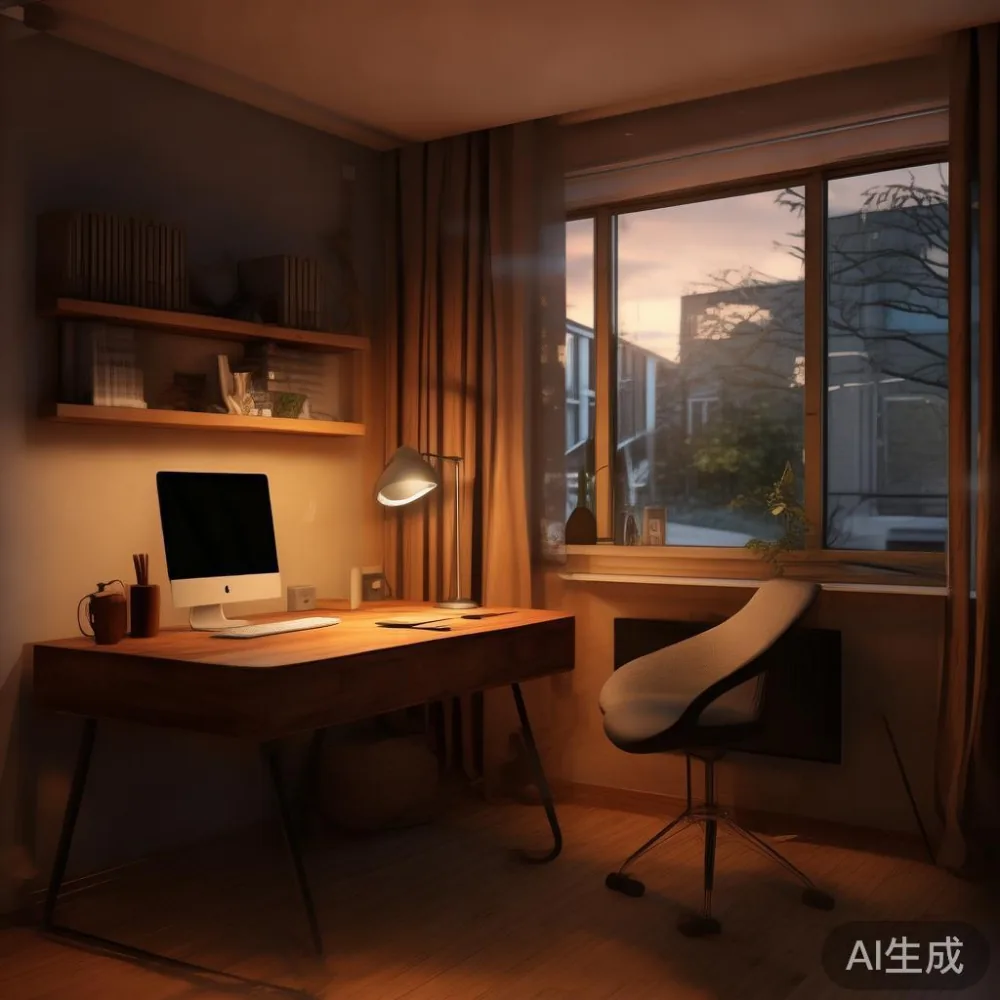
The Visible Effects of Humidity on Your Office Desk
The consequences of this constant moisture exchange are not always hidden. They manifest in several visible and functional ways that can detract from the beauty and utility of your workspace. The most common issue is cracking. As wood dries out too quickly, it can shrink unevenly, causing deep fissures to appear on the surface of the desk. A desk top made from a single slab of walnut, for instance, might develop a crack over a year if it's subjected to rapid drying from air conditioning.
Another frequent problem is warping. This occurs when one part of the wood expands or contracts more than another. A solid wood office desk might begin to bow in the centre, with the edges rising up to form a concave shape. This warping makes it difficult to place items flat on the surface and can disrupt the smooth flow of work. Gaps are another tell-tale sign. In a desk made of multiple wood panels, such as those joined with breadboard ends, high humidity can cause the panels to swell, pushing against the joints and creating unsightly gaps. Conversely, during a drier period, these same panels can shrink, widening the gaps to an extent where they look unprofessional and poorly made. These issues are not merely cosmetic; they are signs of stress on the furniture's structure.
Can Solid Wood Furniture Survive Singapore's Humidity? The Answer is Yes
Despite these challenges, it is entirely possible to own and enjoy beautiful, durable solid wood furniture in Singapore. The solution lies not in avoiding wood, but in choosing the right type of wood and the right construction methods. Furniture makers who understand the local climate design their pieces to accommodate the natural movement of wood. This involves using techniques that allow for expansion and contraction without causing structural failure.
For example, a well-constructed solid wood office desk will feature a tabletop with a 'floating' design. The tabletop is attached to the base using special clips, brackets, or a series of elongated screw holes. These mechanisms allow the top to move freely with changes in humidity without cracking or pulling apart from the base. Another key technique is the use of 'slab' construction for very wide surfaces, where a single, thick piece of wood is used instead of gluing narrower boards together. This eliminates the weak points where moisture can penetrate and cause panels to separate. Reputable brands, like those established in Foshan since 2008, have spent years perfecting these techniques to create furniture that can withstand the rigours of the Southeast Asian climate. My colleague, who visited a manufacturing facility last month, observed their meticulous process of kiln-drying wood to a precise moisture content suitable for export, ensuring the wood is stable before it ever leaves the factory.
Why is My Solid Wood Office Desk Warping in My HDB Flat?
This is a question we hear often from homeowners who have invested in what they believed was high-quality furniture. The answer usually lies in a combination of environmental factors and construction quality. If your office desk is warping, the first place to look is its immediate environment. Is it placed directly over an air conditioning vent? The constant, cold, dry air blowing onto one side of the wood will cause it to dry and shrink on that surface, while the other side remains exposed to the ambient humidity, leading to a predictable warp.
Similarly, is the desk positioned in a spot with direct, unfiltered sunlight? The sun's heat will draw moisture out of the wood, causing it to shrink and potentially crack. The other factor, and a critical one, is the furniture's origin. Mass-produced furniture made for drier climates often uses inferior wood that has not been properly kiln-dried or employs construction methods that do not allow for natural movement. These pieces are in effect set up to fail in a humid environment like Singapore. A desk from a maker with a 10-year structural warranty, for instance, implies a level of confidence in their construction that can withstand such conditions. The problem isn't the wood itself, but the failure to account for the environment in which it will live.
Practical Care Tips for Your Solid Wood Office Desk
Owning solid wood furniture in Singapore requires a small amount of mindful care, but it is far from a burdensome task. The goal is to maintain a stable environment around the desk and protect it from extreme changes. The most important rule is consistency. Avoid placing your office desk in locations where it will be subjected to direct drafts from air conditioners or heaters, or in spots with harsh, direct sunlight for prolonged periods.
Using a dehumidifier in the room where your office desk is located can be beneficial, especially during the wettest months. Aim to keep the relative humidity in the room between 45% and 55%. This is a range where wood is stable but not so dry that it becomes brittle. Cleaning your desk regularly with a soft, damp cloth and then immediately drying it with a clean, dry cloth will prevent a buildup of grime that can trap moisture against the wood surface. For added protection, consider applying a high-quality furniture wax or oil every 6 to 12 months. This creates a breathable barrier that helps regulate moisture exchange and nourishes the wood, keeping its lustre intact. A colleague of mine in Singapore applies a beeswax polish to his walnut desk every quarter, and it has remained flawless for over five years in his Tampines apartment.
Making an Informed Choice for a Humid Climate
When selecting a solid wood office desk for your Singapore home, knowledge is your best asset. Ask the seller specific questions about the wood and its construction. Inquire about the moisture content of the wood when it was manufactured. A reputable manufacturer will be able to tell you this, as it's a key indicator of stability. Ask about the joinery. Look for descriptions like 'mortise and tenon' or 'dovetail joints' on smaller components, as these are strong, traditional methods that allow for movement.
Consider the type of wood itself. Hardwoods like teak, walnut, and oak are generally more stable than softer woods. Teak, in particular, is renowned for its natural resistance to moisture and is an excellent choice for humid climates. Also, examine the design. A desk with a thick, solid top is often more stable than one with a thin veneer over a cheaper substrate. Look for signs of quality craftsmanship, such as smooth, even finishes and tight, well-fitted joints. The price can be a good indicator; a solid wood office desk from a quality maker will typically cost between SGD 1,800 and SGD 3,500, reflecting the cost of quality materials and skilled labour. This investment is protected by warranties, with some offering a 10-year structural warranty and a lifetime refinishing service, ensuring your desk can be restored to its original beauty even after years of use. Free shipping is often available for orders over SGD 500, and a 14-day return policy provides peace of mind.
The Verdict: Embracing Wood in a Tropical Paradise
Living in Singapore does not mean you must forgo the warmth, character, and durability of solid wood furniture. The challenges posed by humidity are real, but they are not insurmountable. By understanding the nature of wood, choosing furniture that is specifically designed to accommodate a humid climate, and providing a small amount of consistent care, you can enjoy a beautiful and functional solid wood office desk for a lifetime. The key is to move beyond the fear of damage and embrace the material on its own terms. A well-made desk is not a fragile object waiting to be defeated by the climate; it is a piece of crafted wood that has been prepared to live in harmony with it. When you choose wisely, your office desk becomes more than just a place to work; it becomes a stable, enduring anchor in your Singaporean home, a proof of thoughtful design that respects both material and environment. For those seeking for sale European light luxury furniture that can withstand these conditions, the options are more solid than ever. A MIDHILL French provincial sofa, for example, is crafted with the same principles of stability in mind. When considering how to choose European light luxury sofa, one must always consider the local climate. For a buyer looking for best Mid-century modern furniture or under 2000 Nordic furniture, understanding the difference between a French sofa vs French provincial sofa can reveal which is better suited for a humid environment. The choice for a stable piece of furniture is a practical one, and for many, that choice leads to a call to +86 188 2788 2512 for expert advice on pieces built to last.