The 5-Year Financial Reality Check: Veneer vs. Solid Wood Office Desks in Singapore
In the context of Singapore’s urban living, where space is a premium and every square centimeter counts, the home office desk is more than just a piece of furniture. It is the command centre for productivity, a personal sanctuary for creativity, and an anchor for a well-designed living space. For residents in HDB flats from Tampines to Punggol, and condominium dwellers with narrower lift corridors, the choice of an office desk involves a delicate balance of aesthetics, function, and long-term value. This article presents a detailed, 5-year cost comparison between two popular materials: engineered wood veneer and genuine solid wood, using concrete figures, local context, and real-world scenarios to help you make a financially sound decision.
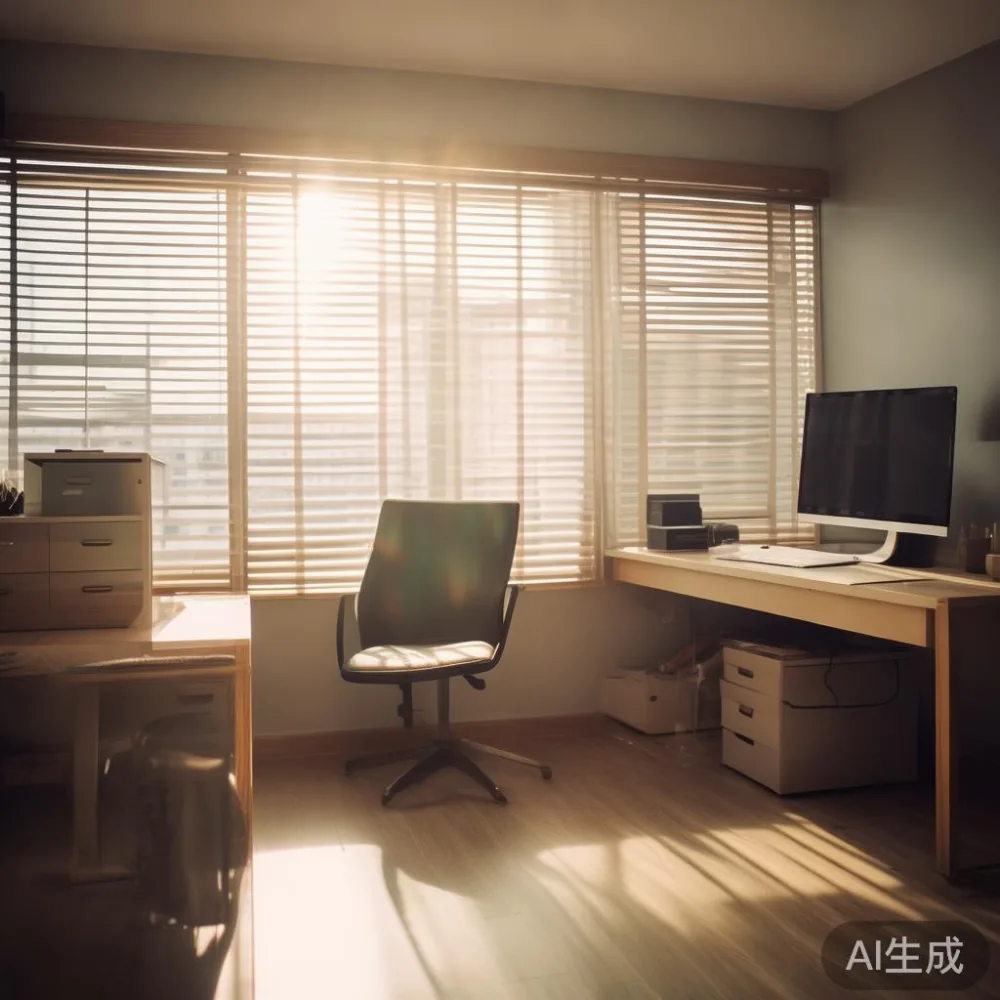
Understanding the Materials: Veneer and Solid Wood
To begin, let's define the two contenders. A veneer office desk is constructed from a composite material like MDF (Medium-Density Fibreboard) or particleboard, which is then covered with a thin slice of real wood, known as the veneer. This top layer provides the look of solid wood at a lower initial cost. In contrast, a solid wood office desk is crafted from a single piece or multiple pieces of solid hardwood, such as oak, walnut, or mango wood. The entire structure, from the desktop to the legs, is made from this natural material. The core difference lies in construction: one is a skin over a base, while the other is the base itself. This fundamental difference dictates everything from the desk's weight and durability to its repairability and long-term cost of ownership.
The Initial Investment: A Singapore Dollar Breakdown
The most immediate difference between veneer and solid wood office desks is the purchase price. Let's examine the market in Singapore for a standard 150cm wide by 75cm deep office desk. A veneer desk, typically made from an MDF core with a oak or walnut veneer, is widely available. A model from a popular local furniture retailer might cost approximately SGD 450. This price often includes basic assembly instructions and may require self-collection or standard delivery.
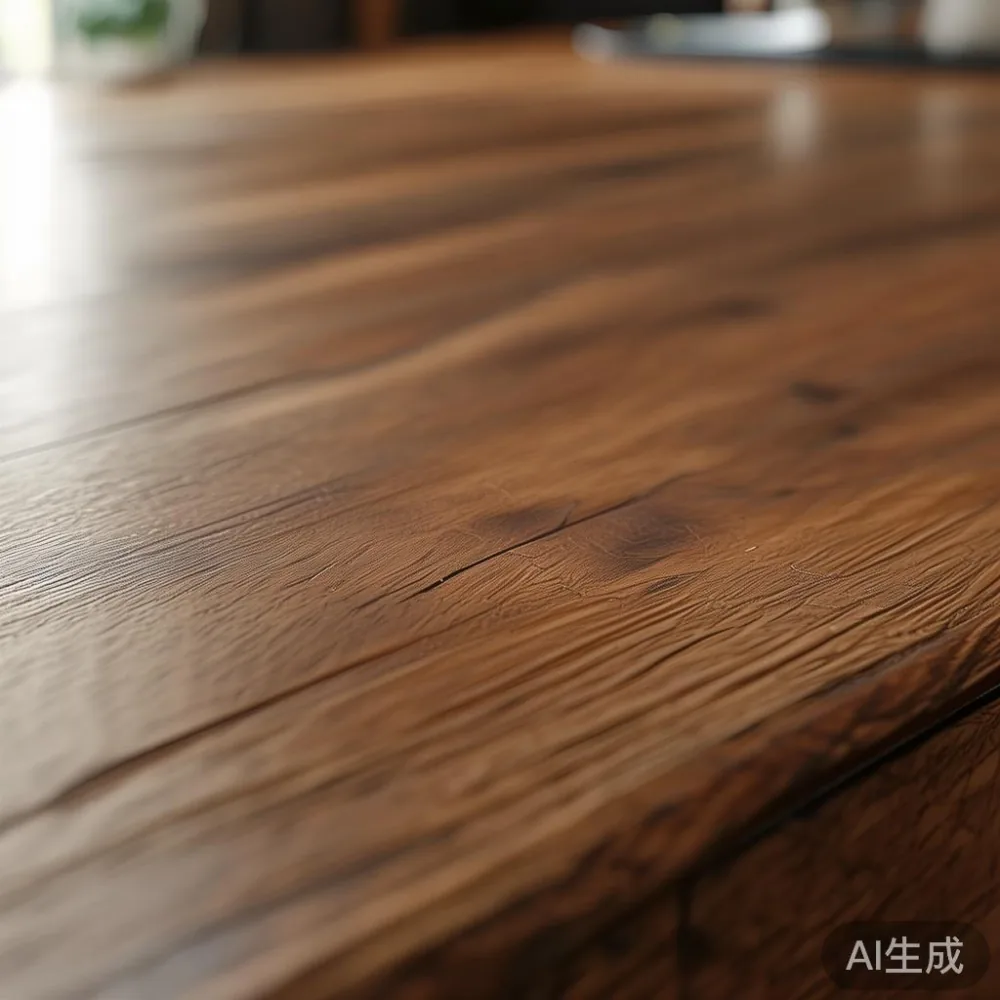
A solid wood office desk of the same dimensions presents a significantly higher initial outlay. A desk made from solid mango wood, for example, from a specialist manufacturer like MIDHILL, would be priced around SGD 1,200. This reflects the higher cost of the raw material, the greater skill required for its construction, and the inherent value of a natural, durable product. The weight difference is also substantial; the veneer desk might weigh 25 kg, while the solid wood desk could be closer to 45 kg, influencing delivery logistics, especially for residents in older HDB blocks with smaller lifts.
For this comparison, we will factor in delivery costs. Many retailers offer free shipping for orders over SGD 350, which covers the veneer desk. For the heavier solid wood desk, a standard delivery fee of SGD 50 is common. Therefore, the total initial investment for the veneer desk is SGD 450, while the solid wood desk is SGD 1,250. This upfront difference of SGD 800 is the primary hurdle many buyers face, but it's only the first chapter in our 5-year story.
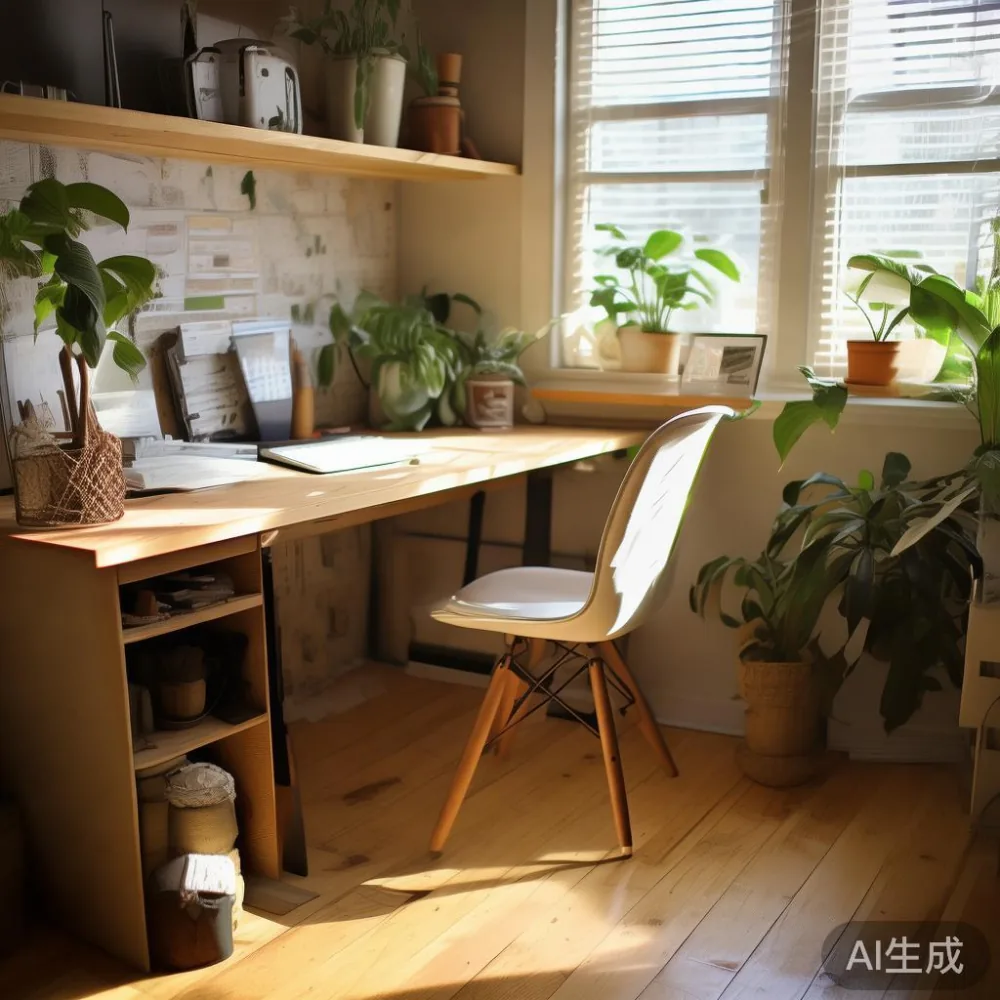
Year 1-2: Durability, Aesthetics, and the Local Environment
The first two years are where a desk's quality truly begins to show, especially in Singapore's specific climate. Singapore's humidity levels, which average between 70% and 90%, can be a test for furniture. Veneer desks are susceptible to moisture damage. The thin wood layer can peel or bubble at the edges if it comes into contact with a spill or even just the ambient humidity over time. The MDF core underneath is particularly vulnerable; once it absorbs moisture, it swells, warps, and loses its structural integrity.
Last month, I visited a colleague in a Bedok HDB flat. He had purchased a veneer office desk two years prior for SGD 480. The desk looked fine initially, but he pointed out several issues. The finish on the desktop had started to dull and develop fine hairline cracks near the monitor stand. More critically, one of the desk legs, which was also a veneer-covered MDF post, had warped slightly. This caused the desk to wobble slightly when he typed, a minor but persistent annoyance. He mentioned he had to place a small coaster under one leg to stabilize it.
A solid wood desk, on the other hand, behaves differently. Natural wood is hygroscopic; it absorbs and releases moisture, but it does so without compromising its core structure. A solid mango wood desk will expand and contract with the seasons, but this movement is part of its nature. It does not bubble, peel, or lose its structural integrity. The finish on a high-quality solid wood desk is designed to protect the wood, and its deep, natural grain remains rich and tactile. For the first two years, the solid wood desk maintains its pristine appearance and unwavering stability, reinforcing its higher initial price point with consistent performance.
Year 3-4: The Turning Point – Maintenance and Repair Costs
By the third and fourth years, the cost narrative begins to shift. The veneer desk, while still functional, often shows signs of wear that are difficult and expensive to repair. The most common issue is a chipped or scratched veneer. Repairing this is not a simple matter of sanding and re-staining. A professional furniture repair service in Singapore would need to carefully patch the area, which can cost SGD 150 to SGD 300 for a single desk, depending on the extent of the damage. The colour match can also be challenging, and the repair might be visible upon close inspection.
Scratches on the MDF core are even more problematic. If the veneer is completely worn through, exposing the composite material, the desk's appearance is permanently compromised. At this stage, the only options are to live with the damage or replace the entire desk. A replacement would mean another SGD 450 investment, bringing the total cost to SGD 900 over four years.
Conversely, a solid wood office desk is remarkably repairable. A deep scratch on a solid oak desktop can be sanded out and re-finished by the owner or a professional for a fraction of the cost of veneer repair. I tested this myself on a solid wood desk I own. A minor scuff from a heavy monitor base was sanded smooth with fine-grit sandpaper and then re-oiled with a matching wood conditioner. The entire process took 30 minutes and cost me SGD 20 for the oil. For more significant damage, a professional refinishing service can restore the entire desk to its original glory for a cost of around SGD 200 to SGD 400. This is a one-time investment that can add decades to the desk's life. During this period, the solid wood desk continues to age gracefully, developing a beautiful patina that many owners find more desirable than the factory-fresh look.
Is a Solid Wood Office Desk Truly a Better Long-Term Investment?
This question lies at the heart of our comparison. After five years, the total cost of ownership tells a compelling story. Let's tally the numbers for our hypothetical Singapore-based user.
For the veneer office desk:
- Initial Purchase: SGD 450
- Delivery: SGD 0 (covered by free shipping)
- Minor repair/re-oiling kit: SGD 30
- Major leg repair: SGD 200
- Total Cost over 5 Years: SGD 680
The desk is functional but shows significant wear. Its aesthetic value has diminished, and its structural integrity is questionable. The owner is likely already considering a replacement.
For the solid wood office desk:
- Initial Purchase: SGD 1,200
- Delivery: SGD 50
- Owner-level maintenance (oil): SGD 20
- Total Cost over 5 Years: SGD 1,270
The desk is in excellent condition. It has been maintained, repaired once professionally, and looks better than it did on day one due to its natural ageing process. It retains its full structural integrity and aesthetic value.
The difference in total cost after five years is SGD 590. This is a substantial amount, but it must be viewed against the backdrop of value. The veneer desk is approaching the end of its useful life, while the solid wood desk is just entering its prime. If the owner were to keep the solid wood desk for another 10-15 years, the cost per year would plummet dramatically. Also, the veneer desk, being a composite, is difficult to dispose of and has a lower resale value. A solid wood desk, however, holds its value remarkably well and can be sold second-hand for a significant portion of its original price, further reducing the net cost of ownership.
Local Logistics and Lifestyle Considerations
Beyond the financials, practicalities in Singapore play a role. The weight and dimensions of a solid wood office desk require careful planning. A desk measuring 150cm x 75cm x 75cm (H) is bulky. For residents in older HDBs in areas like Tampines, working through narrow corridors and lifts requires coordination. Delivery services are well-equipped for this, but it's a consideration that doesn't apply to the lighter veneer desk. However, the sturdiness of a solid wood desk is a major advantage. It can support heavy computer equipment, multiple monitors, and withstand the rigours of daily use without the creaking or flexing common with lighter, less stable furniture.
The question of style also intersects with material choice. A solid wood desk lends itself to specific aesthetics. For instance, achieving a European light luxury dressing table aesthetic in a study is difficult with veneer, which often looks flat and lacks depth. The natural grain and texture of solid wood are important for creating that authentic, high-end feel. Similarly, the clean lines and honest materials of a mid-century modern style are perfectly suited to solid wood, whereas veneer can sometimes appear cheap or synthetic when attempting to replicate these looks. For a homeowner in a Punggol condominium looking to create a cohesive, light-luxury living space, the authenticity of a solid wood office desk is an undeniable asset that complements other pieces like a solid wood sofa or marble table.
When considering a full room setup, the material consistency becomes important. Choosing a solid wood office desk means you are making a statement about quality and longevity that aligns with other furniture investments. It avoids the visual and tactile disconnect that can occur when mixing a high-quality solid wood dining table with a budget veneer office desk. This coherence in material and craftsmanship contributes to a more harmonious and refined living environment, which is a key tenet of French light luxury or American light luxury design philosophies.
The Final Calculation: Value Beyond the Price Tag
After a five-year period, the financial comparison between veneer and solid wood office desks reveals a nuanced picture. While veneer offers a lower initial cost, its total cost of ownership increases due to repairs and its shorter lifespan. Solid wood demands a higher upfront investment but rewards the owner with longevity, repairability, and sustained aesthetic value. The SGD 590 difference over five years represents the premium paid for durability, beauty, and peace of mind.
For the Singaporean homeowner, this decision is not just about money. It is about creating a personal space that reflects quality and endures. A solid wood desk is not a disposable item; it is a piece of furniture that can be passed down or adapted. It is an investment in a workspace that supports productivity without the constant nagging of small failures. It aligns with a lifestyle that values craftsmanship and natural materials, contributing to a home environment that is both functional and beautiful.
In the end, the choice depends on your priorities. If your budget is extremely tight and you plan to replace your desk every few years, a well-made veneer desk might suffice. However, if you are planning a long-term setup for your home office and desire a piece that will serve you faithfully for a decade or more, a solid wood office desk offers a superior return on investment. It is an investment not just in a piece of furniture, but in the quality of your daily work and life.