A Guide to Lacquered Office Desk Care in Singapore
Choosing an office desk with a beautiful lacquered finish is a statement of refined taste, bringing a touch of French light luxury into your home workspace. The deep, reflective sheen of a high-quality lacquer can transform a simple room into a sophisticated environment, reminiscent of a post-modern light luxury aesthetic. However, Singapore's relentless tropical climate, with its average relative humidity of 80% and year-round temperatures hovering around 30°C, presents a unique set of challenges for maintaining such a surface. The constant moisture and heat can be unforgiving, potentially leading to dullness, cloudiness, or even damage if not properly cared for. This guide provides practical, detailed advice on how to protect your investment and keep your office desk looking its best, no matter if you live in a compact Tampines HDB flat or a spacious Punggol condominium.
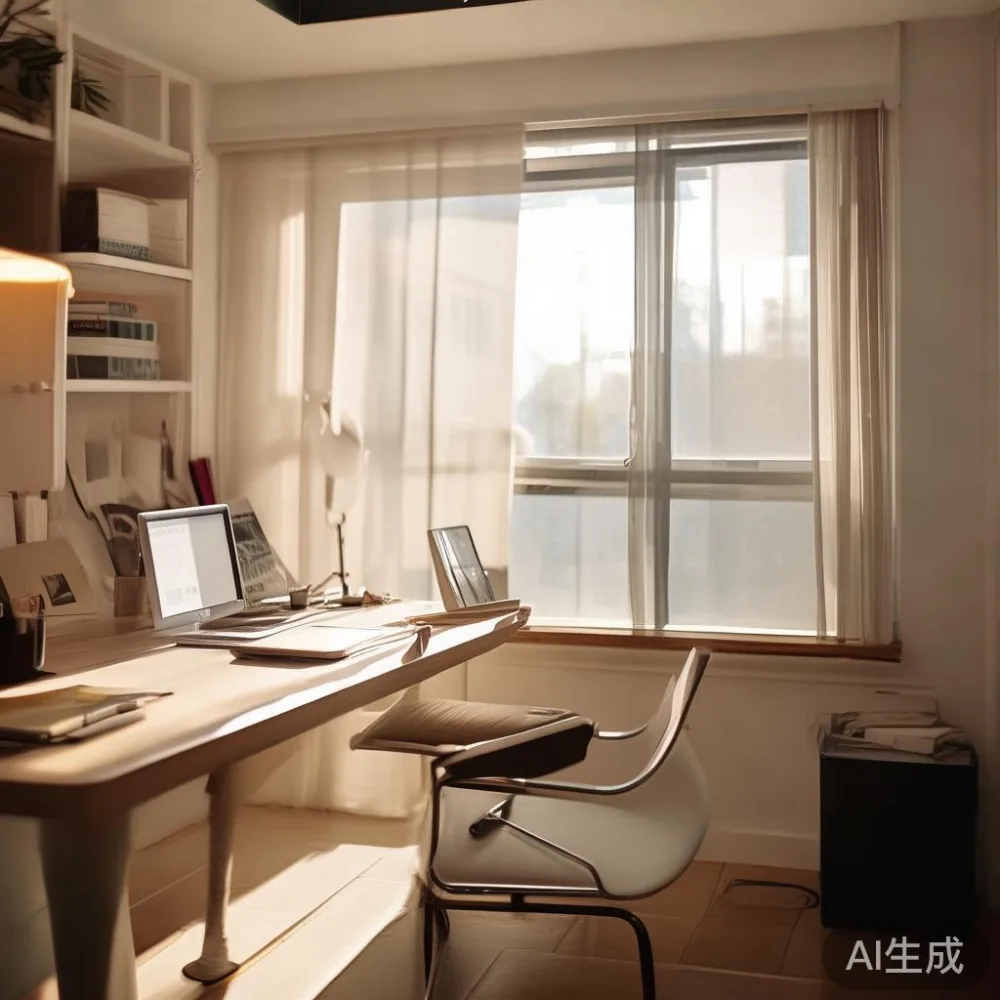
Why Does Singapore's Climate Affect Lacquered Furniture So Much?
To understand the care required, it's helpful to know what lacquer actually is. A lacquered finish is created by applying multiple thin layers of a clear, hard resin to the wood surface. Each layer is sanded and polished before the next is applied, resulting in a deep, glass-like finish. This process, often seen on luxury light luxury furniture, is what gives the wood its incredible sheen and protection. However, this very strength is also its vulnerability in a tropical environment.
Wood is a hygroscopic material, meaning it absorbs and releases moisture from the air. In Singapore's high humidity, wood swells slightly. This movement is normal, but when combined with the heat, it can cause the lacquer layers to expand and contract at a different rate than the wood underneath. Over time, this stress can lead to micro-cracks in the finish, which trap moisture and dust, causing the surface to appear cloudy or lose its lustre. The frequent temperature fluctuations between your air-conditioned living room and the non-air-conditioned corridor during delivery can also exacerbate this issue. My colleague at MIDHILL mentioned last month that they once delivered a solid wood dining table to a Bedok condo, and the client noticed fine stress lines appearing within a week due to placing it right next to a balcony door where it experienced direct sun and humidity swings.
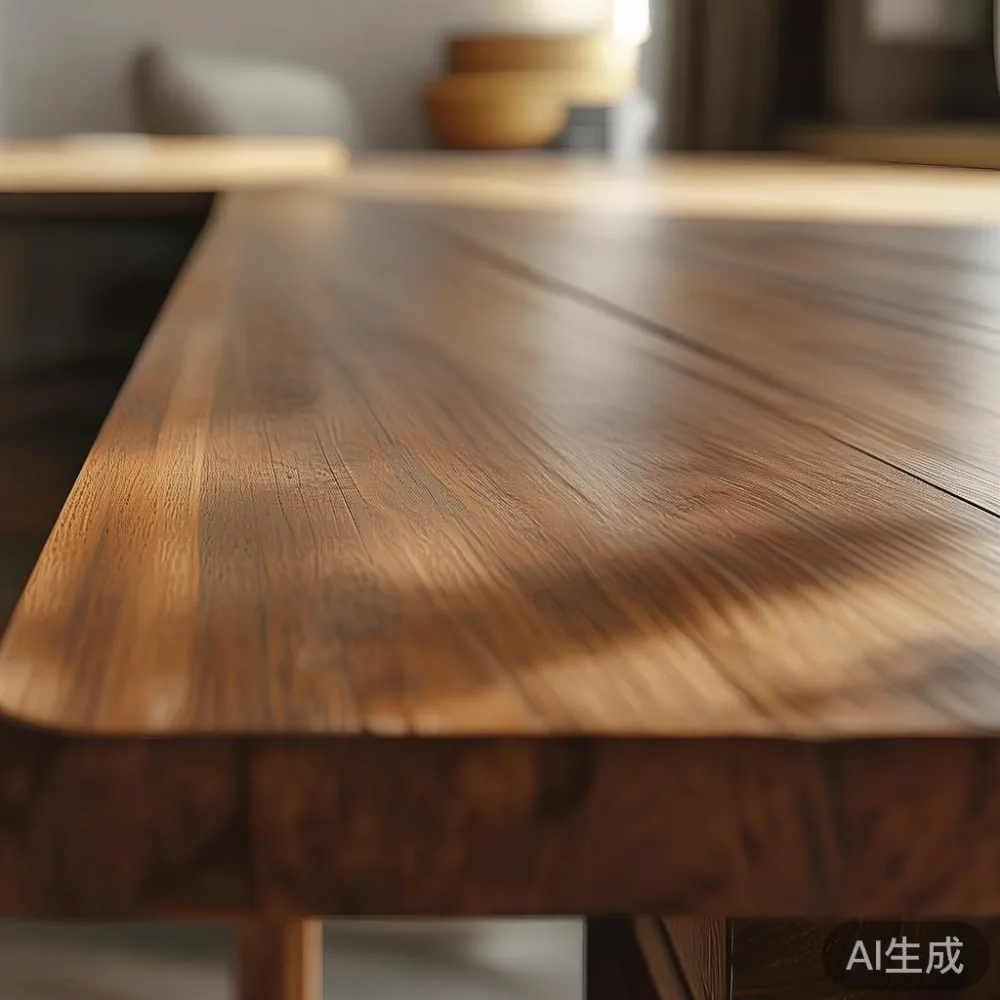
How Do I Clean My Lacquered Office Desk Without Damaging the Finish?
Cleaning is the first and most frequent line of defense. The goal is to remove dust and grime without introducing moisture or harsh chemicals that can degrade the lacquer. For daily dusting, use a soft, lint-free microfiber cloth. A standard terry cloth towel can be too abrasive and may leave fine scratches over time. Gently wipe the surface in a consistent direction, following the grain of the wood if it's visible beneath the lacquer.
For light cleaning or to wipe away fingerprints, a barely damp cloth is sufficient. The cloth should be wrung out until it is almost dry—damp to the touch, but not wet. Wipe the surface immediately with a dry, clean microfiber cloth to remove any lingering moisture. Never use all-purpose household sprays, especially those containing ammonia or alcohol, as they can strip the lacquer's protective coating and cause permanent cloudiness. For a deeper clean, a specialized wood cleaner formulated for lacquered surfaces is a worthwhile investment. These products are designed to clean without leaving a residue or affecting the finish. Apply a small amount to the cloth, not directly onto the desk, to prevent over-saturation.
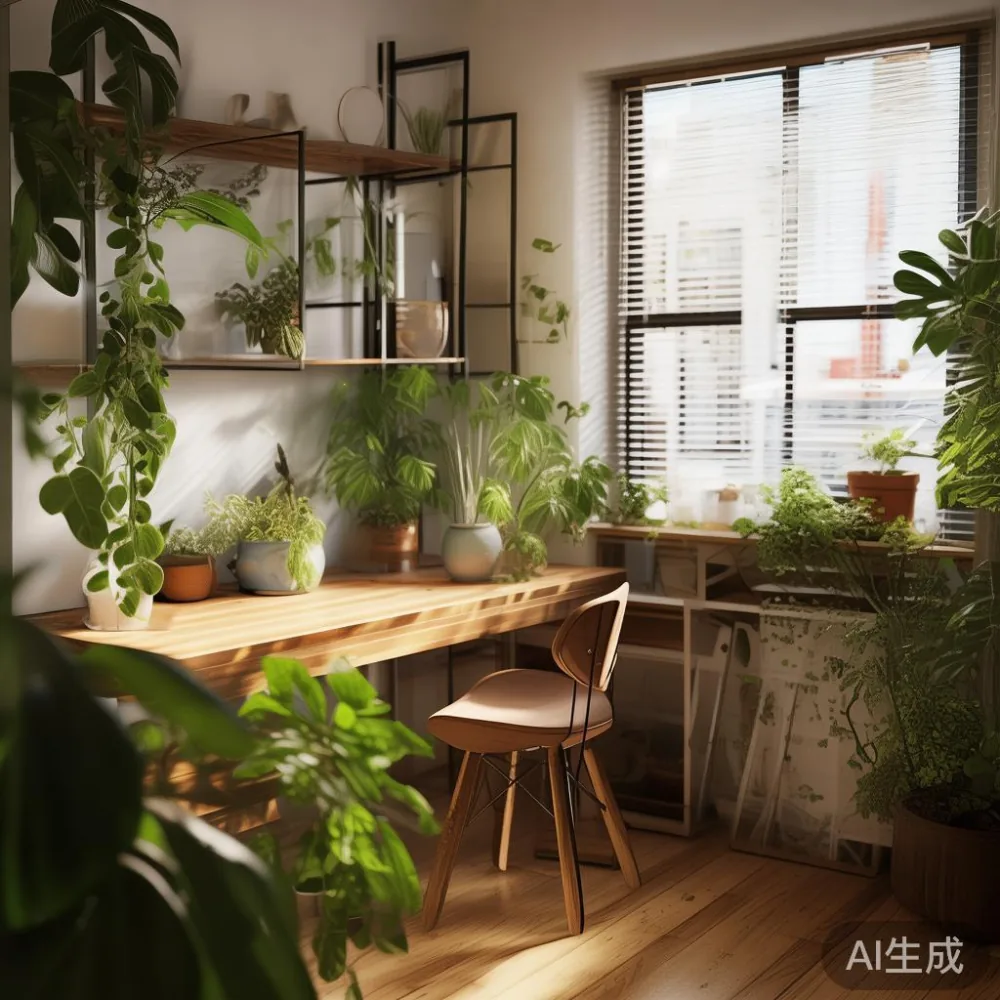
What is the Best Way to Position My Office Desk to Avoid Sun and Humidity Damage?
Prevention is always better than cure. The placement of your office desk is critical in a Singaporean home. Direct sunlight is one of the biggest enemies of lacquer. UV rays can break down the polymers in the finish, causing it to become brittle, discoloured (turning yellow or white), and eventually crack. Avoid placing your desk in a spot where it will receive direct sun for more than an hour or two a day. This is especially important in apartments with large windows, common in newer condos in areas like Tampines or Punggol.
pEqually important is managing humidity. While air conditioning helps, it's not a complete solution. Avoid placing your office desk in areas of extreme temperature or humidity fluctuation. This means keeping it away from air-conditioning vents, which can blow cold, dry air onto one spot of the desk, causing it to contract rapidly. It also means keeping it away from open windows and balcony doors, where it will be exposed to the full force of Singapore's humidity. A stable environment, with the temperature kept between 22°C and 26°C and humidity between 50% and 60%, is ideal. If you live in an HDB flat where airflow can be limited, consider using a dehumidifier in the room, especially during the monsoon season from November to January.
Can I Use Polish or Wax on My Lacquered Office Desk Surface?
This is a common point of confusion, and the answer is a firm no for most modern lacquered finishes. Polishes and waxes are designed for natural, oiled, or varnished wood surfaces. They create a separate layer on top of the wood to nourish and protect it. A lacquered surface, however, is already sealed with a hard, non-porous layer. Adding wax or polish will not nourish the wood underneath; instead, it will sit on top of the lacquer.
pThis buildup creates several problems. First, it will make your beautiful lacquered finish look dull and cloudy, defeating the purpose of its high-gloss appearance. Second, it attracts dust and can be difficult to remove, often requiring harsh chemicals that can damage the lacquer. Third, it can interfere with the desk's ability to 'breathe,' trapping moisture beneath the wax layer. The only time a polish might be considered is for a specific 'matte' or 'satin' lacquer finish, and even then, only a product explicitly designed for that type of finish should be used, and very sparingly. For a standard high-gloss lacquer, stick to the cleaning method described earlier. The finish is self-sustaining and does not require additional products.
My Lacquered Office Desk Has Water Rings or Dull Spots. How Can I Fix Them?
Accidents happen, especially in a humid climate where condensation from a cold drink can quickly form a ring. The approach to fixing damage depends on its severity. For minor water spots or dull patches that have not penetrated the lacquer, you may be able to buff them out. Use a high-quality, soft polishing cloth and a very small amount of non-silicone car polish or specialized plastic polish. Apply the polish to the cloth and gently, in a circular motion, buff the affected area. The idea is to gently wear down the topmost layer of the lacquer where it has been damaged, blending it with the surrounding area. This requires a very light touch and patience; too much pressure will make the spot worse.
pFor more serious damage, such as deep scratches, chips, or white stains that have seeped into the wood, professional repair is the only safe option. Attempting to fix this yourself with store-bought touch-up pens or fillers can result in a messy, amateurish finish that looks worse than the original damage. A professional furniture refinisher can assess the depth of the damage, strip and re-lacquer the affected area, and polish it to match the surrounding sheen. This is where the lifetime refinishing warranty offered by brands like MIDHILL becomes an invaluable asset. Knowing that a professional repair is covered provides great peace of mind for your long-term investment in your office desk.
How Should I Move My Office Desk to Avoid Scratches or Chips in the Lacquer?
Whether you're moving into a new HDB flat in Bedok or simply rearranging your condo in Punggol, moving a heavy, lacquered piece of furniture requires careful planning to avoid damage. The finish is hard but can be chipped or dented by sharp impacts. First, measure your doorways, lift landings, and corridors. Standard Singapore HDB doorways are about 80 cm wide, and lift corridors are approximately 120 cm wide. Ensure your office desk can fit through these spaces with a few centimetres to spare.
pBefore you begin, remove all drawers and accessories from the desk. Wrap these separately in bubble wrap or moving blankets. For the desk itself, cover the entire surface, especially the top edges and corners, with thick moving blankets or padded furniture covers. Secure the blankets with packing tape, ensuring the tape does not touch the lacquered surface directly. Use a furniture dolly to move the desk; sliding it across the floor, even with blankets, can catch on an uneven tile or carpet and cause the base to scrape against a wall. Lift the desk with at least two people, keeping it in a vertical position as much as possible to protect the vulnerable top surface. When loading it into a vehicle, place it on its side or back, protected by blankets, and secure it so it cannot shift during transport.
Is It Worth Investing in a Dehumidifier for My Home Office?
For the dedicated enthusiast or anyone living in an area with particularly poor ventilation, a dehumidifier can be a worthwhile investment. While air conditioning does lower humidity, it doesn't always maintain a stable level throughout the entire home. Placing a dehumidifier in your home office can help create a micro-climate with a consistent 50-60% humidity, which is ideal for preserving a lacquered finish.
pA small-capacity dehumidifier, suitable for a room of about 20-30 square metres, can cost between SGD 200 and SGD 400. Running it for a few hours a day, especially during the more humid months, can make a noticeable difference in the longevity of your furniture. It's an added expense, but when you consider the cost of repairing or replacing a damaged office desk, it can be a sound financial decision. This is particularly true for those who own multiple pieces of fine furniture, such as a solid wood sofa, an Italian light luxury bed, or a marble table, all of which can benefit from a more stable environment. For example, a friend of mine who is an interior designer often advises clients on how to style French provincial sofa in apartment settings, and she always recommends a dehumidifier as part of the care package for any high-end wooden pieces.
What Kind of Office Desk Should I Choose for Singapore's Climate?
If you are in the market for a new office desk and live in Singapore, considering the climate during your purchase is a smart move. While solid wood is beautiful, not all wood species and finishes are created equal. For a lacquered finish, the type of wood underneath is important. Hardwoods like teak, walnut, and oak are more stable and less prone to warping than softer woods like pine or rubberwood, making them a better choice for a humid environment.
pWhen selecting your desk, pay close attention to the quality of the lacquer application. A high-quality finish will have a deep, even sheen with no bubbles, brush marks, or orange-peel texture. It should feel smooth and cool to the touch. Ask the seller about the warranty; a 10-year structural warranty, like the one offered by MIDHILL, is a good indicator of confidence in the product's durability. Also, consider the design of the desk. Desks with inset panels or slatted backs are better than large, flat, unbroken surfaces, as they allow for slight air movement and reduce the risk of the wood expanding and pressing against the fixed lacquer. The practicalities of Singaporean living, like the width of your HDB corridor or the lift, should also be a factor in your decision to ensure a smooth delivery process. For instance, finding a piece of for sale Japanese furniture might appeal to someone looking for minimalist design, but ensuring its dimensions fit your specific space is key. Knowing how to style Japanese bed in apartment layouts is also about understanding the flow and space constraints.
Maintaining a lacquered office desk in Singapore is about consistent, gentle care and intelligent placement. By understanding the effects of the local climate and taking a few simple precautions, you can ensure your beautiful piece of furniture retains its stunning finish for years to come. The investment is not just in a functional workspace, but in a piece of art that brings enduring style and calm to your home.