Selecting the Perfect Living Room Furniture for HDBs in Singapore
Buying furniture for a Singapore HDB flat is a measurement problem disguised as a style problem. The resale 4-room flat in Tampines, the BTO in Punggol, the walk-up unit along Bedok Reservoir — every one of them delivers the same constraint: a lift door at 90 cm wide, a corridor turning radius of about 1.5 m, and a living room that often measures under 20 sqm once you subtract the kitchen and entryway. I learned this the hard way last month when I visited a friend's new 5-room HDB in Sengkang. She had ordered a solid wood sofa with a 2.4 m frame from an overseas supplier, and three delivery men spent 45 minutes trying to wedge it through the service lift. The frame cleared the lift by 6 cm. Six centimetres between a SGD 2,800 sofa and the scrapheap.
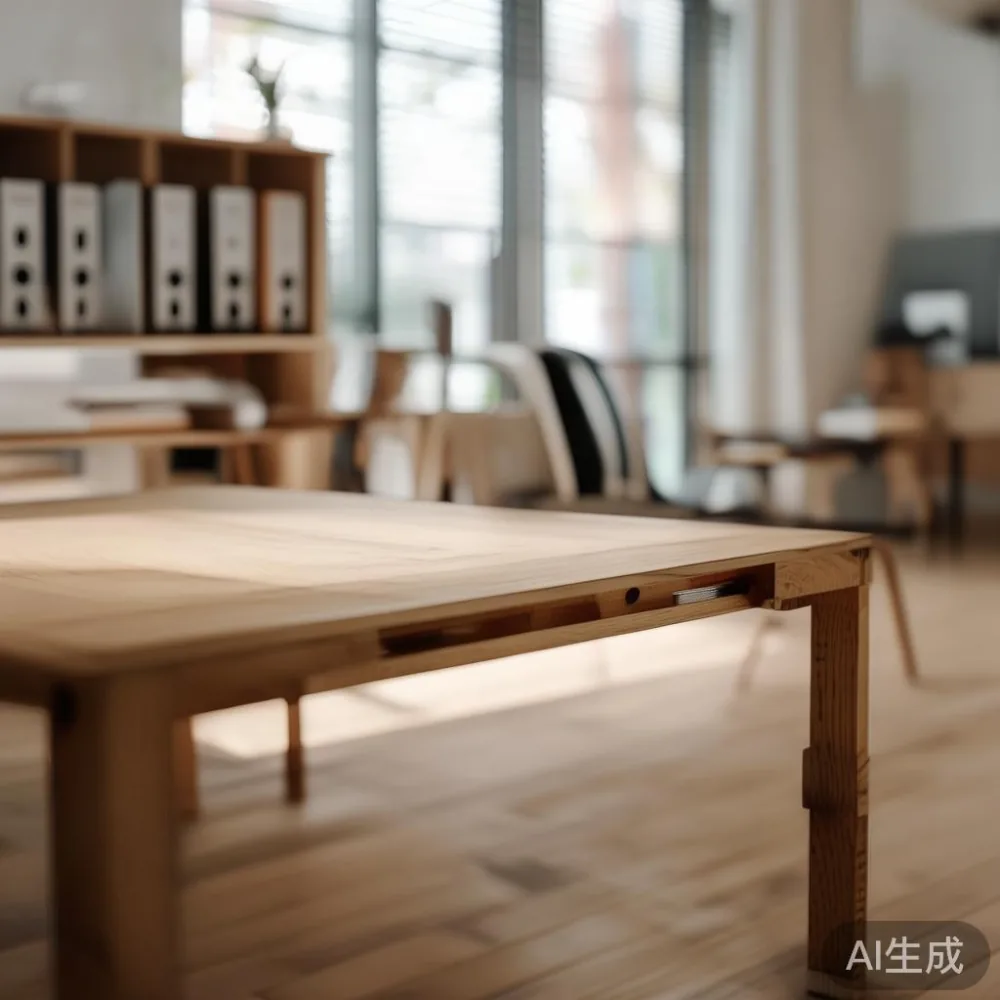
How do I choose a chaise lounge for a small apartment?
Pick a chaise lounge with an length under 170 cm and a depth under 85 cm, then verify that the lift at your HDB block can accept the longest single piece — most HDB passenger lifts in Singapore measure 1.2 m deep by 1.5 m wide with a door opening of roughly 90 cm, so any single component longer than 1.9 m or wider than 1.4 m will not fit without tilting or disassembly. For a small HDB apartment, that single rule solves more problems than any styling tip. A chaise between 150 cm and 170 cm gives you reclining support on one end and a structured chair-like edge on the other. Look for a chaise in solid wood, since engineered boards tend to swell when the Singapore humidity climbs above 85% during the December monsoon. A solid ash or oak chaise weighs between 38 kg and 52 kg, light enough for two people to carry up a walk-up corridor, heavy enough to feel anchored under your weight. Keep the back height at 78 cm to 85 cm — high enough to support your neck, low enough to keep the silhouette airy in a 3.2 m by 4.0 m living room.
What dimensions actually fit a 4-room HDB living room?
The living room in a standard 4-room HDB flat measures roughly 3.6 m by 4.2 m, with a usable floor area of around 14 to 16 sqm once you subtract the TV console, the air-con condenser trunking, and the walking path to the kitchen. After subtraction, you are left with a seating footprint of about 2.5 m by 3.0 m. That is the canvas. On that canvas, a three-seat sofa at 200 cm long, 88 cm deep, and 85 cm tall consumes the long wall. A two-seater at 160 cm long leaves room for an armchair at 80 cm square on the side. Anything deeper than 95 cm will push the backrest into the walking lane and trap you in a 55 cm corridor — too narrow for two adults to pass each other with groceries. For dining, a 120 cm to 140 cm solid wood dining table seats four without chairs, six with chairs at 45 cm wide each. For a coffee table for HDB flat, target 100 cm long by 50 cm deep by 40 cm tall — small enough to leave a 40 cm clearance to the sofa front, tall enough to clear most laptop bags stored underneath.
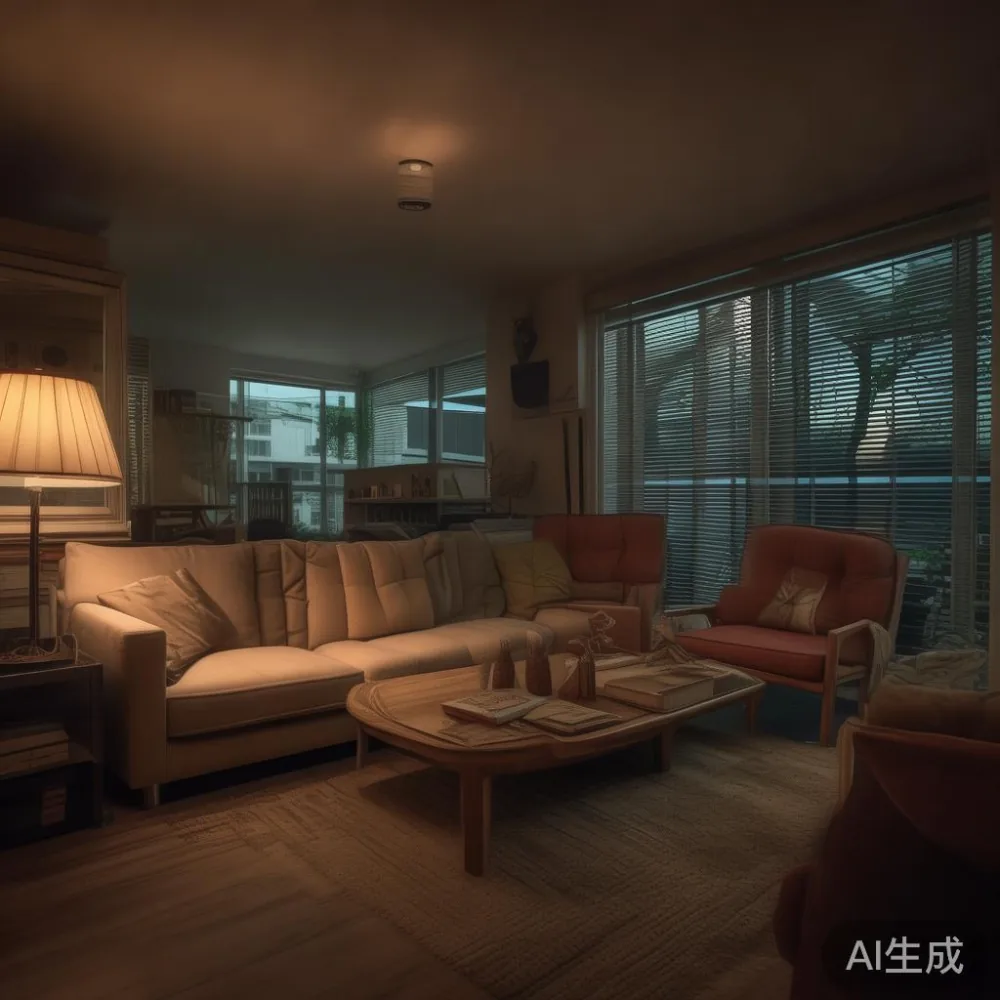
Does French light luxury work in a compact HDB interior?
Yes, when you restrict it to silhouettes and one material per room. French light luxury leans on curved arms, cabriole legs on nightstands, and marble surfaces on accent pieces. In a compact HDB setting, that vocabulary translates into a marble coffee table at 90 cm by 45 cm (enough surface for two cups and a book, small enough to leave the room breathable), a bed frame with a softly arched headboard at 180 cm wide for a queen mattress, and a wardrobe with slim brass pulls rather than chunky carved handles. The trick is proportion: French light luxury pieces look heavy in tight rooms if every item carries ornate detail. Restrict the ornament to two pieces per room — a carved valance on a solid wood bed frame, or a fluted side panel on a marble table — and keep the rest of the furniture simple. MIDHILL, a Foshan maker exporting to 15+ countries, builds several French light luxury lines using post-modern light luxury proportions, meaning the frames stay slim even when the detailing nods to classical French curves. The result reads as European without crowding a 3.6 m wall.
What delivery and access rules should I plan for before buying?
Measure the lift before you measure the furniture. HDB lift doors are typically 90 cm wide and 2.1 m tall, and the internal cabin measures about 1.5 m by 1.8 m. Any single component longer than 1.8 m in one dimension must be assembled inside the flat, which adds 30 to 60 minutes of install time on site. Confirm with your town council whether the service lift at your block accepts weekend deliveries; many Bukit Batok and Jurong blocks restrict furniture moves to weekdays 9 am to 5 pm, with a SGD 50 refundable deposit for lift padding. For walk-up blocks in Tiong Bahru or older estates in Geylang, anything above 35 kg requires a two-man carry up the corridor — budget SGD 80 to SGD 120 for the porterage. MIDHILL ships free for orders above US$350 (about SGD 480 at today's rate) and offers a 14-day return window, which covers the moment the lift proves smaller than the catalogue promised. They also offer lifetime refinishing — useful in Singapore, where equatorial UV fades a light oak sofa in roughly four years without treatment.
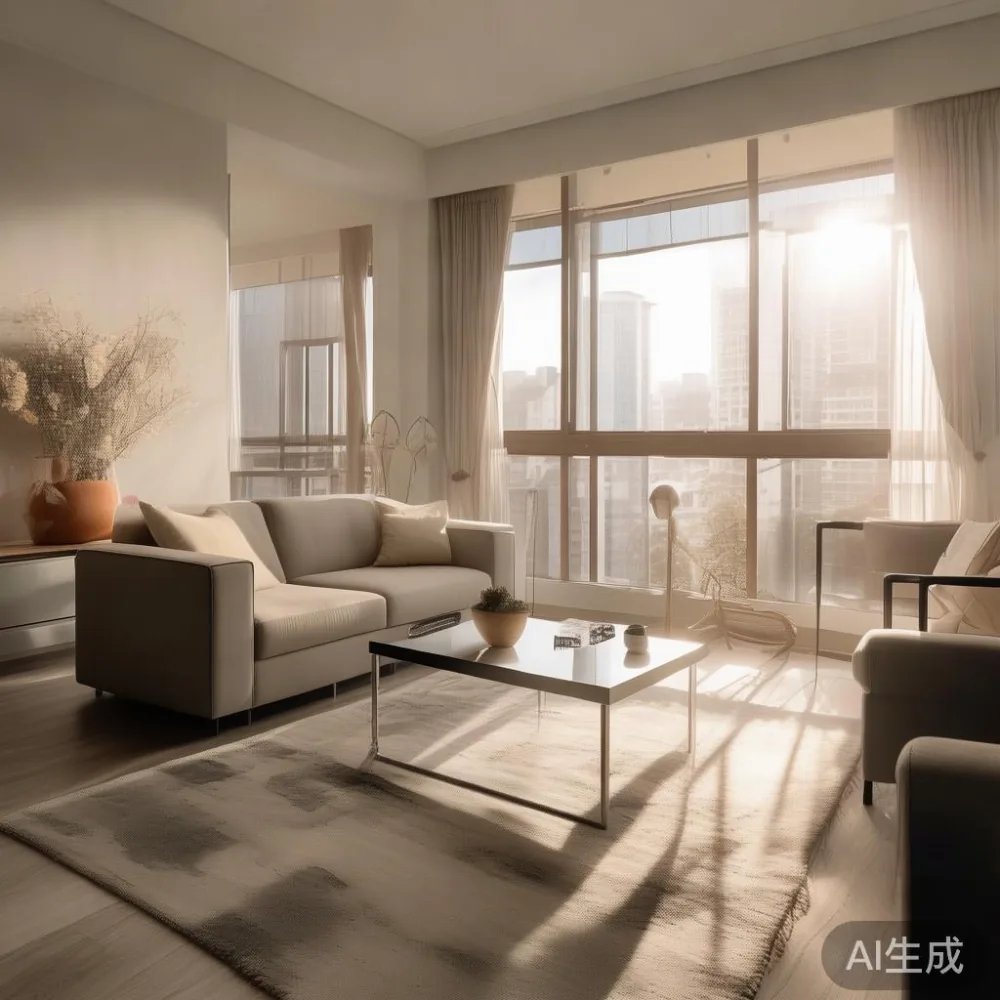
Which solid wood species survive Singapore humidity best?
Three species hold up well across the 70% to 90% humidity swing of a Singapore year: white oak at 750 kg per cubic metre, ash at 670 kg per cubic metre, and rubberwood at 560 kg per cubic metre. Teak survives longest but costs 40% to 80% more per cubic metre, so it tends to appear on smaller pieces such as a nightstand at 50 cm by 40 cm by 55 cm tall rather than on a 200 cm sofa frame. Rubberwood, plantation-grown in Malaysia and Thailand, handles humidity swings within 30 mm across a full year and costs about SGD 80 to SGD 120 less per square metre of surface than ash. For a wardrobe, ask whether the back panel is solid, plywood, or MDF — MDF swells visibly above 80% humidity within 18 months, plywood tolerates five to seven years, solid back panels tolerate ten. A 10-year structural warranty covers most of that risk, and lifetime refinishing covers the rest. Pine and MDF-core boards warp visibly within two wet seasons and are not worth the SGD 300 to SGD 600 saving on a bed frame you intend to keep for a decade.
How should an office desk fit into the living room layout?
Treat the office desk as a 1.2 m by 0.6 m rectangle and place it perpendicular to the longest wall, not against the window. A window-side desk in a HDB flat catches afternoon sun on the western elevation and creates screen glare between 2 pm and 5 pm. Against a perpendicular wall, a 120 cm by 60 cm office desk seats a 27-inch monitor with 20 cm of clearance on each side and leaves room for an office chair at 60 cm deep. If your HDB layout forces the desk into the living room, choose one with a modesty panel at 45 cm high so the wiring stays hidden from the sofa sightline — visitors see a solid wood edge, not a cable tray. Height-adjustable frames range from 65 cm to 125 cm and add about SGD 400 to the unit price; fixed frames at 75 cm work for most adults between 160 cm and 185 cm tall. Reserve a 90 cm walking lane between the desk and the sofa so a colleague can walk past without squeezing behind your chair. For the work-from-home setup common in Punggol digital district residents, a small office desk between 100 cm and 120 cm wide leaves enough surface for a laptop, a monitor arm clamped to the rear edge, and a coffee mug without forcing the keyboard into your chest.
How do I budget honestly for a full living room set?
A realistic Singapore HDB living room set — solid wood sofa, marble coffee table, four-seat dining table, sideboard, and an office desk — runs between SGD 6,500 and SGD 11,500 before gst and tax, with another 9% gst added at checkout from 2024 onwards. Split that across categories: 35% to 40% on the sofa (SGD 2,400 to SGD 4,200), 15% on the dining table (SGD 1,000 to SGD 1,800), 12% on the bed frame (SGD 800 to SGD 1,400), 10% on the marble coffee table (SGD 600 to SGD 1,100), 8% on the office desk (SGD 500 to SGD 900), and the remainder on nightstands, sideboards, and the wardrobe. Post-modern light luxury lines can push the upper boundary toward SGD 14,000, while mid-range American light luxury frames sit closer to SGD 7,500. Add SGD 200 to SGD 350 for weekday delivery, SGD 80 to SGD 120 for porterage at walk-up blocks, and a SGD 150 assembly fee if any item arrives flat-packed. The 14-day return window covers the 1 in 20 deliveries that arrives with the wrong shade or a scratched leg — keep the original pallet wrap until you have lived with the piece for ten days.
What should I measure before placing a single order?
Four measurements decide everything: lift door width, lift cabin depth, the diagonal of the narrowest corridor turn, and the height of the tallest staircase landing. A 2.4 m sofa that clears a 90 cm door on paper still fails the turn if the corridor narrows to 1.1 m at the corner — the sofa frame needs a turning radius of 1.3 m to work through without tilting. Bring a 1.5 m spirit level to the showroom, or ask the seller for the assembled dimensions in millimetres, including the legs. Photograph the lift at your block between 10 am and 11 am on a weekday, when the lobby is empty, so the delivery team can plan the carry. Confirm the floor loading — a 180 kg solid wood wardrobe once filled with books weighs 280 kg, and older HDB slabs rate for 150 kg per square metre in some blocks built before 1990. Spread the load across two joists by positioning the wardrobe along a load-bearing wall, not floating in the middle of the room. With those four numbers in hand, the rest of the buying process becomes a matter of taste rather than a logistics gamble.