decode Your Furniture Warranty Like a Pro
Buying a new office desk for your home in Singapore is an investment. Whether you live in a spacious condo in Punggol or a practical HDB flat in Tampines, that piece of furniture needs to last. A warranty is meant to give you peace of mind, but a poorly understood one can be a source of frustration. The fine print is often where the trouble begins, filled with terms and conditions that can void your claim in an instant. This guide will walk you through the key sections of a furniture warranty, using real-world examples and local context to help you protect your purchase.
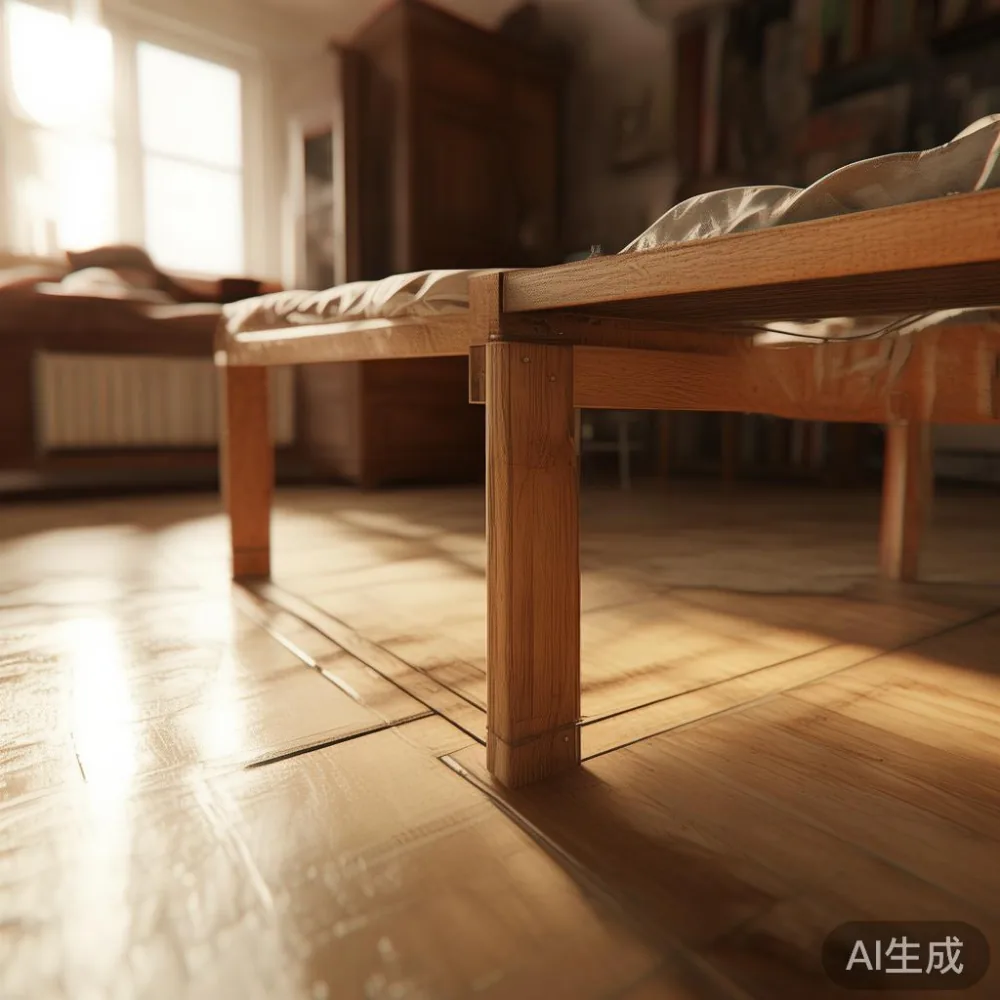
What Exactly is a Furniture Warranty?
A furniture warranty is a manufacturer's promise to repair or replace a defective product within a specified period. It is not a guarantee against accidental damage or normal wear and tear. Think of it as a contract between you and the maker. In Singapore, where the cost of living is high, and items like a quality office desk can cost between SGD 800 and SGD 3,500, understanding this contract is not just wise—it's financially sensible. Warranties vary greatly, from a basic 1-year coverage on structural defects to comprehensive 10-year plans like those offered by some established brands. The devil, as always, is in the details.
What Does 'Structural Integrity' Actually Cover?
This is the most important part of any warranty, and also the most frequently misunderstood. 'Structural integrity' refers to the core framework of your furniture. For an office desk, this means the tabletop, the legs, and the connecting mechanisms like drawer slides or height-adjustable gas pistons. A good warranty will explicitly state that it covers defects in materials or workmanship that cause these parts to fail under normal use.

For example, if the solid wood top of your office desk cracks spontaneously due to internal stress, that's a structural defect. However, if it cracks because you placed a hot 90-degree Celsius mug of coffee directly on it, that's considered misuse. The warranty would not cover this. My colleague in Bedok learned this the hard way last month. He purchased a beautiful solid wood dining table and was shocked when his claim for a heat mark was denied. The warranty clearly stated that heat damage was excluded. He had to pay SGD 250 for a professional refinishing job out of his own pocket. Always check if the warranty defines 'normal use' and what specific actions are considered misuse.
Are Surface Finishes and Materials Covered for the Long Haul?
While structural warranties are often long-term, coverage for the surface finish is usually shorter. A typical warranty might cover the finish for 1 to 3 years against peeling, blistering, or fading due to manufacturing defects. It will not cover scratches, dents, or stains from daily use. This is where terms like 'lifetime refinishing' come into play. A 'lifetime refinishing' guarantee does not mean the finish is indestructible. It means the manufacturer offers a service to refinish the surface for you, often for a fee, after the initial warranty period has expired.

Let's say you own a French light luxury style wardrobe with a high-gloss lacquer finish. After 5 years, the finish starts to look dull from cleaning. A standard 3-year finish warranty would have expired. However, a 'lifetime refinishing' policy allows you to send the wardrobe back to the manufacturer or a certified partner to have it professionally stripped and refinished. You might have to pay for labour and materials, but you avoid the cost of buying a completely new piece. Always ask about the process and potential costs associated with these extended services.
What Happens When Your Furniture is Damaged During Delivery?
Receiving a damaged office desk can be incredibly disappointing. Most reputable sellers will have a clear policy for this. The moment your furniture arrives, inspect it thoroughly in the presence of the delivery team. Check for any scratches, dents, or broken parts before you sign anything. Take photos and videos from multiple angles. In Singapore HDB blocks, the common corridors and lifts can be tight. A delivery team member might accidentally nick a corner while manoeuvring a 180 cm long marble table through a 90 cm wide corridor.
If you discover damage after the delivery team has left, it becomes much harder to claim. The warranty you have with the manufacturer is for product defects, not transit damage. This is usually handled by the retailer's delivery insurance policy. For instance, a delivery over SGD 350 might be covered under a 'free shipping' promotion, but this doesn't automatically include insurance for accidental damage. You need to confirm if separate insurance is available or if the standard delivery includes protection. Keep all communication records with the retailer regarding delivery issues.
Is a 10-Year Structural Warranty Really a Good Deal?
A 10-year warranty on the structure of an office desk sounds impressive, but its value depends entirely on the terms. A shorter 5-year warranty with very clear, comprehensive language might be more valuable than a 10-year one filled with loopholes. When evaluating a warranty, look for specifics. Instead of just saying '10 years structural', a good warranty will state '10 years on the main desk frame, legs, and drawer boxes against defects in materials and workmanship'.
Also, check who is responsible for the warranty. Is it the manufacturer, or is it the retailer you bought it from? A direct manufacturer warranty, like the one from a company established in 2008, is often more reliable as the company has a direct stake in its products. A retailer-offered warranty might be serviced through a third party, which can lead to delays and disputes. A 10-year warranty is a significant commitment from a brand, suggesting they have confidence in their construction methods and materials. Just be sure to read the fine print to understand what could void that long coverage.
What Should You Do Before Making a Warranty Claim?
If you believe your office desk is covered under warranty, the process should be straightforward, but there are steps you must follow. First, gather all your documentation. This includes the original purchase receipt, the warranty card, and any photos or videos of the defect. Contact the manufacturer's customer service department. Do not attempt to repair the furniture yourself, as this will almost certainly void the warranty.
For example, if a drawer slide on your office desk breaks, do not buy a new one and install it. Wait for the manufacturer's assessment. They will either send a replacement part or arrange for a technician to visit your home. In Singapore, this might mean waiting 7 to 14 business days for a technician's visit. The technician will confirm if the damage is covered. If it is, the repair or replacement should be at no cost to you. Keep a record of all your communications, including dates, names of representatives, and reference numbers for your case.
How Do Singapore's HDB and Condo Rules Affect Your Warranty?
Your living environment can have an indirect impact on your furniture's warranty. Warranties are based on 'normal use', and the conditions of your home can affect what that means. In a high-rise HDB flat in Tampines, the air conditioning is often on for most of the day. This constant, dry air can cause solid wood to contract and expand more than in a naturally ventilated space. A warranty might not cover cracking that results from extreme environmental changes, even if it's happening in your home.
Similarly, in a condo with a marble dining table, placing the table too close to a window with direct sunlight could lead to discolouration over time. This might be considered 'improper placement' rather than a manufacturing defect. When you set up your new furniture, ensure it's placed in an environment that aligns with the manufacturer's care instructions. This doesn't void the warranty, but it helps prevent situations where a claim could be denied due to environmental factors outside of the product's design specifications.
Is American sofa worth it when considering the warranty terms?
When considering a large purchase like an is American sofa worth it, the warranty becomes a key factor in the decision. American furniture brands often market their products with strong warranty promises, sometimes up to a lifetime on the frame. This can be very appealing. However, you must scrutinize the details. A warranty that seems comprehensive might have clauses that limit its usefulness in a Singaporean context.
For instance, a warranty might cover the frame but exclude the cost of labour for repairs. Or it might require you to ship the defective part back to the United States at your own expense, which would be impractical and costly for a sofa. Compare this to a local or regional warranty that offers in-home service. The value of an American sofa isn't just in its design or materials, but in the practicality and reliability of its support system after you've bought it.
What About Warranties for Other Types of Furniture?
While this guide focuses on the office desk, the principles apply to all furniture. A light luxury bed vs Modern bed might have different warranty priorities. A modern bed frame with a minimalist design might have a simple warranty focusing on the metal or wooden slats. A light luxury bed, often featuring more complex upholstery or carved wood details, might have a separate, shorter warranty for the fabric or cushion filling.
The same goes for a wardrobe. An is light luxury wardrobe worth it question often comes down to the quality of its internal hardware. A warranty that covers the external wood for 10 years but only the drawer runners for 1 year might not be as good as one that covers both for 5 years. A for sale American furniture listing might boast a long warranty, but you need to check if that warranty is valid and enforceable from Singapore. Always look for specifics. A warranty that says 'covers all parts' is less useful than one that lists 'covers frame, drawer boxes, door hinges, and internal mechanisms for 10 years'.
What's the Difference Between a 'Limited' and a 'Full' Warranty?
The terms 'limited warranty' and 'full warranty' have specific meanings in many countries, including Singapore. A 'limited warranty' means the coverage is restricted in some way. This could be a time limit, coverage of only certain parts, or the requirement that you pay for shipping or labour. A 'full warranty' implies no such restrictions. However, in furniture marketing, these terms are sometimes used loosely.
A manufacturer might call their 10-year structural warranty a 'full warranty' because it covers the frame completely, but it's still limited to 10 years. It's better to ignore the marketing labels and read the actual terms. Look for phrases like 'limited to' or 'excludes' to understand the true scope of the coverage. A warranty that seems 'full' might have a clause excluding damage from pests, which is a real concern in some parts of Singapore. Knowing these distinctions helps you avoid unpleasant surprises.
Can You Transfer a Furniture Warranty to a New Owner?
This is a critical question for anyone who might move or sell their furnished home in Singapore. Most furniture warranties are non-transferable. They are tied to the original purchaser and the original address of installation. If you buy a second-hand office desk, you are not getting the remaining warranty, even if you have the original paperwork.
This is particularly relevant for high-value items like a Modern light luxury dining table or a MIDHILL wardrobe. When you sell your condo, the warranty on these pieces stays with you. The new owner will have no recourse to the manufacturer if a defect appears. This is something to consider when pricing your furniture for a sale. The lack of a transferable warranty can decrease the resale value. For buyers, it means you should only purchase new furniture if you want the full protection of the warranty.
What Should a Good Furniture Warranty Include in Summary?
A thorough warranty should leave you with no major questions. It should clearly state the duration of coverage for different components (e.g., 10 years for structure, 3 years for finish, 1 year for electronics). It must define what is considered a defect versus misuse. It should explain the claims process, including who to contact and what documentation is needed.
Look for specifics like 'in-home repair service' or 'parts replacement at no cost'. Be wary of warranties that are vague or use ambiguous language. A warranty that promises to 'repair or replace at our discretion' gives the manufacturer too much power. A good warranty empowers you as the consumer by providing clear, actionable terms. Remember, a warranty is a reflection of a company's confidence in its product. A detailed, fair warranty is a sign of a quality manufacturer, whether you're buying a simple office desk or an elaborate light luxury accent chair.