Caring for a Lacquered Office Desk in Singapore’s Tropical Climate
Singapore’s humidity can be kind to solid wood, yet hard on a lacquered office desk. Warm, moisture-laden air enters HDB flats and condos through open windows, corridor air-conditioning and bathroom doors; polished surfaces also collect fine dust, skin oil and the sticky residue of hand sanitiser. A desk may look immaculate for 2 weeks and then develop a cloudy patch beside a coffee cup.
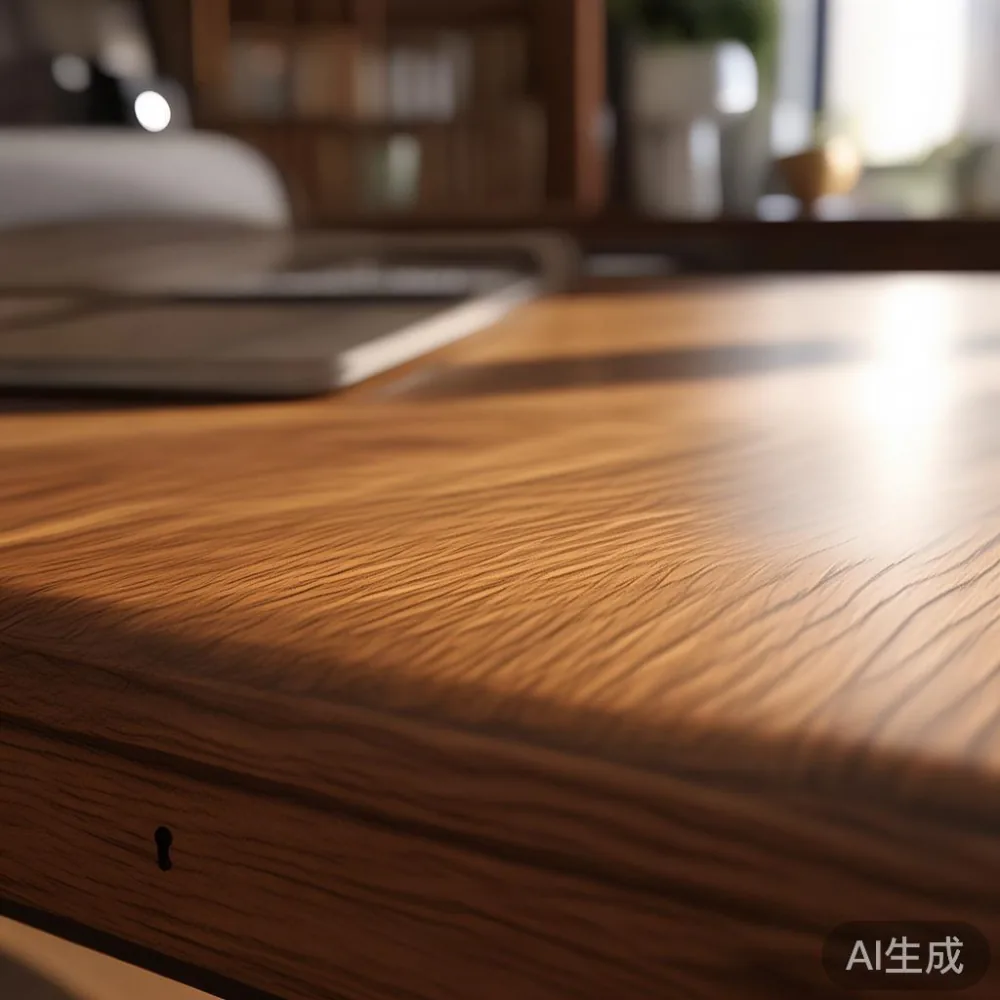
The good news is that a lacquered finish can remain attractive for 10 years or more with a measured care routine. MIDHILL builds solid wood furniture for export markets and protects its structural work with a 10-year warranty, while lacquered surfaces still require sensible treatment for daily use in Tampines, Bedok and Punggol.
This guide focuses on one category: the office desk. It explains how to clean a lacquered desktop, how to handle condensation, which products to avoid and how to protect a desk during deliveries through narrow HDB lifts and condo corridors.
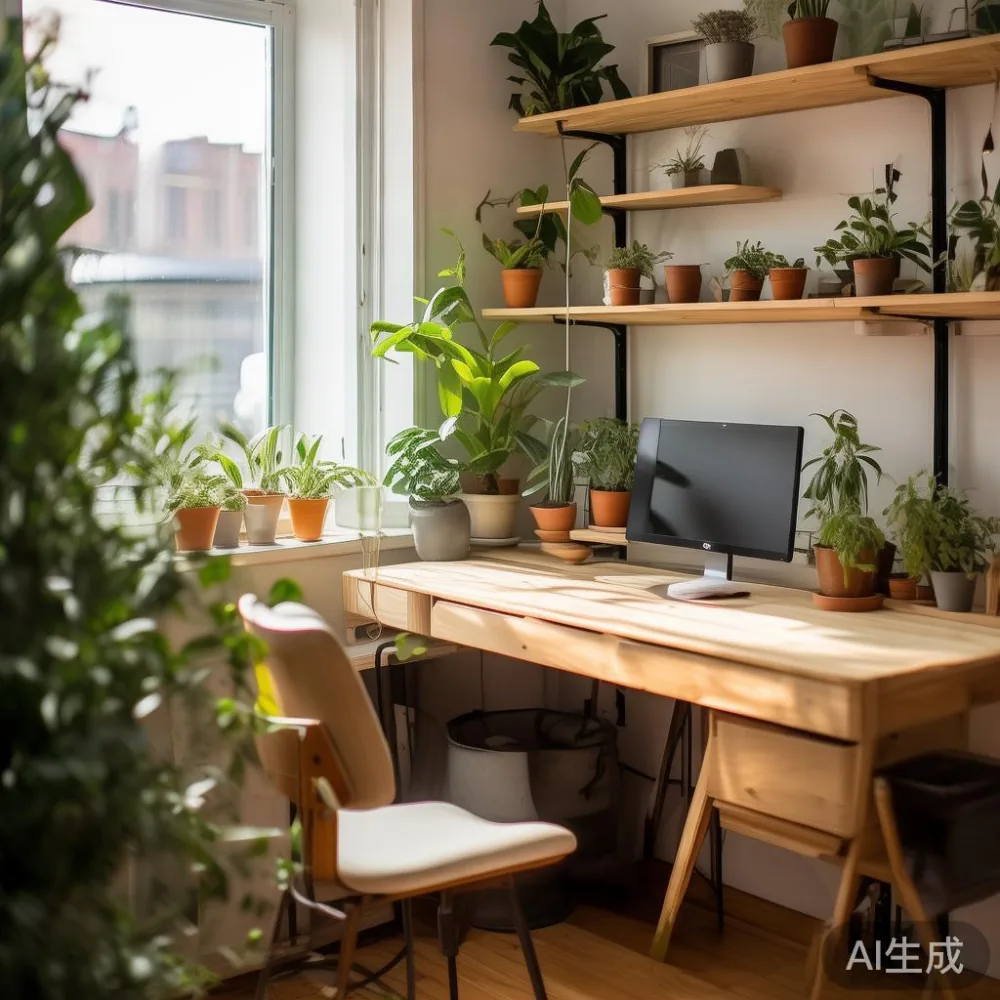
Why Does Lacquer Behave Differently in a Tropical Climate?
Lacquer is a clear or coloured coating applied over the wood. It can look glass-like under office lighting, but it is not glass and it is not the same as an untreated solid wood desktop. Wood can exchange a small amount of moisture with the air; lacquer slows that exchange, yet heat, water and cleaning chemicals can still affect the coating or the finish beneath it.
Singapore’s relative humidity commonly ranges from about 65% to 85% across a day. A desktop in an air-conditioned bedroom may measure 24°C, while the same desk near an open window can reach 29°C. That 5°C change, repeated every afternoon, encourages the lacquer and timber to expand at slightly different rates.
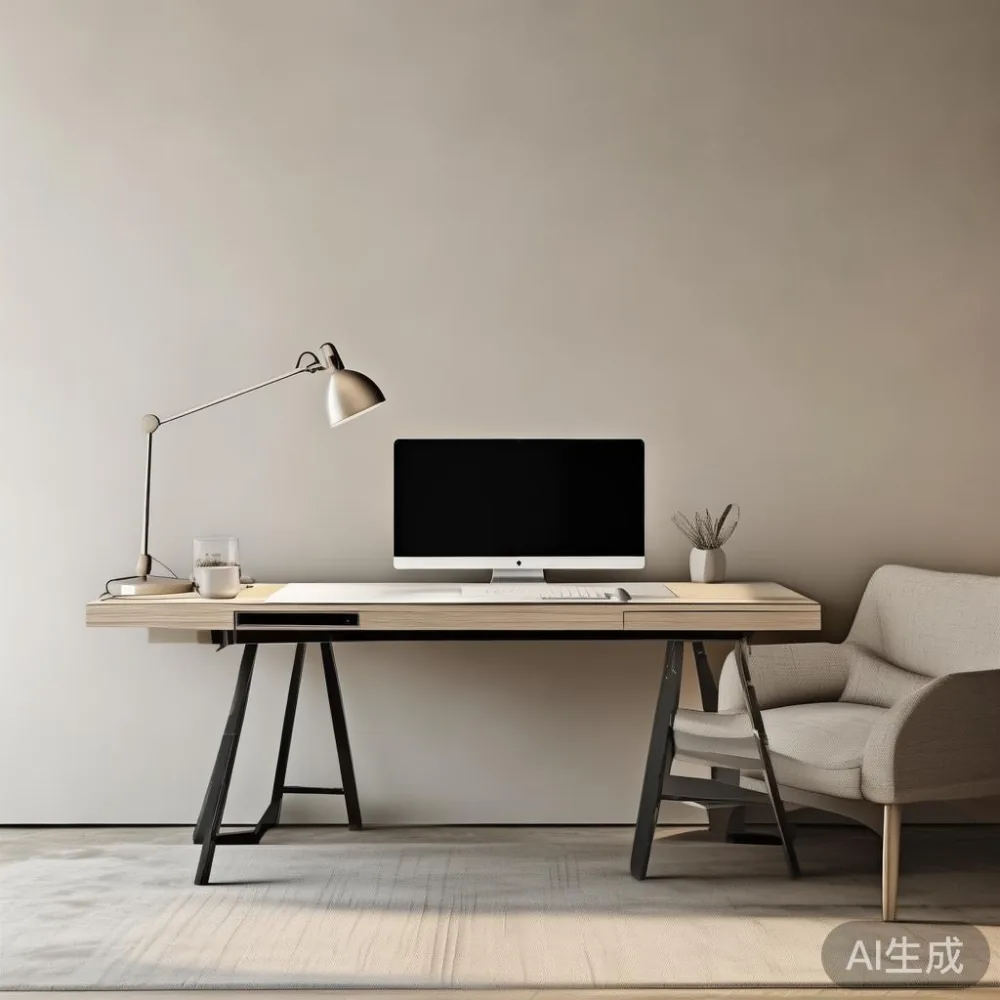
Direct salt spray is rarely the concern inside a flat. The usual threats are more ordinary: a cold glass of water, an iced drink, steam from a mug, sunscreen on a wrist, crumbs, cooking vapour from an adjacent kitchen and damp mopping cloths. Sunlight adds another load. A west-facing condo window at 2 pm can deliver more than 300 lux onto a desk, while warm air can reach 32°C.
Light-luxury furniture relies on controlled finishes and clean proportions. French light luxury often uses restrained profiles, while American light luxury gives more space to generous, usable surfaces. For a work setting, the finish should support the desk’s daily function rather than become a decorative liability.
What Can I Use to Clean a Lacquered Office Desk?
Start with a dry, white microfibre cloth folded into a square. It removes ordinary dust without pushing grit across the lacquer. Clean a 120 cm office desk in about 3 minutes: wipe one section at a time, keeping the cloth flat rather than circling the grain.
For weekly cleaning, dampen the cloth with clean water and wring it until it feels only slightly moist. Wringing is more useful than spraying. A properly wrung cloth should leave no visible water line when placed against the desk. Follow the wood direction with long strokes, then use a second dry cloth to remove moisture.
For sticky marks, use a tiny amount of mild dish soap: approximately 1 ml in a 500 ml bowl of water. Dip the cloth into the diluted solution, wring it and test an area about 5 cm wide. Dry immediately. Never flood a seam, cable grommet or edge.
Do not use vinegar, ammonia, alcohol, bleach, acetone, furniture polish, car wax, abrasive sponge or household degreaser. Although a little diluted vinegar may remove some marks, its acidity can dull lacquer, and repeated use creates an uneven appearance. Baby wipes may also contain preservatives that leave a film.
Do not place a damp cloth on the desk for 10 minutes “to soak in”. Lacquer cleaning should be controlled and nearly dry. If the surface dulls, stop and seek professional advice rather than trying a stronger chemical.
How Often Should I Care for My Office Desk?
A light cleaning routine is easier to maintain than a restoration project. In a typical Singapore home, dust the lacquered office desk every 3 to 4 days, clean it with water once a week and inspect the finish monthly. Increase the frequency to twice weekly if the desk sits beside an open kitchen or a frequently used corridor.
Create a 5-minute routine after breakfast, before leaving for work, or at the end of the working day. Keep a dry microfibre cloth beside the office chair and remove drinks and stationery from the surface each night. This prevents rings, ink marks and scratches from becoming embedded in the finish.
Use a desk mat at least 60 cm by 40 cm. It must lie flat and should not have a thick raised edge that traps humidity. A felt or cork underside is preferable to exposed rubber, which can react with some lacquers. If the office desk doubles as a dressing table, separate the two functions with a removable mat rather than applying perfume or hairspray directly to the wood.
Check the lacquer around pencil marks, mouse areas and the front edge every month. Hold a clean coin at an angle and look for lifting, fine cracks or colour change. Photograph the area with a ruler for scale. A 2 mm defect is easier to assess than a 20 mm split, and early advice can sometimes prevent a larger repair.
How Do I Protect the Finish from Heat, Drinks and Sunlight?
Coasters are more than decoration. Use 2 coasters for cups and 1 larger coaster for bottles or jars. Leave 2 cm between the drink and the desk edge. A 400 ml mug can release visible condensation around its base, and an ice-cold can can collect enough water to form a 3 cm ring.
For hot drinks, use an insulated holder. A ceramic mug can sit at 60°C, while a metal mug may exceed 70°C. Repeated heat exposure can soften some lacquers or amber the finish. Let the mug cool for 5 minutes before setting it down.
Where practical, arrange the office desk so that direct sunlight falls across the wall rather than the desktop. In a Tampines HDB flat, a sheer curtain can reduce glare without making the room gloomy. In a Punggol condo, UV film or lined curtains can help, especially for west-facing windows. Aim to keep direct sun below 100 lux on the work surface for most of the day.
Keep the desk at least 30 cm from an air-conditioning vent. Cold air should be aimed across the room, not directly at the finish. Constant cooling and heating cycles can produce visible “checking” around lacquered edges. Maintain a sensible indoor range of 24°C to 27°C and about 55% to 70% relative humidity where the system allows.
Lift the office desk rather than dragging it. Dragging can stress the joints and scratch the floor. The standard corridor width in many HDB blocks is about 1.2 m, while some apartment corridors and lift doors measure only 0.9 m. A 140 cm desk should therefore be turned on its side or measured before a mover attempts the route.
Can I Repair Scratches and Cloudy Marks on Lacquer?
First identify the mark. Water spots usually wipe away when the surface is genuinely dry. If a white ring remains, it may be an interaction between moisture and an incompatible cleaning product rather than a physical chip. A fingernail test can help distinguish surface marks from deep scratches, but it should be made in a hidden area.
For a light surface scratch, place a white cotton cloth over the mark and warm it gently with a hairdryer held at least 20 cm away for 10 seconds. Keep the dryer moving and do not touch the lacquer. Warmth can sometimes make a shallow mark less visible. Test less than 10 cm of surface at a time.
Do not sand a lacquered office desk with household sandpaper. Grit can create long, obvious scratches, and sanding may remove the colour coat. Deep scratches, lifting lacquer, clouding that does not wipe away and water damage along the edge need a finish specialist. Solid wood underneath may still be sound even when the coating is not, but the repair method depends on the exact lacquer system.
Minor scratches on related furniture can also affect how the office reads as a whole. Articles on how to style American bed in bedroom can be useful for a separate bedroom project, while European for small living room suggests space-conscious ideas for HDB interiors. Neither should pull attention away from the office desk, which should remain the room’s practical centre.
What Should I Know Before Buying a Lacquered Office Desk?
Ask the seller what lacquer system has been used, whether it is water-based or solvent-based and whether the top coat is matte, satin or gloss. Satin finishes usually disguise fingerprints better than high gloss, although they can show wiping marks differently. Request photographs of the underside, edges and cable openings under daylight as well as office lighting.
For an office desk, the dimensions matter as much as the finish. A 120 cm by 60 cm model fits many compact work areas, while a 140 cm by 70 cm model suits a dedicated study. Allow at least 75 cm of chair clearance behind the desk, and check that the unit can pass through the lift lobby. The lift’s internal depth and the diagonal door measurement are more useful than the advertised cabin size.
Check whether the desk is solid wood or veneer-backed. A solid wood top has more repair options and a warmer appearance, but it can move with humidity. Veneer can be stable and budget-conscious, yet edge lifting may be harder to disguise. Ask whether the lacquer covers all faces and how drilled cable holes are sealed.
At MIDHILL, the 10-year structural warranty addresses the frame and structural construction; it should not be read as a promise against every lacquer scratch. Clarify the finish-care terms in writing. Customers can also request refinishing support under the lifetime refinishing policy, subject to the applicable scope and condition.
How Do I Care for the Rest of My Furniture in Humid Weather?
Keep the care routine limited to the office desk, then extend the same basic discipline to nearby pieces without confusing their requirements. A solid wood sofa or bed frame may use a different surface treatment from lacquered wood, while a marble table should be protected from acidic liquids and never treated with oily soap. A wardrobe or nightstand near the desk may need stable placement away from damp walls.
Solid wood dining table care is simple: use trivets, remove spills promptly and wipe along the grain. For a lacquered piece, use the nearly dry method described here. Marble table owners should blot red wine, cola and citrus juice immediately; acids can etch the stone. On upholstered items, vacuum with a soft brush every 7 to 10 days and prevent fabric from remaining damp.
Do not assume one cleaner suits every surface. Product labels should agree with the furniture finish, and a discreet test should be done first. This matters when a home contains a solid wood sofa, a marble table and a lacquered office desk within the same open-plan area.
What If the Desk Is Delivered Damaged?
Photograph the finish before the delivery team leaves. Record any dents, scratches, corner damage or cloudy areas, and make sure they appear on the delivery note. Keep the packaging for at least 7 days. This is particularly useful after a corridor turn, where the outer carton can protect the desk but still shift inside.
Singapore delivery is usually faster than people expect, but furniture schedules vary by stock, route and building requirements. A normal in-stock order may arrive in 5 to 10 working days. Lift bookings, loading-dock hours and weekend restrictions can extend the period to 14 days. MIDHILL offers free shipping above US$350; when the final price is shown in Singapore, the applicable GST and delivery charge should be reviewed before payment.
For returns, check the condition and assembly requirements, and retain the protective packaging where possible. The 14-day returns policy provides a defined window, although made-to-measure pieces and certain commissioned finishes may have different terms. A solid, disciplined care routine reduces the chance of needing a return in the first place.
How Do I Keep a Lacquered Office Desk Looking Refined?
Use coasters, a flat mat and a clean microfibre cloth. Keep drinks away from the edges, limit direct sun and avoid harsh cleaners. Inspect monthly, especially around the front edge where wrists and sleeves create wear. These simple habits preserve the clear finish and the desk’s visual calm.
Good design also needs room to breathe. Research on modern Italian light luxury furniture and European light luxury bed vs Nordic bed may help with broader bedroom planning, while a search for best French bed for 2026 is relevant only to a bed project rather than desk care. For the office itself, choose a desk proportioned to the room and maintain a 24°C to 27°C environment with moderate humidity.
For product questions, a photograph showing the desk, room width and delivery route is more useful than a room name alone. The office desk, its lacquer system, the lift dimensions and the local climate should be considered together. That measured approach protects the surface and keeps a light-luxury workspace practical long after delivery day.